
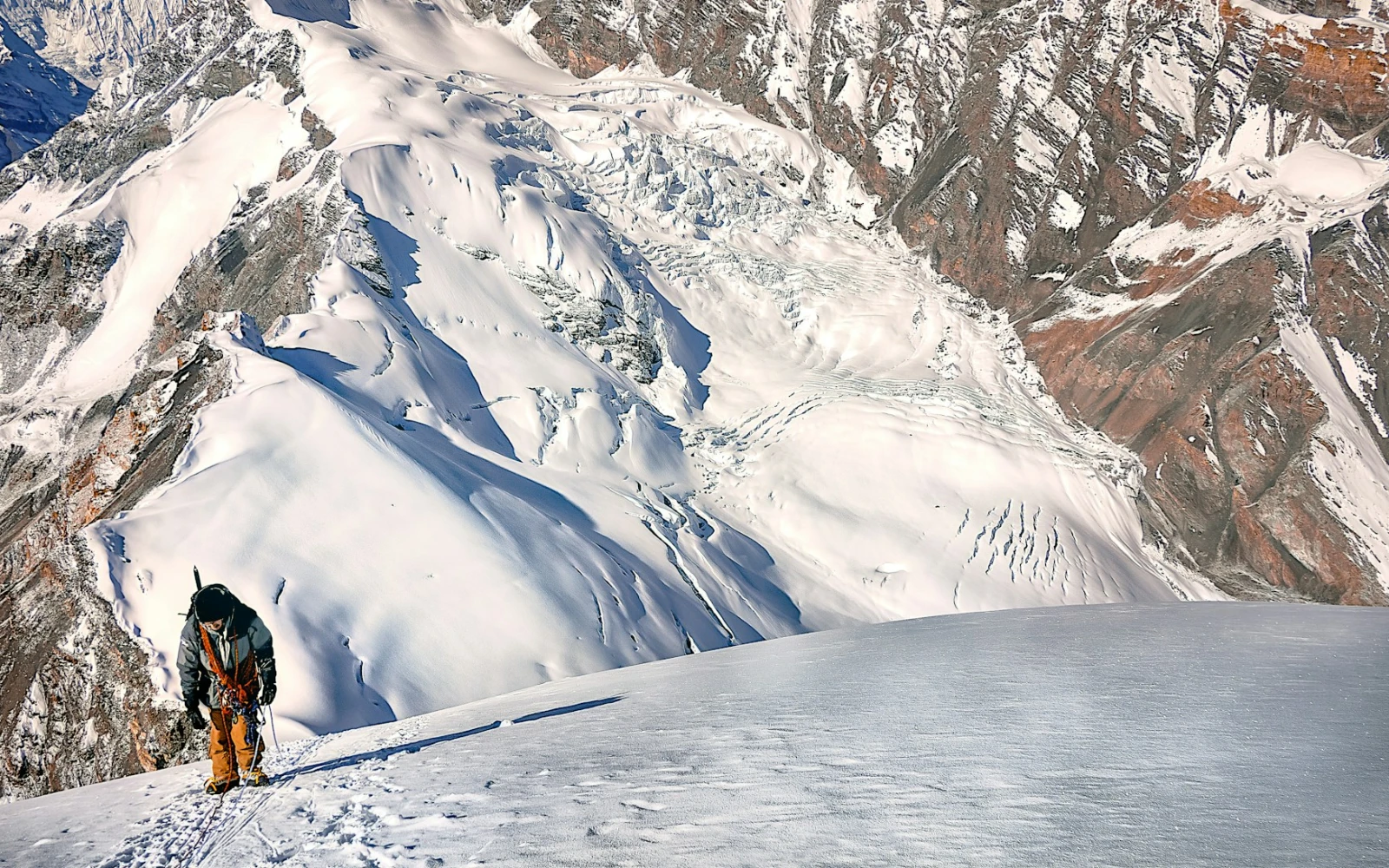
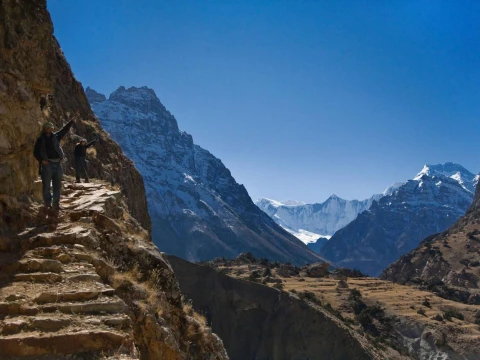
The Upper Mustang to Nar Phu Valley via Saribung Peak expedition is a rare trans-Himalayan journey that connects two of Nepal’s most restricted and culturally preserved regions—Upper Mustang and Nar Phu Valley—through the challenging high-altitude pass and summit of Saribung Peak (6,328 m). Organised by Mountain of Nepal, this expedition blends cultural exploration, remote trekking, and technical alpine climbing into one continuous adventure across the rain-shadow region of the Himalayas.The journey begins in Kathmandu with expedition preparation and permit formalities, followed by a long drive through Pokhara to reach Kagbeni and onward into the barren landscapes of Upper Mustang. From ancient walled cities like Lo Manthang to high alpine valleys near Damodar Kunda, the route gradually ascends into extreme altitude terrain before reaching Saribung Base Camp and the summit push. After the peak, the route descends into Nar Phu Valley, exiting near Koto.This expedition is both physically demanding and culturally enriching, offering rare access to Tibetan-influenced villages, high desert plateaus, glacial basins, and untouched Himalayan wilderness. The 24-day itinerary is carefully designed for acclimatisation and safety while maintaining a strong exploratory spirit.Crossing two restricted regions in one expeditionSummit of Saribung Peak (6,328 m)Cultural immersion in Upper Mustang and Nar PhuRemote camping in high-altitude wildernessOperated by Mountain of Nepal with expert guidesBest Season for Upper Mustang to Nar Phu Valley via Saribung ClimbThe best time to attempt the Upper Mustang to Nar Phu Valley via Saribung Peak expedition is during the pre-monsoon (spring) and post-monsoon (autumn) seasons. These windows offer the most stable weather conditions, clear skies, and safer glacier conditions for high-altitude climbing.The spring season (April to June) is ideal for climbing Saribung Peak. During this period, temperatures are moderate at lower elevations, and the high Himalayan weather is relatively stable. Snow conditions are generally predictable, making glacier travel safer. This is also a period when the high passes between Upper Mustang and Nar Phu Valley are more accessible.Autumn season (September to November) is equally popular, especially for trekkers who prefer crystal-clear mountain views after the monsoon. Visibility is excellent, and the landscapes of Upper Mustang appear more vibrant after seasonal rains. However, nights at higher camps like Saribung Base Camp and High Camp can be significantly colder.Seasonal considerations:Spring: Stable snow conditions, warmer temperaturesAutumn: Best visibility, dry trails, colder nightsWinter: Extremely harsh, not recommendedMonsoon: Risk of landslides in lower regionsThe expedition avoids deep winter due to heavy snowfall and summer monsoon due to trail instability in the lower valleys. Mountain of Nepal schedules departures strategically in these optimal seasons to maximise safety and summit success rates.Upper Mustang to Nar Phu Valley via Saribung Climb: Difficulty and TransportationThis expedition is considered very challenging to extreme difficulty, combining long-distance trekking, high-altitude acclimatisation, and technical glacier climbing. The ascent of Saribung Peak (6,328 m) requires basic mountaineering skills such as rope handling, crampon use, and ice axe techniques.The route involves continuous elevation gain from Kagbeni (2,800 m) through Ghiling, Lo Manthang, and onward to remote wilderness zones like Damodar Kunda before reaching Base Camp (5,200 m). The summit push from High Camp (5,600 m) involves 10–11 hours of climbing and descent, making it physically and mentally demanding.Transportation is a mix of long overland drives and trekking:Kathmandu to Pokhara: paved highway travelPokhara to Kagbeni: rough mountainous roadsMustang road section: off-road 4WD jeep tracksEntire high-altitude section: fully trekking and camping basedDifficulty factors:Altitude above 6,000 m with thin oxygenLong walking days (6–8 hours average)Remote terrain with no rescue access nearbyGlacier travel and crevasse riskCold nighttime temperatures (-10°C to -25°C at high camps)Key preparation points:Prior trekking experience above 4,000 mPhysical endurance training (cardio + strength)Basic mountaineering skills are recommendedMental resilience for remote isolationMountain of Nepal provides experienced climbing guides, porters, oxygen support, and emergency protocols to ensure safety throughout the journey.Food and Accommodation for Upper Mustang to Nar Phu Valley via Saribung ClimbAccommodation during the expedition varies from hotels in Kathmandu to basic teahouses in lower Mustang and full tented camping in high-altitude wilderness areas. In cities like Kathmandu and Pokhara, travellers stay in comfortable tourist-standard hotels with modern amenities. However, once the journey enters Upper Mustang and higher elevations, accommodation becomes simpler and more traditional.In villages such as Kagbeni, Ghiling, and Lo Manthang, trekkers stay in local lodges or teahouses offering basic rooms with shared bathrooms. As the route progresses beyond Lo Manthang toward Saribung Base Camp and Nar Phu Valley, there are no permanent settlements, so Mountain of Nepal sets up fully equipped camping systems.Food services include:Freshly cooked Nepali meals (dal bhat, vegetables, rice)Pasta, noodles, soups, and Tibetan bread in lodgesHigh-calorie camping meals at high campsTea, coffee, and hydration support at all stagesAt higher altitudes, food is carefully planned to provide sufficient calories for energy expenditure. Cooking is handled by trained expedition cooks who prepare hygienic meals even in extreme conditions.Accommodation types:Hotels: Kathmandu & PokharaTeahouses: Lower Mustang villagesTented camps: Remote trekking & climbing sectionsHigh camp shelters: Fixed alpine tents with insulationMountain of Nepal ensures all logistics, including sleeping tents, dining tents, and kitchen setups, are fully managed to support safety and comfort in remote environments.Upper Mustang to Nar Phu Valley via Saribung Climb PermitsSince this expedition passes through restricted and protected regions, multiple permits are required. Both Upper Mustang and Nar Phu Valley are classified as restricted areas by the Government of Nepal, requiring special documentation and licensed guide support. Additionally, Saribung Peak climbing requires a mountaineering permit issued by the Nepal Mountaineering Association (NMA).Required permits include:Restricted Area Permit for Upper MustangRestricted Area Permit for Nar Phu ValleySaribung Peak Climbing Permit (NMA)Annapurna Conservation Area Permit (ACAP)TIMS (Trekkers Information Management System) cardAll permits must be arranged through a registered trekking agency such as Mountain of Nepal, as independent trekking is not allowed in these regions. The permits also help regulate tourism, preserve local culture, and ensure environmental protection in fragile Himalayan ecosystems.Important regulations:Minimum two trekkers required for restricted area entryMandatory licensed guide accompanimentFixed entry and exit checkpointsStrict adherence to approved trekking routesThe permit system ensures safety and controlled access to these remote regions while supporting sustainable tourism and local communities.Why Choose Upper Mustang to Nar Phu Valley via Saribung Climb with Mountain of NepalChoosing the Upper Mustang to Nar Phu Valley via Saribung Peak expedition with Mountain of Nepal ensures a professionally guided, well-supported, and safe Himalayan adventure. This expedition is not just a trek but a full-scale high-altitude mountaineering journey requiring logistics expertise, weather knowledge, and emergency preparedness.Mountain of Nepal specialises in remote Himalayan expeditions and provides experienced climbing guides, Sherpa support, and carefully planned acclimatisation schedules. The company prioritises safety, environmental responsibility, and authentic cultural experiences throughout the journey.Why this expedition stands out:Rare trans-Himalayan route linking Mustang and Nar PhuSummit experience of Saribung Peak (6,328 m)Professionally managed logistics and camping systemExpert climbing and trekking guidesStrong acclimatisation and safety planningAdditional advantages:Full support from arrival to departure in KathmanduEmergency evacuation and communication systemsHigh-quality camping equipment providedCultural immersion in isolated Tibetan-influenced regionsPersonalised expedition management by Mountain of NepalThis expedition is ideal for experienced trekkers and climbers seeking a remote, challenging, and culturally rich Himalayan adventure. With its combination of high-altitude climbing, desert-like landscapes of Upper Mustang, and pristine valleys of Nar Phu, it is considered one of Nepal’s most extraordinary expedition routes.
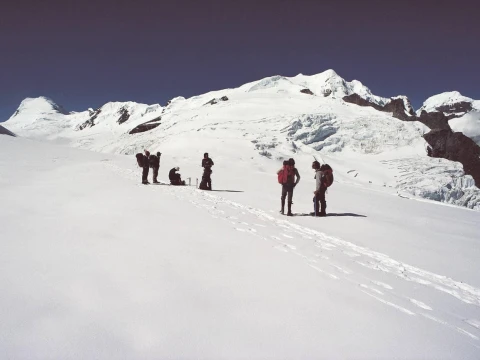
The Mera Peak expedition is a classic Himalayan journey that combines remote trekking, high-altitude acclimatisation, and a non-technical glacier climb to one of Nepal’s highest trekking peaks at 6,476m. The route follows the scenic Hinku Valley, offering a quieter and more wilderness-focused alternative to the Everest region.Your journey begins with a spectacular mountain flight to Lukla (2,800m), followed by several days of trekking through traditional villages, forested ridges, and high passes. The trail gradually descends and ascends through peaceful and less-travelled terrain, passing settlements such as Puiyan, Panggom, and Nashing Dingma before entering the remote Hinku Valley. As you move deeper into the Himalayas, the landscape shifts from lush rhododendron and pine forests to open alpine valleys and glacial terrain. Key stops include Kothe, Thaknak, and Khare (5,000m), where climbers prepare for the summit phase. A dedicated acclimatisation hike and pre-climb training session ensure safe progression into high altitude. From Khare, the route leads onto the glacier via Mera La (5,300m) and up to High Camp (5,800m), where climbers prepare for the summit push. The ascent of Mera Peak involves an early morning glacier climb using crampons and ropes, rewarded with panoramic views of Mount Everest, Makalu, Kanchenjunga, Lhotse, and other Himalayan giants from the summit. After the successful climb, the route retraces back through the Hinku Valley and crosses Zatrwa La Pass (4,600m) before descending to Lukla, completing a full circuit through one of Nepal’s most beautiful and remote mountain regions. This expedition is ideal for trekkers seeking a challenging high-altitude adventure with basic mountaineering experience, combining wilderness trekking, glacier travel, and a rewarding Himalayan summit.Summit Nepal’s highest trekking peak (6,461m)Stunning Himalayan panorama (5 eight-thousanders visible)Remote and less crowded trekking routeGlacier walking and basic mountaineering trainingCultural experience in Sherpa villagesBest Season for Mera Peak ClimbingThe best seasons for Mera Peak Climbing with Mountain of Nepal are spring (March to May) and autumn (September to November). These periods provide the most stable weather conditions, clear skies, and excellent mountain visibility, making the summit attempt safer and more enjoyable. Spring is especially beautiful due to blooming rhododendron forests and slightly warmer temperatures at higher elevations.Autumn, on the other hand, is considered the most popular season because of its post-monsoon clarity. The air is clean, the trails are dry, and the visibility of the Himalayan peaks is at its peak. Winter climbing is possible but extremely cold, especially above Khare and High Camp, while the monsoon season (June to August) is not recommended due to heavy rainfall, slippery trails, and flight disruptions to Lukla.Season highlights:Spring (Mar–May): Blooming forests, stable weather, good acclimatisationAutumn (Sep–Nov): Best visibility, dry trails, safest conditionsWinter (Dec–Feb): Possible but very cold and challengingMonsoon (Jun–Aug): Not recommended due to rain and landslidesChoosing the right season ensures better acclimatisation, safer climbing conditions, and a higher chance of successful summit with the Mountain of Nepal.Mera Peak Climbing Difficulty and TransportationMera Peak is classified as a non-technical trekking peak, but it should not be underestimated. The main challenge is altitude rather than technical climbing skills. Climbers must be prepared for long trekking days, glacier walking, and extreme cold at higher camps. The summit day involves early morning ascent, use of crampons, ropes, and basic ice axe techniques, which are taught during acclimatisation at Khare by the climbing guides of Mountain of Nepal.The trek requires good physical fitness, stamina, and mental endurance. Altitude sickness is a real risk as the route climbs above 5,000m before reaching High Camp at 5,780m. Proper acclimatisation days, hydration, and a slow ascent are essential for success. The climb is considered moderate to challenging, depending on weather and individual fitness.Transportation begins with a scenic flight from Kathmandu to Lukla, one of the most thrilling air routes in the world. From Lukla, the journey continues on foot through remote valleys. Return is also via Lukla flight back to Kathmandu.Difficulty & transport summary:Difficulty level: Moderate to challenging (non-technical summit)Maximum altitude: 6,461mRequires crampons, rope handling basicsFlight: Kathmandu → Lukla → KathmanduTrekking: 12–14 days walkingRemote terrain with limited rescue accessFood and Accommodation for Mera Peak ClimbingDuring the Mera Peak expedition with Mountain of Nepal, food and accommodation are provided in a combination of teahouses and tented camps, depending on altitude. In lower regions such as Paiya, Panggom, and Kothe, trekkers stay in local teahouses that offer basic but comfortable lodging with twin-sharing rooms and warm blankets. As altitude increases, especially beyond Khare, accommodation becomes more basic and often involves shared lodges or camping setups.Meals are provided three times a day (breakfast, lunch, and dinner). The food is designed to be high-energy and nutritious, helping trekkers maintain strength at high altitude. Common meals include rice, lentils (dal bhat), noodles, pasta, potatoes, soups, eggs, and seasonal vegetables. Hot drinks like tea, coffee, and ginger lemon honey are widely available and essential for hydration and warmth.At High Camp, climbers stay in tented accommodation arranged by the expedition team. Here, food is prepared by the support crew in extreme conditions. Clean drinking water is treated or boiled throughout the journey.Food & accommodation highlights:Teahouse lodging in lower trekking regionsBasic lodges or tents at a higher altitudeThree meals daily provided by the expedition teamHigh-energy meals for climbing strengthHot drinks available throughout the trekMera Peak Climbing PermitsTo climb Mera Peak legally, several permits are required, all of which are fully managed by Mountain of Nepal as part of the package. These permits ensure safety, conservation, and regulated access to the Khumbu and Makalu-Barun regions.The main permits include the Mera Peak Climbing Permit, issued by the Nepal Mountaineering Association (NMA), and the Makalu Barun National Park Entry Permit, as much of the trek passes through protected areas. Additionally, a Lukla–Hinku Valley local entry permit or municipality tax may be required, depending on the route variation.These permits are essential and checked at various checkpoints along the trail. Without proper documentation, entry into the region is not allowed. The climbing permit fee varies depending on the season, with spring being the most expensive due to peak demand.Required permits:Nepal Mountaineering Association (NMA) Mera Peak PermitMakalu Barun National Park Entry PermitLocal municipality / trekking region feesTIMS card (Trekkers’ Information Management System)All permits are arranged in advance by Mountain of Nepal, ensuring a hassle-free trekking experience.Why Choose Mera Peak Climbing with Mountain of NepalChoosing Mountain of Nepal for Mera Peak Climbing ensures a safe, well-organised, and professionally guided Himalayan expedition. The company provides experienced certified climbing guides, proper acclimatisation schedules, and strong logistical support from arrival in Kathmandu to summit and return. Safety is the top priority, especially in high-altitude environments where weather and health conditions can change rapidly.Another key advantage is personalised service. The itinerary is carefully designed with enough acclimatisation days, including training at Khare before the summit push. This increases success rates significantly. The company also ensures quality equipment support, emergency backup plans, and communication systems for remote trekking regions.Additionally, climbers benefit from cultural immersion, scenic trekking routes, and less crowded trails compared to Everest Base Camp. The combination of adventure, safety, and professional guidance makes this expedition ideal for aspiring climbers seeking their first Himalayan summit experience.Why choose us:Experienced Sherpa climbing guidesFull safety and acclimatisation planningAll permits and logistics handledHigh summit success ratePersonalised service by Mountain of NepalEmergency support and evacuation coordinationAuthentic Himalayan cultural experience
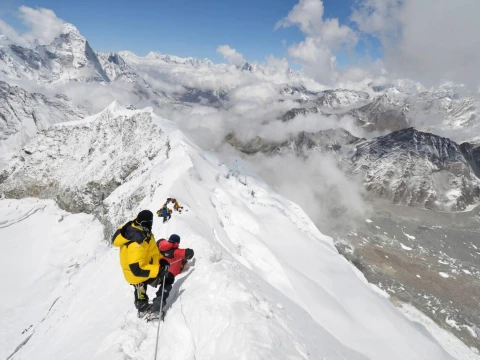
The Island Peak Climbing Expedition via Ama Dablam Base Camp is one of the most popular and rewarding 6,000m trekking peak climbs in Nepal. Located in the Everest (Khumbu) region, this expedition combines Everest Base Camp trekking trails, Amadablam Base Camp, glacier climbing, technical mountaineering, and high-altitude summit experience into one complete Himalayan adventure. This expedition is ideal for trekkers who want to move beyond trekking and experience a real Himalayan summit above 6,000 meters.Expedition OverviewThe journey begins with a scenic flight to Lukla, followed by trekking through iconic Sherpa villages like Namche Bazaar and Pangboche. The route continues toward Ama Dablam Base Camp (4,575m) for enhanced acclimatization before heading into the Chhukung Valley. After proper acclimatization and technical training, climbers attempt the summit of Island Peak (6,189m / 20,305ft) via glacier terrain, fixed ropes, and a steep ice headwall.Why Choose Island Peak Climbing in the Everest Region?The Island Peak Climbing Expedition in Nepal is considered the best entry-level Himalayan mountaineering peak (6,000m class). It is challenging but achievable with proper fitness and preparation.Advantages of This Route:Includes Ama Dablam Base Camp for superior acclimatizationCombines trekking + glacier travel + technical climbingIdeal preparation for 7,000m and 8,000m expeditionsHigh summit success rate with guided supportOne of the most scenic climbing routes in the Everest regionTechnical Difficulty of Island Peak (6,189m)Island Peak is classified as a moderate to challenging trekking peak in Nepal. It involves:Glacier travel with crevassesFixed rope climbingSteep snow/ice headwall (50–65°)High-altitude conditions above 6,000 metersPrevious trekking experience is required, but no advanced climbing experience is mandatory due to guided support and training.Who This Island Peak Expedition is ForThis Everest region climbing expedition is suitable for:Experienced trekkers seeking a 6,000m summitBeginners transitioning into mountaineeringAdventure travelers looking for technical Himalayan climbsPhysically fit individuals with a Mountainsstrong endurance mindsetClimbers preparing for higher Himalayan peaks (7,000m–8,000m)Best Time for Island Peak Climbing in NepalThe best seasons for Island Peak climbing in the Everest region are:Spring (March–May) – stable weather, best summit conditionsAutumn (September–November) – clear skies, ideal visibilityComplete Himalayan ExperienceThis expedition offers more than just a summit. From the cultural trails of the Everest region to the icy slopes of Island Peak and the dramatic landscapes of Ama Dablam Base Camp, this is a complete Himalayan climbing experience in Nepal, combining:Trekking in the Everest regionHigh-altitude acclimatizationGlacier and rope trainingTechnical summit climbBest Season for Island Peak ClimbingThe best seasons for Island Peak Climbing with Mountain of Nepal are the pre-monsoon (spring) and post-monsoon (autumn) periods. These months offer stable weather conditions, clear skies, and safer climbing routes, which are essential for high-altitude expeditions.The spring season (March to May) is the most popular time for Island Peak climbing. During this period, the weather is relatively warm, rhododendrons bloom along the trail, and visibility is excellent. Similarly, autumn (September to November) provides crisp mountain views after the monsoon, with dry conditions and stable temperatures ideal for trekking and summit attempts.Winter and monsoon seasons are generally avoided due to heavy snowfall, unstable ice conditions, and poor visibility, which increase the difficulty and risk of the climb.Best Season Summary:Spring (March–May): Best overall climbing conditionsAutumn (September–November): Clear skies and stable weatherWinter (Dec–Feb): Very cold, limited accessibilityMonsoon (June–Aug): Wet, slippery, and risky trailsChoosing the right season ensures a safer, more enjoyable, and successful summit experience with Mountain of Nepal.Island Peak Climbing Difficulty and TransportationIsland Peak Climbing is considered a moderate to difficult trekking peak, suitable for trekkers with good fitness and basic mountaineering interest. While prior climbing experience is not mandatory, participants should be prepared for long trekking days, high altitude conditions, and technical climbing sections involving ropes and ice axes.The most challenging part of the climb is the summit push, which includes a steep 45–50 degree ice headwall and glacier crossing. Proper acclimatization, physical endurance, and mental preparation are essential for success.Transportation is an important part of the journey. The expedition begins with a scenic flight from Kathmandu to Lukla, one of the world’s most famous and adventurous airports. From Lukla onward, all travel is on foot through the Everest region trekking routes. After completing the climb, the return follows the same route back to Lukla and then a flight back to Kathmandu.Difficulty & Transport Points:Moderate–difficult alpine climb (6,189 m)Requires basic rope and ice skillsThe summit involves a steep glacier ascentFlight: Kathmandu → Lukla → KathmanduTrekking supported by porters and guidesWeather-dependent flight schedulesMountain of Nepal ensure trained climbing guides and safety equipment for a secure ascent.Food and Accommodation for Island Peak ClimbingFood and accommodation during the Island Peak expedition organized by Mountain of Nepal are based on traditional teahouse trekking and camping in higher elevations. In lower regions like Namche Bazaar and Dingboche, trekkers stay in comfortable teahouses with basic private or shared rooms. As altitude increases toward Island Peak Base Camp, camping becomes necessary.Meals are provided in teahouses and camping kitchens, offering a variety of Nepali and international dishes. Common meals include dal bhat (rice and lentils), noodles, pasta, soups, bread, and potatoes. At higher altitudes, food becomes simpler but energy-rich to support physical demands.Hydration is extremely important, and trekkers are encouraged to drink warm fluids regularly to prevent altitude sickness.Accommodation & Food Summary:Teahouse accommodation (lower regions)Camping at Island Peak Base CampFresh, cooked meals provided dailyHigh-energy food for summit pushHot drinks: tea, coffee, soupsHygienic but basic mountain facilitiesMountain of Nepal ensures clean food preparation and safe accommodation arrangements throughout the journey.Island Peak Climbing PermitsTo climb Island Peak legally, several permits are required, all arranged by Mountain of Nepal as part of the expedition package. These permits ensure environmental protection and regulated access to the Everest region.The main permits include the Sagarmatha National Park Entry Permit and the Khumbu Pasang Lhamu Rural Municipality Permit. Additionally, a special Island Peak climbing permit issued by the Nepal Mountaineering Association (NMA) is mandatory. These permits vary in cost depending on the season and are essential for all climbers.Without proper permits, entry into restricted trekking and climbing zones is not allowed, making official arrangements necessary before starting the journey.Permit Requirements:Sagarmatha National Park Entry PermitKhumbu Rural Municipality PermitIsland Peak Climbing Permit (NMA)Passport and visa copies requiredAll permits arranged by Mountain of NepalSeasonal permit fee variationProper documentation ensures a smooth, legal, and hassle-free expedition experience.Why Choose Island Peak Climbing with Mountain of NepalChoosing Island Peak Climbing with Mountain of Nepal guarantees a professionally guided, safe, and well-organized Himalayan adventure. The company provides experienced Sherpa guides, high-quality climbing equipment, and carefully designed itineraries that prioritize acclimatization and safety.The 18-day itinerary combines the Everest Base Camp trek with Island Peak ascent, offering both cultural immersion and technical mountaineering experience. This makes it one of the most rewarding beginner-to-intermediate climbing expeditions in Nepal.Mountain of Nepal focuses on personalized service, safety protocols, and responsible tourism practices, ensuring climbers enjoy the Himalayas while respecting local culture and environment.Why Choose Us:Experienced certified Sherpa guidesFull climbing gear and safety supportWell-planned acclimatization scheduleBalanced trekking + climbing itineraryHigh success and safety rateEthical and responsible tourism approachIsland Peak with Mountain of Nepal is not just a climb; it is a complete Himalayan journey combining adventure, culture, and achievement.
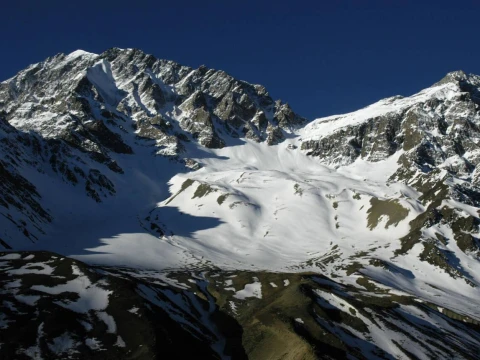
Pisang Peak Climbing (6,091m) is one of the most popular trekking peaks in the Annapurna region of Nepal, offering a perfect combination of trekking adventure and basic mountaineering experience. Organised by Mountain of Nepal, this expedition follows the classic Annapurna Circuit trail before heading toward the technical ascent of Pisang Peak. The journey begins in Kathmandu and gradually enters the remote Himalayan landscapes, passing through villages like Jagat, Dharapani, Chame, and Upper Pisang before reaching the climbing section. The route provides stunning views of Annapurna II, III, IV, Gangapurna, and Tilicho Peak.The climb itself is considered moderately technical, making it ideal for trekkers who want to step into alpine climbing without extreme mountaineering difficulty. The ascent involves glacier travel, rope fixing, ice axe use, and crampons during summit day. The peak rises above the Manang Valley, offering a spectacular 360-degree Himalayan panorama. The itinerary designed by Mountain of Nepal ensures proper acclimatisation, safety, and gradual altitude gain, which is essential for a successful summit.6,091m trekking peak in the Annapurna regionCombination of Annapurna Circuit trek + climbingStunning Himalayan viewsIdeal for beginner climbers with fitnessGuided expedition by Mountain of NepalBest Season for Pisang Peak ClimbingThe best seasons for Pisang Peak Climbing are spring (March–May) and autumn (September–November). These periods offer the most stable weather conditions, clear skies, and excellent mountain visibility. Spring is especially beautiful due to blooming rhododendrons, while autumn provides crisp air and the clearest Himalayan views. The Mountain of Nepal strongly recommends these seasons for both safety and summit success.During spring, temperatures are moderate at lower elevations but cold at higher camps. Snow conditions are generally stable, making the climb more manageable. Autumn is considered the most popular season because of minimal rainfall, dry trails, and predictable weather patterns. Winter climbs are possible but extremely cold and require advanced mountaineering experience. Monsoon season (June–August) is not recommended due to heavy rainfall, landslides, and poor visibility.Proper seasonal planning significantly increases summit success rates. Mountain of Nepal ensures all expeditions are scheduled according to weather forecasts, route conditions, and safety requirements.Key Points:Best seasons: Spring & AutumnSpring: Flowers, stable snow, moderate temperatureAutumn: Clear skies, best visibility, dry trailsWinter: Very cold, technical difficulty increasesMonsoon: Not recommended due to riskPisang Peak Climbing Difficulty and TransportationPisang Peak Climbing is classified as a moderate to moderately difficult trekking peak. While the trekking portion is not highly technical, the final summit push requires mountaineering skills such as rope handling, ice axe usage, and crampon walking. The steep snow slopes and altitude above 6,000m make acclimatisation essential. Mountain of Nepal provides experienced climbing guides who ensure safety training before the summit attempt.Transportation begins with arrival in Kathmandu, followed by a long drive to Jagat via private jeep or local transport. From Jagat onward, the journey continues on foot through trekking trails. After completing the climb and descending via Muktinath and Jomsom, a short scenic flight takes trekkers to Pokhara, followed by a drive back to Kathmandu. This combination of road, trekking, and flight makes the journey both adventurous and diverse.Altitude is the main challenge, along with cold temperatures and unpredictable weather near the summit. However, with proper pacing, acclimatisation, and guidance from Mountain of Nepal, climbers with good fitness levels can complete the expedition.Key Points:Difficulty: Moderate to moderately technicalRequires basic mountaineering skillsSummit involves snow/ice climbingTransportation: Jeep, trekking, and domestic flightMajor challenge: high altitude (6,091m)Food and Accommodation for Pisang Peak ClimbingFood and accommodation during Pisang Peak Climbing are arranged in teahouses along the trekking route and tented camps during climbing sections. Mountain of Nepal ensures hygienic meals, safe lodging, and proper camping equipment at base and high camps. Lower regions such as Jagat, Chame, and Manang offer comfortable teahouses with basic rooms, warm blankets, and shared bathrooms.Meals typically include traditional Nepali food such as dal bhat (rice and lentils), along with pasta, noodles, soups, potatoes, eggs, and bread items. As altitude increases, food variety decreases due to remoteness, but high-energy meals are prioritised. At base camp and high camp, professional cooks prepare nutritious meals suitable for climbers’ energy needs.Accommodation becomes more basic as altitude increases. While teahouses provide shelter in lower areas, climbers stay in expedition tents at higher camps. Mountain of Nepal provides high-quality camping gear, including sleeping bags, mattresses, and kitchen tents for comfort and safety.Key Points:Teahouse accommodation on the trekking routeTented camping at base and high campsMeals: Nepali, continental, high-energy foodsHygienic cooking by trained staffSupplies managed by Mountain of NepalPisang Peak Climbing PermitsClimbing Pisang Peak requires several official permits issued by the Government of Nepal. Mountain of Nepal manages all permit arrangements to ensure a smooth expedition process. The primary permits include the Annapurna Conservation Area Permit (ACAP), Trekkers’ Information Management System (TIMS) card, and Pisang Peak Climbing Permit issued by the Nepal Mountaineering Association (NMA).The cost of the climbing permit varies depending on the season (spring being the most expensive and winter the cheapest). All permits are mandatory and checked at various checkpoints along the route. Without proper documentation, entry into the conservation area and climbing zones is not allowed. Mountain of Nepal handles all paperwork, ensuring trekkers do not face administrative difficulties during the expedition.Proper permit management ensures environmental protection, safety regulation, and support for local communities in the Annapurna region. Fees collected contribute to conservation efforts and sustainable tourism development.Key Points:ACAP permit requiredTIMS card mandatoryPisang Peak climbing permit (NMA) requiredSeasonal permit cost variationHandled fully by Mountain of NepalWhy Choose Pisang Peak Climbing with Mountain of NepalChoosing Pisang Peak Climbing with Mountain of Nepal ensures a safe, well-organised, and professionally guided Himalayan expedition. The company provides experienced climbing guides, proper acclimatisation schedules, high-quality camping equipment, and personalised support throughout the journey. Their itinerary is carefully designed to maximise summit success while minimising altitude risks.One of the main advantages is the combination of trekking and climbing experience. Participants not only summit Pisang Peak but also complete part of the famous Annapurna Circuit, making the journey more rewarding. Mountain of Nepal emphasises safety, gradual ascent, and proper training before summit day. Emergency support, oxygen backup (if needed), and first-aid assistance are always available.Additionally, the company focuses on small group sizes, which ensures better attention and flexibility. Ethical tourism practices, local support, and environmental responsibility are also key values. This makes the expedition not just a climb but a meaningful Himalayan adventure.Key Points:Experienced local climbing guidesSafety-focused itinerary with acclimatisationHigh-quality gear and logistics supportSmall group personalised serviceA combination of trekking + peak climbing experience
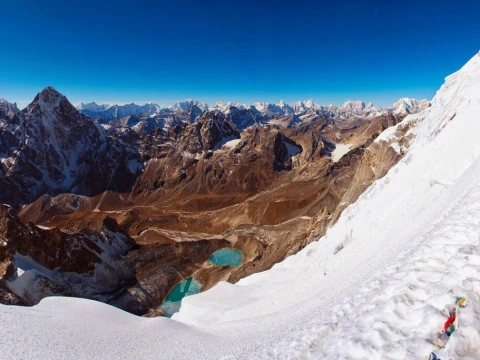
Lobuche Peak Climbing is one of the most popular trekking peaks in the Everest region, offering a perfect blend of trekking adventure and alpine mountaineering experience. Located near the Khumbu Glacier, Lobuche Peak (6,119 m) provides breathtaking panoramic views of Everest, Lhotse, Nuptse, Ama Dablam, and surrounding Himalayan giants. The climb is often combined with the Everest Base Camp (EBC) trek, making it a complete Himalayan expedition for adventure lovers seeking both trekking and technical climbing exposure.This itinerary from Mountain of Nepal is carefully designed to ensure gradual altitude gain, proper acclimatization, and maximum safety. Starting from Lukla, the route passes through iconic Sherpa villages such as Namche Bazaar, Tengboche, and Dingboche before reaching Lobuche High Camp. The final summit push involves glacier travel and the use of basic mountaineering equipment like crampons, ropes, and ice axes.Lobuche Peak is classified as a trekking peak, but it still requires strong physical fitness and basic climbing skills. The experience is not only about reaching the summit but also about exploring the heart of the Khumbu region and experiencing Sherpa culture, Buddhist monasteries, and high-altitude landscapes.Summit height: 6,119 metersCombined with the Everest Base Camp trekStunning views of the Everest rangeRequires basic climbing equipmentOrganized by Mountain of NepalBest Season for Lobuche Peak ClimbingThe best time for Lobuche Peak Climbing is during the pre-monsoon (spring) and post-monsoon (autumn) seasons. These periods provide the most stable weather conditions, clear skies, and safe climbing windows, which are crucial for both trekking and summit success.Spring (March to May) is considered the most favorable season. During this time, the weather is relatively warm, rhododendrons bloom along the trails, and visibility is excellent. Climbers can enjoy vibrant landscapes along with stable climbing conditions on the ice and snow slopes of Lobuche Peak.Autumn (September to November) is another ideal season. After the monsoon, the air becomes crystal clear, offering outstanding mountain views. The temperatures are cooler, but the weather is generally stable, making it perfect for high-altitude climbing and trekking. Winter and monsoon seasons are generally avoided due to heavy snowfall, extreme cold, and unstable weather conditions.Key Highlights:Best seasons: Spring & AutumnClear skies and stable weatherIdeal for photography and mountain viewsSafe climbing conditionsRecommended by Mountain of NepalLobuche Peak Climbing Difficulty and TransportationLobuche Peak Climbing is classified as a moderately difficult trekking peak, but it becomes challenging due to altitude, glacier walking, and steep summit sections. The climb requires good physical fitness, prior trekking experience, and basic knowledge of using climbing equipment. The final summit push involves a steep, icy ridge where fixed ropes are used for safety.The trek begins with a scenic flight from Kathmandu to Lukla, one of the world’s most thrilling airports. From Lukla, the journey continues on foot through the Everest trail. Transportation is mainly by trekking, as there are no road networks in this region. The return flight from Lukla back to Kathmandu completes the journey.Although the technical difficulty is not extreme, altitude sickness is a major concern. Proper acclimatization days in Namche Bazaar and Dingboche are included in the itinerary by Mountain of Nepal to reduce risks and ensure safety.Key Highlights:Moderate to challenging trekking peakRequires basic mountaineering skillsFlight: Kathmandu–Lukla–KathmanduGlacier and rope climbing sectionsHigh-altitude acclimatization essentialFood and Accommodation for Lobuche Peak ClimbingFood and accommodation during the Lobuche Peak Climbing are provided in local teahouses and lodges along the Everest Base Camp trail. These accommodations are simple but comfortable, offering warm hospitality from the Sherpa community. Rooms are usually twin-sharing with basic bedding facilities.Meals are freshly prepared and include a variety of options such as Nepali dal bhat (rice and lentils), noodles, pasta, soups, potatoes, eggs, and tea/coffee. As altitude increases, food variety becomes limited due to transportation difficulties, but calories and nutrition remain sufficient for trekkers and climbers.At higher elevations like Lobuche High Camp, camping may be required, depending on the itinerary arranged by Mountain of Nepal. In such cases, professional guides and support staff manage tents, cooking, and logistics.Key Highlights:Teahouse accommodation during trekCamping at High Camp (if required)Fresh, high-energy meals providedLimited but nutritious food at high altitudeManaged logistics by Mountain of NepalLobuche Peak Climbing PermitsClimbing Lobuche Peak requires several official permits issued by the Nepal government and local authorities. These permits ensure environmental protection, safety regulation, and proper management of trekking peaks in the Everest region.The main permits include the Sagarmatha National Park Permit, Khumbu Pasang Lhamu Rural Municipality Permit, and the Lobuche Peak Climbing Permit issued by the Nepal Mountaineering Association (NMA). Each permit has specific fees depending on the season and nationality of climbers.Mountain of Nepal handles all permit arrangements for climbers, ensuring a smooth and hassle-free experience. Travelers do not need to worry about documentation as everything is managed before or upon arrival in Kathmandu.Key Highlights:Sagarmatha National Park entry permitKhumbu local area permitNMA Lobuche Peak climbing permitPermit handling by Mountain of NepalMandatory for legal climbingWhy Choose Lobuche Peak ClimbingLobuche Peak Climbing is an ideal choice for trekkers who want to transition into mountaineering while experiencing the legendary Everest region. It offers a perfect combination of trekking adventure, cultural immersion, and real climbing experience without requiring advanced technical skills.Choosing Mountain of Nepal ensures a safe, professional, and well-organized expedition. The company provides experienced climbing guides, proper acclimatization planning, quality logistics, and personalized support throughout the journey. Safety is always prioritized, especially during high-altitude sections and summit attempts.This climb is also an excellent preparation for higher expeditions in Nepal. Many climbers use Lobuche Peak as a stepping stone for Everest or other 7,000–8,000 m peaks.Key Highlights:Perfect introduction to Himalayan climbingExpert guides from Mountain of NepalStrong focus on safety and acclimatizationCultural and scenic Everest experienceIdeal preparation for future expeditions
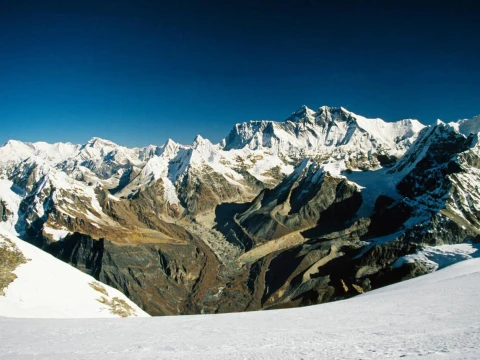
This is a true high-altitude Himalayan expedition, linking two iconic peaks—Mera Peak (6,461m) and Island Peak (6,189m)—through the legendary Amphu Lapcha Pass (5,845m), one of the most challenging crossings in Nepal. The journey pushes deep into the remote Hinku and Hongu valleys, far from the usual trekking routes, where the landscape becomes increasingly wild, glaciated, and demanding. Days are marked by glacier travel, steep ascents, and technical sections that test endurance, skill, and determination at extreme altitude. Along the way, the route opens beneath a dramatic skyline of Himalayan giants, with unforgettable views of Everest, Lhotse, Makalu, Cho Oyu, and Kanchenjunga rising above the horizon. The expedition ends with the demanding crossing of Amphu Lapcha Pass—a high, exposed, and technical gateway between the Imja and Hongu valleys—marking one of the defining challenges of the entire journey.
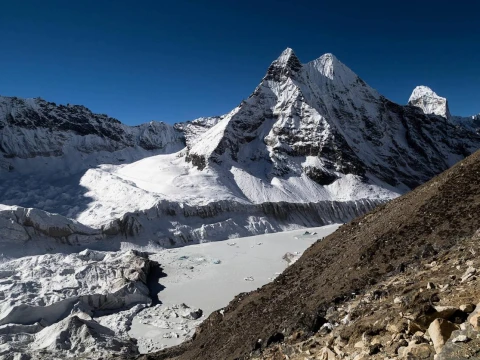
This extended Himalayan expedition is designed for experienced trekkers and climbers seeking a complete high-altitude adventure, combining the ascent of two iconic Himalayan peaks—Mera Peak (6,476m) and Island Peak (6,189m)—along with high mountain passes, including the remote Hinku Valley, the technical Amphu Laptsa Pass (5,800m), and Kongma La Pass (5,535m), as well as a full Everest Base Camp journey including Kala Patthar. The journey begins with a scenic mountain flight to Lukla. From here, the route leaves the main Everest Base Camp trail and enters a quieter, more remote path toward the Hinku Valley via Zatrwa La Pass, gradually building acclimatization as you move through forested valleys and into high alpine terrain. The expedition continues through Kothe, Thaknak, and Khare, where climbers undergo technical training before ascending Mera Peak. The climb involves glacier travel, rope techniques, and a steady high-altitude ascent, rewarded with panoramic views of Mount Everest, Makalu, Lhotse, and Cho Oyu from the summit. After descending into the upper Hinku Valley, the route pushes deeper into remote expedition terrain toward Amphu Laptsa Base Camp. The crossing of Amphu Laptsa Pass is one of the most challenging sections of the journey, involving steep snow, ice, and fixed rope sections before descending into the Imja Valley and rejoining the Everest region at Chhukung. The second climbing objective, Island Peak, follows after rest and preparation at base camp. The ascent includes glacier travel, crevasse navigation, and a steep ice headwall using fixed ropes, leading to a narrow summit ridge with outstanding views of Lhotse and Ama Dablam. Following the climb, the journey continues across Kongma La Pass into the Khumbu Valley, linking with the classic Everest Base Camp route. Highlights include a visit to Everest Base Camp, sunrise views from Kala Patthar, and trekking through iconic Sherpa villages such as Namche Bazaar and Tengboche. The expedition concludes with a return trek to Lukla and a flight back to Kathmandu. Built-in contingency and reserve days ensure flexibility for weather, altitude, and flight conditions, making this a well-balanced and safe high-altitude expedition. This journey combines remote wilderness trekking, technical climbing, high mountain passes, and the cultural richness of the Everest region—offering one of the most complete and rewarding Himalayan experiences.
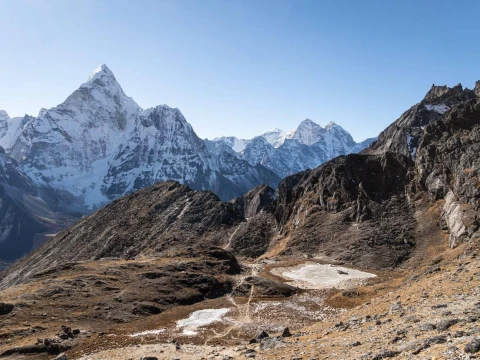
The Ultimate Himalayan Challenge for Serious AdventurersA true high-altitude expedition across two of Nepal’s greatest mountain regions—Makalu-Barun and Everest (Khumbu)—this journey combines three 6,000m+ peak climbs, technical glacier crossings, and three legendary high passes of the Everest region.From remote wilderness valleys to icy summit ridges, this is not just a trek—it is a full-scale Himalayan mountaineering expedition.The journey combines:Three 6,000m+ summit climbsTechnical crossing of Amphu Laptsa Pass (5,845m)Three iconic Everest high passes: Cho La, Kongma La & Renjo LaRemote wilderness camping in Baruntse & Upper Hinku ValleyGlacier travel, rope climbing, and alpine expedition terrainClassic Everest Base Camp and Gokyo Valley landscapeDesigned for experienced trekkers and aspiring mountaineers, this expedition delivers a rare progression journey—from trekking routes to technical Himalayan climbing.With expert mountain guides, fixed rope systems, and carefully structured acclimatization, the route combines endurance, adventure, and real high-altitude expedition experience in one continuous journey.
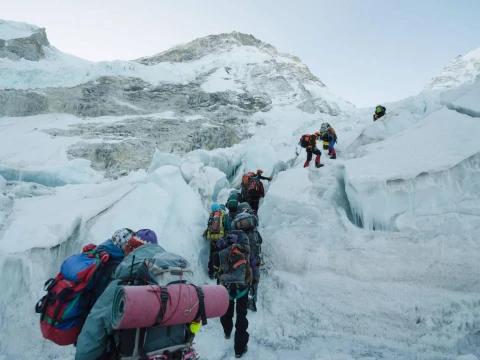
The Everest Expedition organized by Mountain of Nepal is a comprehensive, high-altitude mountaineering journey designed for experienced climbers aiming to reach the summit of the world’s highest peak, Mount Everest (8,848.86m). The expedition begins with cultural immersion in Kathmandu, followed by a scenic flight to Lukla and a gradual trekking route through iconic Sherpa villages such as Namche Bazaar, Tengboche, and Dingboche. This itinerary includes carefully planned acclimatization days, ensuring climbers adapt safely to increasing altitude before entering the Khumbu Icefall and higher camps.Unlike standard treks to Everest Base Camp, this expedition continues beyond Base Camp into the technical climbing phase, including Camp I, Camp II, Camp III, and Camp IV before the final summit push. The journey demands physical endurance, mental strength, and proper preparation, all of which are supported by Mountain of Nepal’s professional climbing guides and Sherpa team. Their expertise ensures safety, logistics coordination, and high-altitude support throughout the expedition.Guided expedition to Mount Everest summit (8,848m)Full logistics support from Kathmandu to Base Camp and beyondExperienced Sherpa guides and climbing support teamAcclimatization-focused itineraryEmergency rescue and safety protocolsThe expedition is not just a climb but a life-changing adventure that combines endurance, teamwork, and achievement at the highest level of mountaineering.Best Season for Everest ExpeditionChoosing the right season is critical for a successful Everest Expedition. Mountain of Nepal strongly recommends two main climbing windows: pre-monsoon (spring) and post-monsoon (autumn). The most popular and stable season is spring (April to May), when weather conditions are relatively predictable, temperatures are manageable, and the jet stream shifts above the summit, allowing safer ascent opportunities.During this season, climbers benefit from longer daylight hours, clearer skies, and better ice conditions for establishing higher camps. Autumn (September to October) is another viable option, offering stable weather after the monsoon season, although summit attempts are less common compared to spring.Winter and monsoon seasons are generally avoided due to extreme cold, heavy snowfall, avalanches, and unstable weather conditions. Mountain of Nepal carefully plans summit windows based on weather forecasts, wind speeds, and route safety assessments provided by expedition meteorologists.Best Season Highlights:Spring (April–May): Most preferred summit windowAutumn (September–October): Secondary stable seasonClear weather and stable climbing conditionsSafer Icefall and route fixingHigher success rate in the spring seasonTiming the expedition correctly significantly increases the chances of a successful summit while minimizing risks associated with extreme altitude and unpredictable Himalayan weather.Everest Expedition Difficulty and TransportationThe Everest Expedition is considered one of the most challenging mountaineering adventures in the world. It requires advanced climbing skills, prior high-altitude experience, and strong physical conditioning. Climbers face extreme conditions, including low oxygen levels, freezing temperatures, technical ice climbing, and long exposure in the “death zone” above 8,000 meters. Even with preparation, fatigue and altitude sickness remain major challenges.The route includes trekking sections up to Everest Base Camp followed by technical ascents using fixed ropes, ladders across crevasses, and carefully timed summit pushes. Mountains of Nepalese climbers are supported by experienced Sherpa guides who manage route fixing, load carrying, and safety monitoring throughout the climb.Transportation begins with international arrival in Kathmandu, followed by a short but adventurous flight to Lukla—one of the world’s most thrilling airports. From Lukla, the journey continues on foot through the Khumbu region until Base Camp is reached. Helicopter evacuation is available in emergencies, ensuring safety at all stages.Difficulty & Transport Highlights:Extremely great physical and technical difficultyRequires prior trekking/mountaineering experienceFlight from Kathmandu to Lukla (weather dependent)Trekking access to Base CampHelicopter evacuation support in emergenciesThis expedition is not recommended for beginners and demands commitment, preparation, and resilience.Food and Accommodation for Everest ExpeditionFood and accommodation during the Everest Expedition are carefully managed to ensure climbers maintain energy and health at high altitude. Along the trekking route, Mountain of Nepal arranges accommodation in local teahouses, which offer basic but comfortable lodging. Rooms are usually twin-sharing with warm blankets, while higher elevations have more limited facilities due to harsh environmental conditions.At Everest Base Camp and higher camps, expedition-style tented accommodation is provided. These include insulated sleeping tents, dining tents, and kitchen setups managed by experienced support staff. Hygiene and warmth become top priorities as altitude increases.Meals are designed to provide high energy and easy digestion. Common foods include rice, lentils (dal bhat), pasta, noodles, soups, potatoes, and seasonal vegetables. At higher camps, food is specially prepared to meet climbers’ calorie requirements while being easy to cook in low-oxygen environments.Food & Accommodation Highlights:Teahouse lodging during the trekking phaseFully equipped tented camps at Base Camp and aboveHigh-calorie meals for energy and enduranceHot drinks like tea, coffee, and soupsHygienic and managed by the expedition kitchen teamProper nutrition and rest play a vital role in acclimatization and overall summit success.Everest Expedition PermitsClimbing Mount Everest requires multiple official permits issued by the Government of Nepal. Mountain of Nepal manages all necessary documentation and ensures full compliance with national mountaineering regulations. Without these permits, participation in the expedition is not legally possible.The key permits include the Everest Climbing Permit issued by the Department of Tourism, Sagarmatha National Park entry permit, and local area permits, where applicable. Additional requirements may include liaison officer fees and waste management deposits to ensure environmental protection in the Everest region.These permits help regulate climbing traffic, maintain safety standards, and preserve the fragile Himalayan ecosystem. Fees contribute to conservation efforts and support local communities in the Khumbu region.Permit Highlights:Everest Climbing Permit (Government-issued)Sagarmatha National Park Entry PermitLocal municipality/tax permitsLiaison officer requirementEnvironmental waste deposit complianceMountain of Nepal handles all paperwork and logistics, allowing climbers to focus entirely on preparation and the climb itself without administrative stress.Why Choose Everest Expedition with Mountain of NepalChoosing Mountain of Nepal for your Everest Expedition ensures a professionally managed, safety-focused, and well-supported climbing experience. The company is known for its experienced Sherpa guides, structured acclimatization plans, and strong logistical coordination from arrival in Kathmandu to summit and descent.Safety is the top priority, with emergency oxygen systems, satellite communication, weather monitoring, and rescue support integrated into the expedition plan. The company also emphasizes ethical mountaineering practices, including proper waste management and fair treatment of local support staff.Climbers benefit from personalized guidance, high-quality equipment support, and expert route management. Whether it is organizing flights, arranging permits, or coordinating high-altitude camps, Mountain of Nepal ensures a seamless expedition experience.Why Choose Us Highlights:Highly experienced Sherpa and guide teamStrong safety and rescue systemsFull logistics from Kathmandu to the summitEthical and environmentally responsible climbingHigh success rate with a structured acclimatization planWith Mountain of Nepal, the Everest Expedition becomes not just a climb but a professionally guided journey toward achieving one of the world’s greatest mountaineering goals.

The Ama Dablam Expedition (6,856m) is one of the most iconic and technically challenging climbing adventures in the Himalayas, organised professionally by Mountain of Nepal. Known for its striking pyramid-shaped peak, Ama Dablam is often considered one of the most beautiful mountains in the world. The expedition combines trekking through the legendary Everest region with high-altitude mountaineering that demands both physical endurance and technical climbing skills. Climbers experience a gradual ascent through Sherpa villages, alpine forests, and glacial terrain before reaching the advanced base camp and higher camps.This expedition is not just a climb but a complete Himalayan experience. Participants begin their journey in Kathmandu and gradually move through the Khumbu region, following classic trekking routes like Namche Bazaar, Tengboche, and Pangboche before diverting toward Ama Dablam Base Camp. From there, the real mountaineering phase begins, involving fixed rope climbing, steep ice walls, and exposed ridges. Mountain of Nepal ensures proper acclimatisation, safety protocols, and professional guidance throughout the expedition, making it suitable for experienced climbers aiming for a serious Himalayan challenge.Iconic pyramid-shaped peak in the Everest regionTechnical climbing with rope, ice, and rock sectionsA combination of trekking and mountaineeringProfessionally guided by Mountain of NepalCultural immersion in Sherpa villagesBest Season for Ama Dablam ExpeditionThe best time to attempt the Ama Dablam Expedition is during the pre-monsoon (spring) and post-monsoon (autumn) seasons, when weather conditions in the Himalayas are relatively stable. Spring, from March to May, offers warmer temperatures, longer daylight hours, and excellent visibility of surrounding peaks. This is also when climbers witness blooming rhododendron forests in lower elevations, adding beauty to the trekking portion. Autumn, from September to November, is considered the most stable season with clear skies and minimal precipitation, making it ideal for summit attempts.During winter and monsoon seasons, climbing becomes highly risky due to heavy snowfall, avalanches, and unpredictable weather patterns. Mountain of Nepal carefully selects expedition windows to maximise safety and summit success rates. Weather plays a critical role in high-altitude climbing, especially on Ama Dablam, where exposed ridges require stable wind conditions and good visibility. Expedition schedules are often flexible to accommodate sudden weather changes, ensuring climbers get the best possible summit opportunity.Key Highlights:Best seasons: March–May and September–NovemberStable weather and clear mountain viewsSpring offers blooming landscapesAutumn provides the highest success ratesAvoid the monsoon and winter for safetyAma Dablam Expedition Difficulty and TransportationThe Ama Dablam Expedition is classified as a technically demanding climb, suitable only for climbers with prior high-altitude experience. Unlike trekking peaks, Ama Dablam involves exposed ridges, steep ice faces, and fixed rope sections that require strong climbing techniques. The “Dablam” hanging glacier and the Yellow Tower are particularly challenging sections that test both physical strength and mental endurance. Proper acclimatisation and rope skills are essential for safety and success.Transportation for this expedition begins with a flight from Kathmandu to Lukla, one of the most adventurous airstrips in the world. From Lukla, trekkers move on foot through the Everest region to reach Ama Dablam Base Camp. Mountain of Nepal manages all logistics, including domestic flights, porters, guides, and equipment transport. Helicopter evacuation support is also arranged in case of emergencies. The combination of remote terrain and altitude makes transportation an integral part of expedition planning.Key Highlights:Technically difficult Himalayan peakRequires prior mountaineering experienceLukla flight is the main entry pointTrekking approach through the Everest regionEmergency evacuation and logistics were managed professionallyFood and Accommodation for Ama Dablam ExpeditionFood and accommodation during the Ama Dablam Expedition vary depending on altitude. In Kathmandu and lower trekking regions, climbers stay in comfortable hotels and traditional teahouses offering a wide range of meals. As the trek progresses toward higher altitudes, accommodation becomes simpler, with basic lodges and tented camps providing essential shelter. At Ama Dablam Base Camp, climbers stay in fully equipped expedition tents managed by Mountain of Nepal, ensuring warmth and safety in extreme conditions.Meals are carefully planned to maintain the high energy levels required for climbing. In lower regions, menus include Nepali, Tibetan, and international dishes such as rice, pasta, soups, and vegetables. At higher camps, food is more simplified but highly nutritious, focusing on carbohydrates and proteins to support endurance. Expedition cooks from Mountain of Nepal ensure hygienic preparation even in remote environments. Hydration and calorie intake are closely monitored by guides to maintain climber health.Key Highlights:Hotels in Kathmandu, teahouses in the trekking regionFully equipped tented base campHigh-energy meals designed for climbersHygienic food preparation by expedition cooksNutrition and hydration carefully managedAma Dablam Expedition PermitsTo climb Ama Dablam, several official permits are required, all of which are managed by Mountain of Nepal to ensure a smooth expedition process. The primary permit is the Ama Dablam Climbing Permit, issued by the Nepal Mountaineering Association (NMA). Additionally, climbers must obtain a Sagarmatha National Park Entry Permit, as the route passes through protected areas of the Everest region. A Khumbu Pasang Lhamu Rural Municipality Permit is also required for trekking in the local region.These permits are essential not only for legal compliance but also for environmental conservation and safety regulation in the Himalayas. The fees contribute to maintaining trails, protecting wildlife, and supporting local communities. Mountain of Nepal handles all paperwork, documentation, and government coordination, allowing climbers to focus entirely on preparation and training. Proper permit management also ensures access to emergency services and official climbing support systems in the region.Key Highlights:Ama Dablam climbing permit (NMA) requiredSagarmatha National Park entry permitKhumbu rural municipality permitManaged fully by Mountain of NepalSupports conservation and local developmentWhy Choose Ama Dablam Expedition with Mountain of NepalChoosing the Ama Dablam Expedition with Mountain of Nepal ensures a professionally organised, safe, and enriching Himalayan experience. The company is known for its experienced Sherpa guides, strong safety standards, and personalised expedition planning. Climbers benefit from detailed acclimatisation schedules, technical training at base camp, and continuous monitoring throughout the climb. This significantly increases summit success rates while reducing risks associated with high-altitude mountaineering.Beyond climbing, this expedition offers a deep cultural experience in the Everest region. Participants explore ancient monasteries, Sherpa villages, and breathtaking landscapes while learning about Himalayan traditions. Mountain of Nepal focuses on responsible tourism, ensuring minimal environmental impact and fair support to local communities. The combination of adventure, safety, and cultural immersion makes this expedition one of the most rewarding mountaineering journeys in Nepal.Key Highlights:Experienced Sherpa guides and climbing teamStrong safety and acclimatisation systemHigh summit success rateCultural immersion in the Everest regionResponsible and sustainable expedition practices
The Himlung Expedition (7,126m) is one of Nepal’s most rewarding semi-technical Himalayan climbing adventures, located in the remote Nar-Phu Valley of the Annapurna region. Organised professionally by Mountain of Nepal, this expedition combines remote trekking, cultural immersion, and high-altitude mountaineering into a single journey. Himlung Himal is considered an ideal peak for climbers preparing for 7,000m and 8,000m expeditions due to its relatively stable weather, moderate technical difficulty, and well-established route.The expedition begins in Kathmandu and gradually transitions through scenic drives, traditional villages, and restricted trekking regions before reaching Himlung Base Camp. From there, climbers establish higher camps and undergo acclimatisation rotations before attempting the summit. The journey is not only about climbing but also about experiencing the untouched Tibetan-influenced culture of Phu Gaon and the isolated Nar-Phu Valley.One of the most remarkable aspects of this expedition is its remoteness. Unlike popular trekking peaks, Himlung offers solitude, wilderness, and a true expedition experience without heavy commercial traffic. Climbers gain both physical endurance and mental resilience throughout the journey.7,126m peak in the remote Nar-Phu regionOrganised by Mountain of Nepal with full logistics supportA blend of culture, trekking, and high-altitude climbingIdeal for intermediate and advanced climbersLess crowded and highly authentic expedition experienceBest Season for Himlung ExpeditionThe best time to undertake the Himlung Expedition is during the pre-monsoon (spring) and post-monsoon (autumn) seasons. These periods provide the most stable weather conditions, clearer skies, and safer climbing windows. Mountain of Nepal carefully selects expedition dates based on long-term weather forecasting and Himalayan climbing experience to ensure maximum success rates.Spring (April to early June) is considered the most popular season. During this time, temperatures are moderate at lower altitudes, and snow conditions on the mountain are generally stable. The trails are also more accessible, and the landscape is filled with blooming rhododendrons in the lower regions. Autumn (late September to November) is another excellent window, offering crystal-clear mountain views and stable atmospheric pressure, which is crucial for summit attempts.Winter and monsoon seasons are generally avoided due to extreme cold, heavy snowfall, and landslide risks. The Nar-Phu region becomes particularly challenging during these periods due to its remote geography and limited rescue accessibility.Best Season Highlights:Spring (April–June): Stable snow and warmer conditionsAutumn (September–November): Best visibility and weather stabilityAvoid the monsoon due to landslides and poor visibilityWinter is extremely cold and high-riskMountain of Nepal schedules expeditions for optimal safetyHimlung Expedition Difficulty and TransportationThe Himlung Expedition is classified as a moderately difficult high-altitude climb, suitable for climbers with prior trekking peak or mountaineering experience. While it is not as technical as 8,000m peaks, it still requires strong physical fitness, endurance, and basic ice-climbing skills. The climb involves glacier travel, fixed rope sections, crevasse navigation, and exposure to high-altitude conditions above 6,000 meters.The expedition includes long trekking days before reaching base camp, followed by multiple acclimatisation rotations between Camp I and Camp II. The summit push is physically demanding, typically lasting 10–14 hours in cold, low-oxygen conditions. However, with proper guidance from Mountain of Nepal, climbers receive full technical support, including Sherpa assistance, rope fixing, and safety management.Transportation plays a key role in the expedition. The journey begins with a domestic or international arrival in Kathmandu, followed by a scenic drive to Besisahar and then a rugged jeep ride to Koto. From there, trekking begins into the restricted Nar-Phu region. All logistics, transport, and permits are professionally managed by Mountain of Nepal to ensure smooth progression from city to base camp.Difficulty & Transport Highlights:Moderate technical difficulty (ice, snow, and glacier travel)Requires prior trekking or climbing experienceSummit involves long, high-altitude endurance climbingJeep and trekking combination for remote accessFull logistical support by Mountain of NepalFood and Accommodation for Himlung ExpeditionFood and accommodation during the Himlung Expedition vary significantly depending on altitude and location. In Kathmandu and lower trekking regions, climbers enjoy comfortable hotel stays with modern amenities. As the expedition progresses into remote areas like Phu Gaon and Meta, accommodation shifts to basic teahouses and camping setups.At Base Camp and higher camps, Mountain of Nepal provides fully equipped expedition tents, kitchen tents, dining facilities, and trained cooks who prepare nutritious meals suitable for high-altitude conditions. Meals are designed to provide high energy, hydration, and proper nutrition, including carbohydrates, proteins, soups, and local Himalayan food options.Food variety decreases at higher altitudes due to logistics limitations, but efforts are made to maintain quality and hygiene. Hot drinks like tea, soup, and electrolyte solutions are regularly provided to prevent dehydration and altitude sickness. Accommodation at higher camps is shared tented lodging, designed for warmth and safety in extreme weather conditions.Food & Accommodation Highlights:Comfortable hotels in KathmanduTeahouse and lodge accommodation during trekkingFully equipped camping at Base Camp and higher campsHigh-calorie, nutritious meals prepared by expedition cooksHydration-focused diet for altitude adaptationHimlung Expedition PermitsThe Himlung Expedition requires multiple permits due to its location in a restricted and conservation-sensitive region. Since the route passes through the Nar-Phu Valley, special government authorisation is mandatory. Mountain of Nepal handles all permit arrangements to ensure legal compliance and smooth expedition flow.Key permits include the Restricted Area Permit (RAP) for Nar-Phu Valley, the Annapurna Conservation Area Permit (ACAP), and the Himlung Himal Climbing Permit issued by the Nepal Mountaineering Association or relevant authority. Without these documents, entry into the region is not allowed.The permit process also involves registration with local authorities and coordination with liaison officers. These steps ensure safety, environmental protection, and proper regulation of mountaineering activities in the region. All permits are arranged in advance so climbers can focus entirely on the expedition.Permit Highlights:Restricted Area Permit (Nar-Phu Valley)Annapurna Conservation Area Permit (ACAP)Climbing permit for Himlung Himal (7,126m)Government-regulated documentation processFully managed by Mountain of NepalWhy Choose Himlung ExpeditionThe Himlung Expedition is an excellent choice for climbers seeking a balance between challenge, safety, and an authentic Himalayan experience. Unlike heavily commercialised peaks, Himlung offers solitude, cultural depth, and a true expedition atmosphere. With Mountain of Nepal, climbers receive expert guidance, professional logistics, and strong safety support throughout the journey.One of the main reasons to choose Himlung is its ideal altitude for preparation for the higher 8,000m peaks. It helps climbers build technical skills, acclimatisation capacity, and confidence in real expedition environments. Additionally, the remote Nar-Phu Valley provides a rare opportunity to explore preserved Tibetan-influenced culture and untouched landscapes.The success rate of Himlung is relatively high compared to more technical peaks, making it suitable for ambitious climbers aiming to step into serious mountaineering. The structured itinerary, gradual ascent, and professional Sherpa support significantly improve safety and summit chances.Why Choose Highlights:Ideal preparation peak for 8,000m expeditionsLess crowded, highly authentic Himalayan experienceStrong cultural exposure in Nar-Phu ValleyHigh summit success rate with proper supportFully organised and guided by Mountain of Nepal
The Makalu Expedition (8,463m) is one of the most remote, demanding, and least-traveled 8,000-meter peak expeditions in the Himalayas. Organized by Mountain of Nepal, this journey takes climbers deep into the eastern Himalayas, through the Makalu-Barun National Park, and into a region known for its raw wilderness, dramatic landscapes, and extreme altitude challenges. Unlike more commercial peaks, Makalu offers a true expedition experience with long trekking approaches, technical climbing sections, and limited human settlement along the route.The expedition typically begins in Kathmandu with preparation and briefing, followed by a flight to Tumlingtar and a long trek through Num, Seduwa, Tashigaon, and high alpine valleys before reaching Makalu Base Camp at nearly 4,900 meters. From there, climbers establish multiple camps and undertake rotational climbs before attempting the summit. The journey is physically and mentally demanding, requiring strong endurance, mountaineering skills, and proper acclimatization.8,463, the fifth-highest mountain in the worldRemote and less commercialized climbing routeOrganized fully by Mountain of Nepal with expert Sherpa supportLong trekking approach through Makalu-Barun National ParkMultiple acclimatization rotations and high-altitude campsTrue wilderness expedition experienceBest Season for Makalu ExpeditionThe best seasons for the Makalu Expedition are spring (April–May) and autumn (September–October). These periods provide the most stable weather conditions, clearer skies, and safer climbing windows for high-altitude ascents. Mountain of Nepal carefully schedules expeditions during these seasons to maximize summit success rates and ensure safer glacier and ridge conditions.Spring is especially popular because temperatures are slightly warmer, snow conditions are stable, and the weather window for summit attempts is more predictable. Rhododendron forests bloom along the lower trekking route, adding beauty to the long approach. Autumn, on the other hand, offers crystal-clear mountain views after the monsoon season, with dry trails and excellent visibility of Makalu and the surrounding peaks.Winter and monsoon seasons are generally avoided due to extreme cold, heavy snowfall, avalanches, and slippery trails that make both trekking and climbing unsafe.Key highlights:Best seasons: Spring (Apr–May) & Autumn (Sep–Oct)Stable weather and safer climbing windowsClear visibility of the Makalu massifBetter acclimatization conditionsAvoid monsoon (rain, landslides) and winter (extreme cold)Recommended by Mountain of Nepal for summit successMakalu Expedition Difficulty and TransportationThe Makalu Expedition is considered extremely difficult, suitable only for experienced climbers with prior high-altitude mountaineering experience. The challenge comes from its remote approach, long trekking duration, unpredictable weather, and technical climbing sections involving steep ice, snow slopes, and crevassed glaciers. Altitude above 8,000 meters adds severe risks such as altitude sickness, extreme cold, and exhaustion.Unlike more accessible peaks, transportation itself is a challenge. The journey begins with a domestic flight from Kathmandu to Tumlingtar, followed by a long jeep drive and multi-day trekking through remote valleys. There are no road connections beyond Num, so all logistics depend on porters, yaks, and human carriers arranged by Mountain of Nepal.The climbing phase requires moving between multiple camps using fixed ropes, ladders, and technical gear. Weather changes rapidly, and climbers must adapt to harsh alpine conditions.Key highlights:Extremely challenging 8,000m expeditionRequires prior mountaineering experienceTechnical ice and glacier climbing sectionsFlight + jeep + multi-day trekking accessNo road access beyond the lower villagesFully supported logistics by Mountain of NepalFood and Accommodation for Makalu ExpeditionFood and accommodation during the Makalu Expedition vary significantly depending on altitude. In Kathmandu and lower trekking regions like Seduwa and Tashigaon, trekkers stay in local lodges or tea houses offering basic but comfortable accommodation. Rooms are simple, usually twin-sharing, with local Nepali meals available.As altitude increases beyond Khongma Danda and into alpine zones, accommodation shifts to tented camps organized by Mountain of Nepal. At higher camps and Makalu Base Camp, expedition-style camping is used with insulated tents, dining tents, and kitchen support teams. Meals are carefully designed to provide high energy, including carbohydrates, soups, rice, lentils, pasta, and dehydrated expedition food.Nutrition is a critical part of the expedition, as high altitude demands increased calorie intake. Hydration is also strictly managed to prevent altitude-related illness. The support team ensures hygienic preparation and safe drinking water throughout the journey.Key highlights:Hotels in Kathmandu, basic lodges in lower regionsFully tented camping at high altitudeHigh-energy meals prepared by expedition cooksHydration and nutrition strictly managedWarm sleeping systems are provided at campsSupported by the Mountain of Nepal logistics teamMakalu Expedition PermitsThe Makalu Expedition requires several official permits issued by the Government of Nepal. These permits ensure legal access to restricted Himalayan regions and the regulated climbing of Makalu (8,463m). Mountain of Nepal handles all permit arrangements for climbers, ensuring smooth expedition logistics.The main permits include the Makalu Climbing Permit, Makalu-Barun National Park Entry Permit, and Trekkers’ Information Management System (TIMS) card. Additional local area permits may be required depending on route adjustments or regulatory updates. These permits are mandatory and strictly checked at multiple checkpoints along the route.Climbers must also provide valid passport copies, visa details, and insurance covering high-altitude rescue and medical evacuation. Permit costs vary depending on season and group size, with the spring season generally being more expensive due to peak climbing demand.Key highlights:Makalu climbing permit required (government-issued)Makalu-Barun National Park entry permitTIMS card for trekking regulationPassport, visa, and insurance requiredManaged fully by Mountain of NepalPermit checks at multiple trekking checkpointsWhy Choose Makalu Expedition (Mountain of Nepal)Choosing the Makalu Expedition with Mountain of Nepal ensures a professionally guided, well-supported, and safety-focused Himalayan adventure. Makalu is one of the least commercialized 8,000-meter peaks, making expert guidance essential for success. The company provides experienced Sherpa guides, high-altitude logistics support, and structured acclimatization schedules designed for safe summit attempts.Unlike crowded peaks, Makalu offers solitude, raw nature, and a true mountaineering experience. Mountain of Nepal ensures climbers are fully supported from arrival in Kathmandu to summit and return, including permits, transport, food, accommodation, and emergency planning. Their team focuses heavily on safety protocols, weather monitoring, and personalized expedition support.This expedition is ideal for climbers seeking a serious challenge beyond Everest-style commercial routes. The combination of technical climbing, long approach, and remote environment makes Makalu one of the most rewarding achievements in mountaineering.Key highlights:Fully organized by Mountain of NepalExperienced Sherpa guides and expedition leadersHigh focus on safety and acclimatizationRemote and less crowded Himalayan experienceComplete logistics support (permits, transport, food)Ideal for experienced high-altitude climbers
The Annapurna I Expedition (8091m) is one of the most technically demanding and historically significant 8000-meter peak climbs in the world. Organized by Mountain of Nepal, this expedition takes climbers deep into the Annapurna Himalaya range, where steep ice walls, unpredictable weather, and high avalanche risk make it a true test of mountaineering skill and endurance. Unlike trekking peaks, Annapurna I requires advanced technical climbing experience, high-altitude survival skills, and strong teamwork with Sherpa support.The expedition follows a long progression route from Kathmandu through Pokhara, Tatopani, and remote high-altitude camps, gradually building acclimatization before establishing base camp and higher camps. The journey combines trekking, expedition camping, glacier travel, and ice climbing, making it a complete Himalayan mountaineering experience.Summit of the world’s 10th-highest mountain (8091m)Technical climbing on steep ice and mixed terrainMultiple acclimatization rotations to higher campsFull support from experienced Sherpa guidesRemote wilderness experience in the Annapurna regionThe expedition managed by Mountain of Nepal ensures professional logistics, safety planning, weather monitoring, and structured acclimatization schedules. Climbers experience both physical challenge and deep personal transformation while attempting one of the most dangerous mountains in the world.Best Season for Annapurna I ExpeditionChoosing the right season is critical for the success of the Annapurna I Expedition. Mountain of Nepal schedules expeditions primarily during the most stable weather windows in the Himalayas, when snow conditions, temperature, and visibility are optimal for high-altitude climbing.The two main climbing seasons are pre-monsoon (spring) and post-monsoon (autumn). Each season offers unique advantages and challenges, but spring is generally preferred for summit attempts due to more stable snow conditions and longer weather windows.Best climbing seasons:Spring (April–May): Most popular and safest summit windowAutumn (September–October): Clear skies but colder conditionsWinter (December–February): Extremely harsh, rarely attemptedMonsoon (June–August): Not suitable due to heavy rain and avalanchesDuring spring, temperatures are relatively stable at higher camps, and snowpack conditions are more predictable, reducing avalanche risks. Autumn offers excellent visibility and fewer climbers but colder summit conditions. Mountain of Nepal carefully monitors meteorological data and Himalayan forecasts to determine safe summit windows.Proper seasonal timing significantly increases success rates while minimizing risks associated with Annapurna I’s unpredictable weather patterns.Annapurna I Expedition Difficulty and TransportationThe Annapurna I Expedition is considered one of the most difficult 8000m climbs in the world, even more dangerous than many higher peaks due to its steep faces and avalanche-prone slopes. Climbers must possess advanced technical skills in ice climbing, rope fixing, and glacier navigation.Under Mountain of Nepal’s management, the expedition includes progressive acclimatization, but physical and mental endurance remain critical throughout the journey. The route involves long trekking sections followed by highly technical climbing at extreme altitude.Difficulty factors:Extremely high avalanche riskSteep ice and mixed climbing sectionsLong exposure above 7000mRapid weather changesTechnical rope and ice wall climbingLimited rescue accessibilityTransportation begins with an international arrival in Kathmandu, followed by domestic overland travel to Pokhara and further trekking or jeep routes into the Annapurna region. The journey transitions gradually from urban roads to remote Himalayan trails.Transport phases include:Airport pickup in Kathmandu by Mountain of NepalScenic drive to Pokhara (6–7 hours)Off-road travel or trekking to Tatopani and LeteFull trekking and expedition approach to base campThe combination of remote access and extreme altitude makes this expedition physically demanding from the very beginning. Proper preparation is essential for success.Food and Accommodation for Annapurna I ExpeditionFood and accommodation during the Annapurna I Expedition are carefully managed by Mountain of Nepal to ensure climbers maintain high energy levels throughout the journey. As the expedition progresses into remote regions, food becomes more expedition-based, with a combination of lodge meals and high-altitude camping provisions.In lower regions such as Kathmandu, Pokhara, and Lete, climbers stay in comfortable hotels and teahouses. As altitude increases, fully equipped tented camps are established with dedicated kitchen and dining facilities.Food system during expedition:Fresh meals in Kathmandu and Pokhara hotelsTeahouse meals during the refeeding phaseHigh-calorie expedition food at base campHot soups, rice, pasta, lentils, and dehydrated meals at higher campsEnergy snacks and hydration support during climbsAccommodation transitions from hotels to teahouses and finally to high-altitude expedition tents. Mountain of Nepal ensures insulated sleeping tents, dining tents, and kitchen setups even in extreme conditions.Accommodation types:3–4 star hotels in KathmanduLakeside hotel in PokharaLocal teahouses in the Lete regionExpedition-grade tents at Jungle Camp, Miristi Khola, and Base CampHigh-altitude climbing tents above Base CampThis structured system ensures climbers remain well-fed, hydrated, and rested throughout the physically demanding expedition.Annapurna I Expedition PermitsClimbing Annapurna I requires multiple official permits regulated by the Government of Nepal. Mountain of Nepal manages all documentation and administrative processes to ensure a smooth expedition experience for climbers.Permits are mandatory not only for climbing but also for conservation and environmental protection of the Annapurna region.Required permits include:Annapurna I Climbing Permit (Nepal Mountaineering Association)Annapurna Conservation Area Permit (ACAP)Trekking Information Management System (TIMS) card (if required)Liaison officer fees and waste management depositLocal municipality entry permits (if applicable)Each permit has specific regulations regarding environmental protection, waste management, and climbing ethics. Climbers must follow strict guidelines, especially in high-altitude camps where waste is required to be carried down.The responsibilities of the Mountain of Nepal include:Processing all expedition permits in advanceCoordinating with government authoritiesEnsuring compliance with climbing regulationsManaging waste deposit refundsProviding legal climbing documentation supportWithout proper permits, climbing Annapurna I is illegal and unsafe. Therefore, professional expedition companies like Mountain of Nepal play a crucial role in ensuring compliance and safety.Why Choose Annapurna I Expedition with Mountain of NepalChoosing the Annapurna I Expedition with Mountain of Nepal ensures a professionally managed, safety-focused, and well-supported Himalayan climbing experience. Annapurna I is not just a climb; it is a serious high-altitude challenge requiring expert guidance, logistics, and risk management.Mountain of Nepal provides a structured expedition system designed to maximize safety, acclimatization, and summit success while minimizing risks in one of the world’s most dangerous mountains.Reasons to choose Mountain of Nepal:Highly experienced Sherpa climbing teamStrong safety protocols and weather monitoringFully organized logistics from Kathmandu to the summitHigh-altitude medical support and oxygen systemsWell-planned acclimatization rotationsQuality food and expedition-grade camping setupEmergency evacuation and rescue coordinationThe company emphasizes teamwork, discipline, and climber safety throughout the expedition. Each stage—from arrival in Kathmandu to summit attempt—is carefully managed to ensure climbers are physically and mentally prepared.Most importantly, Mountain of Nepal focuses on ethical climbing practices, environmental responsibility, and respect for Himalayan culture. Climbers not only attempt a world-class peak but also gain deep insight into high-altitude mountaineering traditions.
The Kanchenjunga Expedition (8,586m) is one of the most challenging and remote high-altitude climbing adventures in the world. Organized professionally by Mountain of Nepal, this expedition takes climbers to the world’s third-highest peak, located in eastern Nepal on the border with India. Unlike more commercialized peaks, Kanchenjunga offers a raw and isolated Himalayan experience, demanding strong technical skills, endurance, and mental resilience.The journey begins with a gradual approach through lowland villages, dense forests, and alpine valleys before reaching the extreme icy environment of the upper mountain. Climbers pass through several acclimatization camps, including Ramche, Glacier Camp, and Advanced Base Camp, before entering the high-altitude climbing zone. The expedition is not just about physical climbing but also about adapting to isolation, harsh weather, and complex logistics in one of the least visited regions of the Himalayas.Under the guidance of Mountain of Nepal, climbers receive full logistical support, experienced Sherpa guidance, weather forecasting, and oxygen management systems. The expedition typically lasts around 50–60 days, including acclimatization, rotation cycles, and summit attempts.Summit of the world’s 3rd-highest mountain (8,586m)Remote and less commercialized climbing routeMultiple acclimatization rotationsTechnical ice and mixed climbing sectionsFull support from the Mountain of Nepal expedition teamBest Season for Kanchenjunga ExpeditionThe best time to attempt the Kanchenjunga Expedition is during the pre-monsoon (spring) season from April to May and the post-monsoon (autumn) season from late September to October. These periods offer the most stable weather conditions, clearer skies, and safer climbing windows, which are critical for such a technically demanding peak.The spring season is particularly popular because temperatures are slightly warmer, and snow conditions are more predictable for establishing higher camps. However, strong winds and occasional snowfall are still expected at higher elevations. Autumn offers clearer visibility and more stable atmospheric conditions, although temperatures are colder compared to spring. Mountain of Nepal carefully analyzes weather patterns before scheduling summit pushes to ensure maximum safety.Outside these seasons, the region experiences heavy monsoon rains or extreme winter cold, making climbing highly dangerous and impractical. Landslides, avalanches, and poor visibility are common during off-seasons, significantly increasing expedition risk.Key Highlights:Best seasons: April–May & September–OctoberStable weather and safer summit windowsSpring: warmer temperatures, better snow conditionsAutumn: clearer skies, colder but stable conditionsAvoid the monsoon and winter due to extreme hazardsKanchenjunga Expedition Difficulty and TransportationThe Kanchenjunga Expedition is classified as a very high-difficulty climb, requiring strong technical mountaineering skills, prior 7000m+ experience, and excellent physical conditioning. The route includes steep ice walls, crevasse navigation, avalanche-prone slopes, and long summit pushes above 8,000 meters where oxygen levels are critically low.Climbers must be comfortable using fixed ropes, ice axes, crampons, and supplemental oxygen systems. The isolation of the region adds another layer of difficulty, as rescue operations are extremely limited compared to more commercial peaks like Everest. Mountains of Nepal ensure climbers undergo proper acclimatization rotations and safety training before attempting higher camps.Transportation to the mountain is also complex. The journey includes a flight from Kathmandu to Bhadrapur, followed by long off-road drives through Phidim and Yamphudin. From there, a multi-day trek leads into remote wilderness areas with no road access. This combination of air, road, and trekking makes logistics a key challenge.Key Highlights:Extremely high technical difficulty (8000m expedition level)Requires prior high-altitude experienceIce, glacier, and steep climbing sectionsMulti-stage transportation: flight + long road + trekkingRemote region with limited rescue accessFood and Accommodation for Kanchenjunga ExpeditionFood and accommodation during the Kanchenjunga Expedition vary depending on altitude. In Kathmandu and lower villages like Ilam or Phidim, climbers stay in comfortable hotels and lodges with a variety of meals available. As the expedition progresses into higher regions, accommodation becomes more basic, shifting to tented camps managed by Mountain of Nepal.At base camp and higher camps, expedition-grade tents are used for sleeping, dining, and storage. Meals are prepared by experienced kitchen staff and Sherpa teams, ensuring high-calorie, nutritious food suitable for extreme altitude conditions. Typical meals include soups, rice, pasta, lentils, energy snacks, and hot drinks to maintain hydration and stamina.Food quality is carefully managed to support energy levels during demanding climbs. Hydration is a major priority due to altitude sickness risks. At higher camps, food becomes simpler but calorie-dense to reduce weight and maximize efficiency.Key Highlights:Hotels in Kathmandu, lodges in lower trekking regionsTented accommodation at base and higher campsHigh-calorie, warm, and energy-rich mealsProfessional kitchen support by Mountain of NepalEmphasis on hydration and altitude nutritionKanchenjunga Expedition PermitsClimbing Kanchenjunga (8,586m) requires multiple official permits issued by the Government of Nepal. These permits are mandatory and strictly regulated due to the mountain’s location in a restricted and environmentally sensitive region. Mountain of Nepal handles all documentation and legal procedures on behalf of climbers.The primary permit is the Kanchenjunga Climbing Permit, which varies in cost depending on the season. In addition, climbers must obtain a Restricted Area Permit (RAP) for the eastern Nepal region, as well as national park entry permits for the Kanchenjunga Conservation Area. All permits require passport copies, visa details, and insurance coverage that includes high-altitude evacuation.Proper insurance is essential, covering helicopter rescue up to extreme altitudes. Without valid permits, entry into the region is not allowed, and checkpoints are strictly enforced along the trekking route.Key Highlights:Mandatory Kanchenjunga climbing permitRestricted Area Permit (RAP) requiredConservation area entry permitHigh-altitude rescue insurance compulsoryFully managed by the Mountain of Nepal logistics teamWhy Choose Kanchenjunga ExpeditionThe Kanchenjunga Expedition is ideal for climbers seeking a true wilderness mountaineering experience far from crowded routes. Unlike commercial peaks, Kanchenjunga offers solitude, raw natural beauty, and a deep sense of achievement. Choosing Mountain of Nepal ensures professional guidance, safety-focused logistics, and experienced Sherpa support throughout the journey.This expedition is not just a climb but a complete transformation in endurance, mindset, and mountaineering skill. The remote valleys, untouched landscapes, and challenging terrain make it one of the most rewarding climbs in the Himalayas. Climbers who successfully summit Kanchenjunga often consider it a defining achievement in their mountaineering careers.Additionally, the structured approach of Mountain of Nepal ensures proper acclimatization, weather monitoring, and emergency preparedness. The company’s experienced team enhances safety while maintaining the authenticity of a high-altitude expedition.Key Highlights:Remote and less crowded Himalayan experienceStrong technical and personal achievementGuided support by Mountain of Nepal expertsFull acclimatization and safety-focused itineraryOne of the most prestigious 8000m peaks
Feel free to inquire, and together, we'll design the perfect journey to suit your preferences and desires.


 (2)
(2)  100% recommend (0)
 (0)
(0)