Need help with booking? Send us a message.
Explore the iconic Everest Base Camp Trek with Mountain of Nepal, journeying through stunning Himalayan landscapes, charming Sherpa villages, and scenic trails. Experience gradual acclimatization, cultural immersion, and breathtaking views of Mount Everest. From Kathmandu to Kala Patthar, this adventure combines challenge, beauty, and unforgettable memories for every trekking enthusiast seeking a once-in-a-lifetime Himalayan experience.
The Everest Base Camp (EBC) Trek with Mountain of Nepal is one of the most iconic treks in the world, offering breathtaking views of the world's highest peak, Mount Everest. The trek combines stunning natural landscapes, vibrant Sherpa culture, and the thrill of high-altitude adventure. Starting from Kathmandu, travelers experience ancient temples, bustling markets, and spiritual sites before heading to Lukla for the trek. The journey takes trekkers through scenic villages such as Namche Bazaar, Tengboche, and Dingboche, passing through rhododendron forests, suspension bridges over roaring rivers, and panoramic mountain vistas.
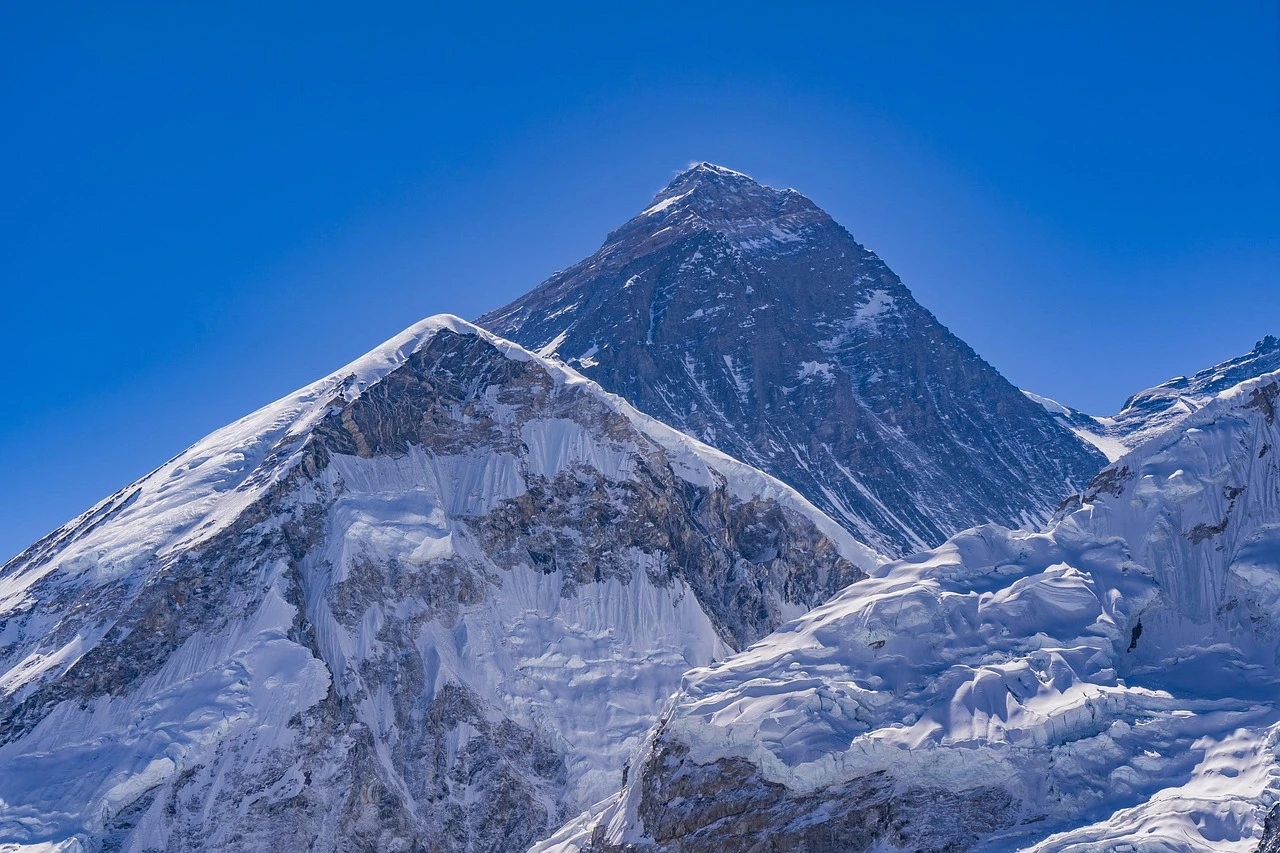
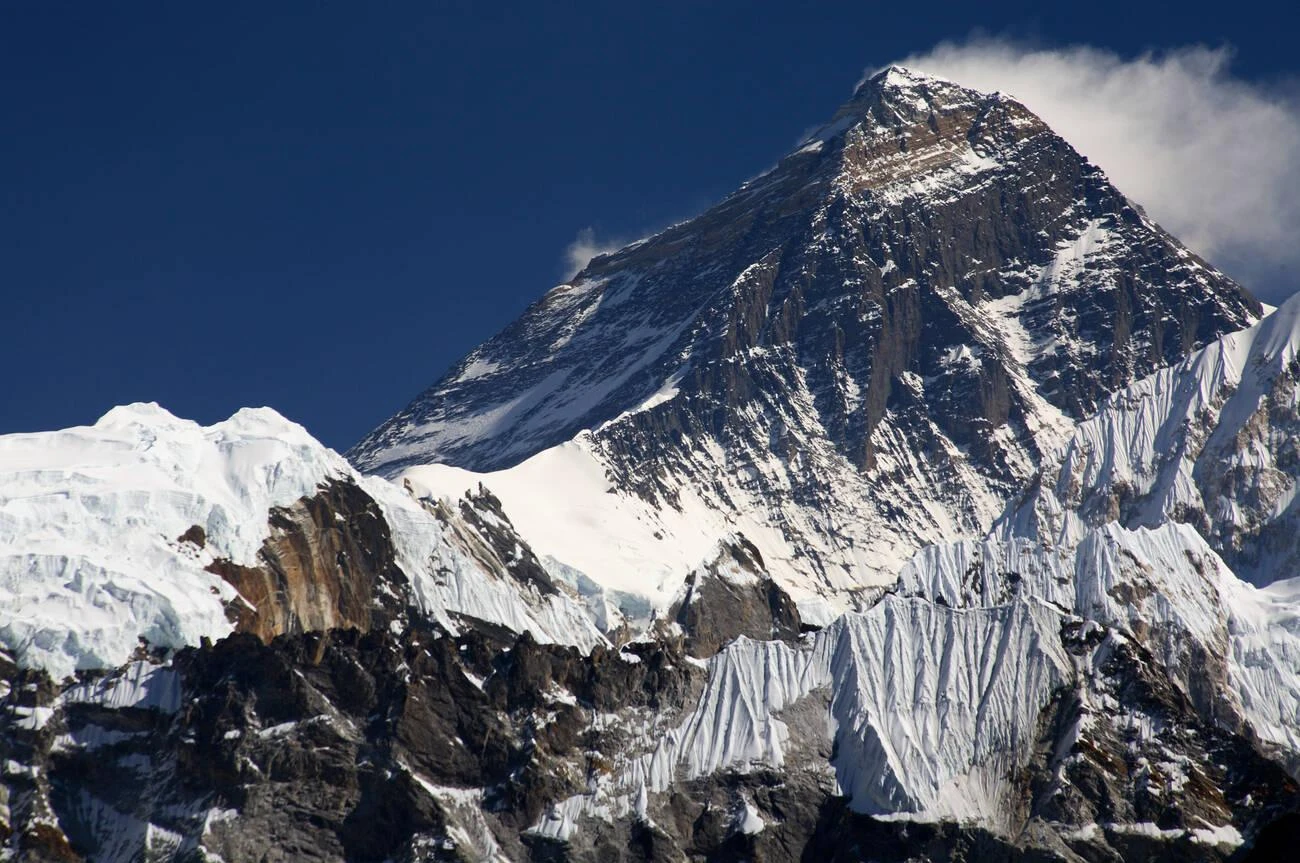
Along the trek, hikers encounter the rich traditions of the Sherpa people, visit monasteries like Tengboche Monastery, and witness the ever-changing Himalayan landscape. The highlight is reaching Everest Base Camp, standing at 5,364 meters, and viewing Kala Patthar for a close-up perspective of Everest’s summit. The trek is not just a physical challenge but also a deeply spiritual and transformative experience.
The best seasons for the Everest Base Camp trek are pre-monsoon (March to May) and post-monsoon (late September to November). During these periods, the weather is stable, the skies are clear, and the mountain views are at their best. The pre-monsoon season brings blooming rhododendrons and moderate temperatures, while the post-monsoon season offers crisp air, vibrant landscapes, and minimal rainfall.
Winter treks (December to February) are possible but extremely cold, with heavy snow in higher regions, making trekking difficult. The monsoon season (June to August) is the least favorable due to heavy rainfall, leeches, and frequent landslides. Timing your trek during the optimal season ensures safety, comfort, and the best photographic opportunities.
Season Summary:
The EBC Trek is considered moderate to challenging, primarily due to high altitude and long trekking days. Hikers need basic fitness, stamina, and preparation for sudden weather changes. Trekking days average 4 to 8 hours, with gradual altitude gains for acclimatization.
Transportation begins with a scenic flight from Kathmandu to Lukla, one of the most adventurous flights in the world. The trek then proceeds on foot, following well-marked trails and passing through remote villages and rugged terrain. Helicopter services are available for emergencies or short-distance transfers but are not part of the standard trek.
Trekking Difficulty and Transportation:
The EBC trek is well-supported with tea houses and lodges along the trail. Accommodation ranges from basic rooms with shared bathrooms to private, more comfortable lodges in larger villages like Namche Bazaar and Dingboche. At higher elevations, facilities are simpler, often with limited hot water and heating.
Food on the trek is hearty and designed to fuel long hiking days. Staples include dal bhat (rice and lentil soup), noodles, soups, pancakes, and Tibetan specialties such as momos. Fresh vegetables and meats are available in larger villages, while simpler meals are served in remote areas. Trekkers are advised to drink boiled or bottled water and carry energy snacks for long treks.
Accommodation and Food Highlights:
Trekking to Everest Base Camp requires official permits for safety and conservation purposes. Trekkers must obtain:
Mountain of Nepal facilitates all permit arrangements for trekkers, ensuring a smooth and hassle-free process. Carrying permits is mandatory, and authorities may check them along the trekking route.
Permit Summary:
Choosing Mountain of Nepal ensures a safe, well-organized, and memorable EBC experience. The company provides expert guides familiar with high-altitude trekking, experienced porters, and well-planned itineraries with acclimatization days. Their services focus on safety, comfort, and local cultural immersion, making the trek enjoyable for both novice and seasoned hikers.
Mountain of Nepal emphasizes eco-friendly trekking, supporting local Sherpa communities, and providing modern support in remote regions. With detailed pre-trek briefings, 24/7 assistance, and flexible itineraries, they make the Everest Base Camp trek an unforgettable adventure.
Why Choose Mountain of Nepal:
Trekking Overview
Location
High Elevations & Viewpoints
Cultural Insights
Optimal Seasons
Essential Tips
The Everest Base Camp Trek with Mountain of Nepal is a remarkable journey through the heart of the Himalayas, combining adventure, culture, and breathtaking scenery. Over 15 days, trekkers experience a carefully planned itinerary that balances challenging hikes, acclimatization days, and cultural exploration. The journey begins in Kathmandu with sightseeing and trek preparation, followed by a scenic flight to Lukla to start the trek through picturesque villages, rhododendron forests, and suspension bridges. Trekkers gradually ascend through Namche Bazaar, Tengboche, Dingboche, and Lobuche, with rest days for acclimatization to ensure safety and comfort at high altitudes.
The highlight of the trek is reaching Everest Base Camp and hiking to Kala Patthar for unparalleled panoramic views of Mount Everest and surrounding peaks. The return journey retraces scenic trails to Lukla, ending with a farewell dinner in Kathmandu. Mountain of Nepal ensures professional guides, comfortable accommodations, and a seamless trekking experience, making this expedition both safe and unforgettable.
Upon arrival at Tribhuvan International Airport in Kathmandu, Nepal, you will be warmly welcomed by a representative from Mountain of Nepal Trek and transferred to your hotel in Kathmandu. After check-in, you can relax and recover from your international flight. If time permits, you may explore Thamel, Kathmandu’s main tourist district, known for its vibrant atmosphere, trekking shops, cafés, restaurants, and local handicrafts. In the evening, enjoy a welcome dinner at a traditional Nepali restaurant, where you can taste authentic local cuisine, experience Nepali culture, and meet your guide and fellow trekkers before the start of your Everest Base Camp trek. Accommodation: Hotel, Meals: Welcome Dinner.
 Accommodation 3* Hotel
  Meals Welcome Dinner
  Max. altitude 1,400m / 4,593ft.
 Today is dedicated to final preparations for your Everest Base Camp trek. After breakfast, meet your guide for a detailed briefing covering the route, daily walking distances, altitude awareness, and essential safety procedures for high-altitude trekking. Your guide will check your trekking gear to ensure everything is suitable for the journey. If anything is missing, you can rent or purchase equipment in Thamel, Kathmandu’s main trekking hub. Required permits, including Sagarmatha National Park and TIMS, will also be arranged. The rest of the day is free to relax, explore the cultural highlights of Kathmandu, or organize your gear before the trek begins. Overnight: Hotel
Accommodation 3* Hotel Meals Breakfast Max. altitude 1,400m / 4,593ft. Start your Everest Base Camp trek with an early morning scenic flight to Lukla, operating either from Kathmandu (approx. 35 minutes) or Manthali Airport in Ramechap (approx. 20 minutes), depending on the season. This short mountain flight offers breathtaking views of the Himalayas, including snow-capped peaks and deep valleys, before landing at the famous Tenzing–Hillary Airport, where your trekking crew will greet you From Lukla, the trek begins with a gradual descent along the Dudh Kosi Valley on a well-marked trail that passes through terraced fields, traditional Sherpa villages, and tea houses. The trail follows the roaring Dudh Koshi River, its milky waters rushing through the valley. As you enter Buddhist land, you’ll encounter prayer wheels, mani walls, and carved stones with Buddhist mantras—all sacred in Sherpa culture. As a sign of respect, trekkers should pass these in a clockwise direction. The trail passes through the small villages of Chaurikharka and Ghat, offering glimpses of local life. Along the way, you will meet fellow trekkers, mountaineers returning to Lukla, and trekking porters. The terrain is moderately easy, with gentle rises and falls, making this a comfortable half-day trek perfect for acclimatization. You will arrive at Phakding, a serene riverside village nestled beside the Dudh Kosi River. Spend the night in comfortable mountain lodges, resting and preparing for the next stage of your journey toward the Everest Base Camp. Note: As Lukla flights are highly weather-dependent, it is recommended to keep two extra days in your itinerary. This provides flexibility for possible delays and allows time to adjust to changes in the departure airport (Kathmandu or Manthali), ensuring a smooth and stress-free trekking experience.
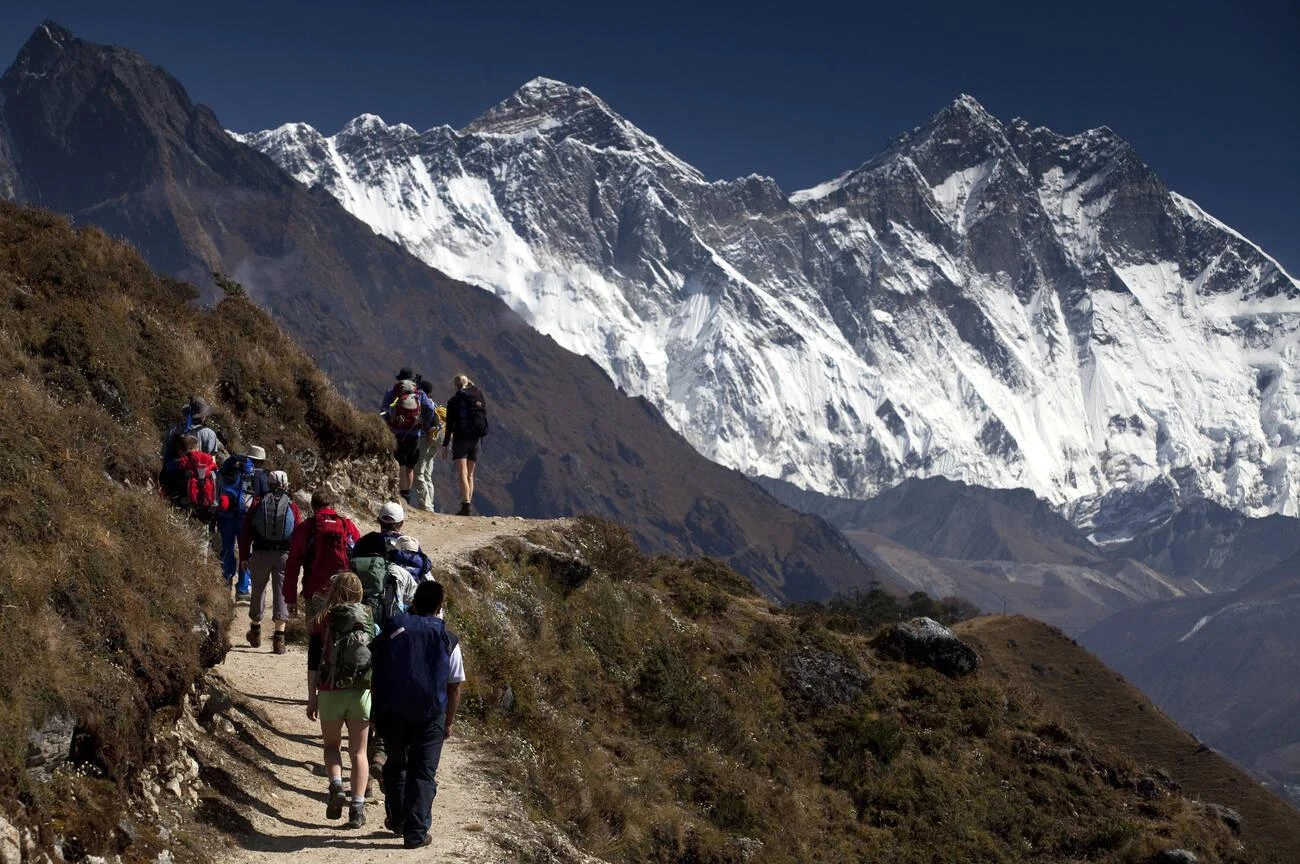
Accommodation Tea house / Lodge Meals Breakfast, Lunch and Dinner Max. altitude 2,610m / 8,563ft. Today’s trek is more challenging as you gradually ascend toward Namche Bazaar, the gateway to Everest. Crossing several suspension bridges and passing through pine forests, you will enter Sagarmatha National Park. The trail includes a steady climb, especially toward the end, where you may catch your first glimpse of Mount Everest on a clear day. Namche Bazaar is a bustling mountain town with shops, cafes, and stunning views. Upon arrival, you can relax and acclimatize while enjoying the vibrant atmosphere. Mountain of Nepal ensures a steady pace to help you adapt safely.
Accommodation Tea house / Lodge Meals Breakfast, Lunch and Dinner Max. altitude 3,440m / 11,286ft. Today is a crucial rest and acclimatization day, allowing your body to adjust to the high altitude before continuing higher into the Everest region. While Namche Bazaar itself is a comfortable place to relax, we encourage you to take a gentle acclimatization hike to help your body adapt more effectively. A popular option is a walk to the Everest View Hotel, perched on a nearby ridge. From here, you can enjoy breathtaking panoramic views of Mount Everest, Lhotse, Nuptse, and Ama Dablam—an ideal spot for sunrise photography and your first close-up Himalayan vistas. Nearby traditional Sherpa villages, Khumjung and Khunde, are also worth exploring. In Khumjung, you can experience authentic Sherpa culture, while in Khunde, you can visit the Hillary School, founded by Sir Edmund Hillary to provide education for local children. The school has played a vital role in improving literacy and expanding opportunities for Sherpa communities in this remote Himalayan region. Khunde also hosts the Khunde Hospital, a vital healthcare center established with the support of Sir Edmund Hillary, providing essential medical services to both local residents and trekkers in this high-altitude region.Gentle walks along the surrounding ridges follow the “climb high, sleep low” principle, helping your body acclimatize while offering stunning Himalayan scenery. Taking it slow, staying well hydrated, and enjoying the experience will prepare you both physically and mentally for the higher trails ahead. Overnight: Lodge in Namche Bazaar
Accommodation Tea house / Lodge Meals Breakfast, Lunch and Dinner Max. altitude 3,440m / 11,286ft. After breakfast in Namche Bazaar, you begin the trek with a steady climb out of the village, gaining elevation as you leave the amphitheater-shaped settlement behind. Although demanding at the start, this section rewards you with expanding views of the surrounding valleys and Himalayan peaks. From the ridge above Namche Bazaar, the trail follows the well-established Everest Base Camp trekking route, contouring along the mountainside high above the rushing Dudh Koshi River.The path gently traverses the hillside with a few short ascents and descents, offering panoramic views of Mount Everest (8,848 m), Lhotse (8,516 m), Thamserku (6,608 m), and the striking Ama Dablam (6,812 m) on clear days. Continuing along the hillside, you pass through small Sherpa settlements such as Kyangjuma before reaching Sansa, where the trail separates—one route leads toward the Gokyo Valley, while the other follows the classic Everest route. From Sansa, you follow the classic Everest route, descending to the river valley through pine and rhododendron forests and crossing a dramatic suspension bridge before reaching Phunki Tenga, a popular riverside stop for lunch and rest. After the break, the trail climbs steadily uphill through forested terrain for approximately two hours, gaining significant elevation. This is the most physically demanding section of the day, so maintaining a slow and steady pace is essential. At the top lies Tengboche, home to the famous Tengboche Monastery—the largest and most important monastery in the Khumbu region. This spiritual center holds deep significance for the Sherpa community and offers spectacular close-up views of Ama Dablam and surrounding peaks. From Tengboche, the trek continues with a pleasant 20–30 minute descent through a peaceful forest to Deboche, a quieter village nestled among trees. Deboche is an ideal place to rest and recover, offering a calm alpine atmosphere after a rewarding day of trekking. Overnight: Lodge in Deboche
Accommodation Tea house / Lodge Meals Breakfast, Lunch and Dinner Max. altitude 3,770m / 12,369ft. Leaving Deboche, the trail descends gently through a peaceful forest before crossing a suspension bridge over the Imja Khola River.. From here, the route gradually ascends toward Pangboche, one of the oldest Sherpa villages in the region, offering stunning views of Ama Dablam. As you continue, the landscape begins to change noticeably. Trees become sparse, and the terrain opens into wide valleys surrounded by towering Himalayan peaks. The air becomes thinner, and the scenery more rugged and dramatic. Passing through Somare and Orsho, the trail follows a gentle incline along the valley floor, with incredible views of Ama Dablam, Lhotse, and Island Peak. Stone-walled fields and yak pastures line the path, reflecting the traditional lifestyle of the region. Upon reaching Dingboche (4,410 m), you are welcomed by a picturesque village set beneath towering mountains. Known as the “summer valley” of the Khumbu, Dingboche is an important acclimatization stop, offering breathtaking views and a peaceful atmosphere. You can see village is surrounded by stone-walled fields built to protect crops from strong winds and grazing animals.
Accommodation Tea house / Lodge Meals Breakfast, Lunch and Dinner Max. altitude 3,930m / 12,894ft. Today is a crucial rest and acclimatization day, giving your body time to adjust to the thinner mountain air and reducing the risk of altitude sickness. Dingboche is a key stop on the Everest Base Camp trek, offering a peaceful alpine environment with yak pastures, stone-walled fields, and distant glaciers. During this day, short hikes to nearby viewpoints are highly recommended to practice the “climb high, sleep low” technique, which helps improve acclimatization. Popular options include ascending Nagarjun Hill for panoramic views of Lhotse, Island Peak, Ama Dablam, and surrounding peaks, or exploring the Chhukung Valley with its dramatic mountain scenery. While hiking or resting, focus on proper hydration, balanced meals, and slow pacing to ensure a safe and comfortable trek onward. This day provides the perfect balance of gentle activity and rest, preparing you for the higher sections of the Everest Base Camp trail.
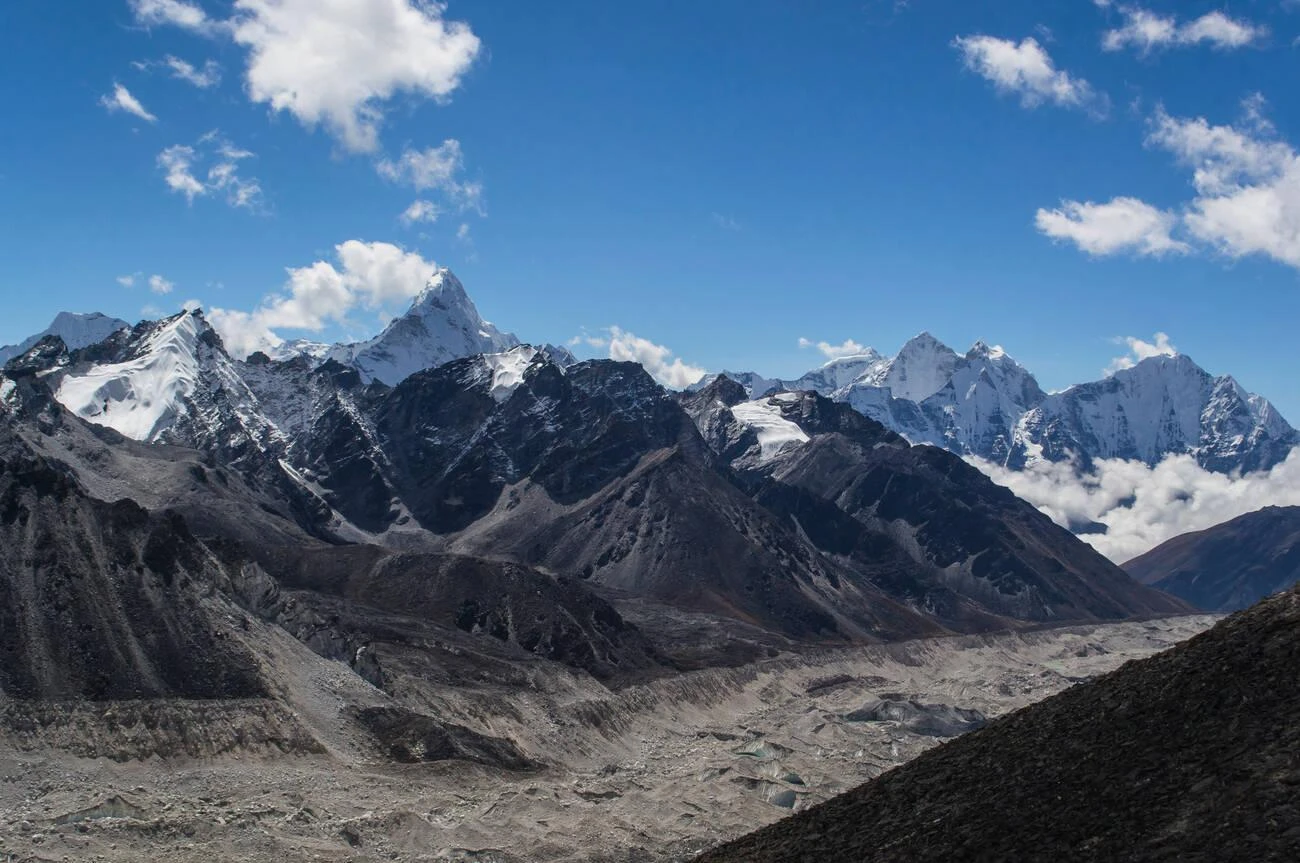
Accommodation Tea house / Lodge Meals Breakfast, Lunch and Dinner Max. altitude 4,409m / 14,465ft. After a restful acclimatization day in Dingboche, today’s trek takes you higher into the Everest region, gradually leaving the tree line behind. The trail climbs onto a ridge above the Pheriche Valley, where the landscape opens dramatically and you are rewarded with excellent views of the surrounding peaks. To the west, the peaks of Taweche and Cholatse rise sharply, while to the north, Lobuche Peak and the snowfields leading toward Cho La dominate the horizon. Continuing along the ridge, you reach Thukla, where you pause at the foot of the vast Khumbu Glacier for a short rest and lunch. From here, the trail becomes steeper as you ascend to the windswept ridge of Thukla Pass (Dughla Pass), marked by memorial cairns dedicated to Sherpas and climbers who lost their lives on Mount Everest and surrounding peaks. This is a powerful and reflective point along the route. After the memorial area, the route becomes less steep but remains uneven as you traverse glacial debris and stone pathways. On a clear day, distant views of peaks such as Pumori and other Khumbu giants can be seen as you move deeper into the valley. The trail then gradually descends and becomes gentler before the final approach to Lobuche, a small but striking settlement perched at the edge of the high Khumbu Valley. From your lodge, enjoy breathtaking sunset views of Nuptse, Pumori, and Taboche, while resting for the challenging days ahead toward Everest Base Camp. Overnight: Lodge in Lobuche
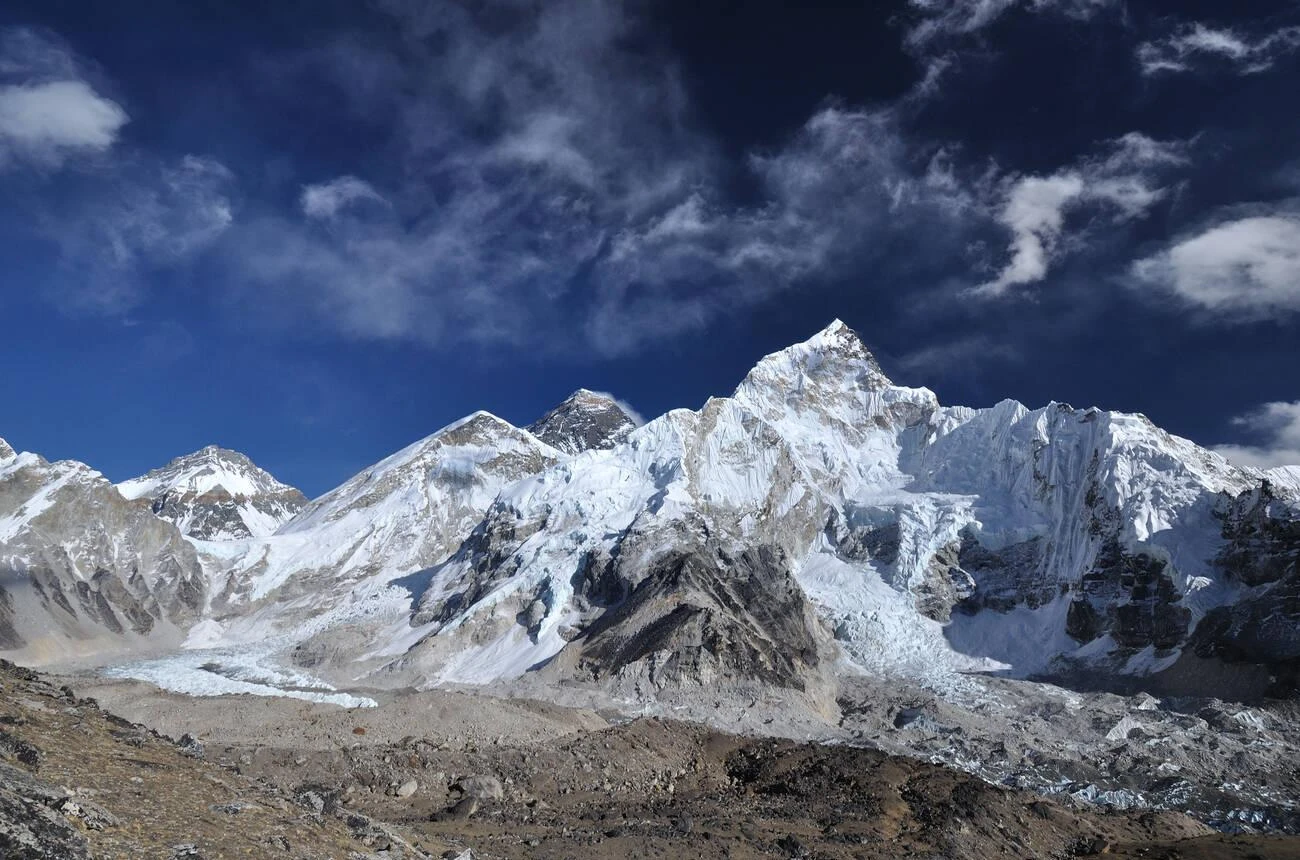
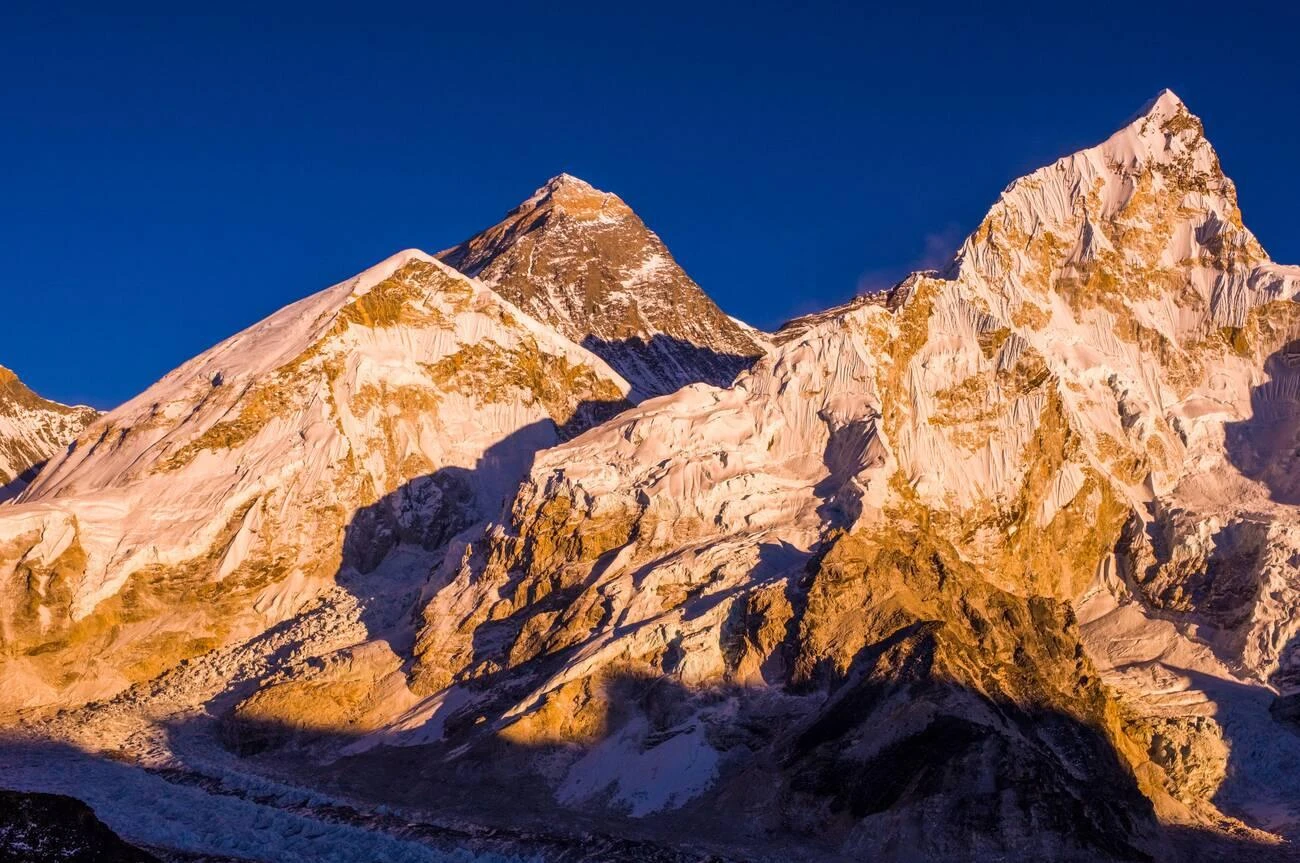
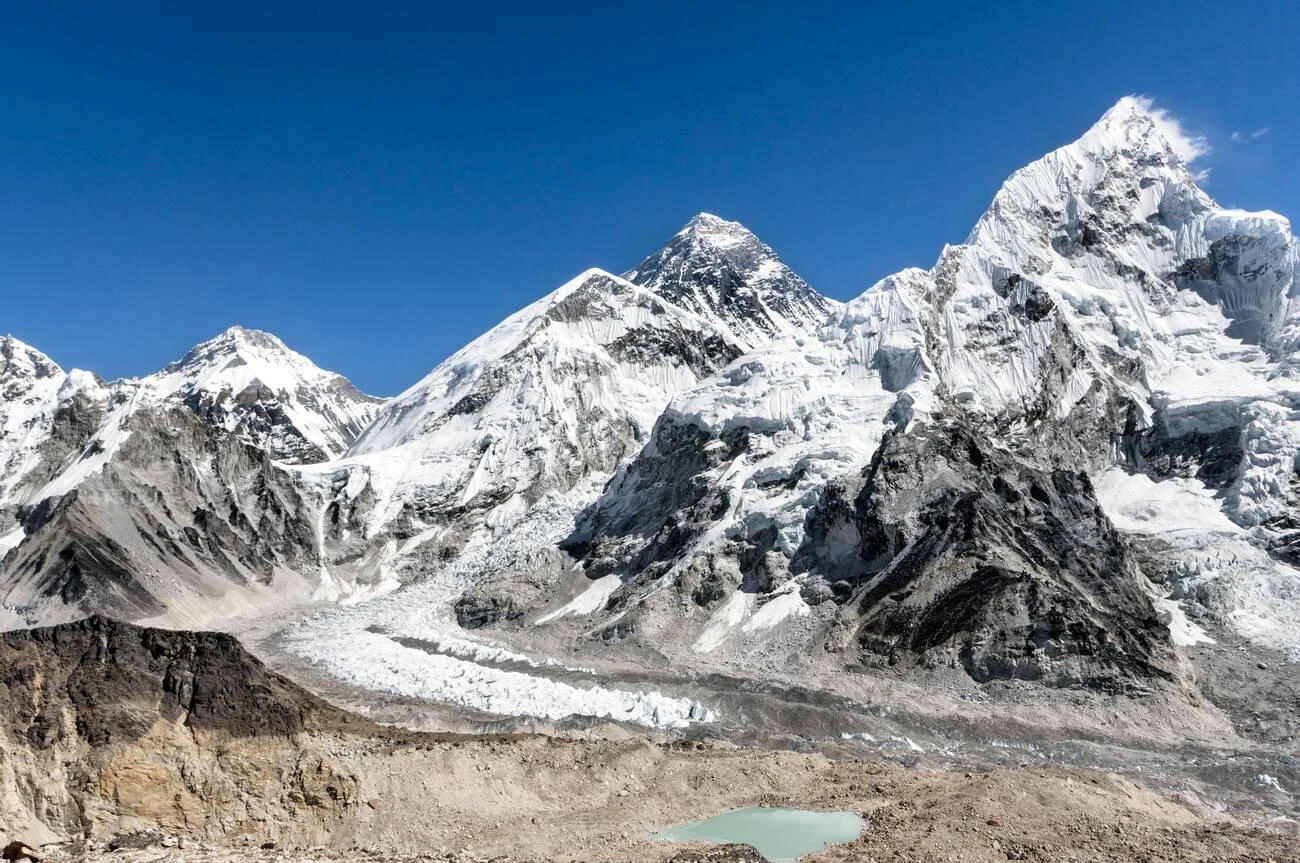
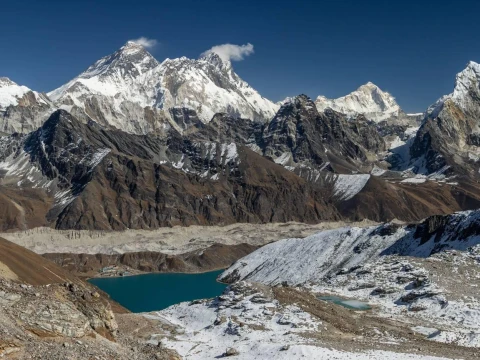
Accommodation Tea house / Lodge Meals Breakfast, Lunch and Dinner Max. altitude 4,930m / 16,175ft. Today is one of the most memorable days of the Everest Base Camp trek. Leaving Lobuche, the trail follows the lateral moraine of the Khumbu Glacier, with towering Pumori on your left. The terrain gradually becomes rockier and more alpine as you ascend toward Gorak Shep, the last settlement before Everest Base Camp. Along the way, you’ll notice the stark beauty of high-altitude landscapes, including glacial moraines, scattered boulders, and distant snow-capped peaks. After a short rest and lunch at Gorak Shep, you continue on a rocky trail toward Everest Base Camp (5,364 m). This final stretch offers close-up views of the Khumbu Icefall, massive glaciers, and the surrounding Himalayan giants like Nuptse, Lhotse, and Pumori. At base camp, trekkers can witness expedition teams preparing for their summit attempts, giving a unique glimpse into mountaineering life on Everest. This is a perfect spot for photos and to soak in the grandeur of the Himalayas. After exploring base camp, you retrace your steps back to Gorak Shep for an overnight stay, allowing your body to recover at a slightly lower altitude. From the lodge, enjoy views of the surrounding peaks and the setting sun over the Khumbu Valley, reflecting on an unforgettable day in the world’s highest mountains. Overnight: Lodge in Gorak Shep
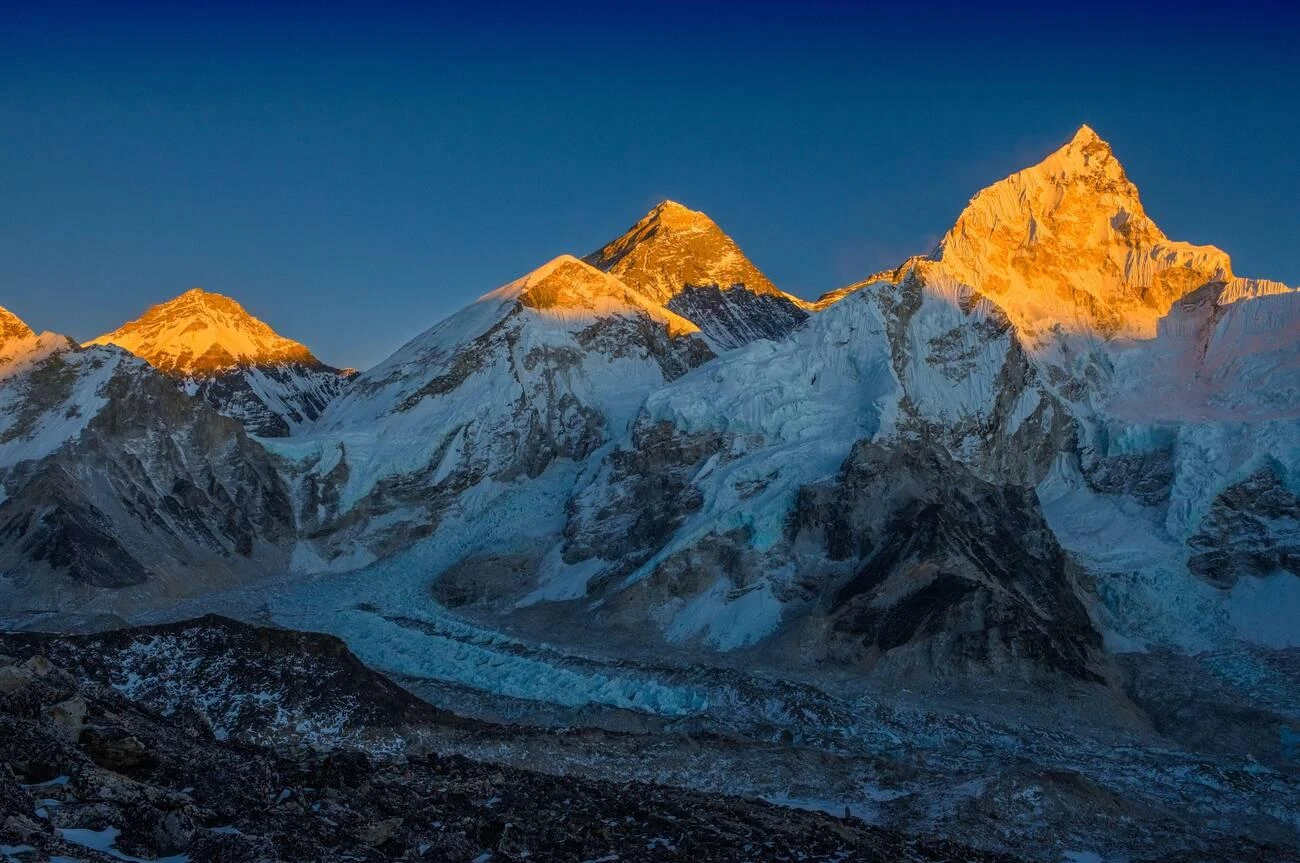
Accommodation Tea house / Lodge Meals Breakfast, Lunch and Dinner Max. altitude 5,170m / 16,962ft. Today begins with an early morning hike from Gorak Shep to Kala Patthar, one of the highest and most iconic viewpoints on the Everest Base Camp trek. The trail is steep but immensely rewarding, offering spectacular panoramic views of Mount Everest, Lhotse, Nuptse, Pumori, and surrounding Himalayan peaks. Sunrise from Kala Patthar provides an unforgettable photographic opportunity as the first light illuminates Everest’s towering summit. After spending time at the viewpoint and capturing the majestic scenery, you descend back to Gorak Shep for breakfast. From there, the trek continues downhill, passing through Lobuche and Dughla, before reaching Pheriche (4,240 m). The trail descends gradually through rocky, high-altitude terrain, crossing small streams, open valleys, and occasional yak pastures, showcasing the stark beauty of the Khumbu region. Pheriche is a peaceful village known for its high-altitude medical post, providing care for trekkers and locals dealing with altitude-related issues. Arriving in Pheriche, you can relax and recover, taking in the serene alpine environment while preparing your body for the descent and remaining sections of the Everest Base Camp trek. Overnight: Lodge in Pheriche
Accommodation Tea house / Lodge Meals Breakfast, Lunch and Dinner Max. altitude 4,240m / 13,911ft. The return journey continues as you retrace your steps through familiar trails, enjoying the changing perspectives of the landscape. Descending through villages and forests, you will notice the air becoming richer in oxygen, making the trek more comfortable. Namche Bazaar welcomes you back with its lively atmosphere and amenities. The mountain of Nepal ensures a relaxed pace, allowing you to reflect on your journey and enjoy the comfort of lower altitudes.
Accommodation Tea house / Lodge Meals Breakfast, Lunch and Dinner Max. altitude 3,440m / 11,286ft. This is the final day of trekking as you make your way back to Lukla. The trail includes both ascents and descents, passing through scenic villages and forests. Reaching Lukla marks the completion of your trekking adventure, and you can celebrate with your team. Mountain of Nepal often organizes a small gathering to acknowledge your achievement and thank the guides and porters who supported you throughout the journey.
Accommodation Tea house / Lodge Meals Breakfast, Lunch and Dinner Max. altitude 2,860m / 9,383ft. You will take an early morning flight back to Kathmandu, once again enjoying stunning aerial views of the Himalayas. Upon arrival, you will be transferred to your hotel, where you can relax, take a hot shower, and unwind. In the evening, Mountain of Nepal hosts a farewell dinner, offering a chance to celebrate your successful trek and share experiences with fellow travelers. It’s a memorable way to conclude your Himalayan adventure.
Accommodation 3* Hotel Meals Breakfast, Lunch and Farewell Dinner Max. altitude 1,400m / 4,593ft. On your final day, a representative from Mountain of Nepal will transfer you to the airport for your departure. Depending on your flight schedule, you may have time for some last-minute shopping or sightseeing in Kathmandu. As you leave, you carry unforgettable memories of the Everest Base Camp Trek, the breathtaking landscapes, and the warm hospitality experienced throughout the journey.
Accommodation NA Meals Breakfast Max. altitude 1,400m / 4,593ft. 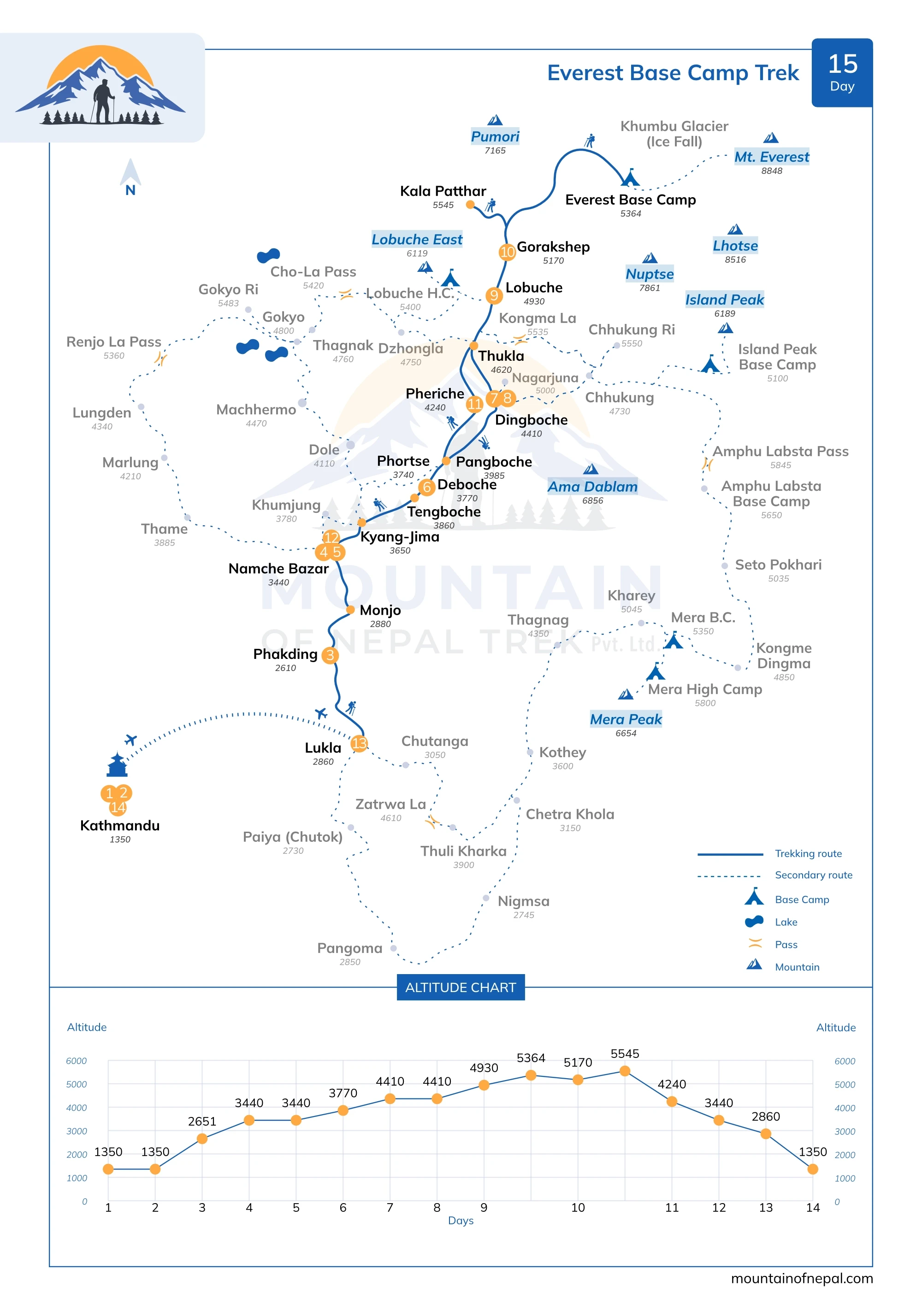
Before exploring the Everest Base Camp Trek, there are several practical details to keep in mind to ensure a safe, smooth, and enjoyable journey with Mountain of Nepal. From transportation and accommodation to health and travel documents, being prepared in advance helps you focus on the adventure rather than logistics. Understanding local currency, payment methods, and essential travel insurance is crucial, while knowledge of basic Nepali phrases and cultural etiquette enhances the experience. Staying aware of off-the-beaten-path opportunities, sightseeing options, and travel advisories ensures you make the most of your trek while prioritizing safety and comfort.
This concise yet thorough guide ensures trekkers are informed and well-prepared for an unforgettable Everest Base Camp experience with Mountain of Nepal.
Your Start Date is the day you land in Nepal, and your End Date is when you fly home.
If the set Everest Base Camp Trek group dates don’t suit your schedule, we can offer alternative dates upon request.
Proper layering is important to stay warm and comfortable in changing mountain weather.
Good footwear makes trekking easier and safer.
The right gear keeps you safe, comfortable, and prepared.
Lightweight but important items keep you clean, healthy, and comfortable.
Keep important items safe and easy to reach.
Trekking to Everest Base Camp with Mountain of Nepal was truly one of the best experiences of my life. From the very beginning, everything was organized perfectly—the team was responsive, professional, and genuinely cared about making our journey special. Our guide was incredible—knowledgeable, patient, and always looking out for our safety and comfort. He shared so much about the mountains, the culture, and the local way of life, which made the trek even more meaningful. The itinerary was well-paced with proper acclimatization, and I always felt supported, even on the more challenging days. Reaching Everest Base Camp was an emotional moment, and hiking up Kala Patthar for sunrise was simply breathtaking. What stood out the most was the personal touch—the team treated us like family, not just clients. I highly recommend Mountain of Nepal to anyone looking for a safe, authentic, and unforgettable Himalayan adventure.
The Everest Base Camp Trek is considered moderately challenging, requiring stamina, physical fitness, and mental preparation. The trek involves long hours of walking each day, gradual altitude gain, and sometimes rough terrain. Mountain of Nepal recommends preparing through cardio, hiking, and strength training prior to departure. While the trek is achievable for anyone with reasonable fitness, acclimatization is crucial to avoid altitude sickness. Our experienced guides monitor each trekker closely, ensuring a steady pace and necessary rest days for safe and enjoyable progress.
Daily trekking times typically range between 4 to 7 hours, depending on the day’s distance, altitude gain, and trail conditions. Some days, like the trek to Namche Bazaar or Tengboche, involve longer hikes, while acclimatization days have shorter excursions. Mountain of Nepal plans the itinerary carefully to balance physical challenge and proper acclimatization. Trekking at a moderate pace, taking breaks, and listening to your body are essential. Our guides provide clear instructions and support, ensuring you have sufficient rest while still experiencing the stunning Himalayan landscapes each day.
While previous trekking experience is helpful, it is not mandatory. Many trekkers with basic fitness levels successfully complete the Everest Base Camp Trek with Mountain of Nepal. The key factors are stamina, proper preparation, and acclimatization. Our team provides guidance on walking techniques, pacing, and altitude awareness, making it accessible to first-time trekkers. However, anyone with serious medical conditions or low fitness should consult a doctor beforehand. With motivation, careful planning, and professional support, the trek becomes a safe and life-changing adventure.
Altitude sickness can affect anyone at high elevations, and Mountain of Nepal emphasizes prevention and awareness. Trekking gradually, staying hydrated, resting adequately, and avoiding alcohol are essential precautions. Guides monitor symptoms such as headache, nausea, and fatigue, and may recommend descending or resting if conditions worsen. Medication like Diamox can be used under guidance, but acclimatization remains the most effective approach. By following Mountain of Nepal’s expert advice, taking acclimatization days seriously, and listening to your body, most trekkers can safely reach Everest Base Camp without serious issues.
The ideal trekking seasons for Everest Base Camp are pre-monsoon (March to May) and post-monsoon (late September to November). During these periods, the weather is generally stable, offering clear skies, moderate temperatures, and excellent views of the Himalayas. Spring is particularly beautiful with blooming rhododendrons, while autumn provides crisp air and less crowded trails. Mountain of Nepal advises avoiding monsoon months due to heavy rainfall, slippery trails, and increased risk of landslides, ensuring a safe and enjoyable trek.
Physical preparation is critical for enjoying the Everest Base Camp Trek. Mountain of Nepal recommends at least 8 to 12 weeks of pre-trek training, focusing on cardio, leg strength, and endurance. Activities such as hiking with a weighted backpack, running, cycling, and stair climbing simulate trekking conditions. Additionally, practicing long walks in hilly terrain helps your body adapt to continuous uphill and downhill walking. Mental preparation is equally important, as some days may be long and physically demanding. Adequate preparation significantly increases enjoyment and reduces the risk of fatigue or altitude sickness.
During the trek, you will stay in teahouses or lodges, which are simple but comfortable. Rooms are usually twin-sharing with basic bedding and shared bathroom facilities, although some higher-end lodges may provide private rooms. Hot showers are limited at higher altitudes. Mountain of Nepal ensures that accommodation is selected for safety, hygiene, and proximity to the trail. Meals at teahouses typically include local and continental options, giving trekkers energy for the long days ahead. Despite simplicity, the accommodations provide a cozy base to rest and enjoy the stunning surroundings.
Food on the Everest Base Camp Trek consists mainly of simple, nutritious meals suitable for high-altitude trekking. Popular options include dal bhat (rice and lentils), noodles, soups, pasta, eggs, and vegetables. Hot drinks like tea, coffee, and hot chocolate are widely available. Mountain of Nepal ensures that trekkers are provided with clean, safe, and high-calorie meals to maintain energy levels. Most teahouses also offer snacks for the trail. While food options become simpler at higher altitudes, the focus is on sustenance, warmth, and comfort after long trekking days.
Safety is a top priority for Mountain of Nepal. Our professional guides are trained in first aid, altitude sickness management, and emergency evacuation procedures. We monitor each trekker’s health daily, provide advice for proper acclimatization, and carry essential medical kits. In case of serious illness or injury, we coordinate helicopter evacuations or transport to nearby hospitals. Trekking with Mountain of Nepal also ensures well-organized communication and contingency plans, giving trekkers peace of mind while navigating high-altitude trails and unpredictable mountain weather.
Hiring a guide or porter is highly recommended for both safety and convenience. Mountain of Nepal provides experienced guides and porters who are familiar with the trails, weather conditions, and local culture. Guides offer navigation support, altitude advice, and cultural insights, while porters can carry heavy backpacks, allowing trekkers to enjoy the journey comfortably. Hiring our team not only makes the trek physically easier but also ensures a more rewarding experience, as you can focus on the spectacular scenery and Himalayan adventure rather than logistical challenges.
Yes, trekking to Everest Base Camp requires specific permits. Trekkers must obtain the Sagarmatha National Park entry permit and the Khumbu Pasang Lhamu Rural Municipality (previously known as the TIMS permit). Mountain of Nepal handles all permit arrangements on your behalf, ensuring a hassle-free process. These permits help preserve the fragile Himalayan environment and support local communities. Carrying the official permits with you throughout the trek is mandatory, and guides ensure compliance with park rules, making your journey safe, legal, and responsible.
| No of people | Price per person |
|---|---|
| 1 - 1 | $2,645 |
| 2 - 4 | $2,445 |
| 5 - 8 | $2,375 |
| 9 - 12 | $2,275 |
| No of people | Price per person |
|---|---|
| 1 - 1 | $1,990 |
| 2 - 4 | $1,790 |
| 5 - 8 | $1,720 |
| 9 - 12 | $1,620 |


 (2)
(2)  100% recommend (0)
 (0)
(0)