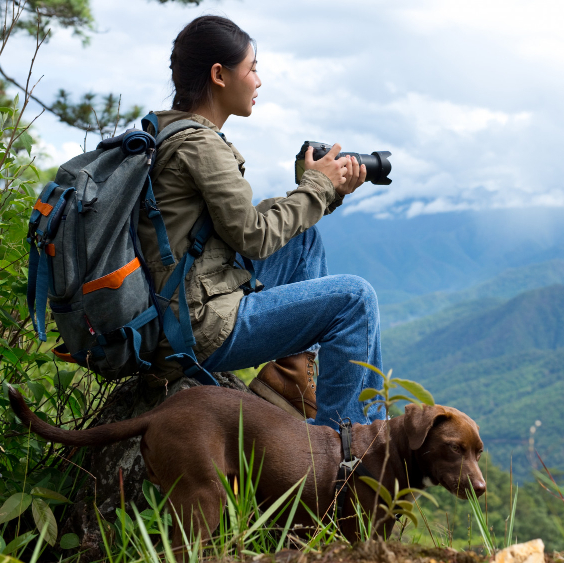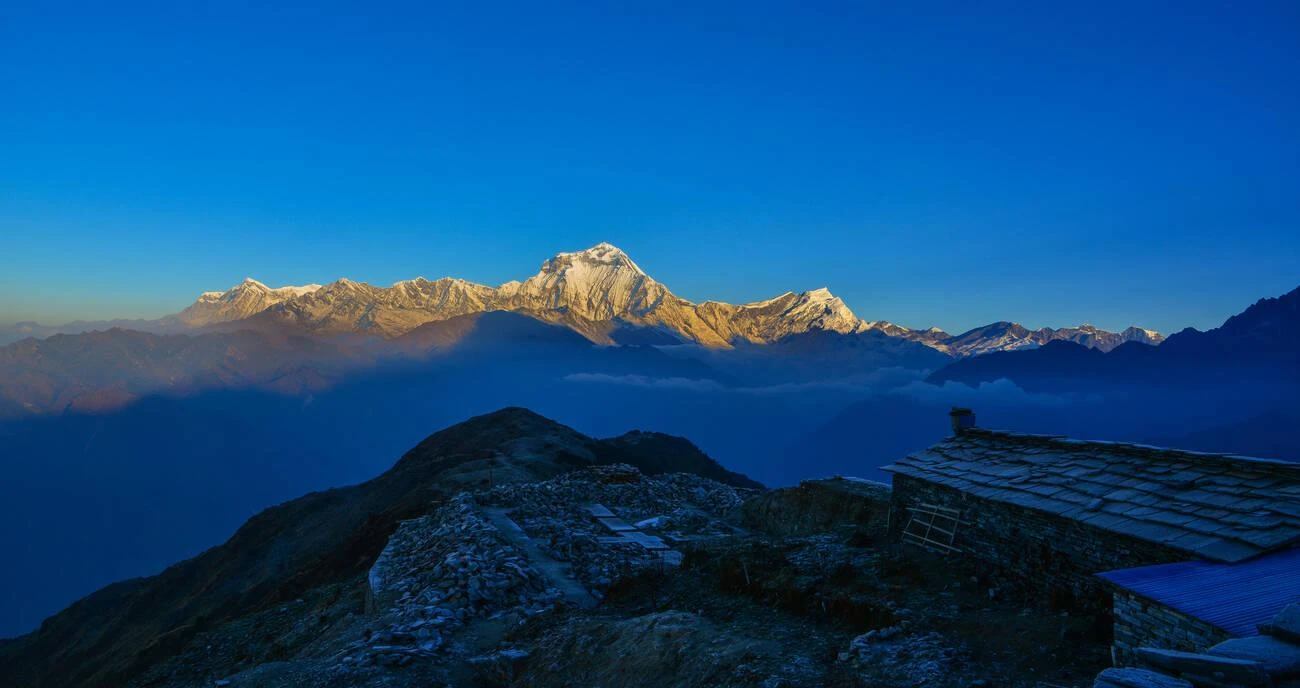
The Khopra Ridge Trek is one of the most scenic and less crowded trekking routes in the Annapurna region of Nepal, offering breathtaking Himalayan views, peaceful trails, and authentic village experiences. Organized by Mountain of Nepal, this trek is designed for travelers seeking a quieter alternative to the busy Annapurna Base Camp route while still enjoying spectacular mountain panoramas, including Dhaulagiri, Annapurna South, Nilgiri, and Machhapuchhre (Fishtail).
The journey begins from the culturally rich village of Ghandruk and gradually ascends through lush rhododendron forests, alpine meadows, and high ridges until reaching the stunning Khopra Ridge viewpoint. Along the way, trekkers pass through remote settlements such as Tadapani, Dobato, and Bayeli Kharka, each offering unique landscapes and local hospitality.
A major highlight of the trek is the sacred alpine lake Khayar Lake, situated at an altitude of about 4,660 meters, which is an important pilgrimage site for local Hindu communities. The trek perfectly blends adventure, culture, and spirituality.
Overall, the Khopra Ridge Trek is ideal for trekkers who want a peaceful Himalayan journey without compromising on dramatic mountain scenery and cultural richness.
The best time to trek on Khopra Ridge is during the spring (March to May) and autumn (September to November) seasons, when the weather is stable, and mountain visibility is at its highest. Organized by Mountain of Nepal, this trek is carefully scheduled to ensure safe walking conditions, comfortable temperatures, and the best photographic opportunities.
During spring, the trail is decorated with blooming rhododendrons and lush greenery. The forests between Ulleri and Khopra Ridge become especially beautiful, creating a colorful trekking experience. Temperatures are moderate, and skies are generally clear in the mornings.
Autumn is equally popular due to post-monsoon clarity, offering crystal-clear views of the Annapurna and Dhaulagiri ranges. Cultural festivals like Dashain and Tihar may also be experienced in lower villages such as Ghandruk.
Winter (December–February) is possible, but very cold at higher elevations like Khopra Ridge (3,660 m), and heavy snowfall may block routes to Khayar Lake. Monsoon (June–August) is less recommended due to slippery trails and leeches in forested areas.
Key Points
Choosing the right season ensures a safer and more rewarding trekking experience with Mountain of Nepal.
The Khopra Ridge Trek is considered a moderate-level trek, suitable for trekkers with basic fitness and some prior hiking experience. While technical climbing is not required, the route involves long walking hours, steep ascents, and high-altitude terrain, especially when approaching Khopra Ridge and Khayar Lake.
Daily walking ranges from 4 to 8 hours, with significant elevation gain between villages such as Tadapani, Dobato, and Khopra Ridge. The highest point is Khayar Lake at 4,660 meters, where altitude sickness awareness is important.
Transportation is well-managed by Mountain of Nepal. The journey begins with a domestic flight or drive from Kathmandu to Pokhara, followed by a scenic jeep drive to Ghandruk, the trek starting point. After completing the trek, travelers return via Ulleri and drive back to Pokhara, then Kathmandu.
Difficulty Summary
Transportation Points
Proper pacing and acclimatization arranged by Mountain of Nepal make the trek achievable for most adventure lovers.
Accommodation on the Khopra Ridge Trek is mainly in locally run teahouses and community lodges, offering a warm and authentic Himalayan experience. Managed with support from Mountain of Nepal, these lodges provide basic but comfortable facilities, emphasizing local hospitality and sustainable tourism.
Rooms are typically twin-sharing with simple bedding, blankets, and shared bathrooms at higher elevations like Khopra Ridge. In lower villages such as Ghandruk and Tadapani, facilities are slightly more developed with better dining spaces and hot showers (sometimes solar-heated).
Food is freshly prepared and includes a mix of Nepali and international dishes. The staple meal is Dal Bhat (rice, lentils, vegetables, and pickles), which provides essential energy for trekking. Other options include noodles, pasta, soups, eggs, pancakes, and Tibetan bread.
At higher elevations like Khopra Ridge, food options become simpler due to remote access, but meals remain nutritious and hygienic.
Food & Accommodation Highlights
Mountain of Nepal ensures hygienic food standards and selects the best available lodges to maintain comfort and safety throughout the trek.
To trek in the Khopra Ridge region, certain permits are mandatory as it lies within the protected Annapurna Conservation Area. Mountain of Nepal handles all permit arrangements to ensure a smooth trekking experience without administrative hassle.
The main required permits include the Annapurna Conservation Area Permit (ACAP) and the Trekkers’ Information Management System (TIMS) card. These permits are checked at various entry points along the trail, especially near villages like Ghandruk and Ulleri.
ACAP is essential for environmental conservation efforts and supports local community development projects in the region. TIMS ensures trekker safety and helps track movement in remote areas.
Permit Requirements Summary
Additional Notes
Having all permits pre-arranged allows trekkers to focus fully on the journey without logistical stress.
The Khopra Ridge Trek is one of the most rewarding hidden gems in Nepal, offering a perfect balance of adventure, culture, and tranquility. Unlike heavily crowded trails, this route provides solitude and uninterrupted mountain views, making it ideal for those seeking a peaceful Himalayan experience.
With Mountain of Nepal, trekkers receive professional guidance, well-planned itineraries, and personalized support throughout the journey. From the charming village of Ghandruk to the high alpine beauty of Khopra Ridge and sacred Khayar Lake, every step is carefully organized for safety and enjoyment.
The trek also supports local communities through community-based lodges, ensuring that tourism directly benefits remote Himalayan villages. Cultural immersion is another major highlight, as trekkers experience traditional Gurung lifestyles, local cuisine, and mountain hospitality.
Why Choose This Trek
In conclusion, the Khopra Ridge Trek with Mountain of Nepal is perfect for trekkers seeking a meaningful, scenic, and peaceful Himalayan adventure away from the mainstream trails.
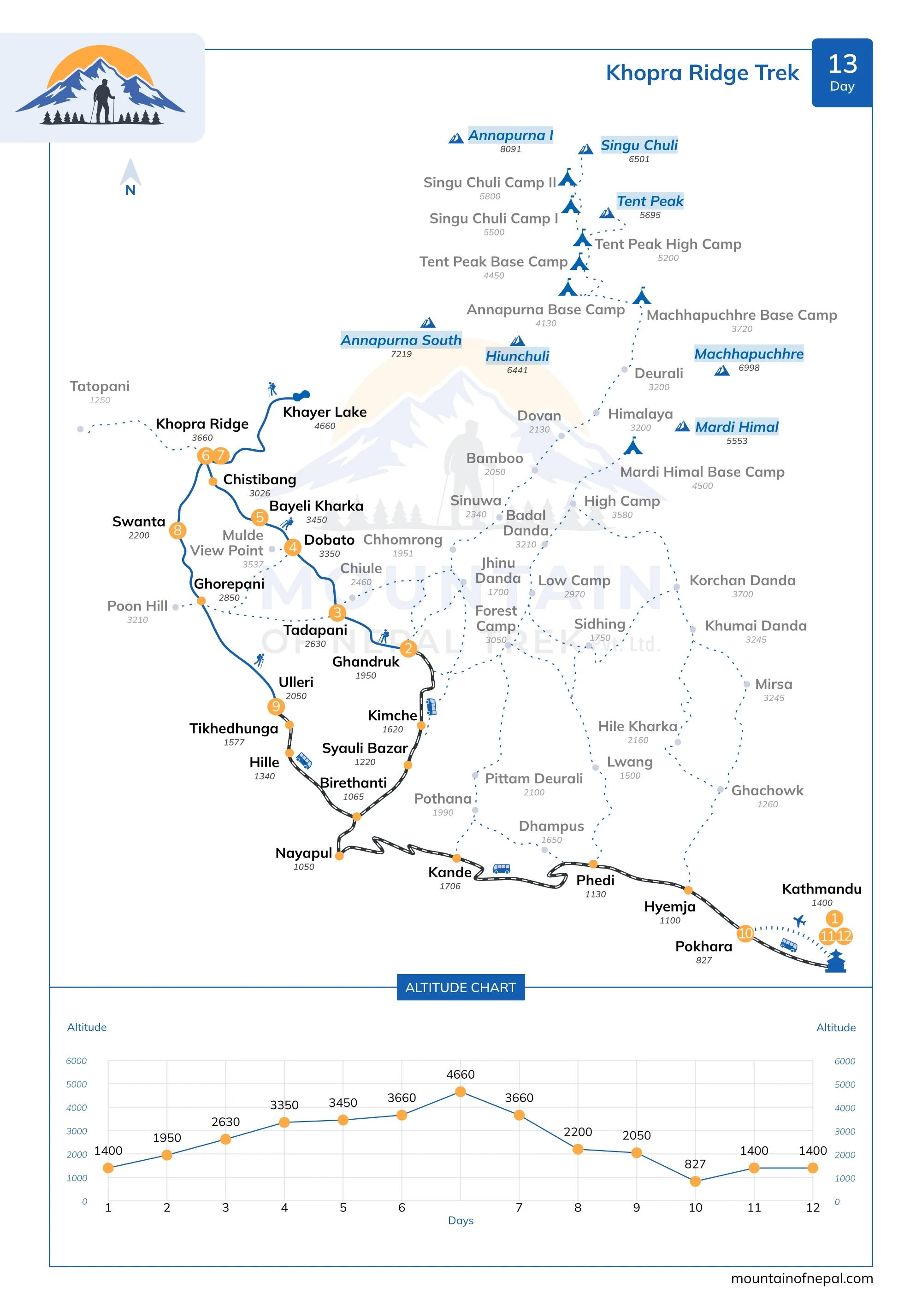
Upon arrival in Kathmandu, you will be warmly welcomed by a representative from Mountain of Nepal and transferred to your hotel in the bustling capital city. After check-in, you can relax or take a gentle stroll around the nearby streets, soaking in the vibrant mix of ancient temples, cultural heritage, and modern life. In the evening, there will be a pre-trek briefing conducted by your trekking guide, where you will be introduced to the overall Khopra Ridge Trek route, safety guidelines, and packing essentials. This day is also important for final preparations, gear checks, and obtaining any necessary permits. You will enjoy a traditional Nepali welcome dinner and overnight stay in Kathmandu.
Early in the morning, you take a scenic flight from Kathmandu to Pokhara, enjoying breathtaking views of the Himalayan range if the weather permits. Upon landing in Pokhara, a short break is taken before beginning a picturesque drive toward Ghandruk, a beautiful Gurung village surrounded by terraced fields and mountain scenery. The drive passes through winding roads, rivers, and rural settlements, offering a glimpse into Nepal’s countryside lifestyle. Once in Ghandruk, you will explore the village, interact with locals, and visit traditional stone houses. The Annapurna South and Machhapuchhre peaks dominate the skyline, creating a stunning backdrop. Overnight stay is in a cozy mountain lodge.
After breakfast in Ghandruk, the trek officially begins with a steady ascent through lush rhododendron forests and stone staircases. The trail gradually climbs toward Tadapani, offering intermittent views of snow-capped peaks and deep valleys. You will hear birdsong and possibly spot Himalayan wildlife along the forested trail. The route is moderately challenging but rewarding due to its natural beauty and peaceful atmosphere. Upon reaching Tadapani, you will be greeted by panoramic mountain views, especially during clear weather when Annapurna and Machhapuchhre appear strikingly close. The rest of the evening is spent relaxing at the lodge, enjoying warm meals, and preparing for higher elevation trekking ahead.
Today’s trek is longer and more demanding as you ascend deeper into the Annapurna region’s remote forested terrain. The trail passes through dense rhododendron and oak forests, with occasional clearings revealing dramatic Himalayan landscapes. As you climb, the air becomes cooler and thinner, and the scenery increasingly alpine in nature. You may encounter fewer settlements, enhancing the feeling of wilderness adventure. Reaching Dobato, you are rewarded with serene surroundings and impressive sunset views over the Annapurna and Dhaulagiri ranges. The teahouse here is simple but comfortable, offering a peaceful overnight stay in a high-altitude environment guided by Mountain of Nepal staff.
The trail from Dobato to Bayeli Kharka takes you through alpine pastures and isolated ridges, gradually moving above the tree line. The landscape opens up significantly, offering uninterrupted views of snow-covered peaks and rolling green hills. This section of the trek feels remote and peaceful, with fewer trekkers and a stronger sense of solitude in nature. Yak grazing areas and open meadows dominate the scenery. Upon arrival at Bayeli Kharka, you will settle into a basic teahouse with stunning sunset views over the Dhaulagiri range. The evening is quiet and ideal for rest, photography, and acclimatization before heading higher toward Khopra Ridge.
Today’s trek leads you to the highlight destination—Khopra Ridge. The trail ascends gradually along alpine ridgelines with dramatic drops and sweeping Himalayan panoramas. As you approach Khopra Ridge, the views of Annapurna South, Nilgiri, and Dhaulagiri become increasingly breathtaking. The ridge itself is one of the most scenic vantage points in the region. Upon arrival, you will check into the community lodge supported by local initiatives and guided by Mountain of Nepal. The rest of the day is spent acclimatizing, enjoying the vast mountain views, and preparing for the optional hike to Khayar Lake the following day. Sunset from Khopra Ridge is unforgettable.
An early start is required for the challenging yet rewarding hike to Khayar Lake, a sacred alpine lake situated at a high altitude. The trail is steep and demanding, crossing rocky terrain and high ridges, but the surrounding Himalayan scenery is extraordinary. Upon reaching the lake, you will experience a tranquil and spiritual atmosphere, with reflections of towering peaks shimmering in the water. After spending time at the lake, taking photos, and resting, you will descend back to Khopra Ridge. The return journey is long, but the sense of achievement is immense. The evening is spent resting at the lodge, sharing experiences with fellow trekkers.
Today, you descend from the high alpine environment of Khopra Ridge toward the lush village of Swanta. The trail passes through forests, waterfalls, and terraced farmland, offering a refreshing contrast to the previous days’ high-altitude landscapes. As you lose elevation, the air becomes warmer and more oxygen-rich, making the walk easier and more comfortable. Swanta is a traditional Magar village where you can observe rural Himalayan life and agricultural practices. You will stay in a local teahouse, enjoy home-cooked meals, and experience warm hospitality. This is a relaxing day that allows your body to recover after the high-altitude trek to Khayar Lake.
The trail continues descending through forested paths and stone staircases toward Ulleri, a well-known village on the Annapurna trekking route. The journey is scenic, with views of waterfalls, terraced fields, and distant mountains. You will pass through small settlements and interact with local villagers along the way. Ulleri is famous for its steep stone steps and panoramic surroundings. Upon arrival, you can relax at a comfortable lodge and reflect on your trekking journey so far. The evening is peaceful, with opportunities to enjoy the natural surroundings and celebrate the nearing completion of the trek organized by Mountain of Nepal.
After breakfast, you take a scenic drive from Ulleri back to Pokhara. The journey passes through rural landscapes, rivers, and hillside villages, offering a final glimpse of the Annapurna region’s beauty. Upon arrival in Pokhara, you check into a hotel and enjoy the comforts of city life after several days in the mountains. The rest of the day is free for leisure activities such as lakeside walks, café visits, or optional boating on Phewa Lake. This day marks a smooth transition from trekking adventure to relaxation in one of Nepal’s most beautiful cities.
Today, you travel back to Kathmandu by either a scenic drive or an optional short flight from Pokhara. The drive offers views of rivers, hills, and rural towns along the Prithvi Highway. Upon reaching Kathmandu, you will be transferred to your hotel and have time to rest or explore the city further. You may choose to visit nearby heritage sites, shop for souvenirs, or simply relax after the trekking adventure. The evening can include a farewell dinner arranged by Mountain of Nepal, celebrating the successful completion of the Khopra Ridge Trek.
This day is kept flexible for rest, exploration, or cultural sightseeing in Kathmandu. You may choose to visit UNESCO World Heritage Sites, explore local markets, or enjoy traditional Nepali cuisine in the city’s restaurants. Alternatively, this can be a recovery day to rest after the trek. The vibrant mix of culture, history, and modern life in Kathmandu provides plenty of options for travelers. The Mountain of Nepal team remains available for any assistance, ensuring your experience remains smooth and enjoyable until departure.
On your final day, you will be transferred from your hotel to Kathmandu International Airport for your onward journey. The Mountain of Nepal team will assist with your departure arrangements, ensuring a smooth and timely transfer. As you leave Nepal, you carry unforgettable memories of the Khopra Ridge Trek—ranging from alpine ridges and sacred lakes to warm village hospitality and Himalayan panoramas. This marks the end of your adventure, but the experience of trekking in the Annapurna region will remain a lasting memory for years to come.
Your Start Date is the day you land in Nepal, and your End Date is when you fly home.
If the set Khopra Ridge Trek group dates don’t suit your schedule, we can offer alternative dates upon request.
Proper layering is important to stay warm and comfortable in changing mountain weather.
Good footwear makes trekking easier and safer.
The right gear keeps you safe, comfortable, and prepared.
Lightweight but important items keep you clean, healthy, and comfortable.
Keep important items safe and easy to reach.
The Khopra Ridge Trek, organized by Mountain of Nepal, is a beautiful off-the-beaten-path trekking route in the Annapurna region of Nepal. It is famous for its panoramic views of Annapurna South, Dhaulagiri, Nilgiri, and other Himalayan peaks without the heavy crowds of more commercial routes. The trek combines rich cultural experiences in traditional Gurung and Magar villages with serene alpine landscapes. One of its highlights is the optional hike to Khayar Lake, a sacred high-altitude lake. This trek is ideal for those seeking a peaceful, scenic, and culturally immersive Himalayan adventure.
The Khopra Ridge Trek is considered a moderate-level trek by Mountain of Nepal, suitable for trekkers with average fitness. While no technical climbing is required, daily hiking durations range from 4 to 8 hours, often involving steep ascents and descents on stone steps and forest trails. The highest point is Khayar Lake at 4,660 meters, which requires good acclimatization. Proper preparation, steady pacing, and hydration are important. Beginners can also complete the trek with proper guidance and support from experienced trekking staff.
The standard Khopra Ridge Trek itinerary organized by Mountain of Nepal typically takes 10 to 13 days, depending on the route and side trips included. This duration allows proper acclimatization and exploration of key highlights such as Ghandruk, Tadapani, Khopra Ridge, and Khayar Lake. Additional days are included for travel to and from Kathmandu and Pokhara, as well as rest or sightseeing days. The itinerary is designed to balance trekking experience, safety, and cultural immersion without rushing through the journey.
No prior high-altitude trekking experience is strictly required for the Khopra Ridge Trek, but Mountain of Nepal recommends having basic hiking experience and a reasonable level of physical fitness. The trek involves continuous walking on uneven terrain, stone steps, and forest trails. First-time trekkers can complete it if they prepare with regular walking, cardio training, and mental readiness. The support of experienced guides and a well-planned itinerary makes it achievable even for beginners with determination.
Yes, altitude sickness can be a concern, especially when reaching higher points like Khopra Ridge (3,660 m) and Khayar Lake (4,660 m). However, Mountain of Nepal designs its itinerary with proper acclimatization days to reduce the risk. Trekkers are advised to ascend gradually, stay hydrated, and avoid overexertion. Guides are trained to recognize early symptoms such as headache, dizziness, or nausea. If necessary, immediate action is taken, including rest or descent. Proper preparation significantly minimizes risks.
Internet and mobile connectivity are available in some lower villages like Ghandruk and Tadapani, but they become limited or unavailable at higher altitudes such as Khopra Ridge and Khayar Lake. The Mountain of Nepal informs trekkers that this is part of the remote trekking experience. Some teahouses may offer paid Wi-Fi in lower regions, but it is often slow. Trekkers are encouraged to inform family in advance and enjoy a digital detox while surrounded by pristine Himalayan landscapes.
Mountain of Nepal is a trusted local trekking company known for experienced guides, personalized service, and safe trekking experiences in the Himalayas. Choosing this company ensures well-planned itineraries, proper acclimatization, and professional support throughout the journey. They focus on responsible tourism, supporting local communities along the Khopra Ridge route. Their team provides cultural insights, safety management, and full logistics support, making the trekking experience smooth, enjoyable, and memorable for both beginners and experienced trekkers.
According to Mountain of Nepal, the best seasons for the Khopra Ridge Trek are spring (March to May) and autumn (September to November). During these months, the weather is generally stable, the skies are clear, and the mountain views are at their best. Spring offers blooming rhododendron forests, while autumn provides crisp air and excellent visibility. Winter is possible but colder with snowfall at higher elevations, and the monsoon season (June to August) brings heavy rain and slippery trails, making trekking more challenging.
During the Khopra Ridge Trek organized by Mountain of Nepal, accommodation is mainly in teahouses and community lodges run by local families. These lodges offer basic but comfortable facilities such as a bed, warm blankets, and shared bathrooms in most locations. At higher elevations like Khopra Ridge, facilities are simpler due to remoteness, but the hospitality is warm and welcoming. Meals are freshly prepared, typically including Nepali, Tibetan, and simple Western dishes. Staying in these lodges also supports local communities directly.
Food during the Khopra Ridge Trek, arranged by Mountain of Nepal, is freshly prepared at local teahouses. The menu typically includes traditional Nepali dal bhat (rice, lentil soup, and vegetables), noodles, soups, pasta, pancakes, and eggs. Meals are designed to provide sufficient energy for trekking days. While options become more limited at higher altitudes, food remains hygienic and nutritious. Trekkers are encouraged to carry snacks like energy bars or chocolates for additional energy during long hiking days.
To complete the Khopra Ridge Trek, trekkers need two main permits arranged by Mountain of Nepal: the Annapurna Conservation Area Permit (ACAP) and the Trekkers’ Information Management System (TIMS) card. These permits are mandatory for entry into protected trekking regions and for safety tracking purposes. The trekking company handles all necessary documentation before the trek begins, ensuring a hassle-free experience for travelers. Carrying these permits is essential, as checkpoints along the route may require verification.
Mountain of Nepal recommends packing layered clothing suitable for changing mountain weather conditions. Essential items include trekking boots, warm jackets, thermal layers, gloves, hats, rain gear, sunscreen, sunglasses, and a durable backpack. A sleeping bag, water bottle, personal medicines, and basic toiletries are also important. Since the weather can change rapidly in the Himalayas, layering is key. Packing light but smart ensures comfort during long trekking days while still being prepared for cold nights at higher elevations.


 (2)
(2)  100% recommend (0)
 (0)
(0)