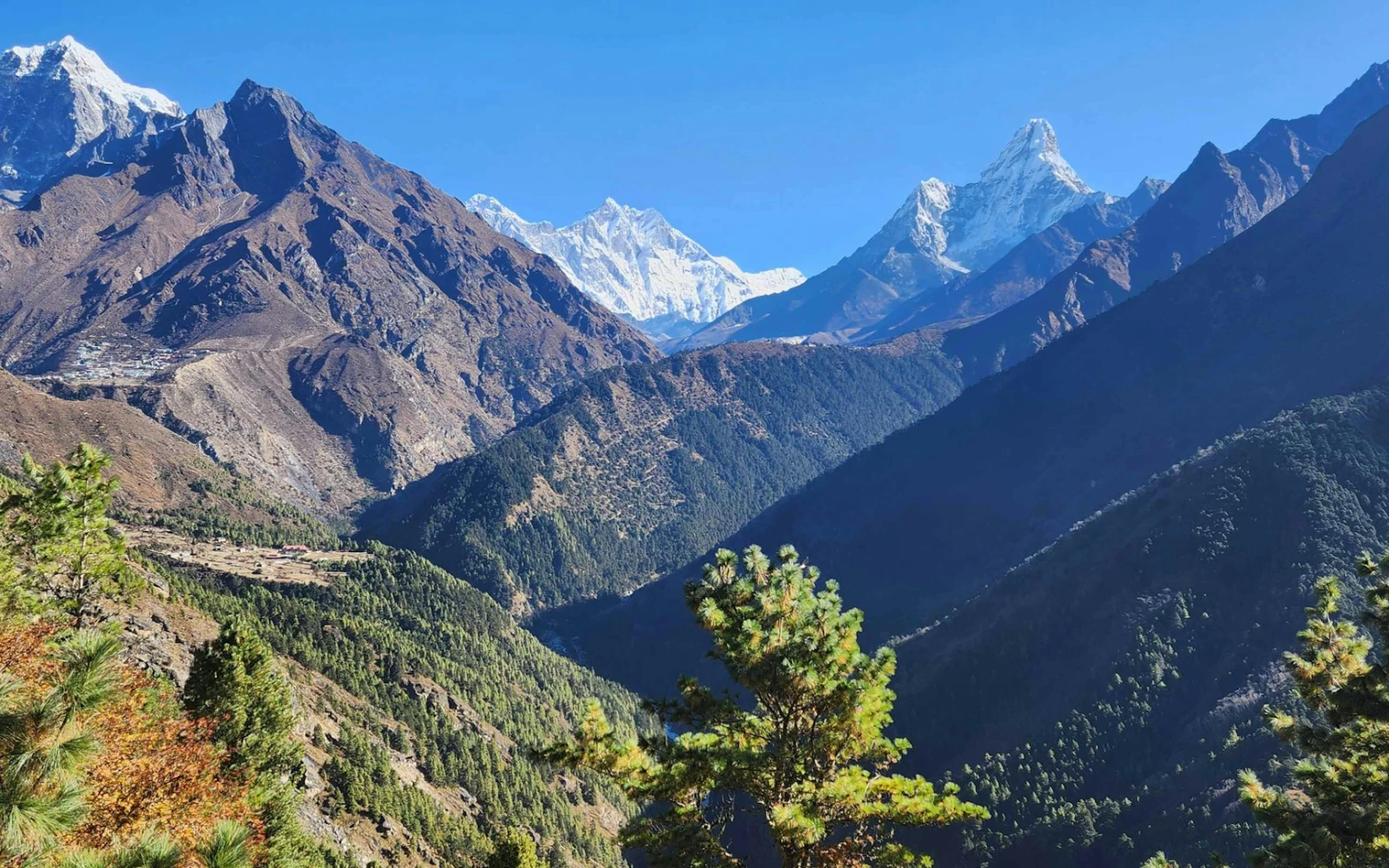
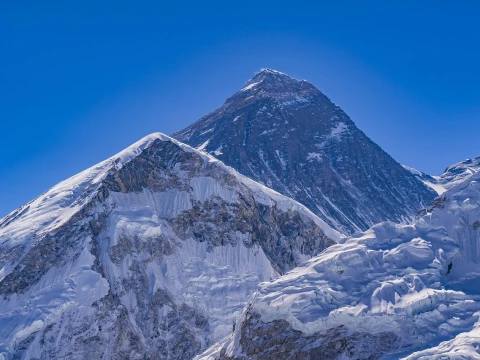
The Everest Base Camp (EBC) Trek with Mountain of Nepal is one of the most iconic treks in the world, offering breathtaking views of the world's highest peak, Mount Everest. The trek combines stunning natural landscapes, vibrant Sherpa culture, and the thrill of high-altitude adventure. Starting from Kathmandu, travelers experience ancient temples, bustling markets, and spiritual sites before heading to Lukla for the trek. The journey takes trekkers through scenic villages such as Namche Bazaar, Tengboche, and Dingboche, passing through rhododendron forests, suspension bridges over roaring rivers, and panoramic mountain vistas.Along the trek, hikers encounter the rich traditions of the Sherpa people, visit monasteries like Tengboche Monastery, and witness the ever-changing Himalayan landscape. The highlight is reaching Everest Base Camp, standing at 5,364 meters, and viewing Kala Patthar for a close-up perspective of Everest’s summit. The trek is not just a physical challenge but also a deeply spiritual and transformative experience.Stunning views of Everest, Lhotse, Ama Dablam, and other peaksAuthentic Sherpa culture and monasteriesAdventure through high-altitude landscapes and glaciersVisit the iconic Everest Base Camp and Kala PattharBest Season for Everest Base Camp TrekThe best seasons for the Everest Base Camp trek are pre-monsoon (March to May) and post-monsoon (late September to November). During these periods, the weather is stable, the skies are clear, and the mountain views are at their best. The pre-monsoon season brings blooming rhododendrons and moderate temperatures, while the post-monsoon season offers crisp air, vibrant landscapes, and minimal rainfall.Winter treks (December to February) are possible but extremely cold, with heavy snow in higher regions, making trekking difficult. The monsoon season (June to August) is the least favorable due to heavy rainfall, leeches, and frequent landslides. Timing your trek during the optimal season ensures safety, comfort, and the best photographic opportunities.Season Summary:March–May: Blooming flowers, moderate temperatures, clear skiesSeptember–November: Stable weather, excellent visibility, dry trailsDecember–February: Cold, snowy, fewer crowdsJune–August: Monsoon, slippery trails, limited mountain viewsEverest Base Camp Trek Difficulty and TransportationThe EBC Trek is considered moderate to challenging, primarily due to high altitude and long trekking days. Hikers need basic fitness, stamina, and preparation for sudden weather changes. Trekking days average 4 to 8 hours, with gradual altitude gains for acclimatization.Transportation begins with a scenic flight from Kathmandu to Lukla, one of the most adventurous flights in the world. The trek then proceeds on foot, following well-marked trails and passing through remote villages and rugged terrain. Helicopter services are available for emergencies or short-distance transfers but are not part of the standard trek.Trekking Difficulty and Transportation:Moderate to challenging trek, high-altitude trekking experience recommendedAverage trekking: 4–8 hours per dayPrimary access: Flight from Kathmandu to LuklaOn-foot trekking through villages, suspension bridges, and Himalayan trailsOptional helicopter evacuation in emergenciesFood and Accommodation for Everest Base Camp TrekThe EBC trek is well-supported with tea houses and lodges along the trail. Accommodation ranges from basic rooms with shared bathrooms to private, more comfortable lodges in larger villages like Namche Bazaar and Dingboche. At higher elevations, facilities are simpler, often with limited hot water and heating.Food on the trek is hearty and designed to fuel long hiking days. Staples include dal bhat (rice and lentil soup), noodles, soups, pancakes, and Tibetan specialties such as momos. Fresh vegetables and meats are available in larger villages, while simpler meals are served in remote areas. Trekkers are advised to drink boiled or bottled water and carry energy snacks for long treks.Accommodation and Food Highlights:Tea houses and lodges along the trekking routeSimple rooms with shared bathrooms; limited hot water at higher altitudesTraditional Sherpa meals and international optionsHigh-energy snacks are recommended for altitude and staminaEverest Base Camp Trek PermitsTrekking to Everest Base Camp requires official permits for safety and conservation purposes. Trekkers must obtain:TIMS Card (Trekkers’ Information Management System) – issued in Kathmandu, required for all trekkers in NepalSagarmatha National Park Permit – mandatory for the EBC route, ensuring the protection of flora, fauna, and cultural sitesMountain of Nepal facilitates all permit arrangements for trekkers, ensuring a smooth and hassle-free process. Carrying permits is mandatory, and authorities may check them along the trekking route.Permit Summary:TIMS Card – trekking registration and safety managementSagarmatha National Park Permit – conservation and park entryManaged by a trekking company for convenienceWhy Choose Everest Base Camp Trek with Mountain of NepalChoosing Mountain of Nepal ensures a safe, well-organized, and memorable EBC experience. The company provides expert guides familiar with high-altitude trekking, experienced porters, and well-planned itineraries with acclimatization days. Their services focus on safety, comfort, and local cultural immersion, making the trek enjoyable for both novice and seasoned hikers.Mountain of Nepal emphasizes eco-friendly trekking, supporting local Sherpa communities, and providing modern support in remote regions. With detailed pre-trek briefings, 24/7 assistance, and flexible itineraries, they make the Everest Base Camp trek an unforgettable adventure.Why Choose Mountain of Nepal:Experienced guides and support staffSafe, well-planned itineraries with acclimatization daysFocus on cultural immersion and eco-friendly practicesSupport for local communities and authentic experiences
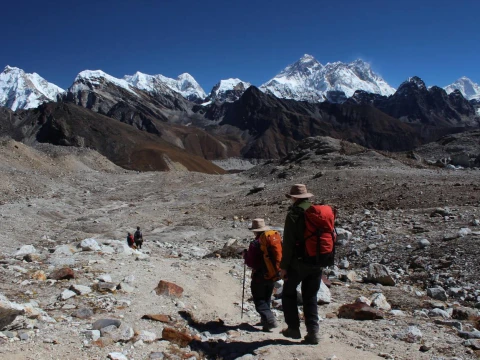
The Everest Three Pass Trek is one of the most challenging and rewarding trekking adventures in the Everest region of Nepal. Operated by Mountain of Nepal, this journey combines high-altitude passes, iconic viewpoints, remote valleys, and cultural Sherpa villages into a single, epic circuit. The trek crosses three major Himalayan passes—Kongma La (5,535 m), Cho La (5,420 m), and Renjo La (5,360 m)—offering panoramic views of Everest, Lhotse, Makalu, and Cho Oyu.This 22-day itinerary begins in Kathmandu and follows the classic Khumbu trail through Lukla, Phakding, and Namche Bazaar before branching into remote alpine routes. Unlike the standard Everest Base Camp trek, this route circles the entire Khumbu region, giving trekkers a more complete and adventurous Himalayan experience. Highlights include Everest Base Camp, Kala Patthar sunrise view, Gokyo Lakes, and Gokyo Ri summit.The trek is designed for physically fit trekkers who want both adventure and immersion in Sherpa culture. It is not just a trek but a full alpine expedition that demands endurance, proper acclimatization, and mental resilience.Cross 3 high Himalayan passes above 5,300 mVisit Everest Base Camp (5,364 m)Summit Kala Patthar (5,545 m approx viewpoint)Explore Gokyo Lakes and Gokyo RiExperience Sherpa villages and Buddhist monasteriesOrganized support by Mountain of NepalBest Season for Everest Three Pass TrekThe best time to undertake the Everest Three Pass Trek with Mountain of Nepal is during the spring (March to May) and autumn (September to November) seasons. These periods provide the most stable weather conditions, clear mountain views, and safer crossing of high-altitude passes. Spring brings blooming rhododendrons and slightly warmer temperatures, while autumn offers crystal-clear skies after the monsoon season.Winter (December to February) is extremely cold, especially at high passes like Kongma La and Cho La, where heavy snowfall can block trails. Similarly, the monsoon season (June to August) brings rain, landslides, and poor visibility, making trekking risky and less enjoyable.Mountain of Nepal always recommends planning the trek during peak seasons to ensure safety, better logistics, and the best possible Himalayan views. Weather in the Everest region can still change quickly, so proper preparation is essential even during favorable months.Best seasonal guide:Spring (Mar–May): Flowers, stable weather, good visibilityAutumn (Sep–Nov): Best mountain views, dry trailsWinter (Dec–Feb): Very cold, high pass risksMonsoon (Jun–Aug): Not recommendedKey points:Clear skies = safer pass crossingPeak trekking comfort in spring/autumnBetter flight reliability to LuklaIdeal photography conditionsEverest Three Pass Trek Difficulty and TransportationThe Everest Three Pass Trek is considered a strenuous and high-difficulty trek, suitable for experienced trekkers with good physical fitness. The challenge comes from long trekking days, steep ascents and descents, and crossing three high-altitude passes above 5,300 meters. Altitude sickness risk is significant, which is why proper acclimatization days in Namche and Dingboche are included in the itinerary by Mountain of Nepal.The terrain varies from rocky trails and glaciers to icy mountain passes. Weather conditions can change rapidly, and trekkers must be prepared for snow, wind, and freezing temperatures at higher elevations. Despite its difficulty, the trek is non-technical, meaning no climbing equipment is required, but endurance and stamina are essential.Transportation begins with a scenic flight from Kathmandu to Lukla, one of the world’s most famous mountain airports. From Lukla onward, all travel is on foot. Return flights from Lukla to Kathmandu complete the journey. Mountain of Nepal manages all logistics, ensuring safe flights, experienced guides, and porter support.Difficulty highlights:Very strenuous high-altitude trek3 passes above 5,300 m6–8 hours walking dailyRisk of altitude sicknessRequires a good fitness levelTransportation details:Kathmandu → Lukla: 30–35 min mountain flightTrekking: Entirely on foot after LuklaLukla → Kathmandu return flightPorter and guide support includedFood and Accommodation for Everest Three Pass TrekDuring the Everest Three Pass Trek, accommodation is mainly in teahouses and mountain lodges, which are simple but comfortable enough for trekkers. Managed through Mountain of Nepal, these lodges provide basic rooms with twin beds, blankets, and shared bathroom facilities in most locations. In lower regions like Namche Bazaar, facilities are more developed, while higher areas like Gokyo or Lobuche are more basic due to remoteness.Food is prepared fresh in local teahouses and includes a mix of Nepali, Tibetan, and limited international dishes. The most common meal is Dal Bhat (rice, lentils, vegetables), which provides high energy for trekking. Other options include noodles, soups, pasta, potatoes, and eggs. As altitude increases, food options become more limited and expensive due to transportation challenges.Hydration is extremely important, and trekkers are advised to drink boiled or purified water. Mountain of Nepal guides ensure safe food choices and hygienic accommodation throughout the journey.Accommodation highlights:Teahouse lodges throughout the routeBasic twin-sharing roomsHot showers (extra cost in higher regions)Limited Wi-Fi in the lower villagesFood highlights:Dal Bhat (energy-rich staple)Noodles, pasta, soupsTibetan bread, eggs, potatoesHot drinks (tea, coffee, ginger tea)Key points:Simple but sufficient mountain lodgingFreshly cooked meals dailyHigher altitude = limited varietyHydration is critical for acclimatizationEverest Three Pass Trek PermitsTo complete the Everest Three Pass Trek, several trekking permits are required, all of which are arranged by Mountain of Nepal for a hassle-free experience. These permits ensure entry into the protected areas of the Khumbu region and support conservation efforts and local communities.The main permit is the Sagarmatha National Park Entry Permit, which is required once trekkers enter the Everest region. Additionally, a Khumbu Pasang Lhamu Rural Municipality Permit is mandatory for trekking in the local area. These permits are checked at various checkpoints along the route.Trekkers flying into Lukla or trekking from Jiri/Salleri (alternative routes) still require these permits before entering restricted zones. Proper documentation is essential, and carrying permits at all times is required.Mountain of Nepal handles all paperwork in advance, ensuring trekkers do not face delays or confusion during the journey.Required permits:Sagarmatha National Park Entry PermitKhumbu Pasang Lhamu Rural Municipality PermitTIMS Card (depending on regulations at the time)Key points:Mandatory for all Everest region trekkersChecked at multiple trail checkpointsArranged fully by Mountain of NepalSupports conservation and local developmentWhy Choose Everest Three Pass Trek with Mountain of NepalChoosing Mountain of Nepal for the Everest Three Pass Trek ensures a safe, well-organized, and professionally guided Himalayan adventure. This trek is physically demanding and logistically complex, and having an experienced local operator significantly improves safety, comfort, and overall experience.Mountain of Nepal provides expert licensed guides, experienced porters, and carefully planned itineraries with proper acclimatization days. Safety is the top priority, especially when crossing high passes like Cho La, Kongma La, and Renjo La, where weather conditions can change rapidly. The company also offers emergency support and flexible itinerary management when needed.Beyond logistics, trekkers benefit from deep cultural insight into Sherpa life, Buddhist monasteries, and Himalayan traditions. The journey becomes not just a physical challenge but also a meaningful cultural experience.Why choose Mountain of Nepal:Experienced local trekking guidesSafe and well-planned itineraryProper acclimatization scheduleEmergency support systemPorter supports comfortAuthentic cultural experienceFull permit and logistics handlingKey points:Professional high-altitude trekking managementStrong safety and rescue awarenessPersonalized trekking supportLocal expertise in the Everest regionSmooth airport, flight, and lodge coordination
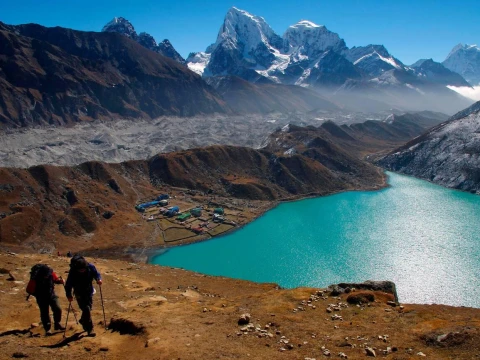
The Gokyo Lake Trek is one of the most scenic and rewarding trekking adventures in the Everest region of Nepal. Operated by Mountain of Nepal, this 12-day journey takes you through lush forests, Sherpa villages, high alpine valleys, and the breathtaking turquoise Gokyo Lakes. Unlike the busier Everest Base Camp route, the Gokyo Valley trek offers a quieter and more peaceful Himalayan experience while still delivering spectacular views of Mount Everest, Cho Oyu, Lhotse, and Makalu.The trek begins with a short flight to Lukla and gradually ascends through Phakding, Namche Bazaar, Dole, Machhermo, and finally Gokyo (4,800 m). One of the major highlights is the climb to Gokyo Ri (5,357 m), which offers one of the best panoramic viewpoints in the entire Himalayas. The return journey follows the same scenic route, allowing trekkers to re-experience the beauty of the Khumbu region from a different perspective.Stunning views of Everest and the surrounding peaksSix major turquoise Gokyo LakesGokyo Ri panoramic viewpointSherpa culture and traditional villagesLess crowded than the Everest Base Camp trailBest Season for Gokyo Lake TrekThe best time to undertake the Gokyo Lake Trek with Mountain of Nepal is during the pre-monsoon (spring) and post-monsoon (autumn) seasons. These periods provide stable weather, clear mountain views, and comfortable trekking conditions. Spring (March to May) is especially beautiful as rhododendrons bloom across the lower hills, adding vibrant colors to the landscape. Autumn (September to November) is considered the peak trekking season due to crystal-clear skies and excellent visibility of Himalayan peaks.Winter trekking (December to February) is possible but challenging due to heavy snowfall and extreme cold at higher altitudes like Gokyo and Machhermo. Similarly, the monsoon season (June to August) is not recommended due to rain, slippery trails, and poor visibility, although the region becomes lush and green.Choosing the right season significantly enhances safety and enjoyment, and Mountain of Nepal ensures proper planning based on weather conditions.Best season summary:Spring (Mar–May): Flowers, mild weather, clear viewsAutumn (Sep–Nov): Best visibility, stable weatherWinter (Dec–Feb): Cold, snow, fewer trekkersMonsoon (Jun–Aug): Wet, slippery, low visibilityGokyo Lake Trek Difficulty and TransportationThe Gokyo Lake Trek is considered a moderate to moderately challenging trek, suitable for trekkers with good physical fitness. While no technical climbing is required, the high altitude above 4,500 meters makes acclimatization very important. The route includes long trekking days, steep ascents, and thin air, especially when climbing Gokyo Ri (5,357 m). However, with proper pacing and guidance from Mountain of Nepal, most fit beginners can complete the trek.Transportation begins with a thrilling domestic flight from Kathmandu to Lukla, one of the world’s most famous mountain airports. From Lukla, all travel is on foot along well-marked Himalayan trails. Porters and guides provided by Mountain of Nepal assist in carrying luggage and navigating the route safely. Emergency helicopter evacuation is also available if required.Difficulty and transport points:Moderate to challenging due to altitudeNo technical climbing requiredFlight: Kathmandu → Lukla (weather dependent)Trekking: Fully on foot after LuklaPorter and guide support availableFood and Accommodation for Gokyo Lake TrekAccommodation during the Gokyo Lake Trek is mainly in traditional teahouses run by local Sherpa families. These lodges provide basic but comfortable rooms, usually with twin beds and shared bathrooms. In lower regions like Namche Bazaar, facilities are more developed, while higher areas like Gokyo and Machhermo offer more basic but cozy accommodations. Mountain of Nepal carefully selects reliable teahouses to ensure safety, cleanliness, and good hospitality.Food is freshly prepared in teahouses and includes a mix of Nepali, Tibetan, and simple international dishes. The most common meal is Dal Bhat (rice, lentils, vegetables), which is highly nutritious and provides energy for trekking. Other options include noodles, pasta, soups, pancakes, and eggs. As altitude increases, food options become limited and slightly more expensive due to transportation costs.Food & accommodation summary:Teahouse lodging throughout the routeBasic rooms with shared bathroomsNutritious local and international mealsDal Bhat is the main energy foodHot drinks like tea, coffee, and soup are availableGokyo Lake Trek PermitsTo complete the Gokyo Lake Trek, trekkers must obtain certain official permits required by the Nepal government. These permits help regulate tourism, support conservation, and maintain trekking trails. Mountain of Nepal manages all necessary paperwork and ensures trekkers receive the correct documentation before starting the journey.The main permits required are the Sagarmatha National Park Entry Permit and the Khumbu Pasang Lhamu Rural Municipality Permit. These are checked at various entry points along the trekking route. Trekkers must carry a valid identification (passport copy) and passport-sized photos for processing. Without these permits, entry into the Everest region is not allowed.Permit details:Sagarmatha National Park Entry PermitKhumbu Pasang Lhamu Rural Municipality PermitPassport and photo requiredChecked at multiple checkpointsManaged by Mountain of NepalWhy Choose the Gokyo Lake TrekThe Gokyo Lake Trek stands out as one of the most beautiful and peaceful trekking routes in the Everest region. Unlike the crowded Everest Base Camp trail, Gokyo offers a quieter journey with equally stunning Himalayan views. With Mountain of Nepal, trekkers receive professional guidance, experienced local guides, and well-organized logistics that ensure a safe and memorable adventure.One of the biggest reasons to choose this trek is the unique combination of turquoise glacial lakes, dramatic mountain scenery, and authentic Sherpa culture. The climb to Gokyo Ri offers arguably the best panoramic view of Everest, Cho Oyu, and the surrounding peaks. Additionally, the route passes through traditional villages where trekkers can experience local hospitality and Buddhist culture.Why choose this trek:Less crowded than Everest Base CampSpectacular Gokyo Lakes and glaciersGokyo Ri viewpoint (5,357 m)Rich Sherpa culture experienceFully organized by Mountain of Nepal
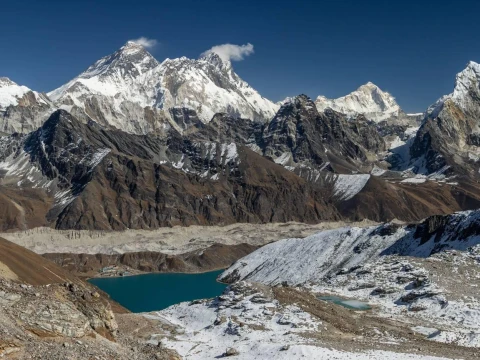
The Everest Base Camp Trek via Gokyo Lake is one of the most scenic and diverse trekking routes in the Everest region, combining two iconic experiences: the classic Everest Base Camp trail and the breathtaking turquoise lakes of Gokyo Valley. This route is ideal for trekkers who want a less crowded alternative to the traditional EBC route while still experiencing the grandeur of Mount Everest, Cho Oyu, Lhotse, and Makalu. Operated by Mountain of Nepal, this itinerary is carefully designed to balance adventure, acclimatization, and cultural immersion.The journey begins in Kathmandu and continues with a thrilling flight to Lukla, followed by a gradual ascent through Sherpa villages, dense forests, and high-altitude valleys. The trek then diverts toward Gokyo Valley, offering stunning views of glacial lakes and the Ngozumpa Glacier, before crossing the challenging Cho La Pass to reconnect with the EBC trail. The return route completes a full circuit, making the experience more rewarding and less repetitive.This trek is not just about reaching Everest Base Camp; it is about experiencing Himalayan culture, Buddhist heritage, and dramatic landscapes. Mountain of Nepal ensures well-paced trekking days, experienced guides, and proper acclimatization support for safety and success.Combination of Everest Base Camp and Gokyo LakesCrossing high-altitude Cho La Pass (5,420m)Panoramic views from Gokyo Ri and Kala PattharSherpa culture and Buddhist monasteriesLess crowded alternative trekking routeBest Season for Everest Base Camp Trek via Gokyo LakeThe best seasons for the Everest Base Camp Trek via Gokyo Lake are spring (March–May) and autumn (September–November). During these periods, the weather is stable, the skies are clear, and the mountain views are at their best. Spring offers blooming rhododendron forests and slightly warmer temperatures, while autumn provides crystal-clear visibility after the monsoon season, making it ideal for photography and high-altitude trekking.Winter (December–February) is also possible but extremely cold, especially near Gokyo and Cho La Pass, which may be blocked by snow. Similarly, the monsoon season (June–August) brings heavy rainfall, slippery trails, and flight delays to Lukla, making trekking less reliable during this period. Mountains of Nepal strongly recommends planning your trek during peak seasons for safety and a better experience.Proper seasonal planning also helps with acclimatization and reduces the risk of altitude sickness. Weather conditions at higher elevations like Gokyo Ri, Cho La Pass, and Everest Base Camp can change quickly, so choosing the right season is essential.Key Points:Best seasons: Spring (Mar–May) & Autumn (Sep–Nov)Clear skies and stable weather conditionsWinter: possible but very cold and riskyMonsoon: not recommended due to rain and landslidesPeak seasons ensure better mountain visibilityEverest Base Camp Trek via Gokyo Lake: Difficulty and TransportationThis trek is considered moderate to challenging due to long trekking days, high altitude, and the crossing of Cho La Pass. While no technical climbing is required, trekkers must be physically fit and mentally prepared for altitude variations reaching above 5,000 meters. The combination of steep ascents, rocky terrain, and glacier crossings makes it more demanding than the standard Everest Base Camp route.Transportation begins with a scenic but adventurous flight from Kathmandu to Lukla, one of the world’s most thrilling airports. From Lukla, all transportation is on foot until the return flight. In case of flight delays, Mountain of Nepal provides contingency arrangements such as helicopter options or buffer days in Kathmandu.Proper acclimatization days in Namche Bazaar and Gokyo Valley are essential to reduce altitude sickness risks. Trekkers should train in advance with cardio exercises, hiking practice, and endurance building.Key Points:Difficulty level: Moderate to ChallengingMaximum altitude: Kala Patthar (5,545m)Flight: Kathmandu – Lukla – KathmanduMajor challenge: Cho La Pass crossing (5,420m)Requires good physical fitness and staminaFood and Accommodation for Everest Base Camp Trek via Gokyo LakeAccommodation along the trek is mainly in teahouses and mountain lodges, which provide basic but comfortable facilities. Rooms are usually twin-sharing with simple bedding. As altitude increases, facilities become more basic, but hospitality remains warm and welcoming. The mountains of Nepal ensure clean and safe lodging throughout the journey.Food is available in teahouses with a mix of Nepali, Tibetan, and international dishes. The most common and recommended meal is Dal Bhat (rice, lentils, vegetables), which provides high energy for trekking. Other options include noodles, soups, pasta, potatoes, and tea/coffee. At higher altitudes, menu variety becomes limited due to transportation constraints.Safe drinking water is available through boiled water or purification tablets. It is important to stay hydrated to prevent altitude sickness. Mountain of Nepal guides assist trekkers in choosing hygienic food and maintaining proper nutrition during the trek.Key Points:Accommodation: Teahouses/mountain lodgesBasic twin-sharing rooms at a higher altitudeFood: Nepali, Tibetan, and basic international dishesRecommended meal: Dal Bhat (energy-rich)Safe drinking water via boiled or purified sourcesEverest Base Camp Trek via Gokyo Lake PermitsTo complete the Everest Base Camp Trek via Gokyo Lake, several trekking permits are required, all of which are managed by Mountain of Nepal for convenience. These permits ensure legal entry into the Sagarmatha National Park and Khumbu region, helping preserve the environment and support local communities.The main permits include the Sagarmatha National Park Entry Permit and the Khumbu Pasang Lhamu Rural Municipality Permit. These are mandatory for all trekkers. Depending on route updates, additional conservation fees may apply.Trekkers must carry passport copies and passport-sized photos for permit processing. Mountain of Nepal handles all documentation, ensuring a smooth trekking experience without administrative stress. Permits are checked at multiple entry points along the route.Key Points:Sagarmatha National Park Entry Permit requiredKhumbu Pasang Lhamu Rural Municipality Permit requiredManaged fully by Mountain of NepalPassport copy and photos neededChecked at multiple trekking checkpointsWhy Choose the Everest Base Camp Trek via Gokyo LakeChoosing the Everest Base Camp Trek via Gokyo Lake with Mountain of Nepal offers a more complete Himalayan experience compared to the standard EBC route. This itinerary includes both the famous Everest Base Camp and the stunning Gokyo Lakes, along with the adventure of crossing Cho La Pass, making it one of the most diverse trekking circuits in Nepal.This route is less crowded, allowing trekkers to enjoy peaceful trails, better photography opportunities, and deeper cultural interaction with Sherpa communities. The inclusion of Gokyo Ri provides one of the best panoramic viewpoints in the entire Everest region, often considered superior to Kala Patthar by many trekkers.Mountain of Nepal ensures experienced guides, safety-focused planning, proper acclimatization, and personalized support throughout the journey. Their expertise helps trekkers complete high-altitude challenges while enjoying the natural and cultural richness of the Himalayas.Key Points:Combines EBC + Gokyo Lakes + Cho La PassLess crowded and more scenic routeBest panoramic views from Gokyo RiStrong cultural immersion with Sherpa villagesGuided and organized by Mountain of Nepal
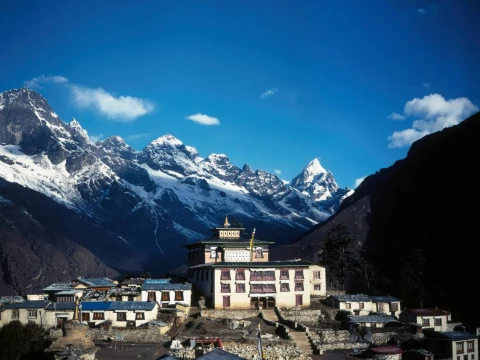
The Everest Panorama Trek operated by Mountain of Nepal is a beautifully balanced Himalayan journey designed for trekkers who want breathtaking Everest views without the extreme altitude challenge of a full Everest Base Camp trek. This itinerary passes through iconic Sherpa villages, ancient monasteries, and panoramic viewpoints that showcase the grandeur of the Khumbu region. The route is carefully designed to offer cultural depth along with natural beauty, making it ideal for beginners, families, and photographers.This trek begins in Kathmandu and moves toward the legendary Everest region via a scenic flight to Lukla. From there, the trail follows traditional routes through places like Phakding, Namche Bazaar, Tengboche Monastery, Khumjung Village, and Monjo. Each destination offers unique Himalayan perspectives, from Buddhist monasteries to sweeping views of Everest, Ama Dablam, and Thamserku.Stunning Everest and Himalayan panoramic viewpointsCultural experience in Sherpa villagesVisit to famous monasteries like TengbocheModerate trekking difficulty suitable for most trekkersProfessionally guided experience by Mountain of NepalBest Season for Everest Panorama TrekThe best time to undertake the Everest Panorama Trek with Mountain of Nepal is during the pre-monsoon (spring) and post-monsoon (autumn) seasons. These periods provide the clearest skies, stable weather conditions, and the best mountain visibility, which is essential for enjoying panoramic views of Everest and surrounding peaks.Spring (March to May) offers blooming rhododendron forests, mild temperatures, and vibrant landscapes along the trail. Autumn (September to November) is considered the peak trekking season due to crystal-clear skies and excellent visibility of the Himalayan ranges. Winter trekking is possible, but colder conditions and occasional snowfall can make trails more challenging, while the monsoon season (June to August) brings heavy rainfall and poor visibility.Season Highlights:Spring (Mar–May): Flowers, greenery, stable weatherAutumn (Sep–Nov): Best visibility and trekking conditionsWinter (Dec–Feb): Cold but quiet trailsMonsoon (Jun–Aug): Not recommended due to rain and landslidesMountain of Nepal always schedules treks considering seasonal safety and optimal mountain views for clients.Everest Panorama Trek Difficulty and TransportationThe Everest Panorama Trek is considered a moderate-level trek, making it suitable for beginners with basic fitness and for experienced trekkers who want a shorter Himalayan experience. Daily walking ranges between 4 and 6 hours on well-established trails. The altitude gradually increases, allowing proper acclimatisation and reducing the risk of altitude sickness.The journey begins with a thrilling mountain flight from Kathmandu to Lukla, one of the most famous airstrips in the world. From Lukla, the trekking route follows gradual ascents through river valleys, suspension bridges, and traditional settlements. Acclimatisation is supported through a rest day in Namche Bazaar, ensuring safer altitude progression.Difficulty & Transport Points:Moderate trekking difficulty (suitable for beginners with fitness)4–6 hours average walking per dayScenic flight Kathmandu → Lukla → KathmanduGradual altitude gain for safe acclimatisationManaged logistics by Mountain of Nepal for smooth travelFood and Accommodation for Everest Panorama TrekAccommodation during the Everest Panorama Trek is mainly in traditional teahouses run by local Sherpa families. These lodges provide basic but comfortable facilities, including twin-sharing rooms, warm blankets, and communal dining areas. In lower elevations like Lukla and Namche Bazaar, facilities are more developed, while higher villages offer simpler accommodations reflecting remote Himalayan living conditions.Food is freshly prepared at teahouses and includes a mix of Nepali, Tibetan, and basic international dishes. The most popular meal is dal bhat (rice, lentils, vegetables), which provides high energy for trekking days. Other options include noodles, soups, potatoes, eggs, pancakes, and tea/coffee. The mountain of Nepal ensures hygienic food arrangements and recommends nutritious meals for altitude adaptation.Accommodation & Food Highlights:Teahouse accommodation throughout the trekTwin-sharing rooms with basic amenitiesFreshly cooked local and international mealsHigh-energy food options like dal bhatSafe and hygienic arrangements by Mountain of NepalEverest Panorama Trek PermitsTo undertake the Everest Panorama Trek, trekkers require official trekking permits issued by the Nepal government. Mountain of Nepal manages all permit arrangements on behalf of clients to ensure a hassle-free experience. The primary permits include the Sagarmatha National Park Entry Permit and the Khumbu Pasang Lhamu Rural Municipality Permit.These permits are essential for entering the protected areas of the Everest region and for conservation support. All documents are checked at multiple entry points, such as Monjo and other checkpoints along the trail. Carrying a valid identification (passport) is mandatory during the trekking process.Permit Requirements:Sagarmatha National Park Entry PermitKhumbu Rural Municipality PermitPassport copy and passport-sized photosIssued and managed by Mountain of NepalRequired for all trekkers entering the Everest regionProper permit handling ensures legal compliance and supports local conservation efforts.Why Choose Everest Panorama TrekThe Everest Panorama Trek is ideal for those who want to experience the magic of the Everest region without committing to a long or extremely challenging expedition. It provides a perfect combination of Himalayan scenery, Sherpa culture, and accessible trekking routes. With Mountain of Nepal, trekkers receive professional guidance, safety assurance, and personalised support throughout the journey.Unlike longer Everest Base Camp treks, this itinerary is shorter yet still delivers unforgettable views of Everest and surrounding peaks. It also includes cultural immersion in monasteries like Tengboche Monastery and vibrant villages such as Namche Bazaar. The trek is well-paced, allowing trekkers to enjoy nature without physical overload.Why Choose This Trek:Short and scenic Everest experienceSuitable for beginners and familiesRich Sherpa culture and monastery visitsSafe itinerary with acclimatisation daysFully organised by Mountain of Nepal
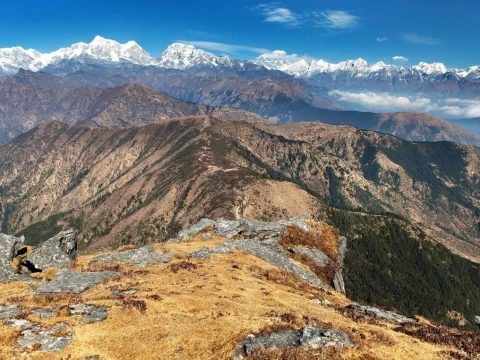
The Pikey Peak Trek is one of the most scenic and culturally rich short treks in the lower Everest region of Nepal, organized professionally by Mountain of Nepal. This trek offers an exceptional Himalayan experience without the extreme altitude risks of higher Everest Base Camp routes. Starting from the bustling capital city of Kathmandu (1,400m), the journey gradually ascends through rural settlements, lush hills, rhododendron forests, and high ridges before reaching the summit of Pikey Peak (4,065m).What makes this trek special is its panoramic view of the Himalayan range, including Mount Everest, Makalu, Kanchenjunga, and other surrounding peaks. The itinerary is carefully designed to balance acclimatization and cultural immersion, passing through traditional Sherpa and Tamang villages such as Jhapre, Junbesi, and Phaplu. Each day offers a combination of natural beauty and authentic Himalayan lifestyle experiences.Stunning sunrise view from Pikey Peak summitClose cultural interaction with Sherpa communitiesVisit to ancient monasteries like ThuptenchholingScenic drive from Kathmandu to Dhap BazaarLess crowded trekking trails compared to the Everest regionMountain of Nepal ensures a safe, guided, and enriching experience, combining local expertise with professional trekking support.Best Season for Pikey Peak TrekThe best time to undertake the Pikey Peak Trek is during the spring (March to May) and autumn (September to November) seasons. These periods offer the clearest mountain views, stable weather conditions, and comfortable trekking temperatures. The trails are especially beautiful in spring when rhododendron forests bloom with vibrant colors across the lower Himalayan slopes.Autumn is considered the peak trekking season in Nepal due to post-monsoon clarity, dry trails, and excellent visibility of the Himalayan range. Winter trekking is possible but can be challenging due to heavy snowfall at higher elevations like Pikey Peak Base Camp (3,640m). The monsoon season (June to August) is generally avoided because of slippery trails, leeches in lower forests, and limited mountain visibility.Seasonal advantages:Spring (Mar–May): Blooming forests, mild temperatures, colorful landscapesAutumn (Sep–Nov): Best visibility, stable weather, ideal photography conditionsWinter (Dec–Feb): Snow views, fewer crowds, colder conditionsMonsoon (Jun–Aug): Green landscapes but poor visibility and muddy trailsMountain of Nepal recommends spring and autumn departures for the safest and most rewarding trekking experience. Proper seasonal planning ensures better acclimatization, enjoyable hiking conditions, and unforgettable Himalayan scenery.Pikey Peak Trek Difficulty and TransportationThe Pikey Peak Trek is classified as a moderate-level trek, suitable for beginners with basic fitness as well as experienced trekkers looking for a quieter Himalayan route. The highest point is Pikey Peak at 4,065 meters, which is manageable compared to higher-altitude treks in Nepal. However, daily walking durations of 5–7 hours require stamina and gradual acclimatization.The trek involves a combination of driving and trekking. The journey begins with a scenic drive from Kathmandu to Dhap Bazaar (2,850m), which takes approximately 8–10 hours depending on road conditions. From there, trekking begins through Jhapre, Pikey Peak Base Camp, and onward to the summit. The return route continues through Jasmane Bhanjyang, Junbesi, and Phaplu before driving back to Kathmandu.Difficulty breakdown:Moderate altitude gain (safe acclimatization profile)Daily trekking: 5–7 hours averageSome steep ascents and descents near the summitCold temperatures at higher elevationsRequires basic physical fitness and enduranceTransportation highlights:Private/local jeep or bus from Kathmandu to Dhap BazaarTrekking routes are fully on footReturn drive from Phaplu to KathmanduMountain of Nepal ensures safe transportation arrangements, experienced guides, and flexible pacing to match group fitness levels.Food and Accommodation for Pikey Peak TrekFood and accommodation along the Pikey Peak Trek are simple but comfortable, reflecting the remote mountain lifestyle of the region. Tea houses and local lodges are available throughout the route, especially in villages like Jhapre, Junbesi, and Phaplu. Rooms are generally twin-sharing with basic bedding, warm blankets, and shared bathroom facilities.Meals are freshly prepared by local tea houses and include a mix of Nepali and basic international dishes. The most common meal is Dal Bhat (rice, lentil soup, vegetables), which provides high energy for trekking. Other options include noodles, soups, pasta, pancakes, eggs, and Tibetan bread. At higher altitudes like Pikey Peak Base Camp, food variety becomes more limited due to transportation constraints.Accommodation and food highlights:Basic but clean tea house accommodationTwin-sharing rooms with shared toiletsHot meals prepared fresh dailyDal Bhat, noodles, soups, and eggs as main energy foodsLimited menu at higher altitude campsMountain of Nepal ensures hygienic meal arrangements and selects the best available lodges along the route. Clean drinking water, boiled or purified, is available at most stops, though trekkers are encouraged to carry water purification tablets or filters for safety.Pikey Peak Trek PermitsTo undertake the Pikey Peak Trek, certain permits are required as the route passes through regulated trekking and conservation areas of Nepal. Mountain of Nepal handles all permit arrangements for trekkers to ensure a hassle-free experience from arrival to departure.The main permits required include the TIMS (Trekkers’ Information Management System) card and the Gaurishankar Conservation Area Permit (GCAP), as parts of the route fall under protected regions. These permits help support conservation efforts and ensure trekkers’ safety and tracking throughout the journey.Permit details:TIMS Card for trek registration and safety trackingGaurishankar Conservation Area Permit (GCAP)Issued in Nepal through authorized agenciesRequired for all foreign trekkersManaged fully by Mountain of Nepal on behalf of clientsTrekkers are required to provide a valid passport copy, visa details, and passport-sized photos before departure. No special restricted area permit is needed for the Pikey Peak Trek, making it one of the more accessible Himalayan trekking routes.Mountain of Nepal ensures all documentation is prepared in advance so trekkers can focus entirely on the experience rather than administrative procedures.Why Choose Pikey Peak Trek with Mountain of NepalChoosing the Pikey Peak Trek with Mountain of Nepal guarantees a well-organized, safe, and culturally immersive Himalayan journey. Unlike crowded routes in the Everest region, Pikey Peak offers a peaceful trekking environment with equally stunning mountain views and deeper cultural interaction with local communities.Mountain of Nepal specializes in personalized trekking experiences, ensuring small group sizes, experienced local guides, and flexible itineraries based on weather and fitness levels. The company prioritizes safety, acclimatization, and authentic cultural exposure throughout the journey.Reasons to choose this trek with Mountain of Nepal:Expert local guides with high-altitude experienceFully organized logistics (transport, permits, accommodation)Less crowded and more authentic trekking routePanoramic Everest region views from Pikey Peak summitCultural immersion in Sherpa and Tamang villagesFlexible pacing and strong safety protocolsThe company also focuses on responsible tourism by supporting local tea houses and communities along the route. This ensures that your trek contributes positively to the local economy while preserving the natural environment.


 (2)
(2)  100% recommend (0)
 (0)
(0)