Need help with booking? Send us a message.
The Everest Panorama Trek operated by Mountain of Nepal is a beautifully balanced Himalayan journey designed for trekkers who want breathtaking Everest views without the extreme altitude challenge of a full Everest Base Camp trek. This itinerary passes through iconic Sherpa villages, ancient monasteries, and panoramic viewpoints that showcase the grandeur of the Khumbu region. The route is carefully designed to offer cultural depth along with natural beauty, making it ideal for beginners, families, and photographers.
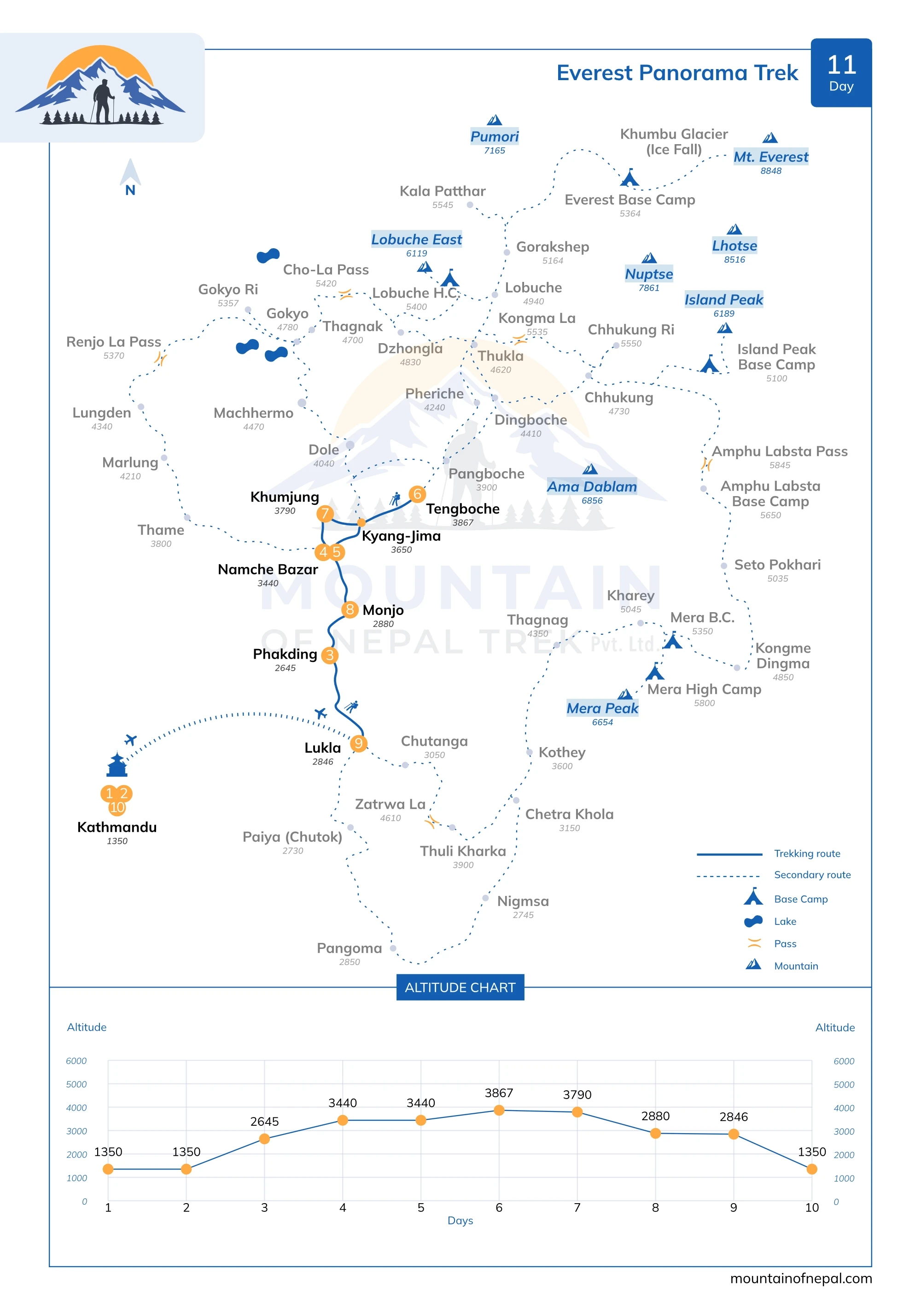
This trek begins in Kathmandu and moves toward the legendary Everest region via a scenic flight to Lukla. From there, the trail follows traditional routes through places like Phakding, Namche Bazaar, Tengboche Monastery, Khumjung Village, and Monjo. Each destination offers unique Himalayan perspectives, from Buddhist monasteries to sweeping views of Everest, Ama Dablam, and Thamserku.
The best time to undertake the Everest Panorama Trek with Mountain of Nepal is during the pre-monsoon (spring) and post-monsoon (autumn) seasons. These periods provide the clearest skies, stable weather conditions, and the best mountain visibility, which is essential for enjoying panoramic views of Everest and surrounding peaks.
Spring (March to May) offers blooming rhododendron forests, mild temperatures, and vibrant landscapes along the trail. Autumn (September to November) is considered the peak trekking season due to crystal-clear skies and excellent visibility of the Himalayan ranges. Winter trekking is possible, but colder conditions and occasional snowfall can make trails more challenging, while the monsoon season (June to August) brings heavy rainfall and poor visibility.
Season Highlights:
Mountain of Nepal always schedules treks considering seasonal safety and optimal mountain views for clients.
The Everest Panorama Trek is considered a moderate-level trek, making it suitable for beginners with basic fitness and for experienced trekkers who want a shorter Himalayan experience. Daily walking ranges between 4 and 6 hours on well-established trails. The altitude gradually increases, allowing proper acclimatisation and reducing the risk of altitude sickness.
The journey begins with a thrilling mountain flight from Kathmandu to Lukla, one of the most famous airstrips in the world. From Lukla, the trekking route follows gradual ascents through river valleys, suspension bridges, and traditional settlements. Acclimatisation is supported through a rest day in Namche Bazaar, ensuring safer altitude progression.
Difficulty & Transport Points:
Accommodation during the Everest Panorama Trek is mainly in traditional teahouses run by local Sherpa families. These lodges provide basic but comfortable facilities, including twin-sharing rooms, warm blankets, and communal dining areas. In lower elevations like Lukla and Namche Bazaar, facilities are more developed, while higher villages offer simpler accommodations reflecting remote Himalayan living conditions.
Food is freshly prepared at teahouses and includes a mix of Nepali, Tibetan, and basic international dishes. The most popular meal is dal bhat (rice, lentils, vegetables), which provides high energy for trekking days. Other options include noodles, soups, potatoes, eggs, pancakes, and tea/coffee. The mountain of Nepal ensures hygienic food arrangements and recommends nutritious meals for altitude adaptation.
Accommodation & Food Highlights:
To undertake the Everest Panorama Trek, trekkers require official trekking permits issued by the Nepal government. Mountain of Nepal manages all permit arrangements on behalf of clients to ensure a hassle-free experience. The primary permits include the Sagarmatha National Park Entry Permit and the Khumbu Pasang Lhamu Rural Municipality Permit.
These permits are essential for entering the protected areas of the Everest region and for conservation support. All documents are checked at multiple entry points, such as Monjo and other checkpoints along the trail. Carrying a valid identification (passport) is mandatory during the trekking process.
Permit Requirements:
Proper permit handling ensures legal compliance and supports local conservation efforts.
The Everest Panorama Trek is ideal for those who want to experience the magic of the Everest region without committing to a long or extremely challenging expedition. It provides a perfect combination of Himalayan scenery, Sherpa culture, and accessible trekking routes. With Mountain of Nepal, trekkers receive professional guidance, safety assurance, and personalised support throughout the journey.
Unlike longer Everest Base Camp treks, this itinerary is shorter yet still delivers unforgettable views of Everest and surrounding peaks. It also includes cultural immersion in monasteries like Tengboche Monastery and vibrant villages such as Namche Bazaar. The trek is well-paced, allowing trekkers to enjoy nature without physical overload.
Why Choose This Trek:
Upon arrival at Kathmandu, the capital city of Nepal, a representative from Mountain of Nepal will welcome you at the airport and transfer you to your hotel. This vibrant city is the cultural and historical heart of the country, surrounded by ancient temples, bustling streets, and UNESCO World Heritage Sites. After check-in, you can rest and recover from your journey or take a short walk around the nearby tourist district of Thamel. In the evening, a trek briefing session will be conducted by your guide, where you will meet fellow trekkers, discuss the itinerary, gear checklist, safety measures, and expectations for the Everest Panorama Trek.
Today is dedicated to exploring the rich heritage of Kathmandu. With Mountain of Nepal, you will visit some of the city’s most iconic landmarks, such as Swayambhunath (Monkey Temple), Pashupatinath Temple, and Boudhanath Stupa. These sites reflect the deep spiritual and cultural diversity of Nepal, combining Hindu and Buddhist traditions. Your guide will explain the historical significance of each monument while you explore ancient courtyards, prayer wheels, and vibrant local markets. This day also helps you acclimatize gradually before heading into the mountains. In the evening, final preparations for the trek are completed, ensuring all permits, equipment, and logistics are in place for the upcoming flight to Lukla.
Early in the morning, you will take a scenic mountain flight from Kathmandu to Lukla, one of the most thrilling airport experiences in the world. Upon landing, the trek officially begins with a gentle descent toward Phakding. The trail follows the Dudh Koshi River, passing through small Sherpa villages, prayer wheels, mani stones, and suspension bridges. With Mountain of Nepal, your guide ensures a comfortable pace for acclimatization. The walk is relatively easy and serves as a perfect introduction to trekking in the Everest region. An overnight stay is arranged in a cozy teahouse in Phakding, surrounded by peaceful mountain landscapes.
Today’s trek leads to Namche Bazaar, the famous Sherpa capital and a major trading hub of the Everest region. The trail follows the river, crossing several high suspension bridges, including the iconic Hillary Bridge. As you enter Sagarmatha National Park, permits are checked, and the terrain becomes more challenging with steep ascents. The final climb to Namche is demanding but rewarding, offering your first glimpses of snow-capped peaks like Everest and Lhotse (weather permitting). Upon arrival, you will check into a teahouse arranged by Mountain of Nepal and enjoy the lively atmosphere of this mountain town filled with bakeries, gear shops, and trekkers from around the world.
This rest day in Namche Bazaar is essential for proper acclimatization. Instead of resting completely, you will take a short scenic hike organized by Mountain of Nepal to higher viewpoints such as the Everest View Hotel or Khumjung village ridge. From these vantage points, you may see breathtaking views of Everest, Ama Dablam, and surrounding peaks. The afternoon can be spent exploring the town’s museums, bakeries, and local markets. Your guide will also provide important information about altitude awareness and trekking safety. This gradual adjustment helps reduce the risk of altitude sickness before moving further into the Everest region.
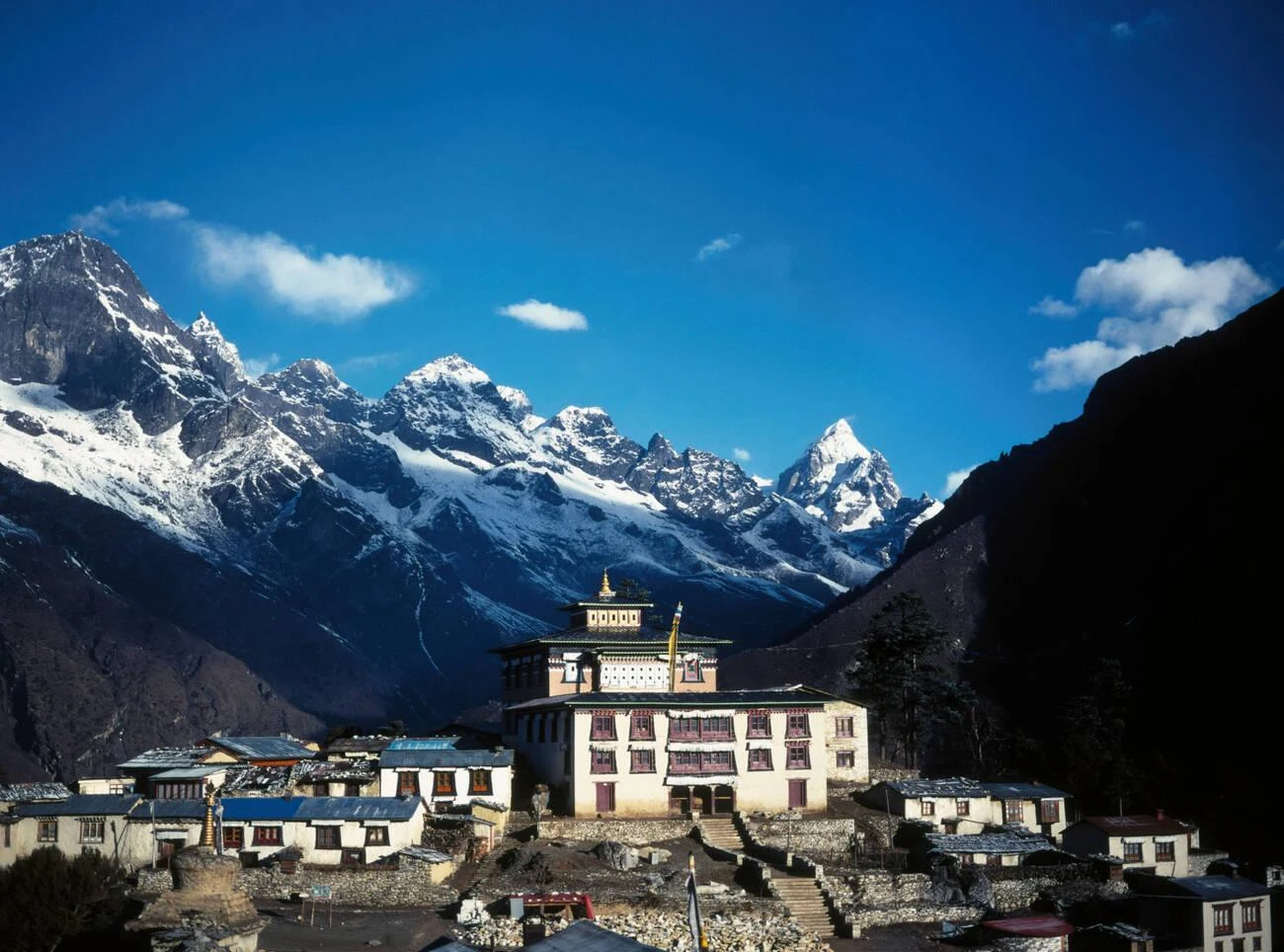
Today you trek from Namche toward Tengboche Monastery, one of the most spiritual landmarks in the Everest region. The trail offers stunning views of Everest, Nuptse, and Ama Dablam while passing through rhododendron forests and alpine landscapes. As you descend to the Dudh Koshi River and climb again, the scenery changes dramatically. Upon arrival, you will visit the famous monastery, where monks perform daily rituals and prayers. The mountain of Nepal ensures you have time to observe the peaceful atmosphere and learn about Tibetan Buddhist culture, deeply rooted in the region. Overnight stay is in a nearby teahouse with panoramic mountain views.
From Tengboche, the trail continues toward Khumjung, a traditional Sherpa village located beneath the sacred peak of Khumbila. This route offers quieter trails compared to the main Everest Base Camp path, making it ideal for the Everest Panorama Trek experience. With Mountain of Nepal, you will explore local monasteries, schools established by Sir Edmund Hillary, and traditional stone houses. The village provides authentic insight into Sherpa culture and mountain life. The surrounding views of Everest, Thamserku, and Ama Dablam are spectacular. The day ends with a peaceful overnight stay in a local teahouse.
Today you descend back toward Monjo, passing again through Namche Bazaar. The trail is mostly downhill, offering a relaxed walking pace with scenic forest paths and river crossings. As you retrace your steps through Sagarmatha National Park, you can enjoy different perspectives of the landscape you passed earlier. The mountain of Nepal ensures comfortable pacing and stops for photography along the way. Monjo is a quiet village near the park entrance, making it a peaceful stopover before the final descent toward Lukla. Overnight accommodation is arranged in a warm teahouse.
The final trekking day takes you back to Lukla along the Dudh Koshi Valley. The trail includes gentle ascents and descents through pine forests, suspension bridges, and traditional villages. With Mountain of Nepal, this day is often filled with reflection as trekkers celebrate completing their Everest Panorama journey. Upon arrival in Lukla, you will check into a teahouse and enjoy a farewell dinner with your guide and trekking crew. This is a great opportunity to thank your support team and celebrate the successful completion of your Himalayan adventure.
Early morning, you will board a scenic flight from Lukla back to Kathmandu. The short but thrilling flight offers one last aerial view of the Himalayan peaks. Upon arrival in Kathmandu, you will be transferred to your hotel by Mountain of Nepal. The rest of the day is free for relaxation, shopping, or exploring the city at your own pace. Many trekkers use this time to visit Thamel for souvenirs or enjoy traditional Nepali cuisine as a celebration of their trekking achievement.
On your final day, Mountain of Nepal will arrange your transfer to Tribhuvan International Airport for your onward journey. Depending on your flight schedule, you may have time for a short walk or a relaxed breakfast in Kathmandu. This marks the end of your Everest Panorama Trek, filled with unforgettable mountain views, cultural encounters, and personal achievement. The team will bid you farewell with gratitude, hoping to welcome you again for another adventure in the Himalayas.
Your Start Date is the day you land in Nepal, and your End Date is when you fly home.
If the set Everest Panorama Trek group dates don’t suit your schedule, we can offer alternative dates upon request.
Proper layering is important to stay warm and comfortable in changing mountain weather.
Good footwear makes trekking easier and safer.
The right gear keeps you safe, comfortable, and prepared.
Lightweight but important items keep you clean, healthy, and comfortable.
Keep important items safe and easy to reach.
The Everest Panorama Trek operated by Mountain of Nepal is a short and scenic trekking route in the Everest region that offers breathtaking views of Mount Everest, Ama Dablam, and surrounding peaks without going all the way to Everest Base Camp. This trek is ideal for travelers with limited time who still want to experience the beauty of the Himalayas, Sherpa culture, and famous landmarks such as Namche Bazaar and Tengboche Monastery. It combines natural scenery, cultural immersion, and moderate trekking difficulty, making it suitable for beginners and experienced trekkers alike.
The Everest Panorama Trek is considered a moderate-level trek organized by Mountain of Nepal, suitable for individuals with average physical fitness. While it does not require technical climbing skills, trekkers should be prepared for daily walks of 4 to 6 hours over varied terrain, including uphill and downhill sections. The highest point reached is around Tengboche (3,867m), so the altitude is manageable compared to higher Everest routes. Proper preparation, good walking stamina, and gradual acclimatization make this trek achievable for most people, even those trekking in the Himalayas for the first time.
No prior trekking experience is required for the Everest Panorama Trek organized by Mountain of Nepal, although some basic fitness preparation is recommended. Many first-time trekkers complete this route because the trail is well-established and includes comfortable teahouse accommodations. However, regular walking, hiking, or light cardio exercise before the trek will help improve endurance. The trekking pace is carefully managed by experienced guides to ensure safety and comfort, especially for those who are new to high-altitude environments in the Himalayas.
Altitude sickness is a possible concern, but the risk is relatively lower on the Everest Panorama Trek compared to higher Everest routes. Mountain of Nepal designs the itinerary with proper acclimatization, especially with a rest day in Namche Bazaar. Trekkers may experience mild symptoms such as headaches or fatigue, but these can be managed by staying hydrated, walking at a steady pace, and avoiding alcohol. Guides are trained to monitor health conditions and assist if needed. In rare cases of severe symptoms, immediate descent is arranged for safety.
The trek begins with a scenic flight from Kathmandu to Lukla, one of the most exciting mountain airports in the world. Mountain of Nepal arranges all domestic flight tickets and transfers to ensure a smooth journey. From Lukla, the trekking route officially begins toward Phakding and continues through the Everest region. Flights are weather-dependent, so occasional delays may occur, especially during peak seasons. In such cases, the company assists with rescheduling and alternative arrangements to minimize disruption to your trekking itinerary.
Choosing Mountain of Nepal for the Everest Panorama Trek ensures a safe, well-organized, and culturally rich trekking experience. The company provides experienced local guides, personalized service, and carefully designed itineraries focused on acclimatization and comfort. Their team has deep knowledge of the Everest region, ensuring both safety and meaningful cultural interaction with local communities. From permits and logistics to accommodation and meals, everything is managed professionally. This allows trekkers to fully enjoy the Himalayan scenery without stress, making the journey smooth, memorable, and rewarding.
According to Mountain of Nepal, the best time for the Everest Panorama Trek is during spring (March to May) and autumn (September to November). During these seasons, the weather is stable, the skies are generally clear, and the mountain views are at their best. Spring offers blooming rhododendron forests, while autumn provides crisp air and excellent visibility. Winter is also possible but colder, and the monsoon season (June to August) brings heavy rain and flight disruptions. Choosing the right season significantly enhances the trekking experience and ensures safer and more enjoyable conditions.
During the Everest Panorama Trek, Mountain of Nepal provides accommodation in local teahouses and mountain lodges along the route. These lodges offer basic but comfortable facilities, including twin-sharing rooms, warm blankets, and communal dining areas. While luxury is limited in remote regions, the hospitality of the Sherpa people makes the experience warm and welcoming. In places like Namche Bazaar, the lodges are more developed with better amenities. Hot showers, charging facilities, and Wi-Fi may be available at an additional cost depending on the location.
During the Everest Panorama Trek, Mountain of Nepal ensures that trekkers receive fresh and hygienic meals throughout the journey. Teahouses along the route offer a variety of options, including Nepali dal bhat (rice and lentils), noodles, soups, pasta, pancakes, and eggs. Meals are prepared using locally available ingredients, providing both energy and nutrition for trekking days. In higher regions, menu options may be limited due to transportation constraints. Safe drinking water is available for purchase, or purification tablets can be used for added safety.
To complete the Everest Panorama Trek with Mountain of Nepal, trekkers require two main permits: the Sagarmatha National Park Entry Permit and the Khumbu Pasang Lhamu Rural Municipality Permit. These permits are mandatory for entering the Everest region and are arranged by the trekking agency for convenience. The fees contribute to conservation efforts and local community development. Trekkers are advised to carry passport copies and passport-sized photos for documentation. All permit arrangements are handled by the company, ensuring a smooth and hassle-free trekking experience.
According to Mountain of Nepal, packing properly is essential for a comfortable trekking experience. Trekkers should bring warm clothing layers, a down jacket, trekking boots, gloves, a hat, sunglasses, and a good-quality backpack. A sleeping bag rated for cold temperatures is also recommended. Personal items such as sunscreen, lip balm, water bottles, and basic medicines are important for daily use. Since weather conditions in the mountains can change quickly, layering is the best approach. The company provides a detailed packing list before departure to ensure you are well-prepared.


 (2)
(2)  100% recommend (0)
 (0)
(0)