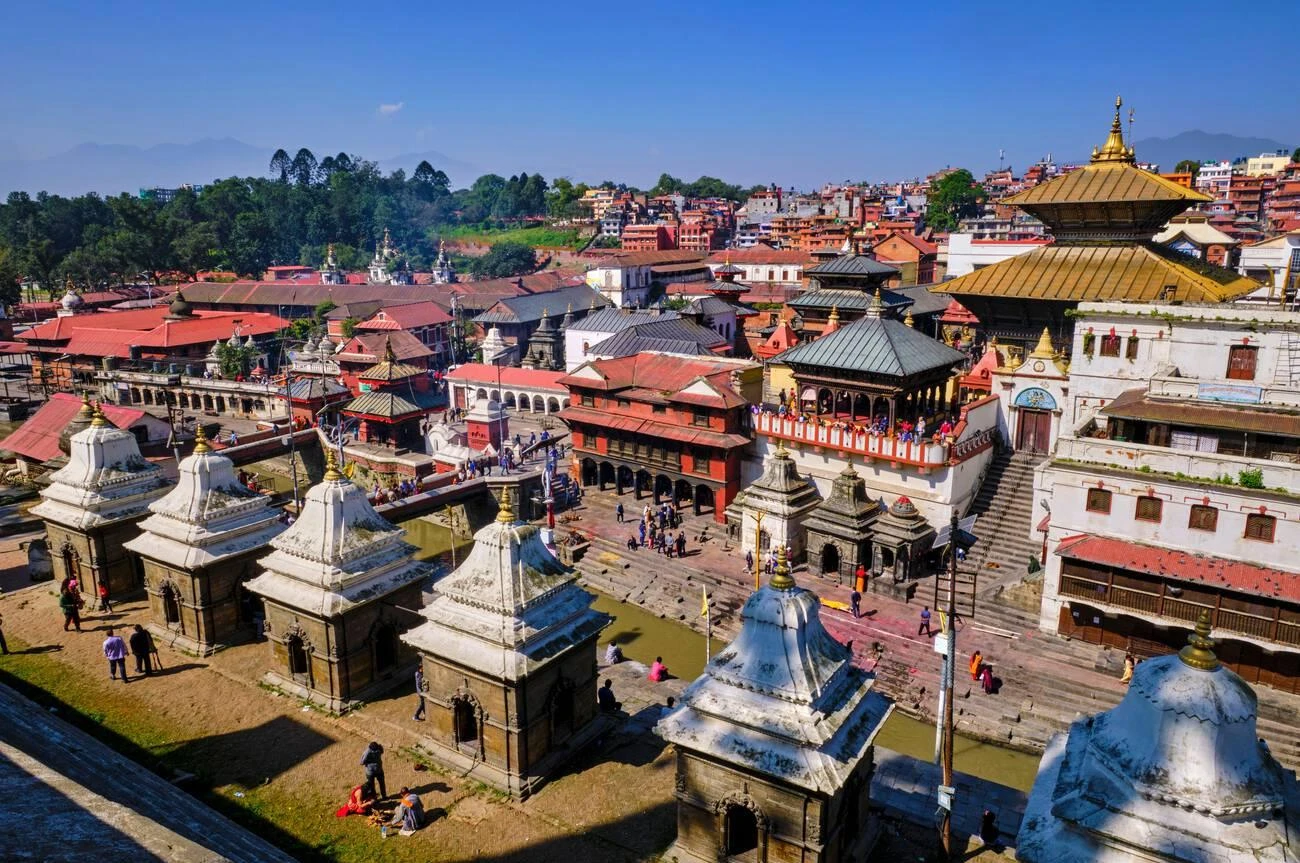
A Hindu pilgrimage tour in Nepal offers a spiritually enriching journey through some of the most sacred sites in the Himalayas. From the ancient temples of Kathmandu to the revered shrine of Muktinath Temple, this tour blends devotion, culture, and breathtaking landscapes. Pilgrims visit powerful spiritual centers such as Pashupatinath Temple, Manakamana Temple, and Changunarayan Temple, each carrying deep mythological and religious significance.
The journey also introduces travelers to Nepal’s rich cultural heritage through places like Bhaktapur Durbar Square and scenic destinations like Pokhara and Jomsom. Organized by Mountain of Nepal, this itinerary ensures a smooth spiritual experience while allowing time for reflection, exploration, and connection with nature.
The ideal time for a Hindu pilgrimage tour in Nepal is during spring (March to May) and autumn (September to November). During these seasons, the weather is stable, the skies are clear, and mountain views are at their best. This is especially important for flights between Pokhara and Jomsom, which are highly weather-dependent.
Winter (December to February) is also possible, but Muktinath can be extremely cold with occasional snowfall. The monsoon season (June to August) brings heavy rain, landslides, and flight disruptions, making travel less reliable, particularly in mountainous regions.
Best months at a glance:
This pilgrimage is considered moderate in difficulty. While most locations are accessible by road or flight, the journey to Muktinath involves high-altitude travel (around 3,800 meters). Some walking and stair climbing are required, particularly at temple sites like Muktinath and Manakamana.
Transportation includes a mix of private vehicles, domestic flights (Pokhara–Jomsom), and cable car rides to Manakamana. The roads can be winding and occasionally rough, but they offer stunning views of rivers, hills, and mountains.
Transportation modes:
Throughout the journey, travelers are provided with comfortable accommodations ranging from standard hotels in Kathmandu and Pokhara to basic lodges in Jomsom and Muktinath. While luxury options are available in cities, remote areas focus more on simplicity and functionality.
Food options are diverse, including traditional Nepali meals (dal bhat), vegetarian dishes, and some Indian and continental cuisine. Pilgrims often prefer vegetarian meals, especially during temple visits.
What to expect:
Most of the pilgrimage sites in Kathmandu Valley do not require special permits. However, travel to Muktinath (located in the Mustang region) requires specific permits such as the Annapurna Conservation Area Permit (ACAP).
Tour operators like Mountain of Nepal typically arrange all necessary permits in advance, ensuring a hassle-free journey for pilgrims. Carrying identification documents and passport copies is essential during the trip.
Required permits:
Choosing a Hindu pilgrimage tour in Nepal means embarking on a deeply spiritual journey in one of the world’s most sacred landscapes. Nepal uniquely combines natural beauty with religious significance, offering pilgrims a chance to experience both inner peace and outer adventure.
With Mountain of Nepal, travelers benefit from well-organized itineraries, experienced guides, and personalized services. The company ensures safety, comfort, and meaningful experiences at every step, making the pilgrimage not just a trip, but a transformative journey.
Reasons to choose this tour:
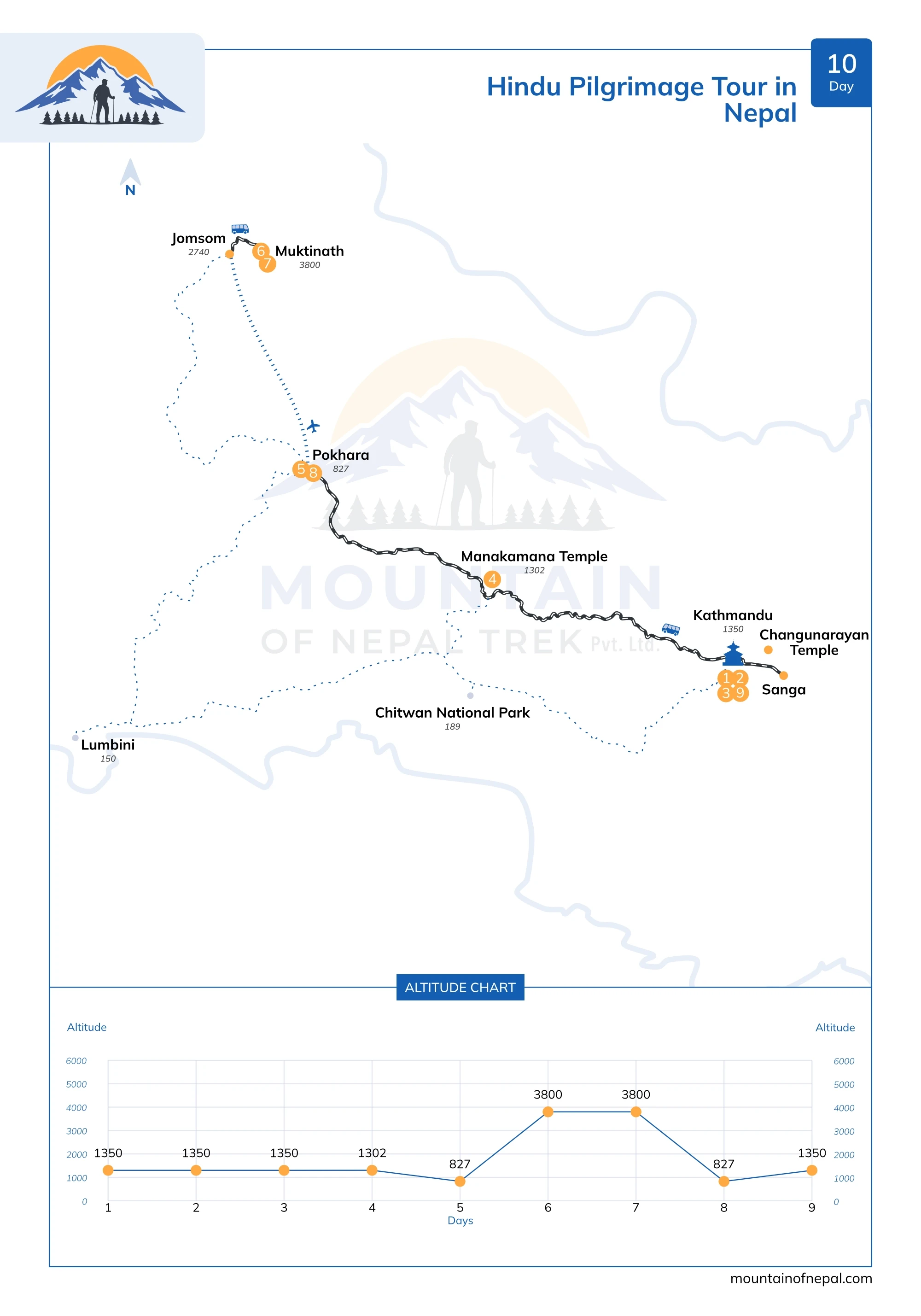
Upon arrival in Kathmandu, you will be warmly welcomed by the representative of Mountain of Nepal and transferred to your hotel. After check-in, you can relax and recover from your journey while enjoying the spiritual ambiance of the valley. Depending on your arrival time, you may take a short walk around the nearby streets to observe local culture, temples, and the traditional lifestyle. In the evening, a short briefing about the pilgrimage tour will be conducted, giving you insights into the sacred sites you will visit. Overnight stay in Kathmandu.
Today is dedicated to visiting some of the most revered Hindu temples in the valley. You will begin with a visit to Pashupatinath Temple, one of the holiest shrines dedicated to Lord Shiva, where you can witness rituals along the Bagmati River. You will then continue to Guhyeshwari Temple, an important Shakti Peetha, followed by Budhanilkantha Temple, famous for its massive reclining Vishnu statue. The day offers deep spiritual immersion, temple darshan, and cultural understanding. Return to the hotel for rest and overnight stay.
After breakfast, you will head to Changunarayan Temple, believed to be the oldest temple in Nepal and rich in historical and religious significance. You will then proceed to Bhaktapur Durbar Square, where you can explore ancient palaces, temples, and traditional Newari culture. Later, you will visit Sanga to see the towering statue of Kailashnath Mahadev Statue, one of the tallest Shiva statues in the world. The day blends spirituality, architecture, and heritage before returning to Kathmandu for an overnight stay.
Early in the morning, you will drive towards Kurintar for a cable car ride to Manakamana Temple, a sacred temple dedicated to Goddess Bhagwati, believed to fulfill devotees’ wishes. The scenic cable car ride offers breathtaking views of hills and rivers, enhancing the spiritual journey. After reaching the temple, you will perform puja and seek blessings. The peaceful hilltop surroundings provide a serene spiritual experience. After darshan, you may either stay overnight nearby or descend and continue to a comfortable hotel for rest.
Today you will drive to Pokhara, a beautiful city known for its lakes and mountain views. The journey follows winding rivers and lush hills, offering scenic landscapes along the way. Upon arrival, you will check into your hotel and relax. In the evening, you may visit the lakeside area of Phewa Lake, where you can enjoy a peaceful environment and optional boating. This day serves as both a travel and relaxation day before heading to higher altitude pilgrimage destinations. Overnight stay in Pokhara.
You will take an early morning flight to Jomsom, enjoying spectacular views of the Himalayas. From Jomsom, you will drive through rugged terrain to reach Muktinath Temple, one of the most sacred temples for both Hindus and Buddhists. The journey passes through the Kali Gandaki Valley, known for its spiritual significance and Shaligram stones. Upon arrival, you will check into your lodge and acclimatize. The high-altitude environment adds to the sacredness of the pilgrimage experience. Overnight stay in the Muktinath area.
This day is devoted to spiritual activities at Muktinath. You will perform darshan at the temple, bathe under the 108 sacred water spouts, and visit the eternal flame nearby. The temple is dedicated to Lord Vishnu and is believed to grant liberation (moksha) to devotees. The serene Himalayan setting enhances meditation and spiritual reflection. You may also explore nearby monasteries and interact with local communities. This deeply spiritual day allows you to connect with divine energy in one of the most sacred pilgrimage destinations in Nepal. Overnight stay at Muktinath.
After completing your pilgrimage at Muktinath, you will return to Jomsom and either fly or drive back to Pokhara, depending on weather conditions and preferences. The return journey offers another opportunity to enjoy the unique landscapes of the Mustang region. Upon arrival in Pokhara, you can relax at your hotel or explore nearby attractions such as Bindhyabasini Temple or the lakeside market. This day allows you to unwind after the high-altitude pilgrimage experience. Overnight stay in Pokhara.
Today you will drive back to Kathmandu, enjoying scenic views of rivers, hills, and rural life along the Prithvi Highway. The journey provides a chance to reflect on your spiritual experiences throughout the tour. Upon arrival in Kathmandu, you will check into your hotel and have free time for last-minute shopping or personal puja at nearby temples. In the evening, Mountain of Nepal may arrange a farewell dinner, celebrating the successful completion of your pilgrimage journey. Overnight stay in Kathmandu.
After breakfast, you will be transferred to the airport for your final departure. As your Hindu pilgrimage tour with Mountain of Nepal concludes, you carry with you spiritual blessings, memorable experiences, and a deeper connection to sacred traditions. The journey through Nepal’s holy sites offers not only religious fulfillment but also cultural enrichment and natural beauty. The team ensures a smooth farewell, hoping to welcome you again for another meaningful journey in the future.
Your Start Date is the day you land in Nepal, and your End Date is when you fly home.
If the set Hindu Pilgrimage Tour in Nepal group dates don’t suit your schedule, we can offer alternative dates upon request.
The Hindu Pilgrimage Tour package by Mountain of Nepal typically includes accommodation in comfortable hotels, daily breakfast (and sometimes full board in remote areas), private transportation, domestic flights where applicable, and guided sightseeing tours to major temples and pilgrimage sites. It also covers airport transfers, experienced guides, and necessary permits. However, personal expenses, travel insurance, international flights, and special puja charges are usually not included. The company ensures a smooth and spiritually enriching journey by handling all logistics professionally.
This tour includes some of the most sacred Hindu sites in Nepal, such as Pashupatinath Temple, Manakamana Temple, and Muktinath Temple. Additionally, travelers visit important temples like Guhyeshwari Temple and Changunarayan Temple. These sites hold immense religious importance and are believed to offer blessings, spiritual purification, and even liberation (moksha), making the journey deeply meaningful for devotees.
Yes, the Muktinath pilgrimage can be suitable for elderly travelers, especially with proper planning by Mountain of Nepal. Since the temple lies at a high altitude, it is important to acclimatize properly and travel gradually. The itinerary often includes a flight to Jomsom and a jeep ride to reduce physical strain. However, elderly pilgrims should consult a doctor before traveling, carry necessary medications, and be mindful of altitude-related discomfort. With proper support, many elderly devotees complete this sacred journey.
Yes, there is a possibility of altitude sickness, especially when visiting Muktinath Temple, which lies at an altitude of over 3,700 meters. Symptoms may include headache, dizziness, nausea, and fatigue. To minimize risks, Mountain of Nepal designs itineraries with gradual altitude gain and allows time for acclimatization. Staying hydrated, avoiding alcohol, and moving at a steady pace can also help. Guides are trained to recognize symptoms and assist travelers if needed.
Basic temple visits and darshan are included in the tour, but specific puja rituals, special offerings, and priest services are usually not included in the standard package. However, Mountain of Nepal can arrange customized puja ceremonies at major temples like Pashupatinath Temple and Manakamana Temple upon request. These arrangements allow pilgrims to perform rituals according to their traditions and beliefs, making the experience more personal and spiritually fulfilling.
The tour is generally moderate in terms of physical difficulty. While most of the journey involves driving and short walks, certain areas like Muktinath may require walking at high altitude, which can be physically demanding. However, Mountain of Nepal carefully plans the itinerary to minimize strenuous activities and provides transportation wherever possible. Travelers should have a basic level of fitness and be prepared for varying weather and terrain conditions, ensuring a comfortable and enjoyable pilgrimage experience.
The best time for a Hindu pilgrimage tour in Nepal is during spring (March to May) and autumn (September to November). During these seasons, the weather is generally clear, pleasant, and ideal for travel, especially for visiting high-altitude places like Muktinath. Festivals such as Dashain and Tihar also fall in autumn, offering a richer cultural experience. Winter can be cold in mountainous regions, while the monsoon season may bring travel disruptions due to rain and landslides.
During the Hindu pilgrimage tour, accommodations range from comfortable hotels in cities like Kathmandu and Pokhara to basic lodges or guesthouses in remote areas such as Jomsom and Muktinath. Mountain of Nepal ensures clean, safe, and comfortable stays throughout the journey. While facilities in high-altitude regions may be simpler, they are sufficient for a pleasant stay. Upgrades may be available in major cities upon request.
Yes, vegetarian food is widely available throughout the pilgrimage route, as many Hindu devotees prefer it. Most hotels and restaurants offer a variety of vegetarian meals, including traditional Nepali dishes like dal, rice, vegetables, and roti. Near temple areas such as Pashupatinath Temple and Muktinath Temple, vegetarian food is commonly served. The Mountain of Nepal can also arrange meals according to dietary preferences if informed in advance.
Most travelers require a visa to enter Nepal, which can be easily obtained upon arrival at Tribhuvan International Airport in Kathmandu or through Nepalese embassies abroad. The visa process is straightforward, and tourists can choose from different durations depending on their travel plans. The Mountain of Nepal can provide guidance on visa requirements and necessary documents, ensuring a hassle-free arrival and smooth start to your pilgrimage journey.


 (2)
(2)  100% recommend (0)
 (0)
(0)