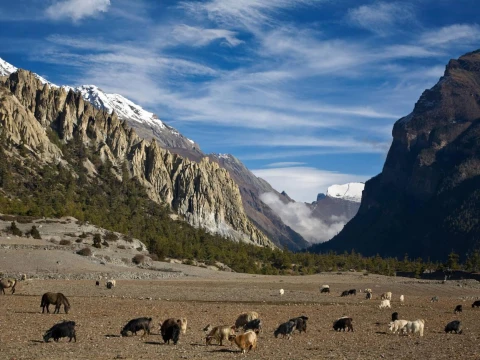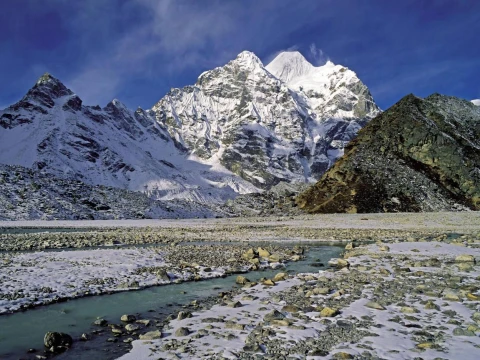
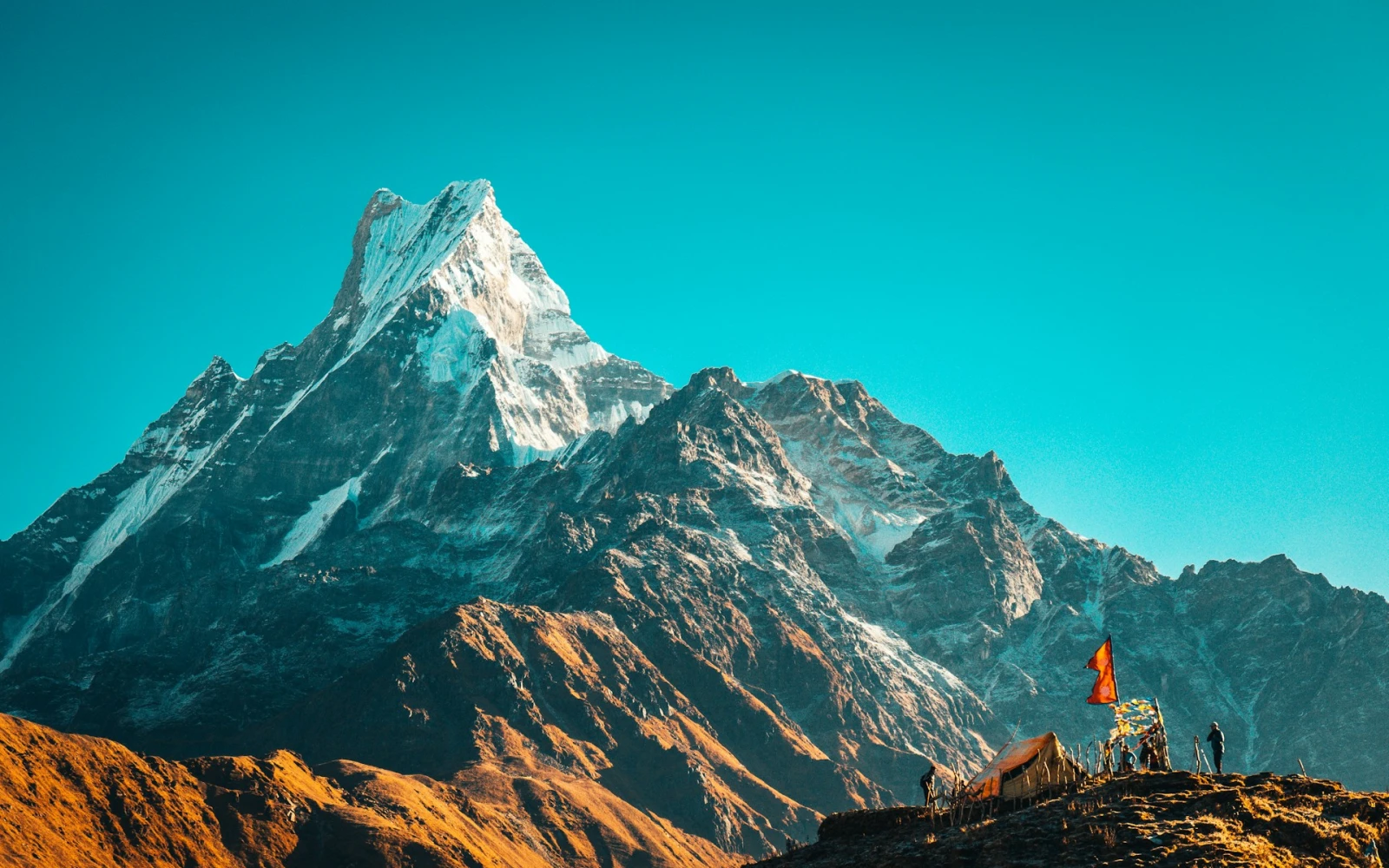
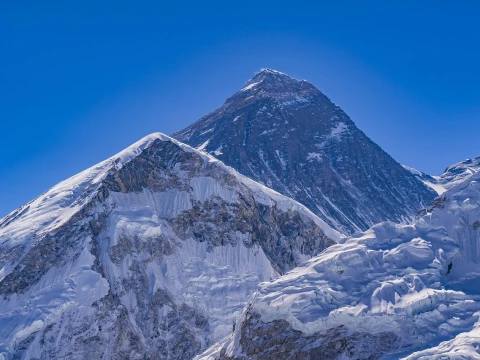
The Everest Base Camp (EBC) Trek with Mountain of Nepal is one of the most iconic treks in the world, offering breathtaking views of the world's highest peak, Mount Everest. The trek combines stunning natural landscapes, vibrant Sherpa culture, and the thrill of high-altitude adventure. Starting from Kathmandu, travelers experience ancient temples, bustling markets, and spiritual sites before heading to Lukla for the trek. The journey takes trekkers through scenic villages such as Namche Bazaar, Tengboche, and Dingboche, passing through rhododendron forests, suspension bridges over roaring rivers, and panoramic mountain vistas.Along the trek, hikers encounter the rich traditions of the Sherpa people, visit monasteries like Tengboche Monastery, and witness the ever-changing Himalayan landscape. The highlight is reaching Everest Base Camp, standing at 5,364 meters, and viewing Kala Patthar for a close-up perspective of Everest’s summit. The trek is not just a physical challenge but also a deeply spiritual and transformative experience.Stunning views of Everest, Lhotse, Ama Dablam, and other peaksAuthentic Sherpa culture and monasteriesAdventure through high-altitude landscapes and glaciersVisit the iconic Everest Base Camp and Kala PattharBest Season for Everest Base Camp TrekThe best seasons for the Everest Base Camp trek are pre-monsoon (March to May) and post-monsoon (late September to November). During these periods, the weather is stable, the skies are clear, and the mountain views are at their best. The pre-monsoon season brings blooming rhododendrons and moderate temperatures, while the post-monsoon season offers crisp air, vibrant landscapes, and minimal rainfall.Winter treks (December to February) are possible but extremely cold, with heavy snow in higher regions, making trekking difficult. The monsoon season (June to August) is the least favorable due to heavy rainfall, leeches, and frequent landslides. Timing your trek during the optimal season ensures safety, comfort, and the best photographic opportunities.Season Summary:March–May: Blooming flowers, moderate temperatures, clear skiesSeptember–November: Stable weather, excellent visibility, dry trailsDecember–February: Cold, snowy, fewer crowdsJune–August: Monsoon, slippery trails, limited mountain viewsEverest Base Camp Trek Difficulty and TransportationThe EBC Trek is considered moderate to challenging, primarily due to high altitude and long trekking days. Hikers need basic fitness, stamina, and preparation for sudden weather changes. Trekking days average 4 to 8 hours, with gradual altitude gains for acclimatization.Transportation begins with a scenic flight from Kathmandu to Lukla, one of the most adventurous flights in the world. The trek then proceeds on foot, following well-marked trails and passing through remote villages and rugged terrain. Helicopter services are available for emergencies or short-distance transfers but are not part of the standard trek.Trekking Difficulty and Transportation:Moderate to challenging trek, high-altitude trekking experience recommendedAverage trekking: 4–8 hours per dayPrimary access: Flight from Kathmandu to LuklaOn-foot trekking through villages, suspension bridges, and Himalayan trailsOptional helicopter evacuation in emergenciesFood and Accommodation for Everest Base Camp TrekThe EBC trek is well-supported with tea houses and lodges along the trail. Accommodation ranges from basic rooms with shared bathrooms to private, more comfortable lodges in larger villages like Namche Bazaar and Dingboche. At higher elevations, facilities are simpler, often with limited hot water and heating.Food on the trek is hearty and designed to fuel long hiking days. Staples include dal bhat (rice and lentil soup), noodles, soups, pancakes, and Tibetan specialties such as momos. Fresh vegetables and meats are available in larger villages, while simpler meals are served in remote areas. Trekkers are advised to drink boiled or bottled water and carry energy snacks for long treks.Accommodation and Food Highlights:Tea houses and lodges along the trekking routeSimple rooms with shared bathrooms; limited hot water at higher altitudesTraditional Sherpa meals and international optionsHigh-energy snacks are recommended for altitude and staminaEverest Base Camp Trek PermitsTrekking to Everest Base Camp requires official permits for safety and conservation purposes. Trekkers must obtain:TIMS Card (Trekkers’ Information Management System) – issued in Kathmandu, required for all trekkers in NepalSagarmatha National Park Permit – mandatory for the EBC route, ensuring the protection of flora, fauna, and cultural sitesMountain of Nepal facilitates all permit arrangements for trekkers, ensuring a smooth and hassle-free process. Carrying permits is mandatory, and authorities may check them along the trekking route.Permit Summary:TIMS Card – trekking registration and safety managementSagarmatha National Park Permit – conservation and park entryManaged by a trekking company for convenienceWhy Choose Everest Base Camp Trek with Mountain of NepalChoosing Mountain of Nepal ensures a safe, well-organized, and memorable EBC experience. The company provides expert guides familiar with high-altitude trekking, experienced porters, and well-planned itineraries with acclimatization days. Their services focus on safety, comfort, and local cultural immersion, making the trek enjoyable for both novice and seasoned hikers.Mountain of Nepal emphasizes eco-friendly trekking, supporting local Sherpa communities, and providing modern support in remote regions. With detailed pre-trek briefings, 24/7 assistance, and flexible itineraries, they make the Everest Base Camp trek an unforgettable adventure.Why Choose Mountain of Nepal:Experienced guides and support staffSafe, well-planned itineraries with acclimatization daysFocus on cultural immersion and eco-friendly practicesSupport for local communities and authentic experiences
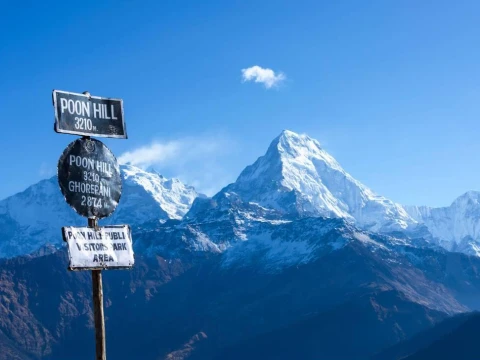
The Ghorepani Poon Hill Trek is one of the most popular short trekking routes in Nepal, located in the heart of the Annapurna region. Operated by Mountain of Nepal, this trek offers a perfect combination of natural beauty, cultural experience, and Himalayan sunrise views. The journey passes through traditional villages such as Ulleri, Ghorepani, Tadapani, and Ghandruk, offering trekkers a deep insight into the lifestyle of the Gurung and Magar communities. The highlight of the trek is the early morning hike to Poon Hill, where panoramic views of the Annapurna and Dhaulagiri mountain ranges create an unforgettable experience.This trek is suitable for beginners as well as experienced trekkers who want a short but rewarding Himalayan adventure. Starting from the lowlands near Pokhara and gradually ascending to alpine landscapes, the route provides diverse scenery, including rhododendron forests, stone staircases, terraced fields, and snow-capped peaks. The trek usually takes 5–7 days, depending on the itinerary and pace.Stunning sunrise view from Poon HillTraditional Gurung village visit at GhandrukBeautiful rhododendron forests and mountain landscapesCultural immersion in local Himalayan communitiesEasy-to-moderate trekking route suitable for beginnersBest Season for Ghorepani Poon Hill TrekThe best time to experience the Ghorepani Poon Hill Trek is during spring (March–May) and autumn (September–November). During these seasons, the weather is clear, stable, and perfect for mountain views. In spring, the forests around Ghorepani bloom with vibrant rhododendron flowers, creating a colorful trekking environment. Autumn offers crystal-clear skies and excellent visibility of the Annapurna and Dhaulagiri ranges.Winter (December–February) is also possible but can be cold, especially at higher elevations like Ghorepani, where snow may block trails. The monsoon season (June–August) is less recommended due to heavy rainfall, slippery trails, and limited mountain visibility.With Mountain of Nepal, trekkers are guided to choose the best departure dates based on real-time weather conditions, ensuring safety and maximum scenic value.Best season highlights:Spring: Rhododendron blooms and colorful trailsAutumn: Best visibility and stable weatherWinter: Snowy but peaceful trekking experienceMonsoon: Not recommended due to rain and landslidesClear sunrise views from Poon Hill in peak seasonsGhorepani Poon Hill Trek Difficulty and TransportationThe Ghorepani Poon Hill Trek is considered a moderate trek, making it suitable for beginners with average fitness levels. The trail includes several uphill stone staircases, especially the climb from Ulleri to Ghorepani, which is physically demanding but achievable with steady pacing. Daily walking hours range from 4 to 7 hours, depending on the itinerary.Transportation begins from Kathmandu with a domestic flight or drive to Pokhara, followed by a road journey to Ulleri. From there, trekking begins on foot. The return journey from Ghandruk includes a drive back to Pokhara and then Kathmandu. Mountain of Nepal organizes all transportation logistics, including private vehicles and local transfers for comfort and safety.The altitude gain is gradual, with the highest point being Poon Hill at 3,210 meters, minimizing the risks of severe altitude sickness.Difficulty & transport points:Moderate difficulty level suitable for beginnersStone staircases between Ulleri and GhorepaniGradual altitude gain reduces altitude riskDomestic flight or drive from Kathmandu to PokharaPrivate jeep transfers arranged by Mountain of NepalFood and Accommodation for Ghorepani Poon Hill TrekAccommodation along the trek is provided in comfortable teahouses and lodges, offering basic but clean rooms with twin beds and shared bathrooms. In villages like Ghorepani, Tadapani, and Ghandruk, trekkers experience warm hospitality from local families. The Mountain of Nepal ensures pre-booked lodging during peak seasons for a hassle-free experience.Food options are diverse, ranging from traditional Nepali meals like dal bhat to noodles, soups, pancakes, and eggs. Meals are freshly prepared using local ingredients, providing the energy needed for daily trekking. Although menu choices become limited at higher elevations, food remains hygienic and satisfying.Drinking water is available in most teahouses, and trekkers are encouraged to use purification tablets or bottled water.Food & accommodation highlights:Teahouse accommodation throughout the trailLocal hospitality in villages like TadapaniFresh Nepali meals (dal bhat, soups, noodles)Limited but hygienic food options at a higher altitudePre-booked lodging managed by Mountain of NepalGhorepani Poon Hill Trek PermitsTo trek in the Ghorepani Poon Hill region, two main permits are required. These are mandatory for entry into the Annapurna Conservation Area. Mountain of Nepal handles all permit arrangements for trekkers, ensuring a smooth and stress-free process.The required permits include the Annapurna Conservation Area Permit (ACAP) and the Trekkers’ Information Management System (TIMS) card. These permits help regulate trekking activity, ensure safety, and support conservation efforts in the Annapurna region.Permits are checked at various checkpoints along the route, especially near entry points and conservation areas.Permit details:Annapurna Conservation Area Permit (ACAP) requiredTIMS card is required for trekking registrationChecked at entry points and checkpointsIssued and managed by Mountain of NepalSupports conservation and trekking safety in NepalWhy Choose Ghorepani Poon Hill TrekThe Ghorepani Poon Hill Trek is ideal for trekkers who want a short Himalayan adventure with maximum scenic rewards. It combines mountain views, cultural exploration, and accessible trekking routes within a limited timeframe. The sunrise view from Poon Hill is one of the most iconic experiences in Nepal, attracting thousands of trekkers every year.Choosing Mountain of Nepal ensures a well-organized, safe, and personalized trekking experience. From transportation and accommodation to permits and guiding services, everything is managed professionally. The trek also provides opportunities to explore traditional villages like Ghandruk and experience authentic Himalayan culture.This trek is perfect for beginners, families, and photographers seeking breathtaking landscapes without extreme difficulty.Why choose this trek:Short yet highly scenic Himalayan experienceFamous sunrise view from Poon HillCultural experience in traditional Gurung villagesEasy access from PokharaFully organized package by Mountain of Nepal
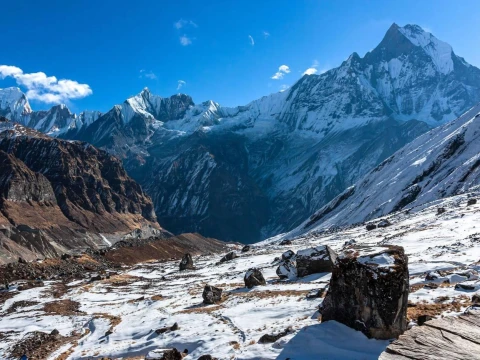
The Annapurna Base Camp (ABC) Trek is one of Nepal’s most iconic trekking experiences, offering a blend of natural beauty, cultural immersion, and panoramic mountain views. Beginning with a drive from Kathmandu to Pokhara and onward to Ulleri, trekkers slowly ascend through terraced villages, lush rhododendron forests, and cascading waterfalls. Each day of the trek presents a unique experience from the sunrise at Poon Hill to the breathtaking Annapurna and Machhapuchhre peaks. The route passes through well-established villages like Ghorepani, Tadapani, and Chhomrong, where trekkers can witness the lifestyle of local Gurung and Magar communities.The trek culminates at the Annapurna Base Camp (4,100 m), where trekkers are rewarded with a 360-degree view of towering Himalayan giants including Annapurna I, Machhapuchhre (Fishtail), and Hiunchuli. Beyond just mountain vistas, the journey offers diverse landscapes—subtropical forests at lower altitudes, alpine meadows mid-trek, and high Himalayan terrain near the base camp. Trekkers often comment on the magical sunrise views, the peaceful mountain atmosphere, and the opportunity to disconnect from city life while fully immersing in Nepal’s natural splendor. Organized by Mountain of Nepal, this trek combines comfort, safety, and expert local guidance, ensuring a memorable Himalayan adventure.Starts: Kathmandu → Pokhara → UlleriHighlights: Poon Hill sunrise, Annapurna, and Machhapuchhre viewsVillages: Ghorepani, Tadapani, ChhomrongAltitude range: 1,400 m – 4,100 mTrek style: Moderate, nature and culture blendBest Season for Annapurna Base Camp TrekThe best seasons to undertake the Annapurna Base Camp Trek are spring (March to May) and autumn (September to November). During spring, rhododendron forests bloom with vibrant red and pink flowers, adding colorful charm to the trekking path. The weather is generally clear and mild, allowing trekkers to enjoy unobstructed mountain views and pleasant hiking conditions. This season is ideal for photography enthusiasts who want to capture both natural landscapes and local village life.Autumn, on the other hand, offers stable weather with minimal rainfall, crisp air, and spectacular visibility of the snow-capped peaks. This is considered the peak trekking season in Nepal, as most trekkers aim to experience clear skies and moderate temperatures. While winter (December to February) is colder, especially at higher altitudes, it provides a quieter trekking experience with fewer crowds. Monsoon season (June to August) is usually avoided due to heavy rainfall, slippery trails, and limited visibility of mountain panoramas. Mountain of Nepal ensures that itineraries are tailored to each season, optimizing both safety and experience while trekking in the Annapurna region.Short points:Spring (Mar–May): Blooming rhododendrons, mild weatherAutumn (Sep–Nov): Clear skies, peak trekking seasonWinter (Dec–Feb): Fewer crowds, cold temperaturesMonsoon (Jun–Aug): Heavy rain, slippery trailsGuided seasonal planning by Mountain of NepalAnnapurna Base Camp Trek Difficulty and TransportationThe Annapurna Base Camp Trek is generally classified as a moderate trek, suitable for trekkers with basic fitness levels and some prior hiking experience. While the daily walking duration ranges from 4 to 7 hours, the gradual elevation gain allows trekkers to acclimatize comfortably. Key challenges include steep ascents through Ulleri’s long stone staircases, variable terrain at higher altitudes, and occasional cold or windy conditions near the base camp. Mountain of Nepal provides professional guides and porters to ensure safe pacing and proper acclimatization throughout the trek.Transportation for the trek begins with a drive from Kathmandu to Pokhara, which can take 6–8 hours on scenic roads. From Pokhara, travelers take a local drive to the trailhead at Nayapul or Ulleri, depending on the itinerary. Trekkers can return via the same route or fly back from Pokhara to Kathmandu, saving travel time. Local transport is typically arranged by the trekking company, including private vehicles, airport transfers, and logistical support along the trail. This combination of road travel and trekking ensures both convenience and flexibility for adventurers exploring the Annapurna region.Short points:Trek difficulty: ModerateDaily trek duration: 4–7 hoursKey challenge: Steep ascents, altitude adjustmentTransport: Kathmandu → Pokhara → TrailheadReturn: Pokhara → Kathmandu (flight option)Food and Accommodation for Annapurna Base Camp TrekFood and accommodation along the Annapurna Base Camp Trek are comfortable and varied, catering to both local flavors and familiar international dishes. Tea houses and lodges are available in nearly every village along the route, such as Ghorepani, Tadapani, and Chhomrong. Typical meals include dal bhat (Nepalese lentil soup with rice), momo (dumplings), and a variety of noodles and soups. Western dishes like pasta, omelets, and pancakes are also available at most tea houses. The mountain of Nepal ensures that trekkers have access to nutritious meals for energy and supports dietary preferences or restrictions where possible.Accommodation is mostly in cozy, rustic lodges or tea houses with shared or private rooms, equipped with basic amenities. Higher-altitude stops like Machhapuchhre Base Camp and Annapurna Base Camp offer simpler lodges, but trekkers enjoy spectacular views and a warm, communal atmosphere. Some lodges provide hot showers and Wi-Fi, although facilities may be limited in remote locations. Staying in these lodges allows trekkers to experience local hospitality and connect with fellow adventurers while enjoying nightly views of the Himalayas.Short points:Meals: Dal bhat, momo, noodles, Western optionsLodges/tea houses: Comfortable, shared or private roomsHigh-altitude facilities: Basic, spectacular viewsSupport for dietary needs by Mountain of NepalSocial experience: Interaction with locals and trekkersAnnapurna Base Camp Trek PermitsTrekking in the Annapurna region requires specific permits to ensure responsible tourism and conservation of the trails. All trekkers need the Annapurna Conservation Area Permit (ACAP) and the Trekkers’ Information Management System (TIMS) card. ACAP is issued by the National Park Authority and helps fund conservation efforts, local community development, and trail maintenance. TIMS is essential for safety, tracking, and emergency purposes.Permits can be arranged before departure or obtained in Kathmandu or Pokhara. Mountain of Nepal handles all permit arrangements as part of their trekking packages, ensuring that trekkers comply with regulations without any hassle. Additionally, guides carry copies of permits during the trek, which are required when entering villages and park areas. By following these regulations, trekkers contribute to the sustainable development of the Annapurna region while enjoying a well-managed trekking experience.Short points:Required permits: ACAP, TIMS cardPurpose: Conservation, safety, community supportIssued in: Kathmandu or PokharaArranged by Mountain of NepalGuides carry copies for complianceWhy Choose Annapurna Base Camp TrekChoosing the Annapurna Base Camp Trek offers a perfect combination of adventure, cultural immersion, and natural beauty. The trek is suitable for moderate-level trekkers and offers rewarding panoramic views of some of the highest peaks in the world. Along the trail, you will experience local village life, interact with welcoming communities, and witness traditional Nepalese culture in its natural setting. The diversity of landscapes from subtropical forests to high alpine meadows makes this trek visually stunning and endlessly engaging.Partnering with Mountain of Nepal ensures a professional and safe trekking experience. Their expert guides, experienced porters, and well-planned itineraries take care of logistics, accommodations, meals, and permits. Whether you are a first-time trekker or a seasoned adventurer, this trek combines safety, comfort, and adventure. The added benefit of exploring the sunrise at Poon Hill, the majestic Annapurna Base Camp, and the rich Himalayan ecosystem makes this journey truly unforgettable. This trek is not only a physical adventure but also a journey into the heart of Nepalese culture and the grandeur of the Himalayas.Short points:Moderate-level trek, panoramic Himalayan viewsCultural immersion: Gurung and Magar villagesLandscapes: Forests, meadows, high-altitude terrainExpert guidance by Mountain of NepalMemorable sunrise and base camp experiences
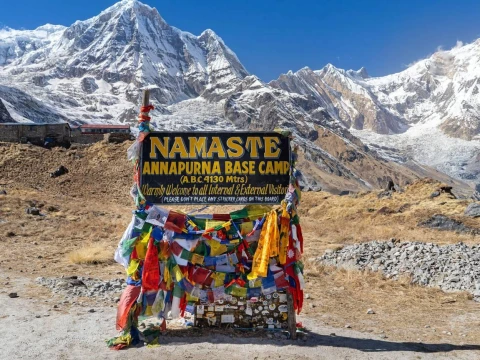
The Annapurna Base Camp Trek 8 Days is one of the most iconic Himalayan journeys in Nepal, offering a perfect blend of mountain scenery, cultural immersion, and moderate adventure. Organized by Mountain of Nepal, this trek takes you from the bustling capital of Kathmandu to the scenic lakeside city of Pokhara and deep into the heart of the Annapurna region. The trail leads through traditional Gurung and Magar villages, dense rhododendron forests, and glacial river valleys before reaching the spectacular amphitheater of Annapurna Sanctuary.This trek is designed to be completed in 8 days, making it ideal for travelers with limited time but a strong interest in high-mountain trekking. The highlight is reaching Annapurna Base Camp at 4,100 meters, surrounded by towering peaks like Annapurna I, Machhapuchhre, and Hiunchuli. Along the way, trekkers experience an authentic Himalayan lifestyle, warm hospitality, and dramatic landscape transitions.Scenic flight/drive to Pokhara and trek start pointCultural villages like ChhomrongAlpine landscapes at Machhapuchhre Base CampSunrise and mountain amphitheater at ABCHot springs at Jhinu DandaBest Season for Annapurna Base Camp Trek 8 DaysThe best time for the Annapurna Base Camp Trek 8 Days is during the spring (March–May) and autumn (September–November) seasons. These periods offer the clearest skies, stable weather conditions, and the best mountain visibility. Spring brings blooming rhododendron forests, while autumn offers crisp air and stunning panoramic views of snow-covered peaks.During these seasons, trekking conditions are generally safe and comfortable, with moderate daytime temperatures and minimal rainfall. Winter trekking (December–February) is possible but colder, especially at higher altitudes like Machhapuchhre Base Camp and ABC. Monsoon season (June–August) is less recommended due to heavy rain, slippery trails, and potential landslides in lower sections.Seasonal breakdown:Spring (Mar–May): Flowers, warm days, clear peaksAutumn (Sep–Nov): Best visibility, stable weatherWinter (Dec–Feb): Cold but quiet trailsMonsoon (Jun–Aug): Rainy, risky trekking conditionsMountain of Nepal strongly recommends spring or autumn departures for the best trekking experience.Annapurna Base Camp Trek 8 Days: Difficulty and TransportationThe Annapurna Base Camp Trek 8 Days is considered a moderate-level trek. It does not require technical climbing skills, but trekkers should have a reasonable level of fitness due to long walking hours, steep ascents, and high-altitude conditions. Daily trekking ranges from 5 to 8 hours, with the highest altitude being 4,100 meters at ABC.The journey includes multiple transportation segments, starting from Kathmandu to Pokhara by flight or road. From Pokhara, a drive takes you to Siwai or Jhinu Danda trailheads. The return follows the same route back, combining trekking and driving for convenience and time efficiency.Difficulty highlights:Moderate trekking fitness requiredSteep stone stair sections (especially Chhomrong)Altitude gain above 4,000mLong trekking days (6–8 hours average)Transportation summary:Flight or tourist bus Kathmandu–PokharaJeep/drive Pokhara–Siwai/JhinuTrekking route through villages and forestsReturn drive Pokhara–KathmanduWith proper pacing and acclimatization support from Mountain of Nepal guides, most trekkers complete the journey successfully.Food and Accommodation for Annapurna Base Camp Trek 8 DaysAccommodation during the trek is provided in local teahouses, which are basic but comfortable lodges run by local families. Rooms are usually twin-sharing with simple beds, blankets, and shared bathrooms. In lower regions like Chhomrong, facilities are more developed, while higher areas like Machhapuchhre Base Camp offer more basic lodging due to remoteness.Food is fresh, locally prepared, and designed to provide energy for trekking. The most common meal is “Dal Bhat,” which includes rice, lentils, vegetables, and pickles, offering unlimited refills in many lodges. Other options include noodles, pasta, soups, pancakes, eggs, and Tibetan bread.Accommodation highlights:Teahouse stays along the trekking routeTwin-sharing basic roomsHot showers are available in the lower villagesLimited but cozy facilities at a higher altitudeFood options:Dal Bhat (main energy meal)Fried rice, noodles, pastaSoup, tea, coffee, snacksVegetarian and vegan options availableMountain of Nepal ensures hygienic food arrangements and selects reliable teahouses for safe and comfortable stays throughout the journey.Annapurna Base Camp Trek 8 Days PermitsTo complete the Annapurna Base Camp Trek 8 Days, trekkers must obtain official permits regulated by the Government of Nepal. The trek lies within the Annapurna Conservation Area, which requires environmental and entry permissions.The two main permits include the Annapurna Conservation Area Permit (ACAP) and the Trekkers’ Information Management System (TIMS) Card. These permits help support conservation efforts, trail maintenance, and trekkers’ safety monitoring.Required permits:ACAP (Annapurna Conservation Area Permit)TIMS Card (Trekkers’ Information Management System)Mountain of Nepal handles all permit arrangements on behalf of trekkers, ensuring a smooth and hassle-free experience. Travelers only need to provide passport copies and passport-sized photos.Important notes:Permits are checked at multiple checkpointsFees contribute to local conservation and communitiesCarry permits at all times during the trekProper documentation ensures legal trekking access and supports sustainable tourism in the Annapurna region.Why Choose Annapurna Base Camp Trek 8 Days with Mountain of NepalChoosing Mountain of Nepal for the Annapurna Base Camp Trek 8 Days ensures a safe, organized, and enriching Himalayan experience. The company focuses on professional guiding, responsible tourism, and personalized service, making the trek suitable for both beginners and experienced hikers.The route offers one of the most rewarding mountain experiences in Nepal, combining cultural immersion, natural beauty, and high-altitude adventure within a short timeframe. From lush forests to the glacier basin of Annapurna Base Camp, every day presents a new landscape and experience.Why choose Mountain of Nepal:Experienced local trekking guidesSafe itinerary with proper acclimatizationWell-managed transportation and logisticsHigh-quality teahouse selectionPersonalized customer careTrek benefits:UNESCO-listed conservation area experienceStunning Himalayan sunrise viewsCultural interaction with mountain communitiesLifetime adventure memoriesWith Mountain of Nepal, the Annapurna Base Camp Trek becomes more than just a journey—it becomes a carefully guided Himalayan adventure filled with safety, comfort, and unforgettable natural beauty.
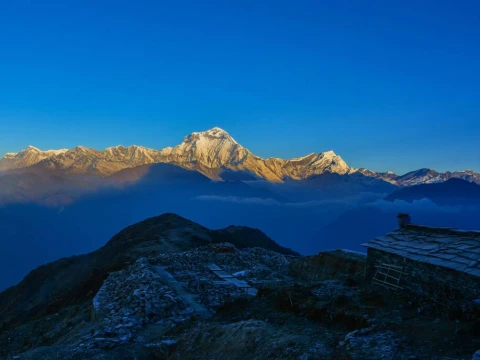
The Khopra Ridge Trek is one of the most scenic and less crowded trekking routes in the Annapurna region of Nepal, offering breathtaking Himalayan views, peaceful trails, and authentic village experiences. Organized by Mountain of Nepal, this trek is designed for travelers seeking a quieter alternative to the busy Annapurna Base Camp route while still enjoying spectacular mountain panoramas, including Dhaulagiri, Annapurna South, Nilgiri, and Machhapuchhre (Fishtail).The journey begins from the culturally rich village of Ghandruk and gradually ascends through lush rhododendron forests, alpine meadows, and high ridges until reaching the stunning Khopra Ridge viewpoint. Along the way, trekkers pass through remote settlements such as Tadapani, Dobato, and Bayeli Kharka, each offering unique landscapes and local hospitality.A major highlight of the trek is the sacred alpine lake Khayar Lake, situated at an altitude of about 4,660 meters, which is an important pilgrimage site for local Hindu communities. The trek perfectly blends adventure, culture, and spirituality.Panoramic Himalayan views from Khopra RidgeVisit sacred Khayar LakeAuthentic Gurung village experienceLess crowded trekking trailRich biodiversity in the Annapurna Conservation AreaOverall, the Khopra Ridge Trek is ideal for trekkers who want a peaceful Himalayan journey without compromising on dramatic mountain scenery and cultural richness.Best Season for Khopra Ridge TrekThe best time to trek on Khopra Ridge is during the spring (March to May) and autumn (September to November) seasons, when the weather is stable, and mountain visibility is at its highest. Organized by Mountain of Nepal, this trek is carefully scheduled to ensure safe walking conditions, comfortable temperatures, and the best photographic opportunities.During spring, the trail is decorated with blooming rhododendrons and lush greenery. The forests between Ulleri and Khopra Ridge become especially beautiful, creating a colorful trekking experience. Temperatures are moderate, and skies are generally clear in the mornings.Autumn is equally popular due to post-monsoon clarity, offering crystal-clear views of the Annapurna and Dhaulagiri ranges. Cultural festivals like Dashain and Tihar may also be experienced in lower villages such as Ghandruk.Winter (December–February) is possible, but very cold at higher elevations like Khopra Ridge (3,660 m), and heavy snowfall may block routes to Khayar Lake. Monsoon (June–August) is less recommended due to slippery trails and leeches in forested areas.Key PointsBest seasons: Spring & AutumnClear mountain visibilityStable weather conditionsBlooming rhododendron forests in springWinter trekking possible but challengingChoosing the right season ensures a safer and more rewarding trekking experience with Mountain of Nepal.Khopra Ridge Trek Difficulty and TransportationThe Khopra Ridge Trek is considered a moderate-level trek, suitable for trekkers with basic fitness and some prior hiking experience. While technical climbing is not required, the route involves long walking hours, steep ascents, and high-altitude terrain, especially when approaching Khopra Ridge and Khayar Lake.Daily walking ranges from 4 to 8 hours, with significant elevation gain between villages such as Tadapani, Dobato, and Khopra Ridge. The highest point is Khayar Lake at 4,660 meters, where altitude sickness awareness is important.Transportation is well-managed by Mountain of Nepal. The journey begins with a domestic flight or drive from Kathmandu to Pokhara, followed by a scenic jeep drive to Ghandruk, the trek starting point. After completing the trek, travelers return via Ulleri and drive back to Pokhara, then Kathmandu.Difficulty SummaryModerate trekking level5–8 hours walking per dayHighest altitude: 4,660 mSteep forest and ridge trailsBasic fitness requiredTransportation PointsFlight or drive Kathmandu–PokharaJeep ride to GhandrukReturn via Ulleri to PokharaRoad travel back to KathmanduProper pacing and acclimatization arranged by Mountain of Nepal make the trek achievable for most adventure lovers.Food and Accommodation for Khopra Ridge TrekAccommodation on the Khopra Ridge Trek is mainly in locally run teahouses and community lodges, offering a warm and authentic Himalayan experience. Managed with support from Mountain of Nepal, these lodges provide basic but comfortable facilities, emphasizing local hospitality and sustainable tourism.Rooms are typically twin-sharing with simple bedding, blankets, and shared bathrooms at higher elevations like Khopra Ridge. In lower villages such as Ghandruk and Tadapani, facilities are slightly more developed with better dining spaces and hot showers (sometimes solar-heated).Food is freshly prepared and includes a mix of Nepali and international dishes. The staple meal is Dal Bhat (rice, lentils, vegetables, and pickles), which provides essential energy for trekking. Other options include noodles, pasta, soups, eggs, pancakes, and Tibetan bread.At higher elevations like Khopra Ridge, food options become simpler due to remote access, but meals remain nutritious and hygienic.Food & Accommodation HighlightsTeahouse and community lodge staysBasic twin-sharing roomsHot meals prepared fresh dailyTraditional Dal Bhat for energyLimited but cozy facilities at high altitudeMountain of Nepal ensures hygienic food standards and selects the best available lodges to maintain comfort and safety throughout the trek.Khopra Ridge Trek PermitsTo trek in the Khopra Ridge region, certain permits are mandatory as it lies within the protected Annapurna Conservation Area. Mountain of Nepal handles all permit arrangements to ensure a smooth trekking experience without administrative hassle.The main required permits include the Annapurna Conservation Area Permit (ACAP) and the Trekkers’ Information Management System (TIMS) card. These permits are checked at various entry points along the trail, especially near villages like Ghandruk and Ulleri.ACAP is essential for environmental conservation efforts and supports local community development projects in the region. TIMS ensures trekker safety and helps track movement in remote areas.Permit Requirements SummaryACAP Permit requiredTIMS Card mandatoryChecked at trail entry pointsManaged by a trekking agencySupports conservation and safetyAdditional NotesPassport copy requiredPassport-size photos neededPermits arranged before trek departureIncluded in the Mountain of Nepal packagesHaving all permits pre-arranged allows trekkers to focus fully on the journey without logistical stress.Why Choose Khopra Ridge TrekThe Khopra Ridge Trek is one of the most rewarding hidden gems in Nepal, offering a perfect balance of adventure, culture, and tranquility. Unlike heavily crowded trails, this route provides solitude and uninterrupted mountain views, making it ideal for those seeking a peaceful Himalayan experience.With Mountain of Nepal, trekkers receive professional guidance, well-planned itineraries, and personalized support throughout the journey. From the charming village of Ghandruk to the high alpine beauty of Khopra Ridge and sacred Khayar Lake, every step is carefully organized for safety and enjoyment.The trek also supports local communities through community-based lodges, ensuring that tourism directly benefits remote Himalayan villages. Cultural immersion is another major highlight, as trekkers experience traditional Gurung lifestyles, local cuisine, and mountain hospitality.Why Choose This TrekLess crowded than other Annapurna routesStunning panoramic Himalayan viewsVisit sacred Khayar LakeCultural village experiencesSafe and organized by expertsIn conclusion, the Khopra Ridge Trek with Mountain of Nepal is perfect for trekkers seeking a meaningful, scenic, and peaceful Himalayan adventure away from the mainstream trails.
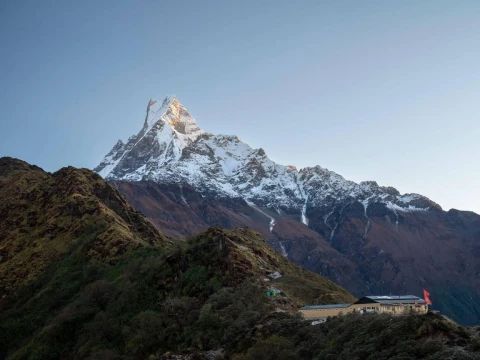
The Mardi Himal Trek is a stunning short Himalayan adventure located in the Annapurna region of Nepal. This trek is known for its peaceful trails, close-up views of iconic peaks like Machhapuchhre (Fishtail), Annapurna South, and Hiunchuli, and its relatively less crowded route compared to other popular treks. The journey gradually ascends from lush forests and traditional villages to high alpine landscapes, finally reaching the dramatic viewpoint at Mardi Himal Base Camp (4,500 m).This 10-day itinerary, designed by Mountain of Nepal, offers a balanced experience of culture, nature, and adventure. Starting from Kathmandu, the journey moves to Pokhara and then into the Annapurna foothills. Each day presents a gradual increase in altitude, allowing proper acclimatization and safe trekking conditions. The route passes through Australian Camp, Forest Camp, Low Camp, High Camp, and finally Base Camp before descending back through Siding Village.The trek is ideal for trekkers who want a moderate Himalayan experience without long expedition-style commitments. It combines rhododendron forests, alpine ridges, and breathtaking sunrise views over snow-capped peaks.Close-up views of Annapurna and MachhapuchhrePeaceful and less crowded trekking routeBeautiful forest and ridge-line walking trailsSunrise view from High Camp and Base CampCultural experience in Gurung villagesBest Season for Mardi Himal TrekThe best time to undertake the Mardi Himal Trek is during spring (March–May) and autumn (September–November). These seasons offer the most stable weather conditions, clear mountain views, and comfortable trekking temperatures. Spring is especially beautiful because the forests are filled with blooming rhododendrons, adding vibrant colors to the trail.Autumn, on the other hand, provides crystal-clear skies after the monsoon, making it the best season for panoramic Himalayan photography. Winter trekking is also possible, but requires proper preparation due to cold temperatures at High Camp and Base Camp. The monsoon season (June–August) is generally avoided because of heavy rainfall, slippery trails, and reduced visibility.Mountain of Nepal recommends planning your trek in peak seasons to fully enjoy the scenic beauty and safe trail conditions.Best seasonal breakdown:Spring (Mar–May): Flowers, moderate weather, clear viewsAutumn (Sep–Nov): Best visibility, stable climateWinter (Dec–Feb): Cold but peaceful trailsMonsoon (Jun–Aug): Not recommended due to rain and cloudsMardi Himal Trek Difficulty and TransportationThe Mardi Himal Trek is considered a moderate-level trek, suitable for beginners with basic fitness as well as experienced trekkers. The daily walking hours range between 4 and 8 hours, with gradual altitude gain. The highest point, Mardi Himal Base Camp (4,500 m), requires good stamina but does not involve technical climbing.The trek involves steep ascents, forest trails, and narrow ridge walks, which can be physically demanding but rewarding. Proper pacing and acclimatization are essential, especially from Low Camp to High Camp.Transportation is well-managed in this itinerary by Mountain of Nepal. The journey begins with a flight from Kathmandu to Pokhara, followed by a drive to Kande, the trek starting point. After completing the trek, travelers descend to Siding Village and drive back to Pokhara, then return to Kathmandu by road or flight, depending on preference.Difficulty & transport summary:Moderate trekking difficulty4–8 hours walking dailyMaximum altitude: 4,500 mFlight: Kathmandu → PokharaDrive: Pokhara ↔ Kande / Siding VillageSuitable for fit beginners and regular hikersFood and Accommodation for Mardi Himal TrekDuring the Mardi Himal Trek, accommodation is provided in local teahouses and lodges along the route. These are simple but comfortable mountain stays run by local families. Rooms are usually twin-sharing with basic bedding, and bathrooms are shared in most locations. As altitude increases, facilities become more basic, especially at High Camp.Food is freshly prepared in teahouses and includes a mix of Nepali and international dishes. The most common and recommended meal is Dal Bhat (rice, lentils, vegetables), which provides energy for long trekking days. Other options include noodles, pasta, soups, eggs, pancakes, and tea/coffee.The mountain of Nepal ensures trekkers are guided to clean and reliable lodges throughout the journey, maintaining safety and comfort standards.Accommodation & food highlights:Teahouse/lodge accommodation throughout the trekBasic but clean rooms (twin sharing)Shared bathroom facilitiesFreshly cooked local mealsDal Bhat power meal for energyHot drinks available (tea, coffee, ginger lemon)Mardi Himal Trek PermitsTo complete the Mardi Himal Trek, two main permits are required. These are mandatory and are checked at various entry points in the Annapurna region. Mountain of Nepal arranges all necessary permits for trekkers to ensure a smooth and hassle-free experience.The required permits include the Annapurna Conservation Area Permit (ACAP) and the Trekkers’ Information Management System (TIMS) Card. The ACAP helps conserve the natural environment and supports local communities, while TIMS ensures trekker safety and record management.Both permits are easily obtainable in Kathmandu or Pokhara, but it is highly recommended to arrange them through a registered trekking agency like Mountain of Nepal to avoid delays or confusion.Permit details:ACAP (Annapurna Conservation Area Permit)TIMS Card (Trekkers’ safety registration)Issued in Kathmandu or PokharaRequired for checkpoints along the routeManaged fully by Mountain of Nepal for convenienceWhy Choose Mardi Himal TrekThe Mardi Himal Trek is one of Nepal’s best short trekking experiences, offering incredible Himalayan views without the crowds of more commercial routes. It is perfect for travelers seeking a peaceful, scenic, and moderately challenging adventure within a limited timeframe.Unlike longer treks, Mardi Himal provides a direct and immersive mountain experience. You walk through dense forests, open ridges, and high alpine zones while constantly viewing Machhapuchhre’s iconic peak. The itinerary is flexible, well-paced, and suitable for both solo travelers and groups.With Mountain of Nepal, trekkers benefit from professional guidance, safe logistics, experienced local guides, and personalized support throughout the journey.Reasons to choose this trek:Short yet highly scenic Himalayan experienceLess crowded trails compared to Annapurna Base CampClose-up views of iconic mountain peaksIdeal for beginners and intermediate trekkersWell-managed itinerary by Mountain of NepalCultural interaction with local Gurung communities
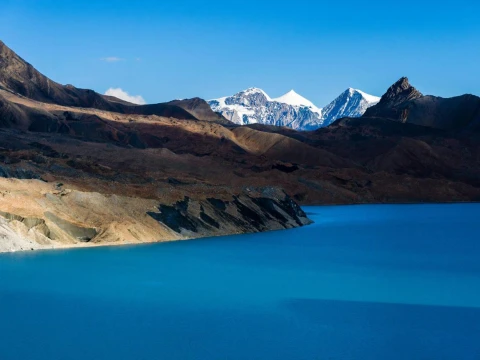
The Annapurna Circuit Trek with Tilicho Lake via Upper Pisang and Ngawal is one of the most diverse and dramatic trekking journeys in the Himalayas of Nepal. Operated by Mountain of Nepal, this itinerary combines the classic Annapurna Circuit with the detour to the breathtaking Tilicho Lake (4,919 m), one of the highest lakes in the world. The route starts from the vibrant capital Kathmandu, followed by a long drive to Chame, the gateway to the Manang region. From here, trekkers gradually ascend through traditional villages like Upper Pisang, Ngawal, and Braga, each offering unique cultural and Himalayan landscape experiences.This trek is a blend of natural beauty, high-altitude adventure, and cultural immersion. The trail passes through the arid landscapes of Manang, alpine forests, glacial valleys, and eventually leads to the sacred lake of Tilicho before rejoining the main circuit. The adventure continues toward Yak Kharka and the challenging high-altitude crossing of Thorong La Pass, before descending to the holy site of Muktinath and ending the trekking section at Jomsom. The journey concludes with a scenic flight via Pokhara back to Kathmandu.Exploration of traditional Manang villages (Pisang, Ngawal, Braga)Visit to Tilicho Lake (world’s highest alpine lake region trek)Crossing Thorong La Pass (5,416 m)Cultural experience in the Muktinath temple areaScenic flight from Jomsom to PokharaBest Season for Annapurna Circuit Trek with Tilicho Lake via Upper Pisang and NgawalThe best time to experience the Annapurna Circuit Trek with Tilicho Lake is during spring (March to May) and autumn (September to November). These seasons provide the most stable weather conditions, clear mountain views, and safer trail conditions, especially for high passes like Thorong La Pass and the Tilicho Lake region. During spring, the trails are decorated with blooming rhododendrons, while autumn offers crystal-clear skies after the monsoon washes away dust and haze.Winter (December to February) is also possible but extremely cold, especially around Tilicho Base Camp and Thorong Phedi. Heavy snowfall may block the pass, making the route more challenging or even inaccessible. Monsoon season (June to August) is generally not recommended due to landslides, slippery trails, and poor visibility, although the Manang region lies in a partial rain shadow and receives less rainfall compared to lower regions like Pokhara.Seasonal breakdown:Spring (Mar–May): Best for flowers, moderate temperatures, stable weatherAutumn (Sep–Nov): Best visibility, safest trekking conditionsWinter (Dec–Feb): Cold, snow risk at high passesMonsoon (Jun–Aug): Not recommended due to landslidesChoosing the right season ensures safety, comfort, and maximum enjoyment on this high-altitude adventure operated by Mountain of Nepal.Difficulty and Transportation for Annapurna Circuit Trek with Tilicho Lake via Upper Pisang and NgawalThis trek is considered moderate to challenging, primarily due to high altitude, long trekking days, and the demanding crossing of Thorong La Pass at 5,416 meters. The addition of Tilicho Lake makes the itinerary more strenuous because of steep ascents, landslide-prone sections, and thin air conditions above 4,000 meters. However, with proper acclimatization days in Manang and a steady pace, most fit trekkers can complete the route successfully.The journey begins with a drive from Kathmandu to Chame, which takes around 9–10 hours on mountainous roads. From there, trekking starts toward Upper Pisang and Ngawal, continuing through the Manang valley. The route includes both trekking and transport segments, ending with a flight from Jomsom to Pokhara and then back to Kathmandu. Some sections may also involve jeep transport depending on weather and road conditions.Difficulty factors:High altitude above 4,000–5,400 metersLong walking hours (5–7 hours daily)Cold temperatures at Tilicho and Thorong PhediRocky, steep, and landslide-prone trailsTransportation summary:Drive: Kathmandu → Chame (off-road mountain drive)Trek: Chame → Manang → Tilicho → Thorong La → MuktinathFlight: Jomsom → Pokhara → KathmanduOperated by Mountain of Nepal, proper acclimatization schedules are strictly followed to ensure safety.Food and Accommodation for Annapurna Circuit Trek with Tilicho Lake via Upper Pisang and NgawalAccommodation along the Annapurna Circuit Trek with Tilicho Lake route is mainly in tea houses, which are simple mountain lodges run by local families. In lower regions like Chame, Upper Pisang, and Ngawal, facilities are relatively comfortable with private rooms, shared bathrooms, and dining halls. As you move higher toward Yak Kharka and Thorong La Pass, accommodation becomes more basic due to remote conditions and limited resources.Food options are surprisingly diverse considering the altitude. Common meals include dal bhat (rice, lentils, vegetables), noodles, pasta, soups, eggs, and Tibetan bread. In higher areas like Tilicho Base Camp and Thorong Phedi, food availability becomes limited but still sufficient for trekkers. Hot drinks such as tea, ginger lemon honey, and garlic soup are highly recommended for altitude adaptation.Accommodation features:Tea house lodging (basic to moderate comfort)Shared or private rooms, depending on altitudeLimited electricity and charging at higher elevationsFood highlights:Traditional Nepali dal bhat (energy-rich meal)Pasta, noodles, fried rice, soupsHot drinks for altitude recoveryImportant note from Mountain of Nepal: Prices increase with altitude due to transportation difficulty, and menu variety decreases after the Manang region. Proper hydration and balanced meals are essential for high-altitude trekking success.Annapurna Circuit Trek with Tilicho Lake via Upper Pisang and Ngawal – PermitsTo complete the Annapurna Circuit Trek with Tilicho Lake, trekkers must obtain specific permits issued by the Government of Nepal. These permits are mandatory for entry into the Annapurna Conservation Area and for trekking in restricted regions like Manang and Mustang. Mountain of Nepal arranges all necessary documentation for trekkers to ensure a hassle-free experience.The main permits required are the Annapurna Conservation Area Permit (ACAP) and the Trekkers’ Information Management System (TIMS) card. These permits help regulate tourism, ensure safety, and support conservation efforts in sensitive Himalayan ecosystems. They are checked at multiple entry points, including checkpoints near Chame and Jomsom.Required permits:ACAP (Annapurna Conservation Area Permit)TIMS Card (Trekkers’ Information Management System)Additional permits (if required for restricted side routes)Why permits matter:Support the conservation of the Annapurna regionEnsure trekker safety and trackingFund local community development projectsPermits can be obtained in Kathmandu or Pokhara through authorized agencies. When trekking with Mountain of Nepal, all permits are included in the package, eliminating administrative stress and allowing trekkers to focus fully on the journey.Why Choose Annapurna Circuit Trek with Tilicho Lake via Upper Pisang and NgawalChoosing this specific itinerary offers one of the most complete Himalayan experiences in Nepal. The combination of classic Annapurna Circuit villages like Upper Pisang and Ngawal with the side trip to Tilicho Lake creates a perfect balance of culture, adventure, and extreme natural beauty. The trek also includes the dramatic crossing of Thorong La Pass, making it a once-in-a-lifetime achievement for many trekkers.This route is ideal for trekkers who want more than just a standard circuit. It provides deeper cultural immersion in the Manang region, panoramic views of the Annapurna and Dhaulagiri ranges, and the spiritual experience of visiting Muktinath. The journey also transitions from lush valleys to barren high-altitude deserts, offering incredible geographical diversity.Why choose this trek with Mountain of Nepal:Expert-guided safe itinerary with acclimatizationInclusion of the Tilicho Lake adventure routeCultural exploration of Manang villagesScenic mountain flights from Jomsom to PokharaFully managed logistics, permits, and accommodationUltimately, this trek is not just a physical journey but a transformative Himalayan experience. With Mountain of Nepal, trekkers receive professional guidance, safety assurance, and a deeply enriching adventure across one of the world’s most iconic trekking regions.
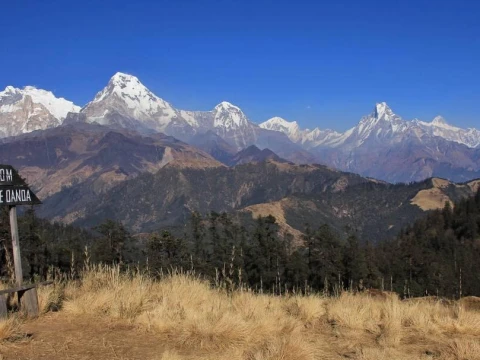
The Annapurna Four Viewpoints Trek is a scenic trekking journey in the Annapurna region of Nepal that connects four iconic vantage points: Mohare Danda, Poon Hill, Khopra Danda, and Mulde Peak, offering some of the best panoramic Himalayan views. The route passes through traditional villages, dense rhododendron forests, terraced farmlands, and high alpine ridges, creating a perfect blend of culture and nature. The trek is designed to provide multiple sunrise and sunset viewpoints of the Annapurna and Dhaulagiri mountain ranges.This itinerary starts from the bustling capital city of Kathmandu and travels through Pokhara before entering remote mountain trails. Key destinations like Ghorepani, Poon Hill, Mohare Danda, Khopra Danda, and Mulde Peak form the backbone of the trek.Four major Himalayan viewpoints in one trekCultural village experience in the Magar and Gurung communitiesSunrise views of Annapurna & Dhaulagiri rangesEco-community lodge trekking experienceBest Season for Annapurna Four Viewpoints TrekThe best time to undertake the Annapurna Four Viewpoints Trek is during spring (March–May) and autumn (September–November). In spring, the entire trail blooms with vibrant rhododendron flowers, while autumn offers crystal-clear skies and the most stable weather conditions. These seasons provide the best visibility for Himalayan peaks and comfortable trekking temperatures.Winter (December–February) is also possible, but it can be cold at higher elevations like Khopra Danda and Mohare Danda. Snow may block trails near viewpoints, but it offers a peaceful, less crowded experience. The monsoon season (June–August) is generally not recommended due to slippery trails, leeches, and limited mountain visibility.Short Highlights:Best seasons: Spring & AutumnClear mountain views and stable weatherWinter trekking possible with preparationMonsoon trekking is not recommendedAnnapurna Four Viewpoints Trek Difficulty and TransportationThe Annapurna Four Viewpoints Trek is considered moderate to moderately challenging. It involves daily walking of 5–8 hours through steep ascents, stone steps, and high ridgelines. The highest elevation reaches around 3,650 meters at Mulde Peak, so altitude adaptation is important, though the risk of severe altitude sickness is relatively low compared to higher Himalayan treks.Transportation begins with a drive from Kathmandu to Pokhara, followed by a journey to Nayapul. From there, trekking starts toward Birethanti and continues through remote villages. The return leg includes a descent to Ghandruk, followed by a drive back to Pokhara and onward transport to Kathmandu.Short Highlights:Moderate difficulty with daily 5–8 hour walksMaximum altitude: ~3,650mA mix of trekking and road transportRequires basic fitness and staminaFood and Accommodation for Annapurna Four Viewpoints TrekAccommodation on this trek is primarily in community lodges and teahouses, which are simple but comfortable. Villages like Nangi Village, Khopra Danda, and Ghorepani offer basic rooms with twin beds, shared bathrooms, and warm dining halls. In higher elevations, facilities become more rustic, but hospitality remains warm and welcoming.Food is freshly prepared and typically includes Nepali staples like dal bhat (rice, lentils, vegetables), noodles, soups, potatoes, and Tibetan bread. In lower villages, menus are more varied, while higher regions focus on energy-rich meals. Hot drinks like tea, coffee, and ginger lemon honey are widely available to keep trekkers warm.Short Highlights:Community-run teahouse accommodationBasic but clean and cozy roomsTraditional Nepali meals (dal bhat, soups, noodles)Hot drinks available throughout the trailAnnapurna Four Viewpoints Trek PermitsTo trek in the Annapurna region, trekkers need two essential permits: the Annapurna Conservation Area Permit (ACAP) and the Trekkers’ Information Management System (TIMS) card. These permits help regulate tourism and support conservation efforts in the region.The trekking agency Mountain of Nepal handles all permit arrangements for travelers, ensuring a smooth and hassle-free process. Permits are checked at multiple entry points along the trail, especially near conservation checkpoints in villages like Birethanti and Ghorepani.Short Highlights:ACAP permit requiredTIMS card mandatoryChecked at multiple trekking checkpointsArranged by Mountain of NepalWhy Choose Annapurna Four Viewpoints TrekThe Annapurna Four Viewpoints Trek is unique because it combines four major Himalayan viewpoints in one route, offering diverse perspectives of the Annapurna and Dhaulagiri ranges. Unlike standard treks, this itinerary is less crowded and emphasizes community-based eco-tourism, making it more sustainable and culturally immersive.Choosing Mountain of Nepal ensures professional guidance, experienced local guides, well-planned logistics, and safety-focused trekking support. The company also promotes responsible tourism by staying in community lodges and supporting local villages throughout the route.Short Highlights:Four iconic viewpoints in one trekLess crowded and eco-friendly routeRich cultural immersion in mountain villagesSafe and organized trekking with Mountain of NepalStunning sunrise and panoramic Himalayan views
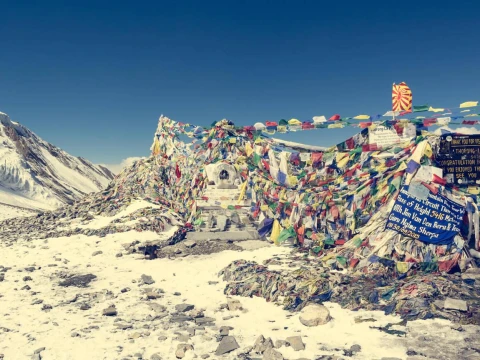
The Annapurna Circuit Trek is one of the most iconic trekking adventures in the world, and it is perfectly structured in the 11-day itinerary organized by Mountain of Nepal. This journey takes you through diverse landscapes ranging from subtropical valleys to high Himalayan desert terrain, offering a complete Himalayan experience. Starting from Kathmandu at 1,400 meters, the trek gradually ascends through culturally rich villages, alpine forests, and high-altitude settlements before crossing the legendary Thorong La Pass. The route is designed to provide both adventure and proper acclimatization, ensuring trekkers experience the beauty of the Annapurna region safely and meaningfully.As the journey progresses, trekkers pass through key destinations such as Chame, Pisang, and the culturally significant village of Manang. Each location introduces unique Tibetan-influenced cultures, monasteries, and panoramic mountain views. The highlight of the trek is the crossing of Thorong La Pass, one of the highest trekking passes in the world, followed by a descent to Muktinath and onward travel to Jomsom. The final leg includes a scenic flight via Pokhara back to Kathmandu, completing a full Himalayan circuit experience.Classic Annapurna Circuit route with gradual altitude gainCultural immersion in Himalayan villagesCrossing Thorong La Pass (5,416 m)Scenic flights and drives includedOrganized by Mountain of Nepal for safety and comfortBest Season for Annapurna Circuit TrekThe best seasons for the Annapurna Circuit Trek with Mountain of Nepal are spring (March to May) and autumn (September to November). During these months, the weather remains stable, skies are generally clear, and mountain visibility is at its peak. Spring brings blooming rhododendrons and lush green hills, making the lower sections of the trek especially beautiful. Autumn, on the other hand, offers crisp air, dry trails, and the clearest Himalayan views, making it the most popular trekking season.Winter (December to February) is also possible but challenging due to heavy snowfall, especially around Thorong La Pass. Summer/monsoon (June to August) brings rain, landslides, and slippery trails in lower regions, although the rain-shadow areas like Manang and Mustang remain relatively dry. However, the trekking experience is generally less predictable during this period.Mountain of Nepal carefully schedules departures to match optimal weather windows, ensuring trekkers get maximum visibility, safety, and comfort throughout the journey.Key Highlights:Best seasons: Spring & AutumnClear mountain views and stable weatherWinter is possible, but very cold and snowyThe monsoon season is less ideal due to the rainCompany-managed seasonal departures for safetyAnnapurna Circuit Trek Difficulty and TransportationThe Annapurna Circuit Trek is considered a moderate to challenging trek due to its long walking days and high-altitude crossing at Thorong La Pass. However, with proper acclimatization days, such as the rest day in Manang, the trek becomes manageable for fit and determined trekkers. Daily walking ranges from 4 to 7 hours, with some longer days during ascent and descent phases. The high-altitude segment requires mental endurance and physical preparation, but no technical climbing skills are needed.Transportation is a key part of the itinerary designed by Mountain of Nepal. The journey includes a long scenic drive from Kathmandu to Chame, followed by trekking sections through Pisang, Manang, and Yak Kharka. After crossing Thorong La Pass, trekkers descend to Muktinath and drive to Jomsom. The return journey includes a flight from Jomsom to Pokhara and then back to Kathmandu, providing a comfortable exit after the strenuous trek.Key Highlights:Moderate to challenging difficulty levelNo technical climbing requiredHigh altitude crossing at Thorong La PassA combination of trekking, driving, and flyingProper acclimatization is included for safetyFood and Accommodation for Annapurna Circuit TrekFood and accommodation along the Annapurna Circuit Trek are simple but comfortable, offering a warm and authentic Himalayan experience. Throughout the journey, trekkers stay in teahouses operated by local families. These lodges provide basic rooms with twin beds, warm blankets, and shared bathroom facilities in most locations. As altitude increases, accommodations become more basic but still welcoming, especially in places like Yak Kharka and high-altitude stops near Thorong Phedi.Meals are freshly prepared and typically include a mix of Nepali and international dishes. The most common meal is dal bhat (rice, lentils, vegetables), which provides high energy for trekking days. Other options include noodles, pasta, soups, potatoes, eggs, and Tibetan bread. Hydration and high-calorie intake are strongly encouraged due to altitude demands. The mountains of Nepal ensure trekkers receive hygienic, nutritious meals throughout the journey.In larger villages like Manang and Jomsom, food variety increases, and bakeries or cafés may also be available. Overall, the teahouse system supports both comfort and cultural immersion.Key Highlights:Teahouse accommodation throughout the trekBasic but comfortable mountain lodgesFreshly cooked local and international mealsHigh-energy diet suitable for altitude trekkingIncreased food variety in larger villagesAnnapurna Circuit Trek PermitsTo complete the Annapurna Circuit Trek, trekkers require official permits regulated by Nepal’s trekking authorities. Mountain of Nepal handles all permit arrangements to ensure a smooth and hassle-free experience. The two main permits required are the Annapurna Conservation Area Permit (ACAP) and the Trekkers’ Information Management System (TIMS) card. These permits are mandatory for entering the Annapurna region and help support conservation and safety monitoring.The ACAP permit contributes directly to environmental protection and local community development in the Annapurna region. The TIMS card ensures trekkers are registered and traceable in case of emergencies. These documents are checked at various checkpoints along the route, especially in areas like Chame and Manang.Mountain of Nepal ensures all paperwork is completed before the trek begins in Kathmandu, allowing trekkers to focus entirely on the adventure rather than administrative procedures.Key Highlights:ACAP permit is required for the Annapurna regionTIMS card mandatory for trekking registrationPermits arranged by Mountain of NepalChecked at multiple trail checkpointsSupports conservation and safety systemsWhy Choose Annapurna Circuit Trek with Mountain of NepalChoosing the Annapurna Circuit Trek with Mountain of Nepal ensures a professionally organized, safe, and enriching Himalayan experience. The company focuses on small-group personalized service, experienced guides, and carefully planned itineraries that balance adventure with acclimatization. With an 11-day structured route, trekkers experience the full diversity of the Annapurna region, from lush valleys to high mountain passes, without feeling rushed.The journey is supported by experienced local guides who are trained in high-altitude safety and first aid. From arrival in Kathmandu to the final flight from Pokhara, Mountain of Nepal ensures seamless logistics, including transportation, accommodation, permits, and meals. The itinerary also includes essential acclimatization in Manang, increasing safety and success rates for crossing Thorong La Pass.This trek is ideal for travelers seeking a complete Himalayan circuit experience with cultural depth, mountain adventure, and professional support.Key Highlights:Fully organized trek by Mountain of NepalExperienced local guides and support staffBalanced itinerary with acclimatizationComplete logistics management includedSafe and culturally immersive trekking experience
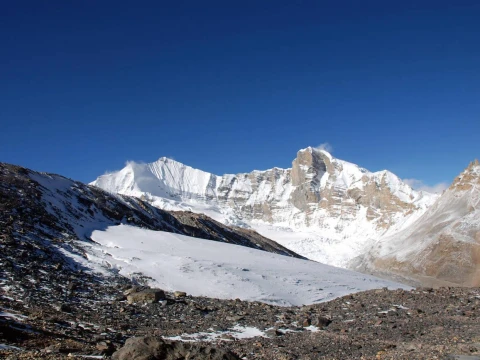
The Annapurna to Mustang Traverse via Teri La Pass is one of Nepal’s most remote and challenging high-altitude trekking expeditions, linking the secluded valleys of the Nar Phu Valley with the restricted Himalayan kingdom of Upper Mustang. Operated by Mountain of Nepal, this 23-day journey is designed for experienced trekkers seeking adventure beyond traditional routes in the greater Annapurna region. The trek passes through isolated Tibetan-influenced settlements, high mountain passes, ancient monasteries, and stark trans-Himalayan landscapes, culminating in the legendary walled city of Lo Manthang.The itinerary begins in Kathmandu and progresses through the Annapurna Circuit trailhead at Koto before entering Nar Phu Valley. From there, the route climbs steadily through Kyang, Phu Gaun, Nar, and onward to high alpine camps before crossing the demanding Teri La Pass (5,540 m). After the pass, the trail descends into Mustang, eventually reaching Upper Mustang and concluding at Jomsom, followed by flight connections back to Pokhara and Kathmandu.This expedition is both a cultural immersion and a physical challenge, combining wilderness trekking with high-altitude endurance. Mountain of Nepal ensures full logistical support, including experienced guides, permits, and safety management for this remote Himalayan traverse.Remote Nar Phu Valley explorationCrossing Teri La Pass (5,540 m)Tibetan-influenced culture of Upper MustangVisit to Lo ManthangScenic flight from Jomsom to PokharaBest Season for Annapurna to Mustang Traverse via Teri La PassThe best seasons for the Annapurna to Mustang Traverse via Teri La Pass are spring (April–May) and autumn (September–November). During these periods, weather conditions are relatively stable, skies are clearer, and mountain views are at their best. Because the route crosses extremely high terrain, including Teri La Pass and remote sections of the Annapurna and Mustang regions, weather plays a critical role in safety and success.In spring, rhododendron forests bloom in the lower Annapurna regions, while higher valleys like Nar Phu Valley remain crisp and dry. Autumn offers the clearest visibility and most stable trekking conditions, especially in the rain-shadow areas of Upper Mustang. Winter is not recommended due to heavy snowfall blocking Teri La Pass, while summer/monsoon brings landslides in the lower sections near Annapurna approaches.Mountain of Nepal carefully selects departure dates to align with optimal weather windows and ensures contingency days in locations like Nar Gaon for acclimatization and weather delays.Seasonal summary:Spring: best for landscapes and moderate temperaturesAutumn: best for clarity and stable conditionsWinter: heavy snow, the pass is often closedMonsoon: slippery trails, risk of landslidesBest months: April, May, September, October, NovemberAnnapurna to Mustang Traverse via Teri La Pass: Difficulty and TransportationThis trek is classified as very strenuous to expedition-level difficulty due to long trekking days, high altitude exposure, and technical navigation across remote terrain. The highlight, Teri La Pass (5,540 m), requires strong physical endurance and prior trekking experience above 4,000 meters. Daily walking ranges between 3 and 9 hours, often on rugged, unmarked trails with significant elevation gain and loss.Transportation begins with arrival in Kathmandu, followed by a long road drive to Koto. The trek then continues on foot through isolated valleys, with no road access until lower Mustang. After reaching Jomsom, travelers take a short mountain flight to Pokhara, followed by a drive or flight back to Kathmandu. Mountain of Nepal arranges all ground logistics, domestic flights, permits, and emergency evacuation support if required.The route requires acclimatization days in Phu and Nar to reduce altitude sickness risks. Terrain includes glacier-fed rivers, rocky ascents, snow passes, and high desert plateaus.Difficulty highlights:Very high altitude (up to 5,540 m)Remote wilderness with limited rescue accessLong trekking days (4–9 hours)Requires prior trekking experienceWeather-dependent pass crossingTransport summary:Drive Kathmandu → KotoTrek through Nar Phu & MustangFlight Jomsom → PokharaReturn to KathmanduFood and Accommodation for Annapurna to Mustang Traverse via Teri La PassAccommodation on this route is a combination of basic teahouses, homestays, and high-altitude camping. In lower sections, such as Annapurna approach villages, simple lodges provide meals and bedding. However, once entering Nar Phu Valley and approaching Teri La Pass, camping becomes essential due to the lack of permanent settlements. Mountain of Nepal provides full camping equipment, including tents, kitchen support, and trained cooks for higher camps.Meals are typically Nepalese and Tibetan-influenced, including dal bhat, noodles, soups, tsampa, and seasonal vegetables. As altitude increases, food becomes simpler but energy-rich. In remote sections like Upper Mustang, local lodges offer basic but warm meals. Hydration and calorie intake are strictly managed by guides to maintain stamina at altitude.Hygiene conditions vary depending on remoteness. In teahouses, shared bathrooms are common, while camping sections rely on portable toilet systems managed by the crew.Food & accommodation highlights:Teahouse stays in lower Annapurna & MustangFull camping above Phu and NarHigh-energy trekking meals providedHot drinks (tea, soup) for acclimatizationLimited luxury; focus on survival comfortMountain of Nepal ensures safe food handling, hygienic cooking, and proper altitude nutrition planning throughout the expedition.Annapurna to Mustang Traverse via Teri La Pass PermitsThis trek passes through restricted and protected areas, requiring multiple official permits issued by the Government of Nepal. Since it includes both the Annapurna Conservation Area and the restricted Upper Mustang region, proper documentation is mandatory and strictly checked at various checkpoints.The key permits include the Annapurna Conservation Area Permit (ACAP), Restricted Area Permit (RAP) for Nar Phu Valley, and the Upper Mustang Restricted Area Permit. Additionally, special trekking arrangements are required for crossing Teri La Pass, as it lies in a remote high-altitude corridor between two restricted zones.Mountain of Nepal handles all permit processing on behalf of trekkers, ensuring compliance with Nepal Tourism Board regulations. Solo trekking is not permitted in restricted areas; therefore, a licensed guide and minimum group requirement apply.Permit summary:Annapurna Conservation Area Permit (ACAP)Nar Phu Restricted Area PermitUpper Mustang Restricted Area PermitTIMS card (if required by regulation updates)Guide mandatory for all sectionsPermits ensure environmental protection, cultural preservation, and controlled tourism in fragile Himalayan regions like Upper Mustang and Nar Phu Valley.Why Choose Annapurna to Mustang Traverse via Teri La PassThe Annapurna to Mustang Traverse via Teri La Pass is not a typical trekking route—it is a rare expedition that combines wilderness adventure, cultural exploration, and extreme altitude trekking in one journey. It is ideal for experienced trekkers who want to go beyond commercial trails and experience the untouched Himalayas of Nepal.With Mountain of Nepal, this trek is professionally managed with safety-focused logistics, experienced high-altitude guides, and full expedition support. The route connects the hidden valleys of Nar Phu Valley with the ancient kingdom of Lo Manthang in Upper Mustang, offering one of the most diverse trekking experiences in the Himalayas.The journey includes everything from glacier valleys and alpine passes to desert plateaus and centuries-old Tibetan culture. The crossing of Teri La Pass makes it especially unique, as very few trekkers attempt this remote high pass each year.Why choose this trek:Extremely remote and less crowded routeCultural contrast between Annapurna and MustangHigh-altitude adventure (5,540 m pass)Expert support by Mountain of NepalCombination of camping + teahouse trekkingRare Himalayan crossing expedition
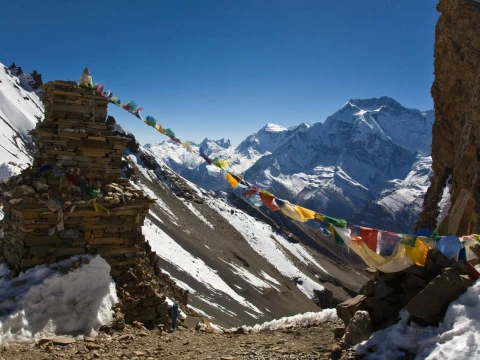
This combined trekking route organized by Mountain of Nepal is one of the most adventurous high-pass journeys in Nepal, linking the remote Nar–Phu Valley, Annapurna region, and upper Manang landscapes. The trek begins from the quiet villages near Siklis and gradually ascends through alpine forests, high yak pastures, and isolated Himalayan settlements before crossing three major high passes: Namun La Pass, Kang La Pass, and Thorong La Pass.The journey offers a rare mix of cultural immersion and extreme wilderness trekking. Early sections explore traditional Gurung villages like Siklis, while later sections enter the restricted Nar and Phu valleys, home to Tibetan-influenced communities. The route continues through iconic high-altitude terrain near Phu Village and Nar Village, eventually connecting to the famous Annapurna Circuit via Thorong La Pass.Crossing 3 major Himalayan passes over 4,800–5,300 mRemote wilderness trekking in Nar–Phu ValleyAncient Tibetan Buddhist culture and monasteriesPanoramic views of the Annapurna and Himlung rangesA blend of camping and lodge trekking experienceBest Season for Namun La Pass, Kang La, and Thorong La Pass TrekThe ideal seasons for this expedition are spring (March–May) and autumn (September–November) when weather conditions are stable, skies are clear, and mountain visibility is at its best. These months offer safer crossing conditions for high passes like Kang La (5,320 m) and Thorong La (5,416 m), where snow and wind can otherwise become dangerous.Spring brings blooming rhododendrons in lower regions, such as around Pokhara, and lush greenery along trekking trails. Autumn, however, is considered the most reliable season due to post-monsoon clarity and stable temperatures in high-altitude areas like Ngawal and the Muktinath region.Seasonal advantages:Spring: Flowers, moderate weather, fewer crowdsAutumn: Best visibility, stable weather, safer passesWinter: Extreme cold, snow blockages in passesMonsoon: Landslides and poor trail conditionsNamun La Pass, Kang La, and Thorong La Pass Trek Difficulty and TransportationThis trek is classified as strenuous to extremely challenging, primarily due to long walking days, remote terrain, and multiple high-altitude passes above 5,000 meters. Trekkers must be physically fit and acclimatized, especially for crossings like Namun La and Kang La Pass. Altitude sickness risk is significant due to rapid elevation gain in regions such as Koto and Yak Kharka.Transportation includes a combination of domestic flights, off-road jeep drives, and full trekking segments. The journey typically begins with a flight from Kathmandu to Pokhara, followed by road travel to Siklis. The return includes a scenic flight from Jomsom back to Kathmandu via Pokhara.Difficulty & logistics:Long trekking days (6–9 hours average)High passes above 4,800–5,300 mRemote camping sections in the Nar–Phu regionLimited rescue access in upper valleysA mix of lodge trekking and camping is requiredFood and Accommodation for Namun La Pass, Kang La, and Thorong La Pass TrekAccommodation varies from basic teahouses to tented camps, especially in remote sections like Namun La and Nar–Phu regions. In established trekking areas such as Ngawal, Braga, and Muktinath, trekkers can find comfortable lodges with warm meals and basic facilities.Food options are simple but energy-rich, designed for high-altitude trekking. Typical meals include dal bhat (rice and lentils), noodles, soups, potatoes, and seasonal vegetables. In remote camps, the expedition team from Mountain of Nepal provides freshly cooked meals to maintain nutrition and energy levels.Accommodation & food highlights:Teahouses in Annapurna region villagesCamping in the remote Nar–Phu and Namun La sectionsHot meals prepared by the support crewHigh-calorie vegetarian and non-vegetarian optionsLimited but safe drinking water supply (filtered/boiled)Namun La Pass, Kang La, and Thorong La Pass Trek PermitsSince the route passes through restricted and conservation zones, multiple permits are required. The Nar–Phu Valley section and Kang La Pass area require special permits, while the Annapurna Circuit sections require conservation permits. All permits are usually arranged by Mountain of Nepal as part of the trekking package.Key permit requirements include restricted area authorization for Nar–Phu Valley, Annapurna Conservation Area Permit (ACAP), and TIMS (Trekkers’ Information Management System) card. These ensure controlled tourism and environmental protection in fragile Himalayan ecosystems.Required permits:Restricted Area Permit (Nar–Phu Valley)Annapurna Conservation Area Permit (ACAP)TIMS Card (Trekkers Information System)Local municipality entry fees (if applicable)Passport and visa copy registrationWhy Choose Namun La Pass, Kang La, and Thorong La Pass TrekThis combined high-pass expedition offers one of the most complete Himalayan trekking experiences in Nepal, blending adventure, culture, and isolation. Organized by Mountain of Nepal, it is designed for experienced trekkers seeking a challenging but rewarding journey across three iconic passes.Unlike standard Annapurna Circuit treks, this route includes remote and less-traveled paths such as Namun La and Kang La, offering a deeper wilderness experience. The cultural diversity—from Gurung villages like Siklis to Tibetan-influenced settlements like Phu and Nar—adds immense richness to the journey.Reasons to choose this trek:Three major Himalayan passes in one expeditionRemote and less crowded trekking routeAuthentic cultural immersion in Nar–Phu ValleyProfessional support from Mountain of NepalScenic transition from green hills to alpine desertA combination of adventure, heritage, and high-altitude challenge
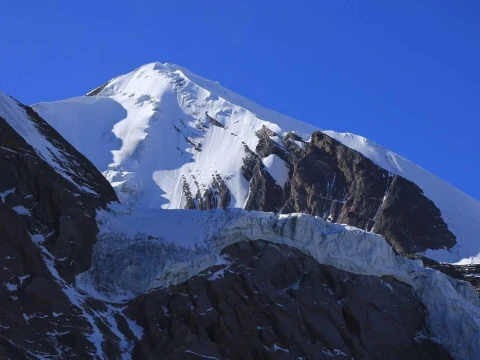
The Namun La, Kang La, and Mesokanto La Pass trek is one of the most challenging and rewarding high-altitude adventures in Nepal, combining remote wilderness, culturally rich villages, and extreme Himalayan crossings. This expedition connects the hidden valleys of the Annapurna region, including areas near Sikles, Koto, Phu Gaon, and concludes around Jomsom. It passes through three major technical and high-altitude passes: Namun La (4,850 m), Kang La (5,300 m), and Mesokanto La (5,121 m), making it a true Himalayan expedition rather than a simple trek.This route combines three different trekking circuits—Sikles-Kori, Naar-Phu Valley, and Tilicho-Mustang—into one continuous traverse. Trekkers experience dramatic landscape transitions from lush rhododendron forests to arid high-altitude deserts near the Annapurna range and Tilicho region, including views of Tilicho Lake. The trek is fully organised by experienced operators like Mountain of Nepal, ensuring safety in highly remote terrain.Three major Himalayan passes over 4,800–5,300 mRemote villages: Sikles, Phu, Naar, and JomsomCultural blend of Gurung and Tibetan-influenced communitiesAlpine lakes, glaciers, and dramatic ridgelinesFully guided expedition with support logisticsBest Season for Namun La, Kang La and Mesokanto Pass TrekThe best seasons for this trek are spring (March–May) and autumn (September–November), when weather conditions are stable, and mountain visibility is at its best. During these periods, the trails leading through Kori Danda, Phu Gaon, and Tilicho Base Camp are generally free from heavy snowfall, allowing safer passage across high passes like Kang La and Mesokanto La.Winter (December–February) is extremely harsh, with deep snow blocking Kang La and Mesokanto La, while the monsoon season (June–August) brings landslides and slippery trails, especially in lower regions like Sikles and Koto. Therefore, timing is critical for safety and success on this expedition.Best Season Highlights:Spring: blooming rhododendrons, stable weatherAutumn: clear skies, best mountain visibilityAvoid winter due to heavy snow on passesAvoid the monsoon due to landslides and poor visibilityIdeal temperatures: 5°C to 18°C (lower regions), -10°C to -20°C (passes)Mountain of Nepal carefully schedules departures in peak seasons to maximise safety and summit success rates.Namun La, Kang La and Mesokanto Pass Trek Difficulty and TransportationThis trek is classified as very challenging to strenuous, requiring excellent physical fitness, prior trekking experience, and strong acclimatisation ability. The route includes long trekking days (6–10 hours), glacier crossings, and steep ascents over high passes like Namun La, Kang La, and Mesokanto La. Oxygen levels are significantly reduced above 4,500 meters, especially near Kang La Pass and Mesokanto La Pass.Transportation begins with a flight to Pokhara, followed by a jeep drive to Sikles. The return leg often includes a flight from Jomsom back to Pokhara. Most of the journey between villages like Phu Gaon, Naar, and Koto is entirely on foot due to the remote terrain.Difficulty & Transport Points:Very strenuous high-altitude expedition trekRequires experience with 4,000m+ trekkingMultiple technical high passesCombination of flight + off-road jeep + trekkingLimited evacuation access in remote valleysMountain of Nepal provides trained guides, emergency protocols, and acclimatisation support for safety.Namun La, Kang La and Mesokanto Pass Trek Food and AccommodationAccommodation throughout the trek is basic and primarily consists of teahouses in lower villages such as Sikles, Koto, and Phu Gaon. As the trek ascends toward high passes like Kang La and Mesokanto La, accommodation becomes more limited, often shifting to tented camping supported by the expedition team from Mountain of Nepal.Meals are typically simple but high in carbohydrates and energy, including dal bhat, noodles, soups, potatoes, and tea. At higher elevations such as Tilicho Base Camp and near Dudh Pokhari, food availability is limited, so logistics teams carry dehydrated or pre-planned meals.Food & Accommodation Points:Teahouse lodges in lower trekking regionsCamping in high-altitude remote sectionsHigh-carb meals for energy (dal bhat, soups, pasta)Limited food variety above 4,500 mSafe water purification provided by guidesMountain of Nepal ensures hygienic meal planning, kitchen staff support, and safe drinking water systems throughout the trek.Permits for Namun La, Kang La and Mesokanto Pass TrekMultiple trekking permits are required because the route crosses restricted and conservation areas. Trekkers must obtain the Annapurna Conservation Area Permit (ACAP), the Manaslu/Restricted Area permits (for Naar-Phu region), and special permits for crossing restricted zones near Phu Gaon and Naar Village. These permits are strictly regulated by Nepalese authorities.In addition, special permits are needed for high-pass crossings like Kang La and Mesokanto La due to their location in sensitive border and conservation regions. Mountain of Nepal handles all documentation, ensuring trekkers comply with national park regulations and safety guidelines.Permit Requirements:ACAP (Annapurna Conservation Area Permit)Restricted Area Permit (Naar-Phu Valley)TIMS card (Trekkers Information Management System)Special high-pass trekking clearancePassport and visa copies requiredWithout proper permits, entry into restricted valleys is not allowed, making guided trekking essential.Why Choose Namun La, Kang La and Mesokanto Pass TrekThis trek is ideal for experienced adventurers seeking a true Himalayan expedition that combines remote culture, extreme altitude, and untouched landscapes. Unlike commercial trekking routes, this journey passes through isolated regions such as Phu Gaon, Naar Village, and high alpine zones around Tilicho Lake, offering an authentic wilderness experience.Choosing Mountain of Nepal ensures professional guidance, safety management, and well-planned logistics across all three major passes. Their expertise in high-altitude expeditions makes them a trusted operator for demanding routes involving Kang La, Namun La, and Mesokanto La.Why Choose This Trek:Three iconic high passes in one expeditionRare cultural exposure in remote Himalayan valleysLess crowded compared to the Everest/Annapurna main trailsExpert-guided logistics by Mountain of NepalUltimate endurance and adventure challengeRemote Villages and Hidden ValleysExplore traditional settlements such as Siklis, Nar, and Phu, where life continues in a centuries-old Himalayan way.Experience local culture, monasteries, prayer walls, and yak pastures in the high valleys.High-Altitude LakesTilicho Lake (4,900 m): Surrounded by snow-capped peaks, it is one of the world’s highest trekking-accessible lakes.Dudh Pokhari: A peaceful, sacred lake near Kori Danda, offering a tranquil high-altitude stop.Diverse LandscapesTrek through lush forests, high alpine meadows, deep gorges, glacial valleys, and remote high passes.Witness the dramatic contrasts of Nepal’s natural beauty, from verdant valleys to stark high-altitude deserts.Fitness & Preparation for This TrekThe 3 High Pass Trek is a demanding high-altitude adventure. Proper fitness and preparation are essential for safety and enjoyment.Trekkers should be comfortable walking 6–8 hours per day for multiple consecutive days, including climbs over 5,000 meters.Recommended preparation:Regular hiking or long walks to build enduranceStair climbing or hill workouts to strengthen legsCardiovascular exercises like running, cycling, or swimmingPractice hiking with a light backpackFocus on acclimatisation, hydration, and slow pacing to reduce the risk of altitude sickness
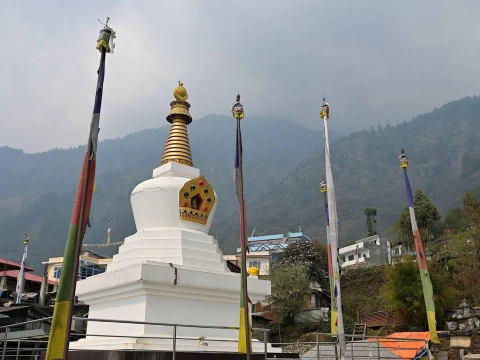
Helambu Trek is a moderate, culturally immersive journey easily accessible from Kathmandu, ideal for beginners, families, and cultural enthusiasts. The trek winds through the Helambu Valley, home to the Yolmo people, whose lifestyle and traditions are closely influenced by Tibetan culture.Trek through rolling hills, terraced farmland, pine and rhododendron forests, and meadows, while observing traditional village life, farming practices, and local festivals. Visit Milarape Cave, a sacred meditation site linked to Guru Rimpoche (Padmasambhava), and explore monasteries, chortens, and mani walls along the way. Comfortable lodges provide authentic local meals and a warm, hospitable environment.This trek offers a blend of Himalayan scenery, spiritual heritage, and cultural immersion, perfect for travelers seeking serenity, adventure, and insight into Himalayan life. It is also suitable for anthropologists, students, and researchers interested in studying rituals and village culture.The Helambu Valley Trek, organized by Mountain of Nepal, is a scenic and culturally rich Himalayan journey located close to Kathmandu. This moderate trek is perfect for beginners, families, and cultural explorers who want a short yet rewarding Himalayan experience without going to extreme altitude. The route passes through beautiful villages, lush forests, terraced hillsides, and Buddhist heritage sites, offering a deep insight into the traditional lifestyle of the Yolmo people, who are culturally influenced by Tibetan Buddhism.Starting from Sundarijal, the trail gradually ascends through Shivapuri National Park and connects peaceful settlements like Chisapani, Kutumsang, Tharepati, and Tarke Ghyang. Each village offers a unique blend of mountain scenery, hospitality, monasteries, and prayer walls that reflect centuries-old Himalayan traditions.The trek also includes sacred sites such as meditation caves linked with Guru Rinpoche (Padmasambhava), ancient monasteries, and fluttering prayer flags along ridges. Trekkers enjoy panoramic views of Langtang and Jugal Himalayan ranges while walking through rhododendron and pine forests. Comfortable teahouses along the route ensure warm meals and simple lodging.Close cultural experience near KathmanduBuddhist monasteries and Yolmo heritageForest trails and Himalayan viewpointsSuitable for beginners and familiesOrganized support by Mountain of NepalOverall, this trek blends nature, spirituality, and cultural immersion into a peaceful Himalayan adventure.Best Season for Helambu Valley TrekThe best time for the Helambu Valley Trek, arranged by Mountain of Nepal, is during spring (March–May) and autumn (September–November). These seasons offer the most stable weather, clear mountain views, and comfortable trekking temperatures. During spring, the trails around Sundarijal and higher villages like Tharepati are decorated with blooming rhododendrons, making the forests especially colorful and vibrant. The skies are generally clear, allowing excellent views of the Langtang and Jugal Himalayan ranges.Autumn is equally popular because of its crisp air, stable climate, and post-monsoon freshness. This season provides the clearest visibility of mountain peaks and is ideal for photography, cultural interaction, and long trekking days between villages such as Kutumsang and Tarke Ghyang. The trails are dry, and the temperature is comfortable for walking long hours.Winter (December–February) is possible but colder, especially at higher elevations like Tharepati. Snowfall may occasionally block trails, but it offers peaceful, less crowded trekking conditions. Monsoon season (June–August) is generally not recommended due to heavy rainfall, slippery trails, and limited visibility.Seasonal highlights:Spring: Blooming rhododendrons, mild weatherAutumn: Crystal-clear mountain views, stable weatherWinter: Quiet trails, cold but scenicMonsoon: Avoid due to rain and landslidesWith proper planning from Mountain of Nepal, trekkers can choose the best season according to their preference for scenery, weather, and crowd levels.Helambu Valley Trek Difficulty and TransportationThe Helambu Valley Trek is considered moderate, making it suitable for beginners with a reasonable level of fitness. Organized by Mountain of Nepal, the trek involves daily walking of 5–7 hours through uphill and downhill terrain. While the altitude reaches around 3,600 meters at Tharepati, it is not extremely high compared to other Himalayan treks, which reduces the risk of severe altitude sickness.The trail includes forest paths, stone staircases, ridge walks, and village routes connecting places like Chisapani, Kutumsang, and Tarke Ghyang. Some sections are steep, especially the climb toward Tharepati, but the pace is manageable with proper rest and hydration.Transportation is convenient since the trek begins close to Kathmandu. A short drive takes trekkers to Sundarijal, the starting point of the trek. From there, the journey continues on foot. At the end of the trek, a drive from Tarke Ghyang or nearby road heads returns trekkers back to Kathmandu in approximately 5–6 hours.Difficulty & transport summary:Moderate trekking grade, suitable for beginners5–7 hours walking per dayHighest point: around 3,600 m (Tharepati)Drive: Kathmandu → Sundarijal (start)Return: road transfer back to KathmanduWith guidance from Mountain of Nepal, trekkers receive route support, pacing advice, and safety monitoring, making the journey smooth and enjoyable.Food and Accommodation for Helambu Valley TrekFood and accommodation along the Helambu Valley Trek, managed by Mountain of Nepal, are based on traditional teahouse and lodge systems operated by local families. These lodges are available in villages such as Chisapani, Kutumsang, Tharepati, and Tarke Ghyang, offering simple yet comfortable rooms with twin-sharing beds, warm blankets, and shared bathrooms.Meals are freshly prepared using locally sourced ingredients. The common menu includes Nepali dal bhat (rice, lentils, vegetables), noodles, fried rice, pasta, soups, eggs, potatoes, and seasonal vegetables. In higher villages like Tharepati, food choices may be slightly limited due to remote location, but meals are nutritious and energy-rich for trekking.Tea, coffee, and local herbal drinks are widely available throughout the trail. Hygiene standards are generally good, though trekkers are advised to carry water purification tablets or filters for safe drinking water.Accommodation & food highlights:Teahouse-style lodging run by localsBasic but clean twin-sharing roomsFreshly cooked Nepali and international mealsAvailability of hot drinks along the routeSimple facilities at higher altitude villagesAt the end of the trek, returning to Kathmandu provides access to hotels and restaurants for more comfort and variety. The Mountain of Nepal ensures that trekkers receive pre-booked accommodation during peak seasons, reducing stress and improving the overall trekking experience.Helambu Valley Trek PermitsFor the Helambu Valley Trek organized by Mountain of Nepal, trekkers need a few essential permits because the route passes through protected forest areas and culturally significant regions near Kathmandu. The main permit required is the Langtang National Park Entry Permit, as much of the trail from Sundarijal to higher regions like Tharepati lies within or near the park boundary.In addition to the national park permit, trekkers may also require a TIMS (Trekkers’ Information Management System) card, which helps ensure safety and tracking of visitors in Himalayan trekking regions. These permits are typically arranged in advance by Mountain of Nepal, so trekkers do not need to worry about administrative procedures.Permit checkpoints are located along the route, especially near entry points and major trail junctions. Trekkers are advised to carry photocopies of passports and passport-sized photos, as these may be required during registration.Permit summary:Langtang National Park Entry PermitTIMS Card (Trekkers’ Information Management System)Passport copy and photos requiredArranged by Mountain of Nepal for convenienceChecked at entry points like SundarijalHaving proper permits ensures legal compliance, supports conservation efforts, and contributes to local community development in regions such as Kutumsang and Tarke Ghyang. With Mountain of Nepal, the permit process is hassle-free and included in the trekking package.Why Choose Helambu Valley Trek with Mountain of NepalChoosing the Helambu Valley Trek with Mountain of Nepal ensures a well-organized, safe, and culturally immersive Himalayan experience close to Kathmandu. This trek is ideal for travelers who want to experience mountain landscapes and authentic Himalayan village life without undertaking extremely high-altitude expeditions.The company provides experienced local guides who are knowledgeable about the culture, history, and natural environment of regions like Chisapani, Kutumsang, Tharepati, and Tarke Ghyang. Their guidance enhances safety, cultural understanding, and trekking enjoyment. The itinerary is carefully planned to balance walking hours, altitude gain, and rest periods.Mountain of Nepal also prioritizes sustainable tourism by supporting local teahouses, hiring local staff, and respecting environmental conservation practices. This ensures that your trek directly benefits the communities you visit.Reasons to choose this trek:Professional guidance by Mountain of NepalCultural immersion with Yolmo communitiesScenic Himalayan landscapes near KathmanduSafe, well-paced itinerary for all levelsSustainable and responsible trekking approachOverall, the Helambu Valley Trek offers a perfect combination of nature, spirituality, and cultural discovery. With Mountain of Nepal, travelers receive a personalized, safe, and memorable journey into the heart of the Himalayas.
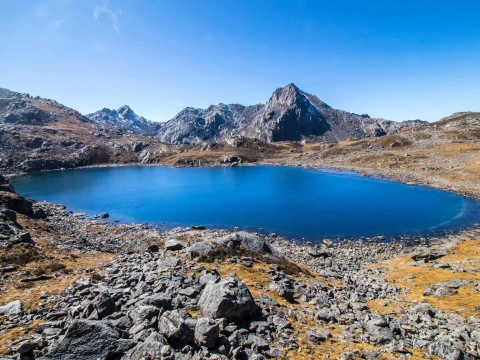
The Gosaikunda Trek is one of Nepal’s most scenic and culturally rich Himalayan adventures. Located in the Langtang region, the trek takes you through lush forests, alpine meadows, and high-altitude settlements, culminating at the sacred Gosaikunda Lake (4,380 m). Along the way, trekkers cross the challenging Laurebina La Pass (4,650 m) and enjoy breathtaking panoramic views of the Langtang, Ganesh Himal, and Jugal Himal ranges.The journey begins with a scenic drive from Kathmandu to Dhunche, following the Trishuli River, winding through terraced farmland, forested hills, Langtang National Park, and small mountain settlements. From Dhunche, the trek gradually ascends through Tamang and Hyolmo villages, alpine forests, and open meadows. Highlights include Cholangpati, a serene mountain settlement at 3,650 m, the hilltop village of Chisapani, and the vibrant traditional communities of Kutumsang and other settlements along the trail. The trek is a perfect mix of natural beauty, cultural experiences, and moderate adventure. Along the way, you’ll see colorful prayer flags, mani walls, grazing yaks, and blooming alpine flowers, while enjoying peaceful high-altitude landscapes. The journey also offers opportunities for photography, wildlife spotting, and immersion in Nepal’s unique Himalayan culture.Ideal for both beginner and intermediate trekkers, the Gosaikunda Trek provides a balance of manageable physical challenge, spiritual experiences, and awe-inspiring scenery. After completing the trek, you return to Kathmandu, often with an optional reserve or sightseeing day, making the journey a memorable combination of adventure, culture, and relaxation.Best Season for Gosaikunda Lake TrekThe best seasons for the Gosaikunda Lake Trek are spring (March–May) and autumn (September–November). During these months, the weather is stable, the skies are clear, and the mountain visibility is excellent. Spring brings blooming rhododendrons, while autumn offers crisp air and unobstructed Himalayan views.Winter trekking (December–February) is possible but challenging due to heavy snowfall near Lauribina La Pass and freezing temperatures at higher altitudes. Monsoon season (June–August) is generally avoided because of landslides, slippery trails, and limited visibility.In high-altitude areas like Gosaikunda Lake, the weather can change quickly, so proper preparation is essential regardless of the season.Season Highlights:Spring: flowers, greenery, moderate weatherAutumn: best visibility, stable climateWinter: snowy, cold, fewer trekkersMonsoon: risky due to rain and landslidesFor the safest and most scenic experience, Mountain of Nepal strongly recommends spring and autumn departures.Gosaikunda Lake Trek Difficulty and TransportationThe Gosaikunda Lake Trek is considered moderate to moderately challenging. While no technical climbing is required, the trek involves steep ascents, long walking days, and high-altitude conditions above 4,000 meters. The crossing of Lauribina La Pass (4,610 m) is the most demanding section due to altitude and weather exposure.The journey begins with a drive from Kathmandu to Dhunche, followed by multiple trekking days through ascending terrain. Acclimatization is crucial to avoid altitude sickness.Transportation Overview:Kathmandu to Dhunche: 6–7 hours by roadReturn from Sundarijal to Kathmandu: 1-hour driveLocal transport arranged by Mountain of NepalDifficulty Factors:High altitude trekking (up to 4,380 m)Steep uphill and downhill sectionsLong daily walking hours (5–8 hrs)Cold and unpredictable weatherQuick Points:Suitable for fit beginners and experienced trekkersNo technical climbing skills requiredProper acclimatization is included in the itineraryWith guidance from Mountain of Nepal, trekkers receive professional support, making the journey safer and more manageable.Food and Accommodation for Gosaikunda Lake TrekFood and accommodation along the Gosaikunda Lake Trek are provided in traditional teahouses and local lodges. These are basic but comfortable mountain accommodations run by local families. Rooms typically include twin beds, blankets, and shared bathroom facilities.Meals are freshly prepared and usually consist of local Nepali dishes such as dal bhat (rice and lentils), noodles, soups, potatoes, eggs, and seasonal vegetables. As altitude increases, menu options become simpler due to limited supply.Mountain of Nepal ensure trekkers receive hygienic meals and reliable lodging throughout the journey.Accommodation Highlights:Teahouse stays in villages like Sing Gompa and CholangpatiBasic rooms with shared facilitiesWarm dining areas for group mealsFood Options:Dal Bhat (energy-rich staple meal)Tibetan bread, noodles, soupsTea, coffee, and hot beveragesLimited Western-style meals at lower elevationsKey Points:Simple but clean mountain lodgingFreshly cooked local mealsVegetarian options widely availableFood availability decreases at higher altitudesThe experience reflects authentic Himalayan hospitality, giving trekkers a cultural connection with local communities.Gosaikunda Lake Trek PermitsTo complete the Gosaikunda Lake Trek, trekkers must obtain specific permits required for entry into the protected areas of Nepal. These permits are essential for conservation, safety, and regulation of trekking activities in the Langtang region.Mountain of Nepal handles all necessary permit arrangements, ensuring a smooth and hassle-free trekking experience.Required Permits:Langtang National Park Entry PermitTIMS Card (Trekkers’ Information Management System)These permits are checked at various entry points along the route, including Dhunche and trail checkpoints.Key Information:Permits are mandatory for all trekkersIssued by Nepal Tourism Board and conservation authoritiesPassport copies and photos requiredIncluded in most trekking packages by Mountain of NepalShort List:Langtang National Park Permit requiredTIMS card compulsoryChecked at multiple trail pointsArranged by a trekking agencyWith proper documentation managed by Mountain of Nepal, trekkers can focus entirely on enjoying the journey without administrative stress.Why Choose Gosaikunda Lake Trek with Mountain of NepalChoosing the Gosaikunda Lake Trek with Mountain of Nepal ensures a well-organized, safe, and enriching Himalayan adventure. Their experienced guides provide professional support, cultural insight, and safety management throughout the journey.This trek is not only about reaching Gosaikunda Lake but also about experiencing the natural beauty, local culture, and spiritual atmosphere of the Himalayas.Why Choose This Trek:Professionally guided experienceSafe and well-planned itineraryCultural interaction with local villagesScenic and spiritual Himalayan journeyAdvantages of Mountain of Nepal:Experienced trekking guides and portersProper acclimatization planningPermit and logistics managementEmergency support system in placeKey Points:Trusted local trekking operatorFocus on safety and comfortAuthentic cultural trekking experienceBalanced adventure and spiritualityWith Mountain of Nepal, trekkers enjoy a stress-free journey from Kathmandu to the sacred waters of Gosaikunda Lake, making it a memorable Himalayan adventure.
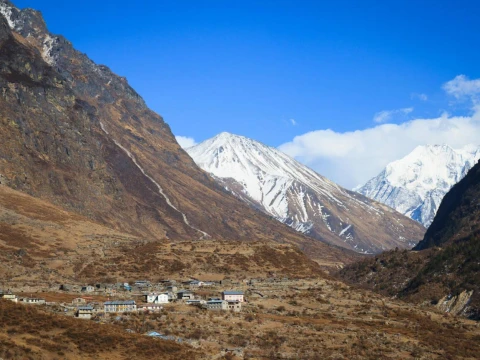
The Langtang Valley Trek is one of the most accessible and scenic treks in Nepal, ideal for travelers looking for breathtaking Himalayan views without the crowds of the Everest or Annapurna regions. Nestled in the Langtang National Park, the valley is home to snow-capped peaks, glaciers, alpine meadows, and rich Tibetan culture. The trek offers a perfect balance of natural beauty, cultural immersion, and moderate adventure, making it suitable for both novice and experienced trekkers.Starting from Kathmandu, trekkers drive to Syabrubesi, which is the gateway to the valley. From here, the trail gradually ascends through rhododendron forests, terraced fields, and traditional Tamang villages. You’ll pass through Lama Hotel, Langtang Village, and finally reach Kyanjin Gompa, a small settlement at the foot of Tserko Ri. The trek allows for exploration of local monasteries, cheese factories, and stunning viewpoints along the way.Explore Langtang National Park with its unique flora and fauna.Spectacular views of Langtang Lirung, Ganesh Himal, and other Himalayan peaks.Cultural immersion in the Tamang and Tibetan communities.Opportunity to hike Tserko Ri for panoramic mountain views.Best Season for Langtang Valley TrekThe best seasons to trek in Langtang Valley are spring (March to May) and autumn (September to November). During spring, rhododendrons bloom in vibrant colors, creating a stunning landscape, while autumn offers clear skies and stable weather for the best Himalayan views.Winter trekking is possible but challenging due to heavy snowfall, especially at higher altitudes near Kyanjin Gompa and Tserko Ri. Monsoon season (June to August) is generally not recommended due to slippery trails and leeches, though the valley remains lush and green.Season Highlights:Spring: Rhododendron forests, mild temperatures, clear skies.Autumn: Crisp air, excellent mountain visibility, festive local culture.Winter: Snowy landscapes, fewer crowds, need warm gear.Langtang Valley Trek Difficulty and TransportationThe Langtang Valley Trek is considered moderate in difficulty, suitable for those with reasonable fitness and some prior trekking experience. Altitudes reach up to 5,033 m on Tserko Ri, which may pose mild altitude-related challenges. The daily walks average 4–7 hours, with gradual ascents and occasional steep sections.Transportation is straightforward. From Kathmandu, travelers drive 6–8 hours to Syabrubesi, where the trek begins. Local jeeps or buses are commonly used, offering scenic routes through hills and valleys. The trek itself involves walking on well-marked trails, often alongside rivers and through forests.Difficulty & Transport Summary:Trek difficulty: ModerateHighest altitude: 5,033 m (Tserko Ri)Daily walking: 4–7 hoursTransportation: Jeep/Bus from Kathmandu to SyabrubesiFood and Accommodation for Langtang Valley TrekAccommodation along the Langtang Valley Trek is primarily in tea houses and lodges, which offer basic yet comfortable facilities. Rooms usually have twin beds, blankets, and shared bathrooms. Hot showers are available at major stops like Kyanjin Gompa for a small fee.Food is a mix of Nepali, Tibetan, and Western cuisine, with options like dal bhat, momo, noodles, and soups. While the menu is varied, higher altitude locations may have limited supplies, and prices increase slightly due to transportation costs. Trekkers are advised to carry snacks and energy bars for longer walks.Food & Stay Highlights:Tea houses with twin rooms and blankets.Dal bhat, noodles, and Tibetan momo are widely available.Hot showers at Kyanjin Gompa for a small fee.Snack and water availability along the trail.Langtang Valley Trek PermitsTo enter Langtang National Park and trek the valley, trekkers need two main permits: the Langtang National Park Entry Permit and the TIMS (Trekkers’ Information Management System) Card. These permits are typically arranged by trekking agencies such as Mountain of Nepal for convenience.The park permit helps protect the environment and wildlife while providing funds for local communities. TIMS ensures trekkers are registered for safety and emergency support. Fees vary depending on nationality, with lower rates for South Asian citizens.Permit Summary:Langtang National Park Permit – Required for all trekkersTIMS Card – Essential for trek registration and safetyAgency support available for hassle-free processingWhy Choose Langtang Valley TrekThe Langtang Valley Trek is ideal for travelers seeking a combination of nature, culture, and adventure without the intense demands of higher-altitude treks like Everest Base Camp. It offers diverse landscapes, traditional villages, and a genuine Himalayan experience. Trekkers also get the chance to explore Kyanjin Gompa, interact with monks, and hike Tserko Ri for panoramic views.Choosing Mountain of Nepal ensures a safe and well-organized experience. Their experienced guides, local knowledge, and logistical support make the trek enjoyable and stress-free, from permit arrangements to tea house bookings and emergency preparedness.Reasons to Choose This Trek:Moderate difficulty, suitable for most trekkers.Stunning Himalayan scenery and cultural immersion.Expert guidance and logistics support by Mountain of Nepal.Opportunity to climb Tserko Ri for breathtaking views.
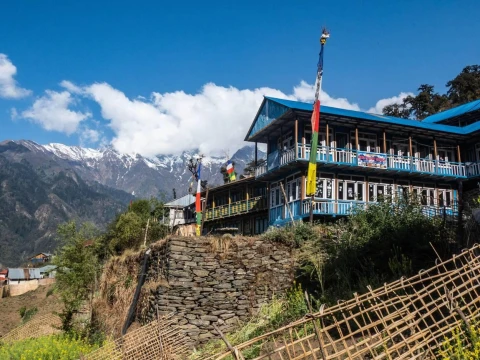
The Tamang Heritage Trail & Langtang Valley Trek is a culturally rich and scenically diverse journey in the northern Himalayan region of Nepal. Operated by Mountain of Nepal, this 15-day itinerary combines traditional Tamang villages with the spectacular alpine landscapes of the Langtang Valley region. The journey begins in Kathmandu, followed by a scenic drive to Syabrubesi, the gateway to both trekking routes. From there, trekkers explore culturally preserved villages like Gatlang, Tatopani, Thuman, and Briddim, before entering the core Langtang Valley trail.This itinerary is designed to showcase both heritage and the high Himalayan wilderness. The route continues through Lama Hotel, Langtang Village, and finally reaches Kyanjin Gompa. A highlight of the journey is the ascent to Tserko Ri (5,033 m), offering panoramic Himalayan views.Combines cultural + mountain trekking experienceFollows the Tamang ethnic villages + Langtang Valley routeManaged by Mountain of Nepal professional guidesIncludes scenic drives, forest trails, and alpine climbsIdeal for cultural immersion and moderate adventure seekersBest Season for Tamang Heritage Trail & Langtang Valley TrekThe best seasons for the Tamang Heritage Trail & Langtang Valley Trek are spring (March–May) and autumn (September–November). During these months, the weather remains stable, skies are clear, and mountain views are at their finest. Spring brings blooming rhododendrons and lush green hills, while autumn offers crystal-clear visibility and comfortable trekking temperatures.Winter (December–February) is also possible but colder, especially above Kyanjin Gompa, where snowfall can affect trail conditions. Monsoon season (June–August) is less recommended due to landslides, slippery trails, and limited mountain visibility. However, the Tamang villages like Gatlang and Briddim remain culturally vibrant year-round.Best seasons: Spring & AutumnClear Himalayan views and stable weatherWinter: cold but less crowdedMonsoon: risky due to rain and landslidesOperated safely by Mountain of Nepal with weather planningTamang Heritage Trail & Langtang Valley Trekking: Difficulty and TransportationThis trek is considered moderate in difficulty, making it suitable for trekkers with basic fitness levels. The route includes daily walking of 4–7 hours through forested hills, stone steps, and high-altitude terrain. The highest point is Tserko Ri (5,033 m), which requires good acclimatization and stamina.Transportation begins with a drive from Kathmandu to Syabrubesi, taking around 6–7 hours on mountainous roads. The return follows the same route. Within the trekking region, all movement is on foot, passing through remote villages and forest trails managed by local communities.Moderate difficulty trek (suitable for beginners with fitness)Highest altitude: 5,033 m (Tserko Ri)Road transport: Kathmandu ↔ SyabrubesiWalking-only trekking routeGuided support provided by Mountain of NepalTamang Heritage Trail & Langtang Valley Trekking Food and AccommodationFood and accommodation along the trail are simple but comfortable, reflecting the rural Himalayan lifestyle. Teahouses and local lodges are available in all major stops including Lama Hotel, Langtang Village, and Kyanjin Gompa. Rooms are typically twin-sharing with basic bedding, warm blankets, and shared bathrooms.Meals are freshly prepared and usually include Dal Bhat (rice, lentils, vegetables), noodles, soups, potatoes, eggs, and Tibetan-style bread. In higher altitudes, menu options may be limited due to transportation constraints, but food remains nutritious and energy-rich for trekking needs.Teahouse/lodge accommodation throughout trekFresh local meals (Dal Bhat, soups, noodles)Basic facilities, limited luxury but warm hospitalityFood availability decreases with altitudeOrganized support by Mountain of Nepal ensures safety and hygieneTamang Heritage Trail & Langtang Valley Trek PermitsTo complete the Tamang Heritage Trail & Langtang Valley Trek, trekkers must obtain specific permits issued by the Government of Nepal. Since the route passes through Langtang National Park, a national park entry permit is mandatory. Additionally, a TIMS (Trekkers’ Information Management System) card is required for safety tracking and registration.These permits are usually arranged by trekking agencies such as Mountain of Nepal, making the process simple and hassle-free. All documents are checked at entry points like Syabrubesi and park checkpoints along the route.Langtang National Park Entry Permit requiredTIMS Card mandatory for all trekkersIssued in Kathmandu before trek startChecked at trail entry pointsArranged easily by Mountain of NepalWhy Choose Tamang Heritage Trail & Langtang Valley TrekThis trek is unique because it combines authentic cultural immersion with Himalayan adventure. The Tamang villages such as Gatlang, Tatopani, Thuman, and Briddim offer deep insight into Tibetan-influenced traditions, while the Langtang Valley section showcases glaciers, alpine meadows, and towering peaks.With Mountain of Nepal, trekkers receive professional guidance, safety support, and well-planned logistics throughout the journey. The route is less crowded compared to other popular trekking regions, making it ideal for peaceful exploration and photography.Combination of culture + mountain sceneryLess crowded than Everest or Annapurna routesAuthentic Tamang heritage experienceStunning views from Tserko RiFully organized trekking by Mountain of Nepal
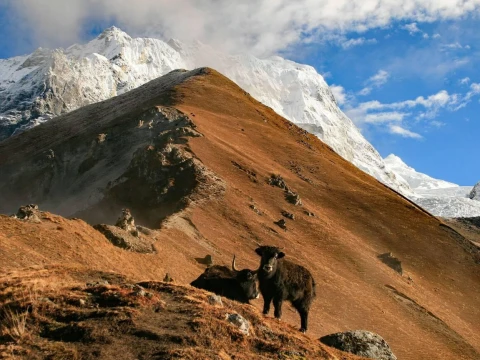
The Langtang Gosaikunda Trek is a stunning Himalayan adventure located north of Kathmandu in Nepal’s Langtang region, bordering Tibet. The trek can typically be started from Syabrubesi or Dhunche, which are accessible by a new road from Kathmandu in about six to seven hours, depending on the season. The region has a rich history of trade and pilgrimage, with trails once used by Tamang and Tibetan traders and sacred sites such as Gosaikunda, revered in Hindu and Buddhist traditions. According to mythology, Lord Shiva created the lake, and thousands of pilgrims still visit during the full moon each year. The trek can be done in reverse, but it is not recommended due to the increased risk of altitude sickness and the fact that crossing Lauribina La Pass is generally tougher from the opposite direction. Highlights of the trek include the Tserko Ri day hike, offering spectacular panoramic views of Langtang Lirung, Langtang Ri, and Ganesh Himal, and the challenging Lauribina La Pass, which provides breathtaking 360° views of the surrounding Himalayan peaks. The trek winds through lush oak, rhododendron, and pine forests, passing traditional Sherpa, Tamang, and Hyolmo villages with stone-and-wood houses, monasteries, prayer flags, mani walls, and chortens. Along the trail, high meadows are dotted with grazing yaks and cows, and wildlife such as Himalayan monal pheasants, langurs, musk deer, and occasionally red pandas can be spotted. The route passes through Langtang National Park and, on the return toward Kathmandu, enters Shivapuri National Park, offering a final stretch of serene forest paths.The Langtang Valley with Gosaikunda and Lauribina La Pass Trek is one of Nepal’s most rewarding combined trekking adventures, blending alpine valleys, sacred lakes, and a high Himalayan pass crossing. Organized by Mountain of Nepal, this itinerary connects the beautiful Langtang region with the holy Gosaikunda Lake basin and the challenging Lauribina La Pass (4,610 m), offering a complete Himalayan experience in one journey.The trek begins from the vibrant capital city of Kathmandu and moves north toward the scenic trailhead of Syabrubesi. From here, trekkers enter the heart of the Langtang region, passing through lush forests, Tamang villages, yak pastures, and dramatic mountain landscapes. Key highlights include Langtang Village, the spiritual hub of Kyanjin Gompa, and the breathtaking glacial viewpoints of Tserko Ri.The journey continues toward the sacred alpine lakes of Gosaikunda, revered by Hindu and Buddhist pilgrims. The route then crosses the high-altitude pass of Lauribina La Pass before descending into the Helambu region, ending at Sundarijal near Kathmandu.A combination of valley, lake, and high pass trekkingCultural immersion in Tamang and Himalayan communitiesViews of Langtang Lirung and surrounding peaksSacred lakes and spiritual pilgrimage routesManaged fully by Mountain of NepalBest Season for Langtang Valley with Gosaikunda and Lauribina La Pass TrekThe best time to undertake this trek is during the pre-monsoon (spring) and post-monsoon (autumn) seasons when weather conditions are stable, skies are clear, and mountain views are at their best. Mountain of Nepal strongly recommends these periods for safety, visibility, and overall trekking comfort.During spring (March to May), the trails of the Langtang region bloom with rhododendrons and wildflowers. Temperatures are moderate, and the forests between Syabrubesi and Kyanjin Gompa are especially vibrant. Wildlife sightings are more common, and the trail conditions remain stable even at higher elevations like Gosaikunda.Autumn (September to November) is considered the peak trekking season. After monsoon rains, the air becomes crisp, offering crystal-clear views of Himalayan peaks and sacred lakes such as Gosaikunda. The crossing of Lauribina La Pass is more manageable during this season due to reduced snowfall and predictable weather patterns.Winter trekking (December–February) is possible but challenging due to heavy snow around Lauribina La Pass and Gosaikunda. Monsoon season (June–August) is less recommended due to slippery trails and poor visibility.Best season summary:Spring (Mar–May): Flowers, wildlife, pleasant weatherAutumn (Sep–Nov): Best visibility, safest conditionsWinter: Snow trekking experience, but difficult pass crossingMonsoon: Least recommended due to rainfallLangtang Valley with Gosaikunda and Lauribina La Pass Trekking Difficulty and TransportationThis trek is considered moderate to challenging due to long walking days and high-altitude exposure, especially when crossing Lauribina La Pass at 4,610 meters. Trekkers should have good physical fitness and prior hiking experience. The mountain of Nepal ensures proper acclimatization scheduling, especially at Kyanjin Gompa and Gosaikunda.The most demanding sections include the ascent to Tserko Ri (5,033 m), the climb toward Gosaikunda Lake, and the steep crossing of Lauribina La Pass. Weather conditions can change rapidly at high altitude, making preparation essential.Transportation begins with a scenic drive from Kathmandu to Syabrubesi, taking approximately 7–8 hours on mountainous roads. The return journey ends with a descent to Sundarijal, followed by a short drive back to Kathmandu.Difficulty highlights:Moderate to strenuous trekking levelHighest point: Lauribina La Pass (4,610 m)Long walking hours (6–8 hours daily average)Requires acclimatization days at altitudeWeather-dependent pass crossingLangtang Valley with Gosaikunda and Lauribina La Pass Trekking Food and AccommodationThroughout the trek, accommodation is provided in traditional teahouses run by local families, offering basic but comfortable lodging. Mountain of Nepal arranges clean rooms with shared facilities, ensuring trekkers have a safe resting environment at each stop.Food options along the route include traditional Nepali meals such as dal bhat (rice and lentils), noodles, soups, potatoes, and seasonal vegetables. In higher regions like Kyanjin Gompa and Gosaikunda, food choices may be limited but remain nutritious and energy-rich to support trekking demands.Tea houses in villages like Langtang Village and Cholangpati offer warm hospitality and cultural interaction with local Tamang communities. At higher altitudes, accommodations become simpler due to limited resources, but warm blankets and common dining areas are typically available.Food & accommodation summary:Teahouse accommodation throughout the routeBasic twin-sharing rooms with shared toiletsHot meals: dal bhat, soups, noodles, potatoesLimited but high-energy food options at altitudeWarm hospitality from local communitiesPermits for Langtang Valley with Gosaikunda TrekTo complete this trek legally, trekkers must obtain specific permits, which are arranged by Mountain of Nepal as part of the package. These permits ensure conservation of the region and support local communities.The main required permit is the Langtang National Park Entry Permit, as most of the trek lies within protected areas. Additionally, a TIMS (Trekkers’ Information Management System) card may be required depending on current regulations.The trail passes through both Langtang Valley and the sacred Gosaikunda region, which are environmentally sensitive zones. Permit checks are conducted at entry points such as Dhunche and along trekking checkpoints.Permit requirements:Langtang National Park Entry PermitTIMS Card (Trekkers’ Information Management System)Entry registration at local checkpointsManaged and arranged by Mountain of NepalRequired for conservation and safety monitoringWhy Choose Langtang Valley with Gosaikunda and Lauribina La Pass TrekThis trek is ideal for travelers who want a complete Himalayan experience without venturing into extremely remote expedition zones. It combines cultural richness, natural beauty, and spiritual significance in a single itinerary.With Mountain of Nepal, trekkers receive expert guidance, experienced local guides, safety-focused planning, and well-organized logistics. The combination of Langtang Valley, Gosaikunda Lake, and Lauribina La Pass offers unmatched diversity from lush forests to alpine glaciers and sacred lakes.Unlike other popular trekking routes, this journey remains less crowded, offering a peaceful and authentic Himalayan experience. The spiritual energy of Gosaikunda and the panoramic views from Lauribina La Pass make it unforgettable.Why choose this trek:Complete Langtang + Gosaikunda + pass-crossing experienceLess crowded compared to the Everest or Annapurna regionsStrong cultural and spiritual significanceGuided support by Mountain of NepalPerfect mix of adventure and scenic diversity
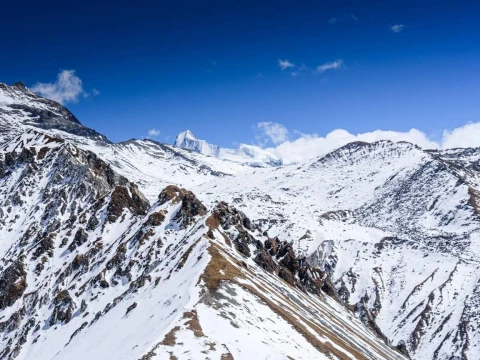
The Langtang Valley with Ganja La Pass Trek is a challenging and highly rewarding high-altitude adventure in Nepal, linking the scenic Langtang Valley with the quieter Helambu region through the dramatic Ganja La Pass (5,130 m / 16,800 ft). The pass is one of the most demanding in the region, offering stunning Himalayan panoramas of peaks such as Langtang Lirung, Langtang Ri, Dorje Lakpa, and other surrounding mountains. The trek begins with a scenic drive from Kathmandu to Syabrubesi, followed by classic Langtang Valley trails passing traditional villages, rhododendron forests, alpine meadows, and majestic peaks up to Kyanjin Gompa. Trekkers can enjoy optional hikes like Tserko Ri (4,984 m) for breathtaking 360° views and visit the monastery and yak cheese factory. From Kyanjin Gompa, the terrain becomes more rugged and remote, requiring camping for a few nights before and after the pass. Crossing Ganja La is technically challenging, often involving snowy or icy slopes, steep ascents, and even a ladder installed at one tricky section. Prior experience, such as walking on glaciers with crampons, using an ice axe, and rope techniques for crevasse safety, is recommended. However, if you are new to these skills but highly motivated to cross, our guide can provide on-site training, teaching all the necessary techniques to ensure the success of your trek. This makes it suitable for trekkers with good fitness and high-altitude experience. Wildlife is rich in Langtang National Park, including Himalayan black bears, Himalayan tahr (mountain sheep), langurs, musk deer, and occasional red pandas, adding to the diversity and excitement of the journey. After the pass, the trail descends into the scenic Helambu region, passing through remote alpine villages, lush forests, and terraced farmland before returning toward Kathmandu, completing a spectacular cross-mountain adventure.The Langtang Valley with Ganja La Pass Trek is one of the most adventurous and culturally rich trekking routes in Nepal, organised professionally by Mountain of Nepal. This trek combines the classic beauty of the Langtang region with the challenging high-altitude crossing of Ganja La Pass (5,130 m approx.), making it a perfect blend of scenic valley trekking and alpine expedition. The journey begins from the bustling capital city of Kathmandu and continues through lush forests, Tamang villages, and glacier-fed valleys, leading deep into the Langtang Himalayas.The trek route passes through iconic destinations such as Syabrubesi, Lama Hotel, Langtang Village, and the spiritual hub Kyanjin Gompa, before ascending toward high alpine terrain. A highlight of the journey is the acclimatisation hike to Tserko Ri, offering breathtaking panoramic views of Langtang Lirung and surrounding peaks.After exploring Langtang Valley, trekkers cross the challenging Ganja La Pass, connecting to the remote Helambu region and ending at Tarke Ghyang. The trek is considered remote, less crowded, and highly rewarding for experienced trekkers.Key highlights:Cultural experience with the Tamang heritageRemote alpine wilderness adventureGlacier and Himalayan panoramic viewsGanja La Pass high-altitude crossingOrganised support by Mountain of NepalBest Season for Langtang Valley with Ganja La Pass TrekThe best time to undertake the Langtang Valley with Ganja La Pass Trek is during the spring (March–May) and autumn (September–November) seasons. These periods provide the most stable weather conditions, clear mountain views, and safer trail conditions for crossing high passes like Ganja La Pass.During spring, the trail is enriched with blooming rhododendrons, lush greenery, and active wildlife. Temperatures are moderate, especially around Kyanjin Gompa, making acclimatisation hikes like Tserko Ri more enjoyable. Autumn, on the other hand, is known for crystal-clear skies after the monsoon, offering uninterrupted Himalayan views throughout the trek route from Kathmandu to the remote high passes.Winter (December–February) is possible but extremely cold and snow-covered at higher elevations, especially near Ganja La Pass. Monsoon (June–August) brings heavy rain, landslides, and slippery trails in lower regions like Syabrubesi, making it less favourable.Season summary:Spring: Flowers, wildlife, moderate weatherAutumn: Best visibility, stable conditionsWinter: Cold, snow risk at the passMonsoon: Avoid due to landslidesBest choice: Spring & Autumn (recommended by Mountain of Nepal)Langtang Valley with Ganja La Pass Trek: Difficulty and TransportationThe Langtang Valley with Ganja La Pass Trek is considered moderate to challenging, primarily due to the high-altitude crossing of Ganja La Pass and long trekking days. While the lower sections up to Kyanjin Gompa are relatively moderate, the ascent to over 5,000 meters requires strong physical fitness, prior trekking experience, and proper acclimatisation.The trek involves steep ascents, rocky trails, glacier crossings, and remote camping sections. The hike to Tserko Ri is also physically demanding but essential for altitude preparation. Trekkers should be prepared for 5–8 hours of walking daily, especially during the pass-crossing section from Langtang Valley toward the Helambu region.Transportation begins from Kathmandu with a drive to Syabrubesi, which takes approximately 7–8 hours on mountain roads. After completing the trek, another drive from Tarke Ghyang returns trekkers to Kathmandu.Key difficulty points:High altitude above 5,000 m at Ganja La PassLong trekking hours daily (5–8 hrs)Remote and rugged terrainWeather variability in high regionsRequires good stamina and preparationTransport summary:Kathmandu → Syabrubesi (jeep/bus)Trekking route through the Langtang regionReturn from the Helambu region to KathmanduFood and Accommodation for Langtang Valley with Ganja La Pass TrekAccommodation during the Langtang Valley with Ganja La Pass Trek, organised by Mountain of Nepal, is mainly in tea houses and basic mountain lodges up to Kyanjin Gompa. These lodges provide simple but comfortable rooms with twin-sharing beds, warm blankets, and communal dining areas. Beyond Langtang Valley and toward Ganja La Pass, accommodation becomes more basic, and in some sections, camping support may be required depending on weather and group size.Food along the route is mostly freshly prepared local meals such as dal bhat (rice, lentils, vegetables), noodles, soups, and Tibetan bread. In villages like Langtang Village and Syabrubesi, trekkers can also find limited Western-style food options such as pasta, pancakes, and fried rice. As altitude increases, food options become simpler due to limited supply access.Clean drinking water is available, but it should be treated or filtered. Hot beverages like tea, coffee, and ginger lemon honey are widely available and highly recommended for altitude conditions.Food & accommodation highlights:Tea houses in the lower and mid regionsBasic lodging near high campsTraditional Nepali meals (dal bhat)Limited but available Western foodHot drinks for acclimatisationCamping support near high pass sectionsLangtang Valley with Ganja La Pass Trek PermitsTo complete the Langtang Valley with Ganja La Pass Trek, several permits are required, which are arranged smoothly by Mountain of Nepal for trekkers. The region lies within protected conservation areas, so proper documentation is mandatory before entering from Kathmandu toward Syabrubesi.The main permits include the Langtang National Park Entry Permit and the TIMS (Trekkers’ Information Management System) card. These permits help regulate trekking activities, ensure safety, and support conservation efforts in the Langtang region, including areas like Langtang Village and Kyanjin Gompa.For the Ganja La crossing route, additional local area permissions may be required depending on updated regulations from Nepal’s trekking authorities. These are handled by licensed agencies such as Mountain of Nepal, ensuring a hassle-free trekking experience.Permit checklist:Langtang National Park Entry PermitTIMS Card (Trekkers’ registration)Local area permit (if required for Ganja La route)Passport copy & photosAgency support documentationProper permits ensure safety, environmental protection, and legal trekking access throughout the journey.Why Choose Langtang Valley with Ganja La Pass TrekThe Langtang Valley with Ganja La Pass Trek is one of Nepal’s most rewarding high-altitude adventures, especially when organised by Mountain of Nepal. It offers a rare combination of cultural immersion, alpine wilderness, and a challenging Himalayan pass crossing that few trekking routes provide in a single itinerary.Unlike more commercial trails, this trek passes through less crowded and more authentic regions such as Langtang Village, Kyanjin Gompa, and remote high-altitude landscapes beyond Ganja La Pass. The experience includes glacier views, traditional Tamang culture, and dramatic transitions from lush valleys to rugged alpine terrain.The trek also challenges trekkers physically and mentally, making it ideal for those seeking adventure beyond standard routes. With professional guidance, safety management, and logistical support from Mountain of Nepal, trekkers can confidently explore one of Nepal’s most scenic and adventurous trekking circuits.Why choose this trek:Unique combination of valley + high pass trekLess crowded and more remote experienceRich Tamang's cultural exposureGlacier and Himalayan panorama viewsAdventure-level challenge with expert supportFully organised by Mountain of Nepal
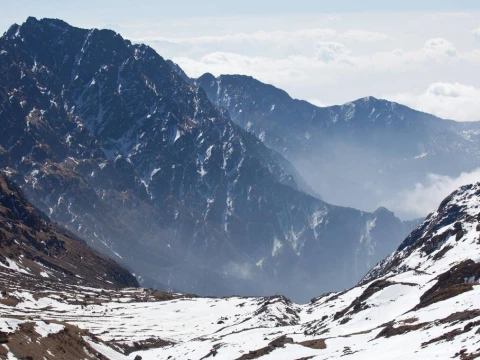
The Tamang Heritage, Langtang Valley, and Gosaikunda Trek is a culturally rich and scenically diverse adventure in the heart of Nepal’s Himalayas. Organized by Mountain of Nepal, this 20-day itinerary blends authentic Tamang village experiences with dramatic alpine landscapes and sacred high-altitude lakes. Beginning in Kathmandu, the trail takes you through traditional settlements like Gatlang, Thuman, and Briddim, where you experience the preserved culture, lifestyle, and hospitality of the Tamang people.As the journey progresses, the trail enters the Langtang Valley, often called the “Valley of Glaciers.” You’ll witness breathtaking views of snow-capped peaks, yak pastures, and monasteries, culminating at Kyanjin Gompa and the stunning hike to Tserko Ri (5,033 m). The final section leads to the sacred Gosaikunda Lake via Lauribina La Pass, offering spiritual significance and panoramic Himalayan vistas before descending through lush forests to Sundarijal.Cultural immersion in Tamang villagesScenic Langtang Valley and glacier viewsSacred Gosaikunda Lake pilgrimageHigh mountain pass: Lauribina La (4,610 m)Best Season for Tamang Heritage, Langtang Valley, and Gosaikunda TrekThe best seasons for this trek are spring (March–May) and autumn (September–November). During spring, the trails are adorned with blooming rhododendrons, lush greenery, and moderate temperatures, making it ideal for trekking and photography. The skies are generally clear, offering excellent mountain views throughout the journey.Autumn is the most लोकप्रिय trekking season due to stable weather, crystal-clear skies, and comfortable temperatures. The visibility is at its best, especially for high-altitude sections like Tserko Ri and Lauribina La Pass. Winter is possible but challenging due to snow, while the monsoon season brings slippery trails and limited visibility.Seasonal Notes:Spring: Flowers, greenery, mild weatherAutumn: Best visibility, stable conditionsWinter: Snowy, cold, but quietMonsoon: Rainy, less recommendedTamang Heritage, Langtang Valley, and Gosaikunda Trekking: Difficulty and TransportationThis trek is considered moderately to challenging due to its duration, altitude gain, and long trekking days. You will reach elevations above 5,000 meters, requiring good physical fitness and proper acclimatization. The itinerary is well-paced to reduce altitude sickness risk, but prior trekking experience is highly beneficial.Transportation begins with a scenic drive from Kathmandu to Syabrubesi (6–7 hours). The road journey can be bumpy but offers beautiful countryside views. The trek concludes with a short drive from Sundarijal back to Kathmandu, making logistics simple and efficient.Key Points:Difficulty: Moderate to challengingMax altitude: 5,033 m (Tserko Ri)Drive: Kathmandu → Syabrubesi, Sundarijal → KathmanduTamang Heritage, Langtang Valley, and Gosaikunda Trekking Food and AccommodationThroughout the trek, accommodation is primarily in teahouses or lodges, offering basic but comfortable facilities. Rooms are typically twin-sharing with simple bedding, and common dining areas provide warmth and social interaction. In Tamang villages, you may also experience homestay-style hospitality, which adds cultural richness to the journey.Food options are varied, including traditional Nepali meals like dal bhat (rice, lentils, vegetables), as well as international dishes such as noodles, pasta, pancakes, and soups. Meals are freshly prepared and provide the necessary energy for trekking, though choices become more limited at higher elevations.What to Expect:Teahouse accommodationLocal and international mealsHygienic, freshly cooked foodBasic but cozy facilitiesTamang Heritage, Langtang Valley, and Gosaikunda Trekking PermitsTo undertake this trek, you will need two main permits: the Langtang National Park Entry Permit and the TIMS (Trekkers’ Information Management System) card. These permits help regulate trekking activities and ensure safety in the region.Mountain of Nepal arranges all necessary permits and paperwork, making the process hassle-free for trekkers. It is important to carry your permits at all times, as they are checked at multiple points along the trail.Required Permits:Langtang National Park PermitTIMS CardManaged by Mountain of NepalWhy Choose Tamang Heritage, Langtang Valley, and Gosaikunda TrekThis trek stands out for its unique combination of culture, nature, and spirituality. Unlike more crowded routes, it offers a quieter and more authentic experience, especially in the Tamang Heritage section. You get to engage with local communities, learn about their traditions, and enjoy warm hospitality.Choosing Mountain of Nepal ensures a well-organized, safe, and enriching journey. With experienced guides, carefully planned itineraries, and a focus on customer satisfaction, the company provides excellent service throughout your adventure.Why Choose This Trek:Cultural + scenic + spiritual blendLess crowded trailsHigh-altitude adventure with diversityProfessional support from Mountain of Nepal
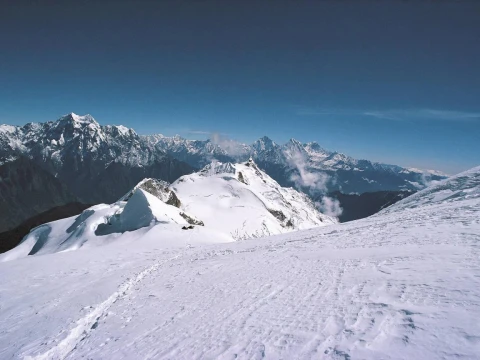
The Ganesh Himal Base Camp Trek is one of Nepal’s hidden gems, offering a perfect blend of remote wilderness, cultural immersion, and breathtaking Himalayan scenery. Located northwest of Kathmandu, this trek explores the lesser-visited Ganesh Himal region, named after the elephant-headed Hindu deity Ganesh. Unlike crowded trekking routes, this journey provides solitude, authentic Tamang culture, and pristine landscapes.The itinerary you provided is well-paced, allowing trekkers to gradually ascend from lower hills to high alpine terrain. Highlights include traditional villages like Gatlang and Shertung, panoramic passes such as Pangsang La, and the stunning Ganesh Himal Base Camp near Kalo Seto Kunda. The route showcases diverse ecosystems—from terraced farmland to dense forests and glacial valleys.Scenic drive through rural Nepal to Syabrubesi and GatlangCultural encounters with the Tamang and local communitiesCrossing Pangsang La Pass (3,842 m)Visit to Ganesh Himal Base Camp and the sacred Kalo Seto KundaLess crowded and off-the-beaten-path trekking experienceBest Season for Ganesh Himal Base Camp TrekChoosing the right season is crucial for a successful and enjoyable trek. The best time to undertake the Ganesh Himal Base Camp Trek is during spring (March to May) and autumn (September to November). These months offer stable weather, clear skies, and the best mountain views.Spring brings blooming rhododendron forests and moderate temperatures, making the trail vibrant and colourful. Autumn, on the other hand, provides crystal-clear mountain vistas and dry trekking conditions after the monsoon. Winter trekking is possible but can be challenging due to cold temperatures and snow at higher elevations, especially near Pangsang La Pass.Seasonal breakdown:Spring (Mar–May): Flowers, mild weather, great visibilityAutumn (Sep–Nov): Best overall conditions, clear skiesWinter (Dec–Feb): Cold, snow at high altitudesMonsoon (Jun–Aug): Rainy, slippery trails, limited viewsGanesh Himal Base Camp Trek Difficulty and TransportationThis trek is considered moderately challenging, suitable for trekkers with a reasonable level of fitness. Daily walking ranges from 5 to 8 hours, with gradual altitude gain. The highest point reaches 3,842 m at Pangsang La Pass and 3,775 m at base camp, making altitude acclimatisation important but manageable.Transportation involves a mix of long scenic drives and trekking. The journey begins with a drive from Kathmandu to Syabrubesi and continues to Gatlang. Road conditions can be rough and time-consuming, especially in remote areas. However, these drives provide insight into rural Nepalese life and landscapes.Difficulty & transport highlights:Moderate trekking difficulty (no technical climbing)Long trekking days with gradual ascentsJeep/bus drives on rough mountain roadsSuitable for beginners with preparation and fitnessFood and Accommodation for Ganesh Himal Base Camp TrekFood and accommodation during this trek are simple yet authentic. Unlike popular routes, this region has fewer developed teahouses, but local lodges and homestays provide warm hospitality. Meals are freshly prepared using locally sourced ingredients.Trekkers can expect traditional Nepali dishes like dal bhat, along with basic options such as noodles, soups, and potatoes. Accommodation typically includes basic rooms with twin beds and shared facilities. In higher or remote areas like Somdang and Rajgang Kharka, camping may be required depending on availability.What to expect:Traditional meals: Dal bhat, vegetables, soupsBasic teahouses and homestaysOccasional camping in remote sectionsLimited menu choices, but nutritious foodGanesh Himal Base Camp Trek PermitsPermits are essential for trekking in the Ganesh Himal region, as it falls within a restricted conservation area. Proper documentation ensures safety, environmental protection, and support for local communities.Trekkers need a Langtang National Park permit and a TIMS (Trekkers’ Information Management System) card. If your route passes through restricted zones, a special permit may also be required, typically arranged through a registered trekking company like Mountain of Nepal.Required permits:Langtang National Park Entry PermitTIMS CardRestricted area permit (if applicable)Passport copies and photosWhy Choose Ganesh Himal Base Camp TrekThe Ganesh Himal Base Camp Trek is ideal for those seeking an authentic Himalayan adventure away from mass tourism. It offers untouched landscapes, cultural richness, and a sense of exploration rarely found on more commercial routes like Everest or Annapurna.Choosing a reliable company such as Mountain of Nepal ensures a well-organised and safe trekking experience. Their local expertise, knowledgeable guides, and commitment to sustainable tourism enhance your journey while supporting local communities.Reasons to choose this trek:Off-the-beaten-path adventureRich Tamang culture and traditionsStunning Himalayan views without crowdsPeaceful trails and untouched natureSupport from experienced local operators like Mountain of Nepal
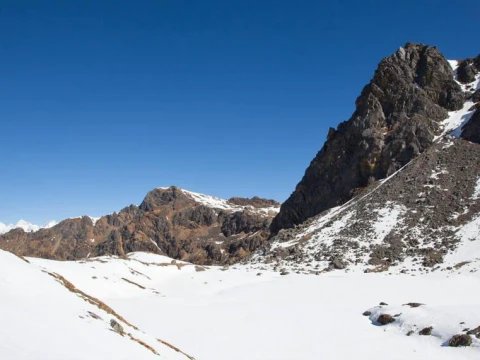
The Gosaikunda Langtang Tamang Heritage Ganesh Himal Trek is one of Nepal’s most diverse and immersive long-distance trekking adventures, combining sacred alpine lakes, high mountain passes, remote valleys, and rich indigenous culture. Starting from Kathmandu, the journey gradually unfolds through lush hills, rhododendron forests, and traditional villages before reaching the spiritual lakes of Gosaikunda. Crossing the dramatic Lauribina La Pass offers breathtaking Himalayan panoramas.As the trek continues into the Langtang Valley and beyond, you experience a blend of natural beauty and cultural richness. The Tamang Heritage Trail introduces you to traditional lifestyles, while the remote Ganesh Himal region showcases untouched wilderness and serene base camps like Kalo Seto Kunda.Sacred lakes and pilgrimage sitesDiverse landscapes from forests to alpine terrainAuthentic Tamang and Tibetan-influenced cultureRemote and less crowded trailsBest Season for Gosaikunda, Langtang, Tamang Heritage, and Ganesh Himal TrekThe best seasons for this trek are spring (March–May) and autumn (September–November). During spring, the trails are vibrant with blooming rhododendrons, and the weather is generally stable, making it ideal for crossing high passes like Lauribina La. Autumn offers crystal-clear skies and excellent mountain views, which are perfect for photography and long trekking days.Winter trekking is possible but challenging due to snow at higher elevations like Gosaikunda and Ganesh Himal Base Camp. Monsoon (June–August) brings heavy rainfall, slippery trails, and limited visibility, though the lower regions become lush and green.Seasonal Tips:Spring: Best for flowers and moderate weatherAutumn: Best for clear views and stable conditionsWinter: Cold but quieter trailsMonsoon: Risky but scenic in lower regionsGosaikunda Langtang Tamang Heritage and Ganesh Himal Trekking: Difficulty and TransportationThis trek is considered strenuous due to its long duration (over 30 days), multiple high passes, and varied terrain. Trekkers must be physically fit and well-acclimatized, especially for elevations above 4,000 meters like Gosaikunda and Tserko Ri. Daily walking hours range from 5 to 8 hours, often on steep ascents and descents.Transportation typically involves a scenic drive from Kathmandu to the trek starting point (such as Tarkeghyang) and a return drive from the ending point, like Katunje. Roads can be rough, especially in remote regions, adding to the adventure.Key Challenges:High altitude and risk of AMSLong trekking durationRemote and rugged trailsLimited access to modern facilitiesGosaikunda Langtang Tamang Heritage and Ganesh Himal Trekking Food and AccommodationThroughout the trek, accommodation is mainly in teahouses, offering basic but comfortable lodging. In popular areas like Langtang and Gosaikunda, facilities are relatively well-developed, while in Ganesh Himal, they are more basic and remote. Rooms are usually twin-sharing with shared bathrooms.Food options include a mix of local and international dishes. The staple meal is Dal Bhat (rice, lentils, vegetables), which is nutritious and widely available. You’ll also find noodles, soups, pancakes, and Tibetan bread.Common Facilities:Teahouse lodgingSimple but hygienic mealsLimited electricity and Wi-Fi in remote areasHot showers (extra cost in some places)Gosaikunda Langtang Tamang Heritage and Ganesh Himal Trekking PermitsTo complete this trek, several permits are required. Since the trek passes through protected regions, you’ll need entry permits for Langtang National Park and the restricted Ganesh Himal region. A TIMS (Trekkers’ Information Management System) card is also mandatory.If trekking with a company like Mountain of Nepal, they will handle all permit arrangements, ensuring a smooth and hassle-free experience.Required Permits:Langtang National Park Entry PermitTIMS CardSpecial permits for restricted areas (Ganesh Himal)Why Choose Gosaikunda Langtang Tamang Heritage and Ganesh Himal TrekThis trek stands out because it combines four unique trekking regions into one extraordinary journey. Unlike more commercial routes, it offers a balance of popular highlights and remote exploration. You’ll witness sacred lakes, glaciers, high passes, and untouched villages—all in one itinerary.Choosing a professional company like Mountain of Nepal ensures safety, expert guidance, and a deeper cultural experience. Their local knowledge enhances your journey, from logistics to meaningful interactions with local communities.Reasons to Choose This Trek:Combines culture, nature, and adventureLess crowded than Everest or AnnapurnaDeep cultural immersion with the Tamang communitiesDiverse landscapes and ecosystemsIdeal for experienced trekkers seeking a complete Himalayan experience
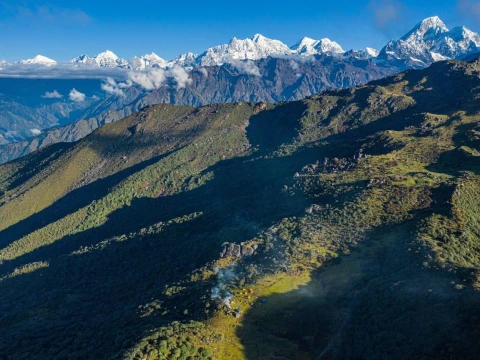
The Langtang Valley via Tilman Pass Trek is one of the most adventurous and less-crowded high-altitude trekking routes in Nepal, combining the natural beauty of the Langtang region with a challenging Himalayan crossing. Operated by Mountain of Nepal, this expedition links cultural villages, alpine valleys, glaciers, and high mountain passes, making it ideal for trekkers seeking both cultural depth and technical adventure. The journey passes through the famous Langtang Valley, reaches the sacred alpine landscapes near Gosaikunda Lake, and continues toward remote high camps before crossing the demanding Tilman Pass (5,320 m).This trek also integrates cultural extensions such as the Tamang Heritage Trail, where trekkers experience authentic Tamang villages, monasteries, and traditional lifestyles. On the western side, optional extensions toward the Ganesh Himal region provide raw wilderness experiences with fewer tourists and pristine landscapes.Cross the technical Tilman Pass (5,320 m)Explore Langtang Valley and glacier landscapesVisit the sacred Gosaikunda lakesExperience the Tamang culture and heritage villagesOptional extension toward the Ganesh Himal regionBest Season for Langtang Valley via Tilman Pass TrekThe best seasons for the Langtang Valley via Tilman Pass Trek are spring (March–May) and autumn (September–November). During these months, weather conditions are relatively stable, skies are clearer, and mountain views are at their best. Spring offers blooming rhododendron forests in lower Langtang and Tamang villages, while autumn provides crisp air and excellent visibility across high passes like Tilman Pass.Winter trekking is possible but extremely challenging due to heavy snowfall at high camps and glacier sections. Monsoon season (June–August) is generally not recommended because of landslides, slippery trails, and limited visibility, especially in the lower Langtang and Ganesh Himal approaches.Seasonal breakdown:Spring: Best for flowers, stable weather, photographyAutumn: Best visibility, safest trekking conditionsWinter: High risk, snow-covered passesMonsoon: Not recommended due to rain and landslidesMountain of Nepal carefully schedules departures to match optimal weather windows, ensuring safety during high-altitude crossings.Langtang Valley via Tilman Pass Trek: Difficulty and TransportationThe Langtang Valley via Tilman Pass Trek is classified as strenuous to very challenging, primarily due to the high-altitude crossing of Tilman Pass and long trekking days above 4,000 meters. Proper acclimatization, good physical fitness, and prior trekking experience are highly recommended. Technical sections may include glacier travel, snow slopes, and unpredictable weather conditions.Transportation begins from Kathmandu, where travelers drive to Syabrubesi or Okhreni, depending on the itinerary. The drive takes 6–8 hours through winding Himalayan roads. From there, the trekking route progresses through Langtang Valley and ascends gradually toward high camps before crossing into the remote northern valleys.Difficulty and logistics highlights:Long trekking days (5–9 hours average)High altitude above 5,000 mGlacier and pass crossing requiredRemote and limited rescue accessDrive access from Kathmandu to the trailheadsMountain of Nepal provides experienced guides, safety equipment, and acclimatization planning to reduce altitude risks and ensure a safe crossing.Langtang Valley via Tilman Pass Trek Food and AccommodationAccommodation along the Langtang Valley via Tilman Pass Trek ranges from basic tea houses in lower villages to camping setups in higher alpine zones. In areas like Langtang Village and Kyanjin Gompa, trekkers can expect simple lodges with twin-sharing rooms, communal dining areas, and limited but warm hospitality. Above 4,000 meters, especially near Tilman Pass, camping becomes necessary due to the absence of permanent settlements.Meals are typically freshly prepared Nepali and Tibetan-style dishes, including dal bhat (rice and lentils), noodles, soups, potatoes, and seasonal vegetables. Higher elevations offer simpler menus due to supply limitations, but calorie intake is carefully managed to support high-altitude energy needs.Food & accommodation summary:Tea houses in the lower and mid regionsCamping above South High CampFreshly cooked local mealsHigh-calorie trekking dietLimited luxury, focus on comfort and safetyMountain of Nepal ensures hygienic food preparation and provides full camping logistics in remote sections, including tents, kitchen support, and high-altitude cooking arrangements.Permits for Langtang Valley via Tilman Pass TrekSeveral trekking permits are required for this expedition due to its location inside protected and restricted areas. Trekkers must obtain the Langtang National Park Entry Permit, a TIMS (Trekkers’ Information Management System) Card, and additional special permits for restricted border and high-pass regions when applicable.Since the route passes through remote zones near the Tibetan border and high alpine conservation areas, permit regulations are strictly enforced. Mountain of Nepal handles all documentation and coordination to ensure smooth entry and compliance with government rules.Required permits:Langtang National Park Entry PermitTIMS Card (Trekkers Information Management System)Special restricted area permits (if extended routes are used)Conservation and local municipality feesAll permits are arranged in Kathmandu before departure, ensuring trekkers can focus entirely on the journey without administrative delays.Why Choose Langtang Valley via Tilman Pass TrekThe Langtang Valley via Tilman Pass Trek is ideal for trekkers seeking a blend of cultural immersion, remote wilderness, and technical Himalayan adventure. Unlike standard treks, this route combines the beauty of Langtang with challenging high-altitude exploration, making it one of Nepal’s most rewarding trekking experiences.With Mountain of Nepal, trekkers benefit from experienced mountain guides, safety-first planning, and well-organized logistics across remote terrain. The inclusion of cultural regions like the Tamang Heritage Trail, spiritual Gosaikunda lakes, and wilderness zones toward Ganesh Himal ensures a diverse trekking experience.Why choose this trek:Unique crossing of Tilman Pass (5,320 m)Cultural + adventure combinationLess crowded compared to the Everest/Annapurna routesExpert-led expedition supportRich biodiversity and Himalayan scenery
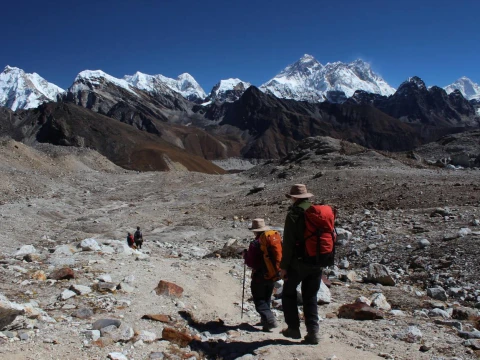
The Everest Three Pass Trek is one of the most challenging and rewarding trekking adventures in the Everest region of Nepal. Operated by Mountain of Nepal, this journey combines high-altitude passes, iconic viewpoints, remote valleys, and cultural Sherpa villages into a single, epic circuit. The trek crosses three major Himalayan passes—Kongma La (5,535 m), Cho La (5,420 m), and Renjo La (5,360 m)—offering panoramic views of Everest, Lhotse, Makalu, and Cho Oyu.This 22-day itinerary begins in Kathmandu and follows the classic Khumbu trail through Lukla, Phakding, and Namche Bazaar before branching into remote alpine routes. Unlike the standard Everest Base Camp trek, this route circles the entire Khumbu region, giving trekkers a more complete and adventurous Himalayan experience. Highlights include Everest Base Camp, Kala Patthar sunrise view, Gokyo Lakes, and Gokyo Ri summit.The trek is designed for physically fit trekkers who want both adventure and immersion in Sherpa culture. It is not just a trek but a full alpine expedition that demands endurance, proper acclimatization, and mental resilience.Cross 3 high Himalayan passes above 5,300 mVisit Everest Base Camp (5,364 m)Summit Kala Patthar (5,545 m approx viewpoint)Explore Gokyo Lakes and Gokyo RiExperience Sherpa villages and Buddhist monasteriesOrganized support by Mountain of NepalBest Season for Everest Three Pass TrekThe best time to undertake the Everest Three Pass Trek with Mountain of Nepal is during the spring (March to May) and autumn (September to November) seasons. These periods provide the most stable weather conditions, clear mountain views, and safer crossing of high-altitude passes. Spring brings blooming rhododendrons and slightly warmer temperatures, while autumn offers crystal-clear skies after the monsoon season.Winter (December to February) is extremely cold, especially at high passes like Kongma La and Cho La, where heavy snowfall can block trails. Similarly, the monsoon season (June to August) brings rain, landslides, and poor visibility, making trekking risky and less enjoyable.Mountain of Nepal always recommends planning the trek during peak seasons to ensure safety, better logistics, and the best possible Himalayan views. Weather in the Everest region can still change quickly, so proper preparation is essential even during favorable months.Best seasonal guide:Spring (Mar–May): Flowers, stable weather, good visibilityAutumn (Sep–Nov): Best mountain views, dry trailsWinter (Dec–Feb): Very cold, high pass risksMonsoon (Jun–Aug): Not recommendedKey points:Clear skies = safer pass crossingPeak trekking comfort in spring/autumnBetter flight reliability to LuklaIdeal photography conditionsEverest Three Pass Trek Difficulty and TransportationThe Everest Three Pass Trek is considered a strenuous and high-difficulty trek, suitable for experienced trekkers with good physical fitness. The challenge comes from long trekking days, steep ascents and descents, and crossing three high-altitude passes above 5,300 meters. Altitude sickness risk is significant, which is why proper acclimatization days in Namche and Dingboche are included in the itinerary by Mountain of Nepal.The terrain varies from rocky trails and glaciers to icy mountain passes. Weather conditions can change rapidly, and trekkers must be prepared for snow, wind, and freezing temperatures at higher elevations. Despite its difficulty, the trek is non-technical, meaning no climbing equipment is required, but endurance and stamina are essential.Transportation begins with a scenic flight from Kathmandu to Lukla, one of the world’s most famous mountain airports. From Lukla onward, all travel is on foot. Return flights from Lukla to Kathmandu complete the journey. Mountain of Nepal manages all logistics, ensuring safe flights, experienced guides, and porter support.Difficulty highlights:Very strenuous high-altitude trek3 passes above 5,300 m6–8 hours walking dailyRisk of altitude sicknessRequires a good fitness levelTransportation details:Kathmandu → Lukla: 30–35 min mountain flightTrekking: Entirely on foot after LuklaLukla → Kathmandu return flightPorter and guide support includedFood and Accommodation for Everest Three Pass TrekDuring the Everest Three Pass Trek, accommodation is mainly in teahouses and mountain lodges, which are simple but comfortable enough for trekkers. Managed through Mountain of Nepal, these lodges provide basic rooms with twin beds, blankets, and shared bathroom facilities in most locations. In lower regions like Namche Bazaar, facilities are more developed, while higher areas like Gokyo or Lobuche are more basic due to remoteness.Food is prepared fresh in local teahouses and includes a mix of Nepali, Tibetan, and limited international dishes. The most common meal is Dal Bhat (rice, lentils, vegetables), which provides high energy for trekking. Other options include noodles, soups, pasta, potatoes, and eggs. As altitude increases, food options become more limited and expensive due to transportation challenges.Hydration is extremely important, and trekkers are advised to drink boiled or purified water. Mountain of Nepal guides ensure safe food choices and hygienic accommodation throughout the journey.Accommodation highlights:Teahouse lodges throughout the routeBasic twin-sharing roomsHot showers (extra cost in higher regions)Limited Wi-Fi in the lower villagesFood highlights:Dal Bhat (energy-rich staple)Noodles, pasta, soupsTibetan bread, eggs, potatoesHot drinks (tea, coffee, ginger tea)Key points:Simple but sufficient mountain lodgingFreshly cooked meals dailyHigher altitude = limited varietyHydration is critical for acclimatizationEverest Three Pass Trek PermitsTo complete the Everest Three Pass Trek, several trekking permits are required, all of which are arranged by Mountain of Nepal for a hassle-free experience. These permits ensure entry into the protected areas of the Khumbu region and support conservation efforts and local communities.The main permit is the Sagarmatha National Park Entry Permit, which is required once trekkers enter the Everest region. Additionally, a Khumbu Pasang Lhamu Rural Municipality Permit is mandatory for trekking in the local area. These permits are checked at various checkpoints along the route.Trekkers flying into Lukla or trekking from Jiri/Salleri (alternative routes) still require these permits before entering restricted zones. Proper documentation is essential, and carrying permits at all times is required.Mountain of Nepal handles all paperwork in advance, ensuring trekkers do not face delays or confusion during the journey.Required permits:Sagarmatha National Park Entry PermitKhumbu Pasang Lhamu Rural Municipality PermitTIMS Card (depending on regulations at the time)Key points:Mandatory for all Everest region trekkersChecked at multiple trail checkpointsArranged fully by Mountain of NepalSupports conservation and local developmentWhy Choose Everest Three Pass Trek with Mountain of NepalChoosing Mountain of Nepal for the Everest Three Pass Trek ensures a safe, well-organized, and professionally guided Himalayan adventure. This trek is physically demanding and logistically complex, and having an experienced local operator significantly improves safety, comfort, and overall experience.Mountain of Nepal provides expert licensed guides, experienced porters, and carefully planned itineraries with proper acclimatization days. Safety is the top priority, especially when crossing high passes like Cho La, Kongma La, and Renjo La, where weather conditions can change rapidly. The company also offers emergency support and flexible itinerary management when needed.Beyond logistics, trekkers benefit from deep cultural insight into Sherpa life, Buddhist monasteries, and Himalayan traditions. The journey becomes not just a physical challenge but also a meaningful cultural experience.Why choose Mountain of Nepal:Experienced local trekking guidesSafe and well-planned itineraryProper acclimatization scheduleEmergency support systemPorter supports comfortAuthentic cultural experienceFull permit and logistics handlingKey points:Professional high-altitude trekking managementStrong safety and rescue awarenessPersonalized trekking supportLocal expertise in the Everest regionSmooth airport, flight, and lodge coordination
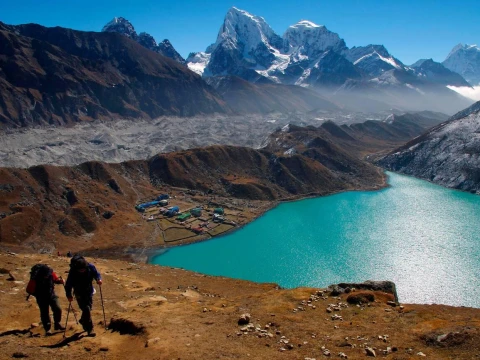
The Gokyo Lake Trek is one of the most scenic and rewarding trekking adventures in the Everest region of Nepal. Operated by Mountain of Nepal, this 12-day journey takes you through lush forests, Sherpa villages, high alpine valleys, and the breathtaking turquoise Gokyo Lakes. Unlike the busier Everest Base Camp route, the Gokyo Valley trek offers a quieter and more peaceful Himalayan experience while still delivering spectacular views of Mount Everest, Cho Oyu, Lhotse, and Makalu.The trek begins with a short flight to Lukla and gradually ascends through Phakding, Namche Bazaar, Dole, Machhermo, and finally Gokyo (4,800 m). One of the major highlights is the climb to Gokyo Ri (5,357 m), which offers one of the best panoramic viewpoints in the entire Himalayas. The return journey follows the same scenic route, allowing trekkers to re-experience the beauty of the Khumbu region from a different perspective.Stunning views of Everest and the surrounding peaksSix major turquoise Gokyo LakesGokyo Ri panoramic viewpointSherpa culture and traditional villagesLess crowded than the Everest Base Camp trailBest Season for Gokyo Lake TrekThe best time to undertake the Gokyo Lake Trek with Mountain of Nepal is during the pre-monsoon (spring) and post-monsoon (autumn) seasons. These periods provide stable weather, clear mountain views, and comfortable trekking conditions. Spring (March to May) is especially beautiful as rhododendrons bloom across the lower hills, adding vibrant colors to the landscape. Autumn (September to November) is considered the peak trekking season due to crystal-clear skies and excellent visibility of Himalayan peaks.Winter trekking (December to February) is possible but challenging due to heavy snowfall and extreme cold at higher altitudes like Gokyo and Machhermo. Similarly, the monsoon season (June to August) is not recommended due to rain, slippery trails, and poor visibility, although the region becomes lush and green.Choosing the right season significantly enhances safety and enjoyment, and Mountain of Nepal ensures proper planning based on weather conditions.Best season summary:Spring (Mar–May): Flowers, mild weather, clear viewsAutumn (Sep–Nov): Best visibility, stable weatherWinter (Dec–Feb): Cold, snow, fewer trekkersMonsoon (Jun–Aug): Wet, slippery, low visibilityGokyo Lake Trek Difficulty and TransportationThe Gokyo Lake Trek is considered a moderate to moderately challenging trek, suitable for trekkers with good physical fitness. While no technical climbing is required, the high altitude above 4,500 meters makes acclimatization very important. The route includes long trekking days, steep ascents, and thin air, especially when climbing Gokyo Ri (5,357 m). However, with proper pacing and guidance from Mountain of Nepal, most fit beginners can complete the trek.Transportation begins with a thrilling domestic flight from Kathmandu to Lukla, one of the world’s most famous mountain airports. From Lukla, all travel is on foot along well-marked Himalayan trails. Porters and guides provided by Mountain of Nepal assist in carrying luggage and navigating the route safely. Emergency helicopter evacuation is also available if required.Difficulty and transport points:Moderate to challenging due to altitudeNo technical climbing requiredFlight: Kathmandu → Lukla (weather dependent)Trekking: Fully on foot after LuklaPorter and guide support availableFood and Accommodation for Gokyo Lake TrekAccommodation during the Gokyo Lake Trek is mainly in traditional teahouses run by local Sherpa families. These lodges provide basic but comfortable rooms, usually with twin beds and shared bathrooms. In lower regions like Namche Bazaar, facilities are more developed, while higher areas like Gokyo and Machhermo offer more basic but cozy accommodations. Mountain of Nepal carefully selects reliable teahouses to ensure safety, cleanliness, and good hospitality.Food is freshly prepared in teahouses and includes a mix of Nepali, Tibetan, and simple international dishes. The most common meal is Dal Bhat (rice, lentils, vegetables), which is highly nutritious and provides energy for trekking. Other options include noodles, pasta, soups, pancakes, and eggs. As altitude increases, food options become limited and slightly more expensive due to transportation costs.Food & accommodation summary:Teahouse lodging throughout the routeBasic rooms with shared bathroomsNutritious local and international mealsDal Bhat is the main energy foodHot drinks like tea, coffee, and soup are availableGokyo Lake Trek PermitsTo complete the Gokyo Lake Trek, trekkers must obtain certain official permits required by the Nepal government. These permits help regulate tourism, support conservation, and maintain trekking trails. Mountain of Nepal manages all necessary paperwork and ensures trekkers receive the correct documentation before starting the journey.The main permits required are the Sagarmatha National Park Entry Permit and the Khumbu Pasang Lhamu Rural Municipality Permit. These are checked at various entry points along the trekking route. Trekkers must carry a valid identification (passport copy) and passport-sized photos for processing. Without these permits, entry into the Everest region is not allowed.Permit details:Sagarmatha National Park Entry PermitKhumbu Pasang Lhamu Rural Municipality PermitPassport and photo requiredChecked at multiple checkpointsManaged by Mountain of NepalWhy Choose the Gokyo Lake TrekThe Gokyo Lake Trek stands out as one of the most beautiful and peaceful trekking routes in the Everest region. Unlike the crowded Everest Base Camp trail, Gokyo offers a quieter journey with equally stunning Himalayan views. With Mountain of Nepal, trekkers receive professional guidance, experienced local guides, and well-organized logistics that ensure a safe and memorable adventure.One of the biggest reasons to choose this trek is the unique combination of turquoise glacial lakes, dramatic mountain scenery, and authentic Sherpa culture. The climb to Gokyo Ri offers arguably the best panoramic view of Everest, Cho Oyu, and the surrounding peaks. Additionally, the route passes through traditional villages where trekkers can experience local hospitality and Buddhist culture.Why choose this trek:Less crowded than Everest Base CampSpectacular Gokyo Lakes and glaciersGokyo Ri viewpoint (5,357 m)Rich Sherpa culture experienceFully organized by Mountain of Nepal
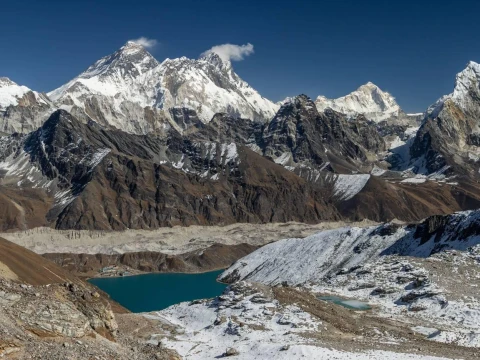
The Everest Base Camp Trek via Gokyo Lake is one of the most scenic and diverse trekking routes in the Everest region, combining two iconic experiences: the classic Everest Base Camp trail and the breathtaking turquoise lakes of Gokyo Valley. This route is ideal for trekkers who want a less crowded alternative to the traditional EBC route while still experiencing the grandeur of Mount Everest, Cho Oyu, Lhotse, and Makalu. Operated by Mountain of Nepal, this itinerary is carefully designed to balance adventure, acclimatization, and cultural immersion.The journey begins in Kathmandu and continues with a thrilling flight to Lukla, followed by a gradual ascent through Sherpa villages, dense forests, and high-altitude valleys. The trek then diverts toward Gokyo Valley, offering stunning views of glacial lakes and the Ngozumpa Glacier, before crossing the challenging Cho La Pass to reconnect with the EBC trail. The return route completes a full circuit, making the experience more rewarding and less repetitive.This trek is not just about reaching Everest Base Camp; it is about experiencing Himalayan culture, Buddhist heritage, and dramatic landscapes. Mountain of Nepal ensures well-paced trekking days, experienced guides, and proper acclimatization support for safety and success.Combination of Everest Base Camp and Gokyo LakesCrossing high-altitude Cho La Pass (5,420m)Panoramic views from Gokyo Ri and Kala PattharSherpa culture and Buddhist monasteriesLess crowded alternative trekking routeBest Season for Everest Base Camp Trek via Gokyo LakeThe best seasons for the Everest Base Camp Trek via Gokyo Lake are spring (March–May) and autumn (September–November). During these periods, the weather is stable, the skies are clear, and the mountain views are at their best. Spring offers blooming rhododendron forests and slightly warmer temperatures, while autumn provides crystal-clear visibility after the monsoon season, making it ideal for photography and high-altitude trekking.Winter (December–February) is also possible but extremely cold, especially near Gokyo and Cho La Pass, which may be blocked by snow. Similarly, the monsoon season (June–August) brings heavy rainfall, slippery trails, and flight delays to Lukla, making trekking less reliable during this period. Mountains of Nepal strongly recommends planning your trek during peak seasons for safety and a better experience.Proper seasonal planning also helps with acclimatization and reduces the risk of altitude sickness. Weather conditions at higher elevations like Gokyo Ri, Cho La Pass, and Everest Base Camp can change quickly, so choosing the right season is essential.Key Points:Best seasons: Spring (Mar–May) & Autumn (Sep–Nov)Clear skies and stable weather conditionsWinter: possible but very cold and riskyMonsoon: not recommended due to rain and landslidesPeak seasons ensure better mountain visibilityEverest Base Camp Trek via Gokyo Lake: Difficulty and TransportationThis trek is considered moderate to challenging due to long trekking days, high altitude, and the crossing of Cho La Pass. While no technical climbing is required, trekkers must be physically fit and mentally prepared for altitude variations reaching above 5,000 meters. The combination of steep ascents, rocky terrain, and glacier crossings makes it more demanding than the standard Everest Base Camp route.Transportation begins with a scenic but adventurous flight from Kathmandu to Lukla, one of the world’s most thrilling airports. From Lukla, all transportation is on foot until the return flight. In case of flight delays, Mountain of Nepal provides contingency arrangements such as helicopter options or buffer days in Kathmandu.Proper acclimatization days in Namche Bazaar and Gokyo Valley are essential to reduce altitude sickness risks. Trekkers should train in advance with cardio exercises, hiking practice, and endurance building.Key Points:Difficulty level: Moderate to ChallengingMaximum altitude: Kala Patthar (5,545m)Flight: Kathmandu – Lukla – KathmanduMajor challenge: Cho La Pass crossing (5,420m)Requires good physical fitness and staminaFood and Accommodation for Everest Base Camp Trek via Gokyo LakeAccommodation along the trek is mainly in teahouses and mountain lodges, which provide basic but comfortable facilities. Rooms are usually twin-sharing with simple bedding. As altitude increases, facilities become more basic, but hospitality remains warm and welcoming. The mountains of Nepal ensure clean and safe lodging throughout the journey.Food is available in teahouses with a mix of Nepali, Tibetan, and international dishes. The most common and recommended meal is Dal Bhat (rice, lentils, vegetables), which provides high energy for trekking. Other options include noodles, soups, pasta, potatoes, and tea/coffee. At higher altitudes, menu variety becomes limited due to transportation constraints.Safe drinking water is available through boiled water or purification tablets. It is important to stay hydrated to prevent altitude sickness. Mountain of Nepal guides assist trekkers in choosing hygienic food and maintaining proper nutrition during the trek.Key Points:Accommodation: Teahouses/mountain lodgesBasic twin-sharing rooms at a higher altitudeFood: Nepali, Tibetan, and basic international dishesRecommended meal: Dal Bhat (energy-rich)Safe drinking water via boiled or purified sourcesEverest Base Camp Trek via Gokyo Lake PermitsTo complete the Everest Base Camp Trek via Gokyo Lake, several trekking permits are required, all of which are managed by Mountain of Nepal for convenience. These permits ensure legal entry into the Sagarmatha National Park and Khumbu region, helping preserve the environment and support local communities.The main permits include the Sagarmatha National Park Entry Permit and the Khumbu Pasang Lhamu Rural Municipality Permit. These are mandatory for all trekkers. Depending on route updates, additional conservation fees may apply.Trekkers must carry passport copies and passport-sized photos for permit processing. Mountain of Nepal handles all documentation, ensuring a smooth trekking experience without administrative stress. Permits are checked at multiple entry points along the route.Key Points:Sagarmatha National Park Entry Permit requiredKhumbu Pasang Lhamu Rural Municipality Permit requiredManaged fully by Mountain of NepalPassport copy and photos neededChecked at multiple trekking checkpointsWhy Choose the Everest Base Camp Trek via Gokyo LakeChoosing the Everest Base Camp Trek via Gokyo Lake with Mountain of Nepal offers a more complete Himalayan experience compared to the standard EBC route. This itinerary includes both the famous Everest Base Camp and the stunning Gokyo Lakes, along with the adventure of crossing Cho La Pass, making it one of the most diverse trekking circuits in Nepal.This route is less crowded, allowing trekkers to enjoy peaceful trails, better photography opportunities, and deeper cultural interaction with Sherpa communities. The inclusion of Gokyo Ri provides one of the best panoramic viewpoints in the entire Everest region, often considered superior to Kala Patthar by many trekkers.Mountain of Nepal ensures experienced guides, safety-focused planning, proper acclimatization, and personalized support throughout the journey. Their expertise helps trekkers complete high-altitude challenges while enjoying the natural and cultural richness of the Himalayas.Key Points:Combines EBC + Gokyo Lakes + Cho La PassLess crowded and more scenic routeBest panoramic views from Gokyo RiStrong cultural immersion with Sherpa villagesGuided and organized by Mountain of Nepal
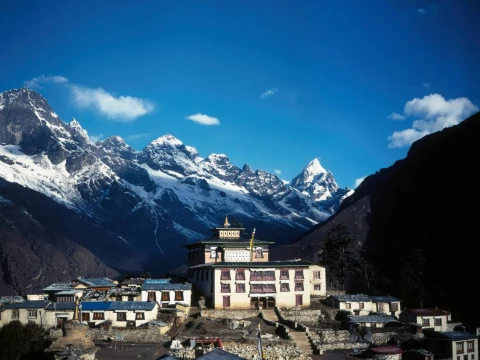
The Everest Panorama Trek operated by Mountain of Nepal is a beautifully balanced Himalayan journey designed for trekkers who want breathtaking Everest views without the extreme altitude challenge of a full Everest Base Camp trek. This itinerary passes through iconic Sherpa villages, ancient monasteries, and panoramic viewpoints that showcase the grandeur of the Khumbu region. The route is carefully designed to offer cultural depth along with natural beauty, making it ideal for beginners, families, and photographers.This trek begins in Kathmandu and moves toward the legendary Everest region via a scenic flight to Lukla. From there, the trail follows traditional routes through places like Phakding, Namche Bazaar, Tengboche Monastery, Khumjung Village, and Monjo. Each destination offers unique Himalayan perspectives, from Buddhist monasteries to sweeping views of Everest, Ama Dablam, and Thamserku.Stunning Everest and Himalayan panoramic viewpointsCultural experience in Sherpa villagesVisit to famous monasteries like TengbocheModerate trekking difficulty suitable for most trekkersProfessionally guided experience by Mountain of NepalBest Season for Everest Panorama TrekThe best time to undertake the Everest Panorama Trek with Mountain of Nepal is during the pre-monsoon (spring) and post-monsoon (autumn) seasons. These periods provide the clearest skies, stable weather conditions, and the best mountain visibility, which is essential for enjoying panoramic views of Everest and surrounding peaks.Spring (March to May) offers blooming rhododendron forests, mild temperatures, and vibrant landscapes along the trail. Autumn (September to November) is considered the peak trekking season due to crystal-clear skies and excellent visibility of the Himalayan ranges. Winter trekking is possible, but colder conditions and occasional snowfall can make trails more challenging, while the monsoon season (June to August) brings heavy rainfall and poor visibility.Season Highlights:Spring (Mar–May): Flowers, greenery, stable weatherAutumn (Sep–Nov): Best visibility and trekking conditionsWinter (Dec–Feb): Cold but quiet trailsMonsoon (Jun–Aug): Not recommended due to rain and landslidesMountain of Nepal always schedules treks considering seasonal safety and optimal mountain views for clients.Everest Panorama Trek Difficulty and TransportationThe Everest Panorama Trek is considered a moderate-level trek, making it suitable for beginners with basic fitness and for experienced trekkers who want a shorter Himalayan experience. Daily walking ranges between 4 and 6 hours on well-established trails. The altitude gradually increases, allowing proper acclimatisation and reducing the risk of altitude sickness.The journey begins with a thrilling mountain flight from Kathmandu to Lukla, one of the most famous airstrips in the world. From Lukla, the trekking route follows gradual ascents through river valleys, suspension bridges, and traditional settlements. Acclimatisation is supported through a rest day in Namche Bazaar, ensuring safer altitude progression.Difficulty & Transport Points:Moderate trekking difficulty (suitable for beginners with fitness)4–6 hours average walking per dayScenic flight Kathmandu → Lukla → KathmanduGradual altitude gain for safe acclimatisationManaged logistics by Mountain of Nepal for smooth travelFood and Accommodation for Everest Panorama TrekAccommodation during the Everest Panorama Trek is mainly in traditional teahouses run by local Sherpa families. These lodges provide basic but comfortable facilities, including twin-sharing rooms, warm blankets, and communal dining areas. In lower elevations like Lukla and Namche Bazaar, facilities are more developed, while higher villages offer simpler accommodations reflecting remote Himalayan living conditions.Food is freshly prepared at teahouses and includes a mix of Nepali, Tibetan, and basic international dishes. The most popular meal is dal bhat (rice, lentils, vegetables), which provides high energy for trekking days. Other options include noodles, soups, potatoes, eggs, pancakes, and tea/coffee. The mountain of Nepal ensures hygienic food arrangements and recommends nutritious meals for altitude adaptation.Accommodation & Food Highlights:Teahouse accommodation throughout the trekTwin-sharing rooms with basic amenitiesFreshly cooked local and international mealsHigh-energy food options like dal bhatSafe and hygienic arrangements by Mountain of NepalEverest Panorama Trek PermitsTo undertake the Everest Panorama Trek, trekkers require official trekking permits issued by the Nepal government. Mountain of Nepal manages all permit arrangements on behalf of clients to ensure a hassle-free experience. The primary permits include the Sagarmatha National Park Entry Permit and the Khumbu Pasang Lhamu Rural Municipality Permit.These permits are essential for entering the protected areas of the Everest region and for conservation support. All documents are checked at multiple entry points, such as Monjo and other checkpoints along the trail. Carrying a valid identification (passport) is mandatory during the trekking process.Permit Requirements:Sagarmatha National Park Entry PermitKhumbu Rural Municipality PermitPassport copy and passport-sized photosIssued and managed by Mountain of NepalRequired for all trekkers entering the Everest regionProper permit handling ensures legal compliance and supports local conservation efforts.Why Choose Everest Panorama TrekThe Everest Panorama Trek is ideal for those who want to experience the magic of the Everest region without committing to a long or extremely challenging expedition. It provides a perfect combination of Himalayan scenery, Sherpa culture, and accessible trekking routes. With Mountain of Nepal, trekkers receive professional guidance, safety assurance, and personalised support throughout the journey.Unlike longer Everest Base Camp treks, this itinerary is shorter yet still delivers unforgettable views of Everest and surrounding peaks. It also includes cultural immersion in monasteries like Tengboche Monastery and vibrant villages such as Namche Bazaar. The trek is well-paced, allowing trekkers to enjoy nature without physical overload.Why Choose This Trek:Short and scenic Everest experienceSuitable for beginners and familiesRich Sherpa culture and monastery visitsSafe itinerary with acclimatisation daysFully organised by Mountain of Nepal
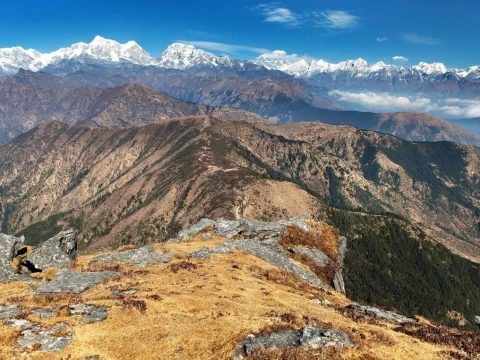
The Pikey Peak Trek is one of the most scenic and culturally rich short treks in the lower Everest region of Nepal, organized professionally by Mountain of Nepal. This trek offers an exceptional Himalayan experience without the extreme altitude risks of higher Everest Base Camp routes. Starting from the bustling capital city of Kathmandu (1,400m), the journey gradually ascends through rural settlements, lush hills, rhododendron forests, and high ridges before reaching the summit of Pikey Peak (4,065m).What makes this trek special is its panoramic view of the Himalayan range, including Mount Everest, Makalu, Kanchenjunga, and other surrounding peaks. The itinerary is carefully designed to balance acclimatization and cultural immersion, passing through traditional Sherpa and Tamang villages such as Jhapre, Junbesi, and Phaplu. Each day offers a combination of natural beauty and authentic Himalayan lifestyle experiences.Stunning sunrise view from Pikey Peak summitClose cultural interaction with Sherpa communitiesVisit to ancient monasteries like ThuptenchholingScenic drive from Kathmandu to Dhap BazaarLess crowded trekking trails compared to the Everest regionMountain of Nepal ensures a safe, guided, and enriching experience, combining local expertise with professional trekking support.Best Season for Pikey Peak TrekThe best time to undertake the Pikey Peak Trek is during the spring (March to May) and autumn (September to November) seasons. These periods offer the clearest mountain views, stable weather conditions, and comfortable trekking temperatures. The trails are especially beautiful in spring when rhododendron forests bloom with vibrant colors across the lower Himalayan slopes.Autumn is considered the peak trekking season in Nepal due to post-monsoon clarity, dry trails, and excellent visibility of the Himalayan range. Winter trekking is possible but can be challenging due to heavy snowfall at higher elevations like Pikey Peak Base Camp (3,640m). The monsoon season (June to August) is generally avoided because of slippery trails, leeches in lower forests, and limited mountain visibility.Seasonal advantages:Spring (Mar–May): Blooming forests, mild temperatures, colorful landscapesAutumn (Sep–Nov): Best visibility, stable weather, ideal photography conditionsWinter (Dec–Feb): Snow views, fewer crowds, colder conditionsMonsoon (Jun–Aug): Green landscapes but poor visibility and muddy trailsMountain of Nepal recommends spring and autumn departures for the safest and most rewarding trekking experience. Proper seasonal planning ensures better acclimatization, enjoyable hiking conditions, and unforgettable Himalayan scenery.Pikey Peak Trek Difficulty and TransportationThe Pikey Peak Trek is classified as a moderate-level trek, suitable for beginners with basic fitness as well as experienced trekkers looking for a quieter Himalayan route. The highest point is Pikey Peak at 4,065 meters, which is manageable compared to higher-altitude treks in Nepal. However, daily walking durations of 5–7 hours require stamina and gradual acclimatization.The trek involves a combination of driving and trekking. The journey begins with a scenic drive from Kathmandu to Dhap Bazaar (2,850m), which takes approximately 8–10 hours depending on road conditions. From there, trekking begins through Jhapre, Pikey Peak Base Camp, and onward to the summit. The return route continues through Jasmane Bhanjyang, Junbesi, and Phaplu before driving back to Kathmandu.Difficulty breakdown:Moderate altitude gain (safe acclimatization profile)Daily trekking: 5–7 hours averageSome steep ascents and descents near the summitCold temperatures at higher elevationsRequires basic physical fitness and enduranceTransportation highlights:Private/local jeep or bus from Kathmandu to Dhap BazaarTrekking routes are fully on footReturn drive from Phaplu to KathmanduMountain of Nepal ensures safe transportation arrangements, experienced guides, and flexible pacing to match group fitness levels.Food and Accommodation for Pikey Peak TrekFood and accommodation along the Pikey Peak Trek are simple but comfortable, reflecting the remote mountain lifestyle of the region. Tea houses and local lodges are available throughout the route, especially in villages like Jhapre, Junbesi, and Phaplu. Rooms are generally twin-sharing with basic bedding, warm blankets, and shared bathroom facilities.Meals are freshly prepared by local tea houses and include a mix of Nepali and basic international dishes. The most common meal is Dal Bhat (rice, lentil soup, vegetables), which provides high energy for trekking. Other options include noodles, soups, pasta, pancakes, eggs, and Tibetan bread. At higher altitudes like Pikey Peak Base Camp, food variety becomes more limited due to transportation constraints.Accommodation and food highlights:Basic but clean tea house accommodationTwin-sharing rooms with shared toiletsHot meals prepared fresh dailyDal Bhat, noodles, soups, and eggs as main energy foodsLimited menu at higher altitude campsMountain of Nepal ensures hygienic meal arrangements and selects the best available lodges along the route. Clean drinking water, boiled or purified, is available at most stops, though trekkers are encouraged to carry water purification tablets or filters for safety.Pikey Peak Trek PermitsTo undertake the Pikey Peak Trek, certain permits are required as the route passes through regulated trekking and conservation areas of Nepal. Mountain of Nepal handles all permit arrangements for trekkers to ensure a hassle-free experience from arrival to departure.The main permits required include the TIMS (Trekkers’ Information Management System) card and the Gaurishankar Conservation Area Permit (GCAP), as parts of the route fall under protected regions. These permits help support conservation efforts and ensure trekkers’ safety and tracking throughout the journey.Permit details:TIMS Card for trek registration and safety trackingGaurishankar Conservation Area Permit (GCAP)Issued in Nepal through authorized agenciesRequired for all foreign trekkersManaged fully by Mountain of Nepal on behalf of clientsTrekkers are required to provide a valid passport copy, visa details, and passport-sized photos before departure. No special restricted area permit is needed for the Pikey Peak Trek, making it one of the more accessible Himalayan trekking routes.Mountain of Nepal ensures all documentation is prepared in advance so trekkers can focus entirely on the experience rather than administrative procedures.Why Choose Pikey Peak Trek with Mountain of NepalChoosing the Pikey Peak Trek with Mountain of Nepal guarantees a well-organized, safe, and culturally immersive Himalayan journey. Unlike crowded routes in the Everest region, Pikey Peak offers a peaceful trekking environment with equally stunning mountain views and deeper cultural interaction with local communities.Mountain of Nepal specializes in personalized trekking experiences, ensuring small group sizes, experienced local guides, and flexible itineraries based on weather and fitness levels. The company prioritizes safety, acclimatization, and authentic cultural exposure throughout the journey.Reasons to choose this trek with Mountain of Nepal:Expert local guides with high-altitude experienceFully organized logistics (transport, permits, accommodation)Less crowded and more authentic trekking routePanoramic Everest region views from Pikey Peak summitCultural immersion in Sherpa and Tamang villagesFlexible pacing and strong safety protocolsThe company also focuses on responsible tourism by supporting local tea houses and communities along the route. This ensures that your trek contributes positively to the local economy while preserving the natural environment.
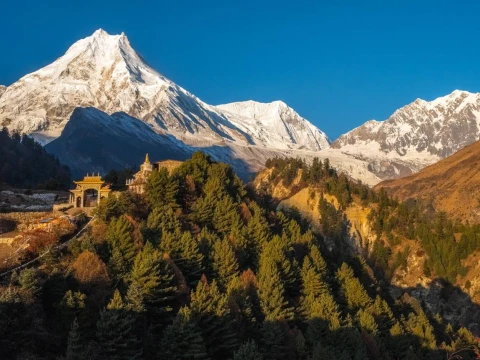
The Manaslu Circuit Trek is one of Nepal’s most spectacular and less-crowded trekking routes, circling the world’s eighth-highest mountain, Mount Manaslu (8,163 m). Organized by Mountain of Nepal, this trek offers a perfect combination of natural beauty, cultural diversity, and high-altitude adventure. The route passes through remote villages, deep gorges, alpine forests, and finally crosses the challenging Larkya La Pass (5,106 m) before descending into the Annapurna region.This trek is ideal for trekkers seeking an authentic Himalayan experience away from the busy Everest and Annapurna trails. The trail starts from Machha Khola and gradually ascends through Buddhist and Tibetan-influenced villages such as Jagat, Deng, Namrung, Sama Gaon, and Samdo. Along the way, trekkers experience dramatic changes in landscapes—from subtropical forests to icy alpine terrain.A major highlight is the acclimatization day at Sama Gaon, where trekkers can explore Manaslu Base Camp or Pungyen Gompa. The journey concludes after crossing Larkya La Pass and descending toward Bhimtang and Dharapani.Remote and less crowded trekking routeStunning views of Mount Manaslu and the surrounding peaksRich Tibetan-influenced cultureHigh mountain pass crossing (Larkya La – 5,106 m)Organized by Mountain of Nepal with expert guidanceBest Season for Manaslu Circuit TrekThe best seasons for the Manaslu Circuit Trek are spring (March to May) and autumn (September to November). During these months, the weather is stable, skies are clear, and mountain visibility is at its best. Mountain of Nepal highly recommends these periods for safe and enjoyable trekking experiences.In spring, the trail becomes vibrant with blooming rhododendrons, green landscapes, and pleasant temperatures. Similarly, autumn offers crystal-clear views of Manaslu, Himlung, and Ganesh Himal ranges after the monsoon cleans the atmosphere. These seasons also provide the most reliable trekking conditions for crossing Larkya La Pass.Winter (December to February) is extremely cold, especially above 3,500 meters, and heavy snowfall can block the pass. Monsoon season (June to August) brings heavy rain, landslides, and leeches in lower regions, making trekking more challenging.Best Season Summary:Spring: Blooming forests, stable weatherAutumn: Best visibility, ideal trekking conditionsWinter: Very cold, possible route blockageMonsoon: Wet, risky, landslides possibleRecommended by Mountain of Nepal: Spring & AutumnManaslu Circuit Trek Difficulty and TransportationThe Manaslu Circuit Trek is considered a moderate to challenging trek due to its long duration, remote trails, and high-altitude crossing. The most difficult section is the ascent to Larkya La Pass (5,106 m), where thin air and cold weather require strong physical fitness and proper acclimatization.Trekkers should be prepared for 6–8 hours of walking daily on rocky, steep, and sometimes snowy trails. Previous trekking experience is helpful but not mandatory. Mountain of Nepal ensures proper acclimatization days, especially at Sama Gaon, to reduce the risk of altitude sickness.Transportation includes a drive from Kathmandu to Machha Khola (rough road conditions) and return via Dharapani to Besisahar, followed by a drive back to Kathmandu. Off-road travel is part of the adventure and gives trekkers a glimpse of rural Nepal.Difficulty & Transport Highlights:Moderate to challenging trekking levelHigh altitude pass crossing required6–8 hours walking dailyRough jeep drive from Kathmandu to trailheadScenic but bumpy road return via BesisaharFully managed by Mountain of NepalFood and Accommodation for Manaslu Circuit TrekAccommodation during the Manaslu Circuit Trek is mainly in local tea houses and lodges run by villagers. These provide basic but comfortable facilities such as twin beds, blankets, and shared bathrooms. As the altitude increases, facilities become simpler but still welcoming.Food options are surprisingly diverse considering the remoteness of the region. Trekkers can enjoy traditional Nepali meals like dal bhat (rice, lentils, vegetables), as well as noodles, soups, potatoes, Tibetan bread, and momos. At lower elevations, some lodges also offer pasta, fried rice, and pancakes.Mountain of Nepal carefully selects clean and hygienic tea houses to ensure safety and comfort. At higher elevations like Dharmasala and Samdo, food options become limited due to supply difficulties, so simple but energy-rich meals are recommended.Food & Accommodation Highlights:Tea house and lodge-based accommodationBasic rooms with shared facilitiesTraditional Nepali and Tibetan-style foodLimited menu at higher altitudeHygienic lodges arranged by Mountain of NepalFreshly cooked meals available dailyManaslu Circuit Trek PermitsThe Manaslu region is a restricted trekking area, so special permits are required to complete the trek legally. Mountain of Nepal handles all permit arrangements to ensure a smooth trekking experience.Trekkers need multiple permits, including the Manaslu Restricted Area Permit (RAP), Manaslu Conservation Area Permit (MCAP), and Annapurna Conservation Area Permit (ACAP), since the trek exits through the Annapurna region. Additionally, a licensed guide is mandatory, and trekkers must be in a group of at least two people (excluding guide/staff).Permit costs vary depending on the season and duration in the restricted zone. These regulations help preserve the natural environment and protect local culture.Permit Requirements:Manaslu Restricted Area Permit (RAP)Manaslu Conservation Area Permit (MCAP)Annapurna Conservation Area Permit (ACAP)Licensed trekking guide mandatoryMinimum group requirement (2 trekkers)Managed fully by Mountain of NepalWhy Choose Manaslu Circuit TrekChoosing the Manaslu Circuit Trek with Mountain of Nepal means experiencing one of the most authentic Himalayan adventures with professional support, safety, and local expertise. Unlike crowded trekking routes, Manaslu offers a peaceful journey through untouched landscapes and traditional mountain culture.This trek is ideal for trekkers who want adventure, cultural immersion, and dramatic Himalayan scenery in one package. The route combines river valleys, glaciers, ancient monasteries, and high mountain passes, making it a complete trekking experience.Mountain of Nepal ensures safety through experienced guides, proper acclimatization planning, and well-organized logistics. From permits to accommodation, everything is handled professionally so trekkers can fully enjoy the journey.Why Choose This Trek:Less crowded and more peaceful trailAuthentic Tibetan-influenced cultureStunning Himalayan landscapesChallenging yet rewarding experienceProfessional service by Mountain of NepalFully organized logistics and safety support
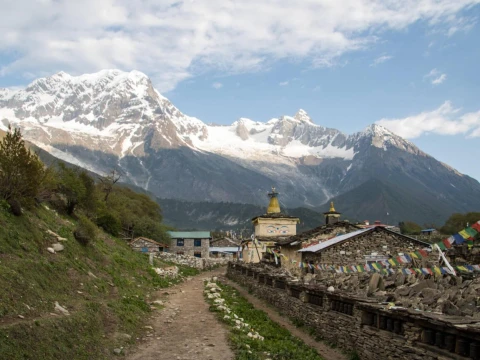
The Manaslu Tsum Valley Trek is one of Nepal’s most culturally rich and naturally diverse trekking routes, combining the remote beauty of the Tsum Valley with the classic Manaslu Circuit. Organized by Mountain of Nepal, this 19-day journey takes trekkers through ancient Tibetan-influenced villages, deep river gorges, and high Himalayan passes. Starting from Kathmandu, the trail gradually ascends through Machha Khola, Jagat, and Lokpa into the hidden Tsum Valley, where spiritual landmarks like Rachen Gompa and Mu Gompa offer a rare glimpse into preserved Buddhist traditions.As the trek continues, it merges with the Manaslu Circuit, leading toward high-altitude settlements like Samagaon and Samdo, before crossing the challenging Larkya La Pass (5160m). This trek stands out because it combines both cultural immersion and high-altitude adventure without the crowds of more commercial routes. Trekkers experience dramatic changes in landscape—from lush forests to alpine terrain—making it a complete Himalayan journey.Exploration of the sacred Tsum ValleyVisit to ancient monasteries like Mu GompaCrossing Larkya La Pass (5160m)Stunning views of Manaslu and the surrounding peaksBest Season for Manaslu Tsum Valley TrekThe ideal seasons for the Manaslu Tsum Valley Trek are spring (March to May) and autumn (September to November). During these periods, the weather is stable, the skies are clear, and the mountain views are at their best. Spring brings blooming rhododendron forests and mild temperatures, while autumn offers crisp air and excellent visibility after the monsoon clears the dust from the atmosphere.Winter (December to February) is possible but challenging due to heavy snowfall, especially near Larkya La Pass. The monsoon season (June to August) brings heavy rain, landslides, and leeches in lower regions, making trekking less comfortable and sometimes risky. For the best experience, Mountain of Nepal recommends planning your trek during peak seasons when both safety and scenery are optimal.Best Time Summary:Spring: Warm weather, blooming landscapesAutumn: Clear skies, best mountain viewsWinter: Cold, high pass may be blockedMonsoon: Wet and less favorable conditionsManaslu Tsum Valley Trek Difficulty and TransportationThis trek is considered moderately to highly difficult due to its long duration, remote trails, and high altitude. Trekkers must be physically fit and prepared for daily walks of 6–8 hours, with gradual altitude gain and a demanding crossing of Larkya La Pass. Acclimatization days, such as in Samagaon, are crucial to reduce the risk of altitude sickness.Transportation involves a scenic but rugged drive from Kathmandu to Machha Khola and a return drive from Dharapani to Kathmandu. Roads can be rough, especially in remote areas, but they offer incredible views of rural Nepal. Mountain of Nepal ensures safe and comfortable transportation arrangements, including experienced drivers and well-maintained vehicles.Key Points:Trek duration: 19 daysDaily walking: 6–8 hoursMaximum altitude: 5160mA combination of driving and trekkingFood and Accommodation for Manaslu Tsum Valley TrekAccommodation during the trek is primarily in teahouses, which are simple yet comfortable lodges run by local families. Rooms are usually twin-sharing with basic facilities, and common dining areas provide warmth and social interaction. In remote areas like Tsum Valley, facilities are more basic but still welcoming.Food options are surprisingly varied, including traditional Nepali dal bhat, Tibetan bread, noodles, soups, and some Western dishes. Meals are freshly prepared, providing the necessary energy for trekking. With Mountain of Nepal, hygiene and quality are prioritized to ensure a safe and enjoyable experience.What to Expect:Teahouse accommodationLocal and simple mealsWarm dining spacesLimited luxury but an authentic experienceManaslu Tsum Valley Trek PermitsSince this trek lies in restricted areas, several permits are required. These include the Manaslu Restricted Area Permit, Tsum Valley Restricted Area Permit, Manaslu Conservation Area Permit (MCAP), and Annapurna Conservation Area Permit (ACAP). These permits help regulate tourism and preserve the region’s natural and cultural heritage.Trekkers must travel with a licensed guide and in a group of at least two people. Mountain of Nepal handles all permit arrangements, ensuring a hassle-free process so trekkers can focus on enjoying their journey.Required Permits:Manaslu Restricted Area PermitTsum Valley Restricted Area PermitMCAP & ACAP permitsLicensed guide requirementWhy Choose Manaslu Tsum Valley TrekChoosing the Manaslu Tsum Valley Trek means stepping into a less-explored region of Nepal that offers both adventure and cultural depth. Unlike crowded trekking routes, this trail provides tranquility, authenticity, and a deeper connection with nature and local traditions. The blend of high mountain passes and sacred valleys makes it a truly unique experience.With Mountain of Nepal, trekkers benefit from expert guides, well-planned itineraries, and a commitment to safety and sustainability. The company focuses on personalized service, ensuring each trekker enjoys a memorable and meaningful journey in the Himalayas.Reasons to Choose:Less crowded trekking routeUnique cultural experiencesDiverse landscapes and sceneryProfessional support from Mountain of Nepal
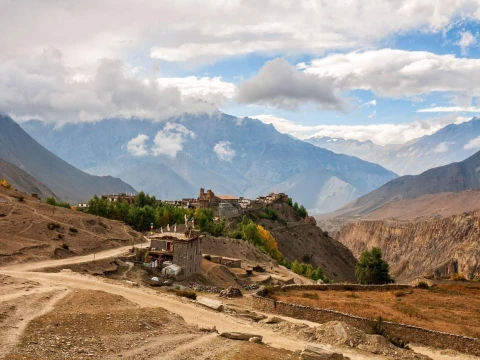
The Lower Mustang Trek is one of Nepal’s most fascinating journeys, combining dramatic Himalayan landscapes with deep cultural richness. Organized by Mountain of Nepal, this itinerary is designed to give you a gradual and immersive experience of the Mustang region, starting from the vibrant capital Kathmandu and extending into the windswept Kali Gandaki valley. The route passes through diverse terrain—from lush hills around Pokhara to the arid, desert-like landscapes of Mustang that resemble Tibetan plateaus.Your journey begins with cultural exploration in Kathmandu Valley, followed by a scenic drive to Pokhara and a short but thrilling flight to Jomsom. From there, the trek gradually unfolds through traditional villages like Kagbeni and reaches the sacred site of Muktinath. This region is not only visually striking but also spiritually significant for both Hindus and Buddhists, offering a rare blend of natural and religious experiences.Scenic flight between Pokhara and JomsomWalk through the Kali Gandaki Gorge (the world’s deepest)Visit the sacred Muktinath TempleExperience Tibetan-influenced cultureStunning views of the Nilgiri and Dhaulagiri rangesBest Season for Lower Mustang TrekChoosing the right season can significantly enhance your trekking experience in Lower Mustang. The most favorable times are spring (March to May) and autumn (September to November). During these periods, the weather is stable, the skies are clear, and the mountain views are at their best. Spring also brings blooming rhododendrons along the lower trails, adding vibrant colors to your journey.Interestingly, Lower Mustang lies in a rain-shadow area, which makes it suitable even during the monsoon season (June to August). While other regions of Nepal receive heavy rainfall, Mustang remains relatively dry, offering a unique trekking opportunity when most trails are less crowded. Winter (December to February), however, can be quite cold, especially in higher elevations like Muktinath, where temperatures drop below freezing.Best times at a glance:Spring: Warm, blooming landscapesAutumn: Clear skies, best mountain viewsMonsoon: Less crowded, dry Mustang regionWinter: Cold but quiet and less busyLower Mustang Trek Difficulty and TransportationThe Lower Mustang Trek is considered a moderate trek, making it suitable for beginners with reasonable fitness levels. The trails are well-defined and do not require technical climbing skills, but altitude and daily walking (5–7 hours) can still be challenging. The highest point, Muktinath at 3,900 meters, requires careful acclimatization, which is well-managed in this itinerary.Transportation is a key part of the experience. The drive from Kathmandu to Pokhara offers scenic views of rivers and hills, while the flight from Pokhara to Jomsom is a highlight in itself—short but incredibly scenic. The return journey follows the same route, ensuring a balanced mix of trekking and travel without excessive physical strain.Difficulty & transport notes:Moderate difficulty, beginner-friendlyMax altitude: 3,900 m (Muktinath)Scenic drives and short flights includedNo technical climbing requiredGradual acclimatization is built into the itineraryFood and Accommodation for Lower Mustang TrekFood and accommodation along the Lower Mustang Trek are comfortable and cater well to trekkers. You will stay in local teahouses and lodges that provide basic but cozy rooms, usually with twin beds and shared bathrooms. In popular stops like Jomsom and Muktinath, accommodations are slightly more developed, offering better facilities.Meals are typically served in communal dining areas and include a mix of Nepali and international dishes. The staple meal is Dal Bhat (rice, lentils, vegetables), which is nutritious and energy-rich. You can also find noodles, soups, pancakes, and even pasta in some places. While options become simpler at higher elevations, the quality remains satisfying.What to expect:Teahouse lodging with basic comfortNutritious meals like Dal BhatHot drinks available (tea, coffee)Limited luxury but an authentic experienceFriendly local hospitalityLower Mustang Trek PermitsTo trek in the Lower Mustang region, you need specific permits regulated by the Nepalese government. These permits ensure environmental conservation and support local communities. With Mountain of Nepal, the process is handled smoothly, so you don’t have to worry about paperwork.The main permits required are the Annapurna Conservation Area Permit (ACAP) and the TIMS (Trekkers’ Information Management System) card. These documents are checked at various points along the trail, so it’s important to carry them at all times.Permit requirements:ACAP (Annapurna Conservation Area Permit)TIMS CardPassport copies and photos neededOrganized easily through your trekking companyMandatory checkpoints along the routeWhy Choose Lower Mustang TrekThe Lower Mustang Trek stands out as a unique Himalayan experience that blends accessibility with extraordinary landscapes. Unlike more demanding treks, it offers high-altitude adventure without extreme difficulty, making it ideal for a wide range of travelers. The cultural richness, influenced heavily by Tibetan traditions, adds a deeper dimension to the journey beyond just scenery.Choosing a trusted operator like Mountain of Nepal ensures a well-organized, safe, and enriching experience. From logistics to local insights, having expert guidance allows you to fully immerse yourself in the trek without stress. Whether it’s the sacred aura of Muktinath or the dramatic Kali Gandaki valley, this trek delivers a memorable Himalayan journey.Why it’s worth it:Moderate and accessible trekking routeUnique desert-like Himalayan landscapeRich cultural and spiritual experienceLess crowded than other popular treksWell-supported by experienced guides
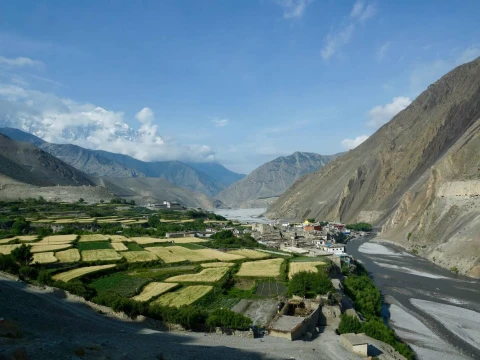
The Upper Mustang Trek is one of Nepal’s most unique and culturally rich journeys, taking you deep into the former Kingdom of Mustang. Starting from Kathmandu, the route follows a scenic drive to Pokhara, then a short but dramatic flight to Jomsom. From there, trekkers walk through arid landscapes, ancient caves, and centuries-old monasteries, eventually reaching Lo Manthang. The region lies in the rain shadow of the Himalayas, giving it a desert-like terrain unlike other parts of Nepal.This trek stands out for its preserved Tibetan culture, remote villages, and restricted access, making it feel like stepping back in time. With Mountain of Nepal, trekkers benefit from well-organized logistics and expert local guides who provide deep insights into the region’s history and traditions. The itinerary you provided ensures gradual acclimatization while showcasing the best of Mustang.Ancient monasteries and sky cavesUnique desert-like Himalayan landscapesCultural immersion in Tibetan-influenced villagesScenic flight between Pokhara and JomsomBest Season for Upper Mustang TrekThe best time for the Upper Mustang Trek is from May to October, which is quite different from other trekking regions in Nepal. Because Upper Mustang lies in a rain-shadow area, it remains relatively dry even during the monsoon season. This makes it one of the few treks ideal for summer travel when other trails are wet and slippery.Spring (March–May) and autumn (September–November) are also excellent, offering clear mountain views and comfortable temperatures. Traveling with Mountain of Nepal during these seasons ensures proper planning around weather conditions and local festivals, such as the famous Tiji Festival in Lo Manthang.Best time summary:May–August: Ideal due to dry conditionsSpring: Blooming landscapes and mild weatherAutumn: Clear skies and stable climateUpper Mustang Trek Difficulty and TransportationThe Upper Mustang Trek is considered moderate in difficulty, suitable for trekkers with a reasonable level of fitness. Daily walking ranges from 4 to 7 hours on rocky and windy trails. The altitude gradually increases, with the highest point around 3,800 meters, so proper acclimatization is essential.Transportation is a mix of road and air travel. The journey begins with a drive from Kathmandu to Pokhara, followed by a short but scenic flight to Jomsom. Mountain of Nepal ensures smooth transfers, reliable flights, and contingency plans in case of weather delays, which are common in mountainous regions.Key points:Moderate trekking level (no technical climbing)Daily hikes of 4–7 hoursFlight: Pokhara–Jomsom (weather dependent)Scenic road journey between Kathmandu and PokharaFood and Accommodation for Upper Mustang TrekAccommodation during the trek is mainly in teahouses and lodges, offering basic but comfortable facilities. Rooms are typically twin-sharing with simple bedding, and common dining areas are used for meals and socializing. In places like Lo Manthang, accommodations are slightly more developed due to its popularity.Food options include a mix of Nepali and Tibetan dishes such as dal bhat, noodles, soups, and bread. With Mountain of Nepal, trekkers are guided to hygienic and reliable lodges, ensuring a safe and enjoyable experience even in remote areas.What to expect:Basic teahouse accommodationNutritious meals (dal bhat, soups, noodles)Limited but sufficient amenitiesWarm hospitality from localsUpper Mustang Trek PermitsUpper Mustang is a restricted area, requiring special permits for entry. Trekkers must obtain a Restricted Area Permit (RAP) along with an Annapurna Conservation Area Permit (ACAP). These permits help regulate tourism and preserve the region’s unique culture and environment.Booking with Mountain of Nepal simplifies this process, as they handle all permit arrangements, documentation, and government requirements. This ensures a hassle-free trekking experience and allows you to focus entirely on the journey.Required permits:Restricted Area Permit (RAP)Annapurna Conservation Area Permit (ACAP)Licensed guide (mandatory)Why Choose Upper Mustang TrekThe Upper Mustang Trek offers a rare combination of natural beauty, cultural heritage, and exclusivity. Unlike crowded trekking routes, Mustang provides a quieter and more authentic experience. The dramatic landscapes, ancient traditions, and historical significance make it a once-in-a-lifetime adventure.Choosing the Mountain of Nepal adds significant value to your trek. Their experienced team, personalized service, and deep local knowledge ensure safety, comfort, and cultural enrichment throughout the journey. They also tailor itineraries to match your pace and preferences, making the trek both enjoyable and memorable.Reasons to choose:Unique landscape and Tibetan cultureLess crowded trekking routeWell-organized logistics with expert guidesPersonalized service and safety assurance
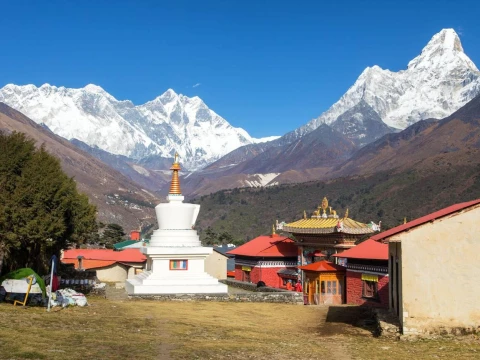
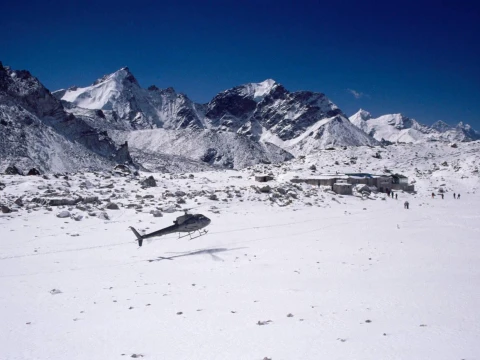
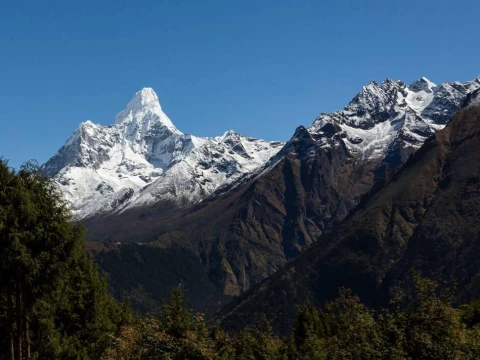
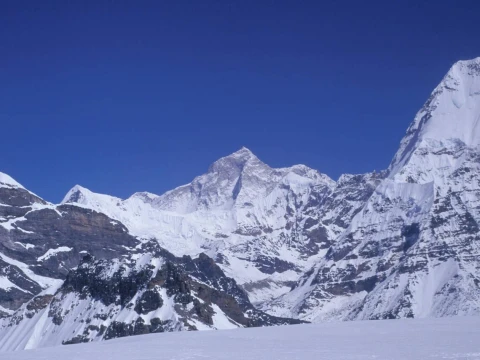
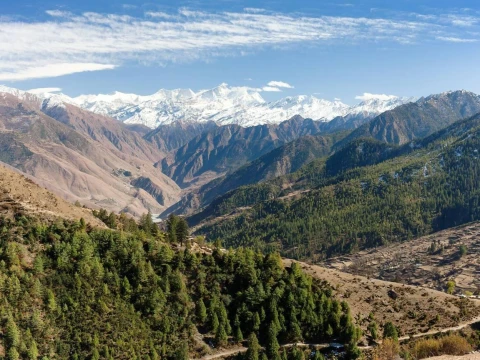
The Lower Dolpo Trek is one of Nepal’s most remote, culturally rich, and physically demanding trekking routes, located in the rain-shadow region of the Dhaulagiri massif in western Nepal. Operated by Mountain of Nepal, this 17-day journey follows a spectacular route from Kathmandu to Nepalgunj, then into the isolated landscapes of Dolpo via Jhupal, Chepkpa, Phoksundo Lake, and high Himalayan passes like Baga-La (5,169 m) and Numa-La (5,309 m). The trek ultimately descends through ancient villages such as Dho-Tarap, Tarakot, and Dunai before returning to Kathmandu.This region is strongly influenced by Tibetan culture and Bon Buddhism, making it not just a trekking adventure but also a deep cultural exploration. The highlight of the trek is the turquoise Phoksundo Lake (3,630 m), one of the deepest and most beautiful alpine lakes in Nepal, surrounded by dramatic cliffs and untouched wilderness. The trail passes through isolated settlements where traditional lifestyles have remained unchanged for centuries.Lower Dolpo is less commercialized compared to other trekking regions, offering a raw Himalayan experience. Trekkers pass through high alpine deserts, glacier-fed rivers, yak pastures, and ancient trade routes that once connected Nepal with Tibet.Remote Himalayan wilderness experiencePhoksundo Lake and Shey Phoksundo National ParkHigh passes: Baga-La and Numa-LaTibetan-influenced culture and villagesLess crowded, authentic trekking routeBest Season for Lower Dolpo TrekThe best time for the Lower Dolpo Trek is during spring (April–June) and autumn (September–November). These seasons provide the most stable weather conditions, clear mountain views, and safer trail conditions for crossing high passes above 5,000 meters. Since Dolpo lies in a rain-shadow area, it is also one of the few trekking regions in Nepal that remains accessible even during the monsoon season. However, spring and autumn are still preferred for comfort and visibility.In spring, the landscapes come alive with blooming wildflowers, and temperatures are moderate, making long trekking days more comfortable. Autumn, on the other hand, offers crystal-clear skies, dry trails, and excellent visibility of the Himalayan ranges. Winter is extremely cold and snow-bound at higher elevations, while the early monsoon (June–August) may bring occasional rain in lower sections.Because of its remote geography, the weather can change quickly in Dolpo. Proper planning with Mountain of Nepal ensures safe timing, acclimatization, and weather-adapted itineraries.Best Season Highlights:Spring: Blooming landscapes, moderate temperaturesAutumn: Best visibility, stable weatherMonsoon: Possible but less ideal for comfortWinter: Extremely harsh, high passes closedLower Dolpo Trek Difficulty and TransportationThe Lower Dolpo Trek is classified as a strenuous and high-altitude trekking route, requiring excellent physical fitness and mental endurance. Trekkers must cross two major passes above 5,000 meters, including Baga-La and Numa-La, which involve steep ascents, snow sections, and long trekking hours (5–7 hours daily on average). Altitude sickness is a potential risk, so proper acclimatization is essential.The journey also includes multiple days of remote camping or basic lodge stays, with limited infrastructure. Unlike popular trekking regions like Everest or Annapurna, Lower Dolpo has minimal facilities, meaning trekkers must be self-sufficient in many areas. However, Mountain of Nepal provides experienced guides, porters, camping equipment, and logistical support to ensure safety and comfort.Transportation is a combination of domestic flights and trekking. The route begins with a flight from Kathmandu to Nepalgunj, followed by another flight to Jhupal. From there, trekking begins. At the end of the trek, trekkers return the same way via Jhupal and Nepalgunj back to Kathmandu.Difficulty & Transport Highlights:Strenuous trekking with high altitude passesDaily trekking: 4–7 hours averageRequires good fitness and staminaFlights: Kathmandu → Nepalgunj → JhupalRemote trails with limited infrastructureGuided support essential for safetyFood and Accommodation for Lower Dolpo TrekFood and accommodation during the Lower Dolpo Trek are basic but sufficient for high-altitude trekking. In lower villages like Dunai and Tarakot, small teahouses offer simple Nepali meals such as dal bhat (rice, lentils, vegetables), noodles, potatoes, and seasonal local dishes. As the trek ascends toward Phoksundo Lake and high passes, accommodation becomes more limited, and camping is often required.Mountain of Nepal provides fully organized camping services in remote sections, including tents, sleeping mats, cooking equipment, and experienced cooks. Meals are prepared fresh daily and typically include carbohydrate-rich foods designed to support energy levels at altitude. Hygiene standards are maintained as much as possible, given the remote conditions.Accommodation varies from basic lodges in villages to fully supported camping in wilderness areas. Electricity, internet, and modern facilities are very limited or unavailable in most parts of the trek. Trekkers should be prepared for rustic living conditions, which are part of the authentic Dolpo experience.Food & Accommodation Highlights:Basic teahouses in lower villagesCamping in high and remote regionsTraditional Nepali meals (dal bhat, noodles, soups)Fully supported camping by Mountain of NepalLimited electricity and communication facilitiesSimple but culturally authentic experienceLower Dolpo Trek PermitsThe Lower Dolpo Trek requires several special permits due to its location in a restricted and protected region. Since Dolpo lies within Shey Phoksundo National Park and is classified as a restricted trekking area, all trekkers must obtain official permissions arranged through a registered trekking agency like Mountain of Nepal.The main permits include the Restricted Area Permit (RAP), Shey Phoksundo National Park Entry Permit, and TIMS (Trekkers’ Information Management System) card. The restricted permit is the most important and must be issued for a minimum number of days,s depending on the itinerary. Foreign trekkers cannot obtain this permit individually; it must be processed through a licensed Nepal trekking company.These permits ensure regulated tourism, environmental protection, and cultural preservation of the Dolpo region. The cost varies depending on the season and duration of the trek. Mountain of Nepal handles all paperwork, ensuring a smooth entry process without delays.Permit Highlights:Restricted Area Permit (mandatory)Shey Phoksundo National Park entry feeTIMS card registrationMust be arranged via a registered agencyGovernment-controlled region for conservationRequired for all foreign trekkersWhy Choose Lower Dolpo Trek with Mountain of NepalChoosing the Lower Dolpo Trek with Mountain of Nepal ensures a safe, well-organized, and deeply immersive Himalayan experience. The region is remote and logistically complex, so having an experienced local operator is essential for navigation, permits, accommodation, and emergency support.Mountain of Nepal specializes in remote trekking expeditions and provides experienced guides who are familiar with Dolpo’s terrain, weather patterns, and cultural heritage. Their team ensures proper acclimatization schedules, safety protocols, and full camping support in high-altitude areas where infrastructure is minimal or nonexistent.Beyond logistics, trekking with Mountain of Nepal enhances cultural understanding, as guides often come from Himalayan backgrounds and can explain local traditions, Buddhist monasteries, and Bon culture in detail. The company also prioritizes responsible tourism, minimizing environmental impact while supporting local communities.Why Choose Us Highlights:Experienced remote trekking specialistsFull camping and logistics supportProfessional, safety-focused guidesProper acclimatization planningLocal cultural insight and storytellingResponsible and sustainable tourism approach
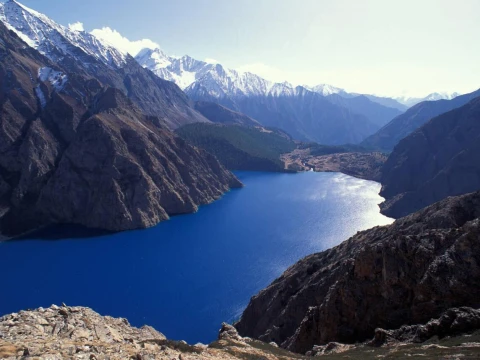
The Upper Dolpo Trek is one of Nepal’s most isolated and culturally rich adventures, leading trekkers into the hidden corners of western Nepal. This region lies far from mainstream trekking routes and preserves a unique Tibetan-influenced lifestyle that has remained intact for centuries. Along the journey, trekkers encounter dramatic landscapes, including arid valleys, deep gorges, and the mesmerizing turquoise waters of Phoksundo Lake, one of the most գեղեցous lakes in the Himalayas.A major spiritual highlight is a visit to Shey Gompa, an ancient monastery that holds deep religious significance for local communities. Organized by Mountain of Nepal, the trek spans around 24 days and includes careful acclimatization, making it both adventurous and culturally immersive. The route crosses high passes and remote villages, offering a rare glimpse into untouched Himalayan life.Highlights:Remote and restricted trekking regionUnique Tibetan Buddhist cultureStunning landscapes and high passesVisit sacred monasteries and villagesBest Season for Upper Dolpo TrekThe ideal seasons for the Upper Dolpo Trek are spring (April to June) and autumn (September to November). During these periods, the weather is generally stable with clear skies, allowing trekkers to enjoy uninterrupted mountain views and safe passage across high-altitude trails. Dolpo lies in a rain-shadow area, meaning it receives less rainfall compared to other regions of Nepal, making even monsoon trekking possible.Spring brings blooming wildflowers and moderate temperatures, creating vibrant scenery along the trails. Autumn is equally popular due to its crisp air and excellent visibility. Winter months, however, can be extremely harsh with heavy snowfall, especially at high passes, making trekking risky. Mountain of Nepal plans trips according to the best seasonal windows to ensure safety and an enjoyable experience.Best Time Summary:Spring: Blooming landscapes and mild weatherAutumn: Clear skies and best visibilityMonsoon: Possible due to dry conditionsWinter: Difficult and not recommendedUpper Dolpo Trek Difficulty and TransportationThe Upper Dolpo Trek is considered physically demanding due to its remote terrain, long duration, and high altitude. Trekkers often walk 5–7 hours daily, crossing passes above 5,000 meters such as Kang-La and Sela La. Proper acclimatization is essential to avoid altitude sickness, and prior trekking experience is highly beneficial for completing this journey comfortably.Transportation involves flights from Kathmandu to Nepalgunj, followed by another flight to Jhupal, where the trek begins. Weather conditions in remote areas can sometimes delay flights, so flexibility is important. Mountain of Nepal manages all logistics, including transport, guides, and safety measures, ensuring a well-organized trek.Difficulty Factors:High altitude and steep passesLong trekking daysRemote and limited infrastructureWeather-dependent travelFood and Accommodation for Upper Dolpo TrekAccommodation throughout the trek is a mix of basic teahouses and camping. In more remote sections, camping is necessary due to the lack of lodges. Teahouses provide simple rooms with shared facilities, while camping allows trekkers to explore deeper into isolated regions. Staying in local homes in some villages also offers a meaningful cultural experience.Meals are simple but nutritious, designed to fuel long trekking days. Common dishes include dal bhat, noodles, soups, potatoes, and Tibetan bread. Food options may be limited, but they are filling and hygienically prepared. Mountain of Nepal ensures proper meal planning and camping arrangements, prioritizing both safety and comfort throughout the journey.Food & Stay:A combination of teahouses and campingFreshly prepared, energy-rich mealsLimited but reliable food choicesWarm local hospitalityUpper Dolpo Trek PermitsUpper Dolpo is a restricted region, so special permits are required for trekking. Travelers must obtain a Restricted Area Permit (RAP) along with a Shey Phoksundo National Park entry permit. These permits help regulate tourism and protect the region’s fragile environment and cultural heritage.Permits can only be arranged through authorized trekking agencies like Mountain of Nepal. The cost is higher compared to other trekking areas, but it supports conservation and local communities. Proper documentation, including a valid passport and visa, is necessary before applying.Permit Requirements:Restricted Area Permit (Upper Dolpo)Shey Phoksundo National Park PermitBooking through a licensed agencyValid travel documentsWhy Choose Upper Dolpo TrekThe Upper Dolpo Trek offers a truly off-the-beaten-path experience, perfect for those seeking solitude and authenticity. Unlike crowded trekking regions, Dolpo provides peaceful trails, untouched landscapes, and a deep connection with nature and culture. It is an ideal choice for adventurers looking for something unique and less commercialized.With Mountain of Nepal, trekkers benefit from expert guidance, detailed planning, and strong safety standards. Their local knowledge ensures smooth logistics and meaningful cultural interactions. This trek is not just a physical journey but a profound exploration of Himalayan heritage and spirituality.Why Choose This Trek:Remote and less crowded destinationRich cultural and spiritual experienceProfessional support from Mountain of NepalUnique landscapes and authentic adventure
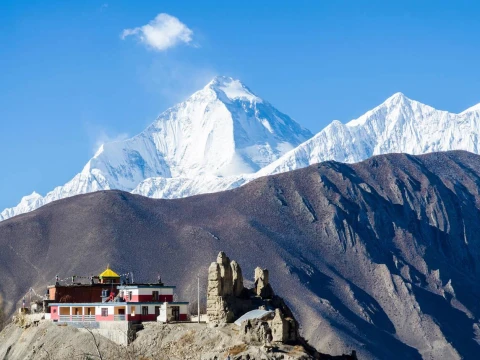
The Dhaulagiri Circuit Trek is one of Nepal’s most remote and challenging trekking routes, circling the majestic Dhaulagiri (8,167m), the seventh-highest mountain in the world. Unlike more commercialised trails such as Everest or Annapurna, this trek offers a raw and untouched Himalayan experience. Starting from Kathmandu, the journey takes you through traditional villages, dense forests, alpine meadows, glaciers, and high mountain passes, ultimately forming a complete circuit around the Dhaulagiri massif.What makes this trek truly special is its diversity. You begin in lush subtropical valleys and gradually ascend into rugged glacial terrain, crossing high passes like French Col and Dhampus Pass. The trek combines cultural immersion with extreme wilderness, giving trekkers a rare opportunity to experience both the human and natural aspects of Nepal’s Himalayas. The involvement of an experienced company like Mountain of Nepal ensures safety, logistics management, and a well-organised adventure.Remote and less crowded trekking routeCrossing high passes above 5,000mStunning glacier and mountain viewsAuthentic local culture and villagesBest Season for Dhaulagiri Circuit TrekThe best time to undertake the Dhaulagiri Circuit Trek is during the spring (March to May) and autumn (September to November) seasons. During these months, the weather is generally stable, the skies are clear, and the mountain views are at their best. Spring brings blooming rhododendron forests, while autumn offers crisp air and excellent visibility after the monsoon rains.Winter (December to February) is not ideal due to heavy snowfall and extreme cold, especially at higher elevations like French Col. Similarly, the monsoon season (June to August) brings heavy rain, landslides, and poor visibility, making trekking conditions difficult and sometimes unsafe. Choosing the right season is crucial for both safety and enjoyment, and Mountain of Nepal carefully plans itineraries around optimal weather windows.Best seasons summary:Spring: Blooming forests and moderate temperaturesAutumn: Clear skies and best mountain visibilityAvoid: Monsoon and winter for safety reasonsDhaulagiri Circuit Trek Difficulty and TransportationThe Dhaulagiri Circuit Trek is considered strenuous to extremely challenging, suitable only for experienced trekkers with strong physical fitness. The trek involves long walking days, steep ascents and descents, glacier crossings, and high-altitude passes exceeding 5,000 meters. Acclimatisation days are essential to prevent altitude sickness, and trekkers must be mentally prepared for remote conditions with limited facilities.Transportation plays a key role in the journey. The trek begins with a long drive from Kathmandu to Beni and then to Tatopani or Muri. Roads can be rough and winding, requiring patience. After the trek, a scenic drive to Pokhara offers a comfortable transition back to urban life. Mountain of Nepal arranges all logistics, including vehicles, guides, and porters, ensuring a smooth experience.Difficulty factors:High altitude (above 5,000m)Glacier and moraine trekkingLong trekking daysRemote and isolated trailsFood and Accommodation for Dhaulagiri Circuit TrekFood and accommodation vary greatly throughout the trek. In lower regions, trekkers stay in teahouses or lodges that provide basic yet comfortable rooms and meals such as dal bhat, noodles, soups, and tea. As you ascend into remote areas, especially beyond Muri, camping becomes necessary due to the absence of permanent settlements.During the camping phase, Mountain of Nepal provides a full support team including cooks, guides, and porters. Freshly prepared meals are served in tents, ensuring proper nutrition at high altitudes. While the facilities are basic, the experience of camping in remote Himalayan landscapes adds to the adventure.What to expect:Teahouses in the lower regionsTent camping in remote areasNutritious meals prepared by trekking staffLimited amenities at higher altitudesDhaulagiri Circuit Trek PermitsTrekking in the Dhaulagiri region requires several permits due to its restricted and protected status. The most important is the Restricted Area Permit (RAP), which is mandatory for sections of the trail. In addition, trekkers need an Annapurna Conservation Area Permit (ACAP) since parts of the route fall within this conservation zone.All permits are arranged by Mountain of Nepal, ensuring that trekkers comply with government regulations. Carrying proper documentation is essential, as checkpoints are present along the trail. These permits help preserve the environment and support local communities.Required permits:Restricted Area Permit (RAP)Annapurna Conservation Area Permit (ACAP)Valid passport and visaWhy Choose Dhaulagiri Circuit TrekChoosing the Dhaulagiri Circuit Trek means opting for adventure in its purest form. Unlike popular trekking routes, this trail offers solitude, untouched landscapes, and a deeper connection with nature. It is ideal for trekkers seeking a challenge beyond the ordinary and wanting to explore Nepal’s hidden Himalayan gems.With the Mountain of Nepal, the experience becomes safer and more organised. Their expertise in high-altitude trekking, experienced guides, and well-planned itineraries ensure that trekkers can focus on the journey rather than logistics. From cultural encounters to breathtaking mountain views, this trek delivers a truly unforgettable experience.Why this trek stands out:Off-the-beaten-path adventureStunning views of the Dhaulagiri massifHigh-altitude challenge for experienced trekkersProfessional support from Mountain of Nepal
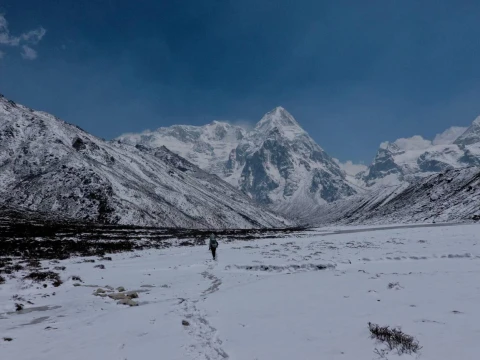
The Kanchenjunga Circuit Trek is one of the most remote, adventurous, and culturally rich trekking experiences in eastern Nepal. Organised by Mountain of Nepal, this journey explores the majestic landscapes surrounding the world’s third-highest peak, Mt. Kanchenjunga (8,586m). The route combines both the North Base Camp (Pangpema) and South Base Camp (Oktang), offering a complete circuit of the Kanchenjunga Conservation Area.This 23-day itinerary begins with your arrival in Kathmandu, followed by a scenic flight to Bhadrapur and a drive to Ilam and Taplejung—the gateway to the eastern Himalayas. From Taplejung, the trekking route gradually ascends through lush forests, traditional Limbu and Rai villages, river valleys, and high alpine terrain before reaching the glacier-filled base camps.Throughout the journey, trekkers experience untouched natural beauty, rare wildlife such as red pandas and Himalayan black bears, and deep cultural immersion in isolated mountain communities.Exploration of both North & South Kanchenjunga Base CampsRemote and less-crowded Himalayan trekking routeRich Limbu, Rai, and Tibetan-influenced culturesDiverse landscapes: subtropical forests to icy glaciersManaged and guided an expedition in the mountains of NepalThis trek is ideal for adventure seekers looking for a raw and authentic Himalayan experience far from commercial trekking routes.Best Season for Kanchenjunga Circuit TrekThe best time to undertake the Kanchenjunga Circuit Trek is during the pre-monsoon (spring) and post-monsoon (autumn) seasons. These periods provide the most stable weather conditions, clear mountain views, and safe trekking trails. Mountain of Nepal recommends planning the journey between March and May, and September and November.During spring, the trail becomes vibrant with blooming rhododendrons, lush greenery, and moderate temperatures, making it ideal for photography and comfortable trekking. Autumn, on the other hand, offers crystal-clear skies, excellent visibility of Mt. Kanchenjunga, and stable weather conditions after the monsoon rains.Winter trekking is possible but extremely challenging due to heavy snowfall at higher elevations like Ghunsa, Lhonak, and Sele La. Similarly, the monsoon season (June to August) brings heavy rainfall, landslides, and slippery trails, making trekking difficult and risky.Seasonal breakdown:Spring (Mar–May): Best for flowers, mild weatherAutumn (Sep–Nov): Best for clear views and stabilityWinter (Dec–Feb): Extreme cold, snow-blocked trailsMonsoon (Jun–Aug): Wet, risky, and less recommendedChoosing the right season ensures safety, comfort, and the best Himalayan experience on this remote trekking route.Kanchenjunga Circuit Trek Difficulty and TransportationThe Kanchenjunga Circuit Trek is considered a challenging and physically demanding expedition, suitable for experienced trekkers with good fitness levels. The itinerary involves long walking days, high altitude ascents, and remote trail conditions where modern infrastructure is extremely limited.Trekkers walk for 5–8 hours daily through steep ascents, rocky terrain, suspension bridges, and isolated mountain paths. Altitudes exceed 5,100 meters at Kanchenjunga North Base Camp, increasing the risk of altitude sickness if proper acclimatisation is not followed. That is why rest and acclimatisation days in Ghunsa and Kambachen are included in the itinerary.Transportation is a combination of flights, drives, and trekking:Flight from Kathmandu to BhadrapurScenic drive to Ilam and TaplejungOff-road jeep transfers were requiredContinuous trekking from Taplejung onwardKey difficulty factors:High altitude exposure above 5,000mRemote and less-developed trekking trailsLong trekking durations dailyLimited emergency evacuation optionsCold temperatures in the upper regionsDespite its difficulty, the trek is well-managed by Mountain of Nepal, ensuring safety through experienced guides, proper acclimatisation planning, and emergency preparedness.Food and Accommodation for Kanchenjunga Circuit TrekFood and accommodation during the Kanchenjunga Circuit Trek are basic but sufficient for maintaining energy and comfort throughout the journey. Since the route passes through remote villages, lodging is primarily in tea houses and local homestays operated by mountain communities.Rooms are usually twin-sharing with simple bedding facilities such as blankets and mattresses. As altitude increases, especially in places like Ghunsa, Kambachen, and Lhonak, accommodations become more basic due to limited infrastructure.Meals are freshly prepared by local tea houses and typically include Nepali and Tibetan-inspired dishes. The mountain of Nepal ensures hygienic food arrangements throughout the trek.Common food options include:Dal Bhat (rice, lentils, vegetables)Noodles, pasta, and fried riceTibetan bread and pancakesSoups (garlic soup is recommended for altitude)Tea, coffee, and hot beveragesImportant notes:Vegetarian meals are widely availableMeat is limited and not recommended at higher altitudesSafe drinking water is provided via boiled or purified sourcesFood variety decreases at higher elevationsAlthough simple, the hospitality of local communities adds warmth and authenticity to the trekking experience.Kanchenjunga Circuit Trek PermitsThe Kanchenjunga region is a restricted trekking area, requiring special permits issued by the Government of Nepal. Mountain of Nepal handles all necessary documentation to ensure a smooth trekking process.To complete the trek legally, the following permits are required:Kanchenjunga Conservation Area Permit (KCAP)Restricted Area Permit (RAP)TIMS Card (Trekkers Information Management System)Important regulations:A minimum of two trekkers is required for the restricted permitA registered trekking guide is mandatoryPermits must be arranged through a licensed trekking agency like Mountain of NepalPermit checks are conducted at multiple checkpoints along the routeThese permits help preserve the biodiversity of the Kanchenjunga Conservation Area, which is home to rare species such as snow leopards, red pandas, and Himalayan pheasants.Proper permit management ensures:Legal entry into restricted regionsEnvironmental conservation supportSafety monitoring of trekking groupsControlled tourism in sensitive ecosystemsWithout proper permits, trekking in this region is strictly prohibited.Why Choose the Kanchenjunga Circuit TrekThe Kanchenjunga Circuit Trek stands out as one of Nepal’s most rewarding yet least crowded trekking experiences. Choosing this route with Mountain of Nepal guarantees a professionally guided, safe, and deeply immersive Himalayan adventure.Unlike popular routes such as Everest or Annapurna, Kanchenjunga offers raw wilderness, fewer tourists, and authentic cultural encounters. It is perfect for trekkers seeking solitude, challenge, and untouched natural beauty.Reasons to choose this trek:Complete circuit of both North & South Base CampsLess crowded, peaceful trekking environmentRich biodiversity within the Kanchenjunga Conservation AreaDeep cultural experience with the Limbu and Rai communitiesStunning views of Mt. Kanchenjunga and surrounding peaksProfessionally organised by Mountain of NepalAdditional benefits:High level of adventure and explorationOpportunity to experience remote Himalayan lifePerfect for experienced trekkers seeking a challengeStrong cultural and ecological immersionThis trek is not just a journey—it is a full expedition into one of the most remote and majestic corners of Nepal.
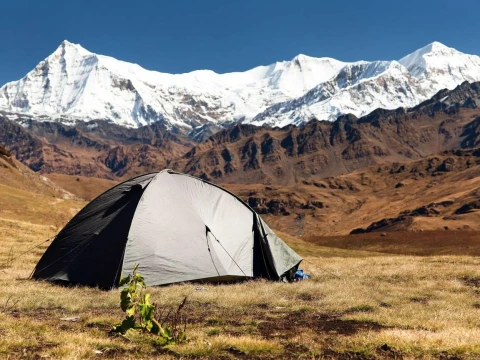
The Churen Himal Base Camp Trek is one of the most remote and least explored trekking routes in western Nepal, offering an authentic Himalayan wilderness experience. Organised by Mountain of Nepal, this trek takes adventurers far away from crowded trails into the pristine landscapes of the Dhaulagiri region. The journey combines cultural immersion, high-altitude trekking, and breathtaking views of untouched mountain ranges, including Churen Himal, Dhaulagiri massif, and surrounding peaks. Unlike commercial trekking routes such as Everest or Annapurna, this trail provides a raw and pure experience of nature and traditional mountain life.The trek typically begins with a drive from Kathmandu to Pokhara and continues toward Darbang, the gateway to the trekking region. From there, trekkers gradually ascend through traditional Magar and Gurung villages, dense forests, alpine meadows, and remote high-altitude kharkas (pasturelands). The highlight is reaching Churen Himal Base Camp, where trekkers stand at the foot of massive glaciers and snow-covered peaks in complete solitude.This trek is ideal for those seeking adventure beyond mainstream routes. It requires physical endurance but rewards trekkers with unmatched serenity and cultural authenticity. With expert guidance from Mountain of Nepal, trekkers are supported with safety, logistics, and local expertise throughout the journey.Remote and less crowded trekking routeStunning views of Churen Himal and the Dhaulagiri rangeRich Magar and Gurung cultural experienceWilderness camping and teahouse combinationOrganised support by Mountain of NepalBest Season for Churen Himal Base Camp TrekThe best time to undertake the Churen Himal Base Camp Trek is during the spring (March to May) and autumn (September to November) seasons. These periods offer the most stable weather conditions, clear skies, and excellent mountain visibility. According to Mountain of Nepal, these months are ideal for both photography and safe trekking in high-altitude regions.During spring, the trails are beautifully decorated with blooming rhododendrons and lush greenery. The temperature is moderate, making long trekking days more comfortable. Wildlife sightings are also more common during this time. In autumn, the weather is crisp and stable after the monsoon season, offering crystal-clear mountain views and dry trekking trails. This is also the most popular trekking season in Nepal.Winter (December to February) is extremely cold in the higher regions, and snowfall may block some parts of the trail. Similarly, the monsoon season (June to August) brings heavy rain, landslides, and slippery paths, making trekking more challenging and less safe.Best Season Highlights:Spring: Blooming rhododendrons, mild temperaturesAutumn: Clear skies, best mountain visibilityWinter: Extremely cold, limited accessibilityMonsoon: Rainy, risky trailsRecommended by Mountain of Nepal: Spring & AutumnChuren Himal Base Camp Trek Difficulty and TransportationThe Churen Himal Base Camp Trek is considered a moderate to challenging trek due to its remote location, long walking days, and high-altitude terrain. While it does not require technical climbing skills, trekkers must be physically fit and prepared for steep ascents, rugged trails, and basic facilities. The altitude gradually increases, reducing the risk of acute altitude sickness when properly acclimatised under the supervision of Mountain of Nepal guides.The trekking route involves 5–8 hours of walking per day through forests, ridges, and alpine landscapes. Some sections are isolated, requiring camping support and self-sufficient preparation. However, the gradual ascent helps trekkers adapt naturally to altitude changes. Proper gear, mental preparation, and fitness training are highly recommended.Transportation plays an important role in this trek. The journey starts with a flight or drive to Pokhara, followed by a long jeep ride to Darbang. From there, the trekking route begins on foot. After completing the trek, travellers return via the same route back to Pokhara and Kathmandu.Difficulty & Transport Highlights:Moderate to challenging trekking level5–8 hours walking dailyRemote and rugged terrainJeep drive from Pokhara to DarbangManaged logistics by Mountain of NepalNo technical climbing requiredFood and Accommodation for Churen Himal Base Camp TrekFood and accommodation during the Churen Himal Base Camp Trek vary depending on the altitude and remoteness of the location. In lower villages like Darbang, Takam, and Lumsang, trekkers stay in basic teahouses or homestays run by local families. As you ascend higher, especially beyond Gurja Kharka, accommodation shifts to tented camps arranged by Mountain of Nepal.Meals in lower regions include traditional Nepali food such as dal bhat (rice, lentils, and vegetables), noodles, soups, and seasonal vegetables. As altitude increases, food options become simpler due to transportation limitations. The trekking crew ensures hygienic, energy-rich meals to support high-altitude trekking demands. Hot drinks like tea, coffee, and soups are regularly provided to maintain warmth and hydration.Camping at higher elevations includes organised tents, sleeping bags, and basic kitchen setups. The team ensures safe, clean, and warm sleeping arrangements even in remote areas. Although facilities are basic compared to urban standards, the experience of staying in the untouched Himalayan wilderness is highly rewarding.Food & Accommodation Highlights:Teahouse stays in the lower villagesCamping in high-altitude regionsFreshly cooked Nepali mealsHot drinks provided dailyHygienic food preparation by the Mountain of Nepal crewBasic but comfortable trekking facilitiesChuren Himal Base Camp Trek PermitsTo complete the Churen Himal Base Camp Trek, several trekking permits are required, as the route passes through protected and rural conservation areas. These permits are arranged in advance by Mountain of Nepal, ensuring a hassle-free trekking experience for participants.The main permits include the Annapurna Conservation Area Permit (ACAP) or regional conservation permits, depending on the exact route, and the Trekkers’ Information Management System (TIMS) card. Since the region is remote and less commercialised, additional local permits from village municipalities may also be required.These permits help support conservation efforts, maintain trail infrastructure, and contribute to local community development. Trekkers are advised not to carry out the process independently, as regulations may change depending on regional authorities. With Mountain of Nepal, all necessary documentation is handled professionally before the trek begins.Permit Highlights:ACAP or regional conservation permitsTIMS card requiredLocal municipality permitsSupports conservation and community developmentFully arranged by Mountain of NepalEnsures a legal and safe trekking experienceWhy Choose Churen Himal Base Camp TrekThe Churen Himal Base Camp Trek is one of Nepal’s hidden gems, offering an unmatched combination of adventure, isolation, and cultural richness. Unlike popular trekking routes, this journey allows trekkers to experience the untouched Himalayan wilderness without crowds. It is perfect for those who seek solitude, raw nature, and authentic village interactions.Choosing this trek with Mountain of Nepal ensures professional guidance, safety, and local expertise. Their experienced guides understand the terrain, weather conditions, and cultural aspects of the region, making the journey safe and enriching. The trek also provides opportunities to interact with Magar and Gurung communities, experience traditional lifestyles, and explore high alpine landscapes rarely visited by outsiders.Another major reason to choose this trek is its diversity. From lush green hills to snow-covered base camps, trekkers experience dramatic changes in landscape throughout the journey. The sense of achievement upon reaching Churen Himal Base Camp is unforgettable.Why Choose Highlights:Off-the-beaten-path adventureLess crowded and peaceful trailsRich cultural interaction with localsStunning Himalayan sceneryExpert support from Mountain of NepalUnique and rewarding trekking experience
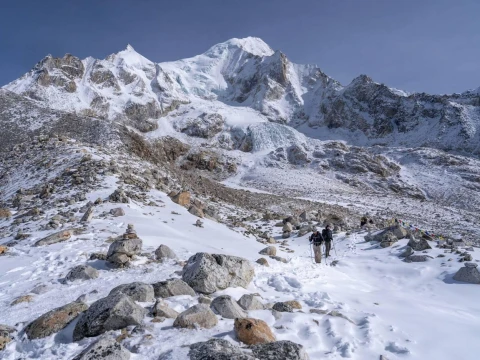
This isolated region opened its doors to trekkers in 1992. The trek offers stunning mountain vistas, serene Buddhist villages near the Tibetan border, and a blend of both Hindu and Buddhist cultures and landscapes. The journey starts in the lower altitudes of lush foothills and gradually ascends to rugged, high-altitude terrain. We'll trek along an ancient salt-trading route beside the mighty Budhi Gandaki river for several days. After passing through Lho village, we'll enter the Nupri region, where Tibetan immigrants have settled. Here, the landscape comes alive with colorful Buddhist prayer flags, ancient mani walls, and tranquil monasteries. The Manaslu region is a special place for endangered animals like snow leopards and red pandas. Keep an eye out for them, along with other wildlife, during your trek. We might get lucky and see them in their natural habitat. Along the way, we'll catch sight of ten peaks, some over 7,000 meters, all towering above 6,500 meters. One of them is mighty Manaslu (8,163), the seventh highest mountain in the world. Our highest overnight stop is at the foot of the Larkya La, at 4,460 meters, and the highest point we reach is the majestic Larkya La Pass (5,160 meters). This impressive pass is surrounded by towering peaks and offers outstanding vistas in every direction of the Himalaya. After successfully crossing Larkya La, we'll descend into the lush, forested Marsyangdi River valley and complete our rewarding circuit of Manaslu on the bustling route of the Annapurna circuit.
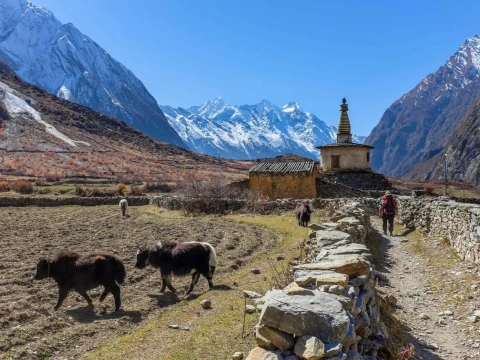
Discover the hidden gem of Tsum Valley, nestled in the northern part of Manaslu along the Nepal-Tibet border. Immerse yourself in the colorful and diverse world of Tibetan culture, ancient traditions, and captivating art. This sacred land opened its doors to trekkers in 2008, providing a rare chance to explore a world still untouched by mainstream tourism. Since 1920, the upper Tsum region has been protected as a Shyakya (non-sacrificing area) by local Buddhist communities, strictly forbidding activities like hunting, wildlife disturbance, and honey collection. Following this admirable tradition, the lower Tsum region was declared a non-sacrificing area, establishing a tranquil sanctuary in 2012. The valley is inhabited by nuns, monks, and the indigenous Tsum people, offering a unique cultural experience. Discover Tibetan-style villages , numerous monasteries, sacred caves, breathtaking landscapes, deep gorges, and rivers fed by glaciers. Observe the enduring practice of polyandry marriage, a tradition that maintains economic stability by keeping land and property undivided among brothers. This serene valley provides a safe refuge for wildlife, including the renowned blue sheep, Himalayan Thar, and various other animals. The Tsum Valley trek offers awe-inspiring vistas of Manaslu, Ganesh Himal, Sringi Himal, Himal Chuli, and Boudha Himal ranges for a magical mountain experience. If you're seeking an extraordinary adventure, consider combining the Tsum Valley trek with the renowned Manaslu Circuit, crossing Larkya pass starting from Macchakhola and concluding in Dharapani, or extend your adventure to the Annapurna Circuit, crossing the world-famous Thorang La or Mesokanta La pass before reaching your ending point in Jomsom. The trek meanders through low land of Hindu villages, lush greenery, pine and rhododendron forests and and up into the picturesque Tsum Valley. Along the journey, we find welcoming guesthouses or unique homestays, ensuring a comfortable trek without the need for camping. Come, be a part of this extraordinary journey in the heart of the Himalayas
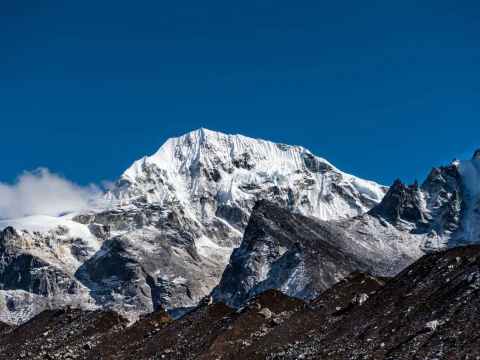
The Kanchenjunga Circuit Trek is one of Nepal’s last true expedition-style Himalayan journeys — physically demanding, isolated, and deeply rewarding. Compared to the more commercial trekking regions of Everest, Annapurna, and Langtang, the trails around Kanchenjunga remain wild, secluded, and largely untouched by modern development. This route explores both the North and South Base Camps of the world’s third-highest mountain, passing through ancient forests, glacial valleys, Tibetan Buddhist villages, and some of the most dramatic alpine scenery in the Himalayas. The Kanchenjunga Base Camp trek begins in Bhadrapur (91 m) in Nepal’s lowlands and gradually ascends through Himalayan valleys to Pangpema (5,143 m), the North Base Camp of Mount Kanchenjunga. From Kathmandu, the journey continues with a flight to Bhadrapur, followed by an overland drive through the tea-covered hills of Ilam into the mountain district of Taplejung. From Suketar, rugged jeep roads descend into the deep Tamur River valley before the trekking route enters the isolated Ghunsa Valley. As elevation increases, the landscape transforms dramatically. Subtropical forests give way to alpine terrain, glacial moraines, and towering Himalayan peaks. Traditional settlements such as Ghunsa and Khambachen offer rare insight into Tibetan-influenced mountain culture, where prayer flags, monasteries, yak pastures, and centuries-old traditions remain an essential part of daily life.The northern section reaches Pangpema, also known as Kanchenjunga North Base Camp, where massive glaciers and the towering north face of Kanchenjunga dominate the horizon. This high-altitude wilderness feels more like a true Himalayan expedition than a standard trekking route, with moraine trails, glacial terrain, and vast mountain panoramas in every direction. Crossing into the southern circuit, the route traverses high Himalayan passes including Sele La, Mirgin La, and Sinelapche La. These exposed crossings provide sweeping views of Jannu, Makalu, Baruntse, and the greater Kanchenjunga massif. The journey then continues into the Yalung Valley toward Kanchenjunga South Base Camp at Oktang, where dramatic ice walls and glacial formations create one of the finest viewpoints in Nepal. Beyond the high mountains, the trail descends through rhododendron forests, traditional Limbu villages, terraced hillsides, and peaceful river valleys. The final days reveal the cultural diversity of eastern Nepal, where Limbu, Rai, Sherpa, and Gurung communities continue to preserve authentic Himalayan lifestyles far from the main trekking corridors. This Kanchenjunga trekking experience is ideal for experienced trekkers seeking a challenging Himalayan adventure away from crowded routes. The combination of high mountain passes, glacier landscapes, cultural immersion, and untouched wilderness makes it one of the most rewarding long-distance treks in Nepal. With basic lodges, long walking days, and demanding altitude conditions, the journey offers a true expedition atmosphere from start to finish — a rare experience in the modern Himalayas.
Feel free to inquire, and together, we'll design the perfect journey to suit your preferences and desires.


 (2)
(2)  100% recommend (0)
 (0)
(0)