The Gosaikunda Trek is one of Nepal’s most scenic and culturally rich Himalayan adventures. Located in the Langtang region, the trek takes you through lush forests, alpine meadows, and high-altitude settlements, culminating at the sacred Gosaikunda Lake (4,380 m). Along the way, trekkers cross the challenging Laurebina La Pass (4,650 m) and enjoy breathtaking panoramic views of the Langtang, Ganesh Himal, and Jugal Himal ranges.
The journey begins with a scenic drive from Kathmandu to Dhunche, following the Trishuli River, winding through terraced farmland, forested hills, Langtang National Park, and small mountain settlements. From Dhunche, the trek gradually ascends through Tamang and Hyolmo villages, alpine forests, and open meadows. Highlights include Cholangpati, a serene mountain settlement at 3,650 m, the hilltop village of Chisapani, and the vibrant traditional communities of Kutumsang and other settlements along the trail. The trek is a perfect mix of natural beauty, cultural experiences, and moderate adventure. Along the way, you’ll see colorful prayer flags, mani walls, grazing yaks, and blooming alpine flowers, while enjoying peaceful high-altitude landscapes. The journey also offers opportunities for photography, wildlife spotting, and immersion in Nepal’s unique Himalayan culture.
Ideal for both beginner and intermediate trekkers, the Gosaikunda Trek provides a balance of manageable physical challenge, spiritual experiences, and awe-inspiring scenery. After completing the trek, you return to Kathmandu, often with an optional reserve or sightseeing day, making the journey a memorable combination of adventure, culture, and relaxation.
The best seasons for the Gosaikunda Lake Trek are spring (March–May) and autumn (September–November). During these months, the weather is stable, the skies are clear, and the mountain visibility is excellent. Spring brings blooming rhododendrons, while autumn offers crisp air and unobstructed Himalayan views.
Winter trekking (December–February) is possible but challenging due to heavy snowfall near Lauribina La Pass and freezing temperatures at higher altitudes. Monsoon season (June–August) is generally avoided because of landslides, slippery trails, and limited visibility.
In high-altitude areas like Gosaikunda Lake, the weather can change quickly, so proper preparation is essential regardless of the season.
Season Highlights:
For the safest and most scenic experience, Mountain of Nepal strongly recommends spring and autumn departures.
The Gosaikunda Lake Trek is considered moderate to moderately challenging. While no technical climbing is required, the trek involves steep ascents, long walking days, and high-altitude conditions above 4,000 meters. The crossing of Lauribina La Pass (4,610 m) is the most demanding section due to altitude and weather exposure.
The journey begins with a drive from Kathmandu to Dhunche, followed by multiple trekking days through ascending terrain. Acclimatization is crucial to avoid altitude sickness.
Transportation Overview:
Difficulty Factors:
Quick Points:
With guidance from Mountain of Nepal, trekkers receive professional support, making the journey safer and more manageable.
Food and accommodation along the Gosaikunda Lake Trek are provided in traditional teahouses and local lodges. These are basic but comfortable mountain accommodations run by local families. Rooms typically include twin beds, blankets, and shared bathroom facilities.
Meals are freshly prepared and usually consist of local Nepali dishes such as dal bhat (rice and lentils), noodles, soups, potatoes, eggs, and seasonal vegetables. As altitude increases, menu options become simpler due to limited supply.
Mountain of Nepal ensure trekkers receive hygienic meals and reliable lodging throughout the journey.
Accommodation Highlights:
Food Options:
Key Points:
The experience reflects authentic Himalayan hospitality, giving trekkers a cultural connection with local communities.
To complete the Gosaikunda Lake Trek, trekkers must obtain specific permits required for entry into the protected areas of Nepal. These permits are essential for conservation, safety, and regulation of trekking activities in the Langtang region.
Mountain of Nepal handles all necessary permit arrangements, ensuring a smooth and hassle-free trekking experience.
Required Permits:
These permits are checked at various entry points along the route, including Dhunche and trail checkpoints.
Key Information:
Short List:
With proper documentation managed by Mountain of Nepal, trekkers can focus entirely on enjoying the journey without administrative stress.
Choosing the Gosaikunda Lake Trek with Mountain of Nepal ensures a well-organized, safe, and enriching Himalayan adventure. Their experienced guides provide professional support, cultural insight, and safety management throughout the journey.
This trek is not only about reaching Gosaikunda Lake but also about experiencing the natural beauty, local culture, and spiritual atmosphere of the Himalayas.
Why Choose This Trek:
Advantages of Mountain of Nepal:
Key Points:
With Mountain of Nepal, trekkers enjoy a stress-free journey from Kathmandu to the sacred waters of Gosaikunda Lake, making it a memorable Himalayan adventure.
Arrive in Kathmandu, the bustling capital of Nepal, nestled in the Kathmandu Valley. After clearing customs and transferring to your hotel, take time to rest and adjust to the altitude. If you arrive early, explore Thamel, the city’s vibrant tourist hub, with colorful streets, handicraft shops, cafes, and local markets. Kathmandu is steeped in culture, offering iconic sites such as Swayambhunath (the Monkey Temple) and Pashupatinath Temple, blending history, religion, and traditional Newar architecture.In the evening, attend a trek briefing covering essentials like gear, trail conditions, safety measures, and altitude acclimatization tips. This preparation ensures a smooth start to the Langtang Gosaikunda trek. Overnight stay is at a comfortable hotel in Kathmandu, with warm meals and Himalayan hospitality, setting the tone for the adventure ahead.
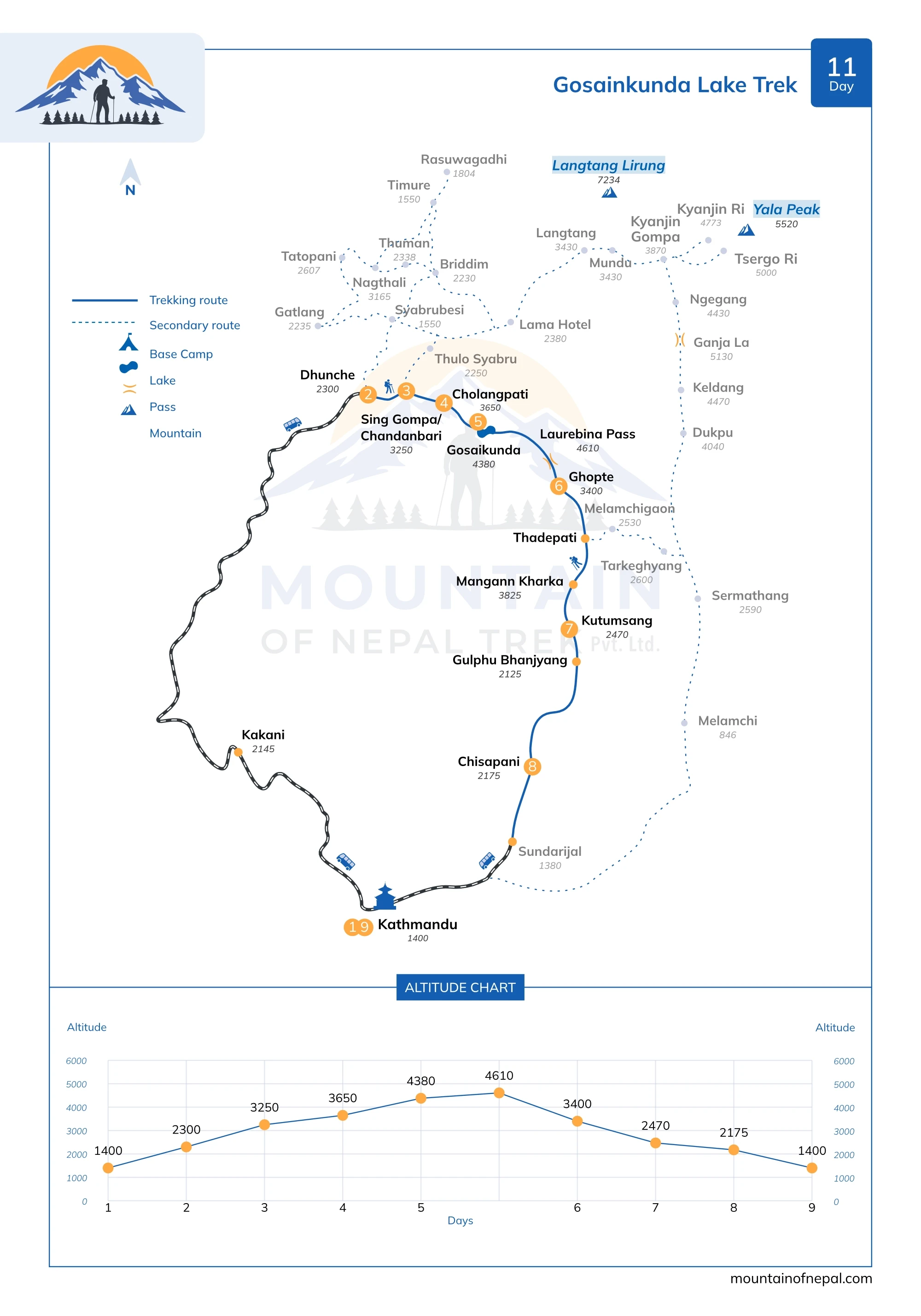
After breakfast in Kathmandu, embark on a scenic drive to Dhunche, the administrative center of Rasuwa District and gateway to the Langtang-Helambu region. The journey takes 7–8 hours along winding roads that follow the Trishuli River, passing terraced fields, forested hills, and small traditional towns. This gradual transition from the bustling Kathmandu Valley to the serene Himalayan landscapes offers ample photo opportunities, from suspension bridges to rivers and hillside villages. Dhunche itself is a charming mountain town surrounded by pine-clad hills, offering spectacular views of the Langtang range on clear days. It provides a first glimpse into rural Himalayan life and serves as the last stop to rest, acclimatize, and prepare for the trek ahead. Evenings in Dhunche are peaceful, perfect for enjoying a warm meal and taking in the surrounding mountains. Overnight stay at a comfortable lodge in Dhunche, marking the beginning of your Himalayan adventure.
The trek from Dhunche is a scenic and rewarding ascent through forested hills, marking the beginning of your journey toward Gosaikunda. The trail starts with a gentle descent to Ghatte Khola, where you cross a suspension bridge before beginning a steady uphill climb.From here, the path ascends through dense forests of oak, pine, and rhododendron, offering a peaceful trekking experience rich in natural beauty. The climb continues to Deurali (2,670 m), a common lunch stop that provides beautiful views of the surrounding hills and valleys. Along the way, you may pass small settlements like Dhimsa, where glimpses of local Tamang life and traditional mountain culture can be observed. As you gain elevation, the air becomes cooler and the landscape more alpine. The trail remains well-defined but steadily uphill, requiring a comfortable walking pace. Keep an eye out for wildlife such as langurs and Himalayan birds, while prayer flags and small shrines along the route add a spiritual touch to the journey. After several hours of gradual ascent, you reach Singgompa (also known as Chandanbari), a quiet mountain settlement surrounded by forest. The area is famous for its local yak cheese factory, where you can sample fresh Himalayan cheese. On clear days, you may also enjoy views of Langtang Lirung and nearby peaks. Singgompa offers comfortable tea houses and a peaceful atmosphere, making it an ideal place to rest and acclimatize. This trek section combines scenic forest trails, cultural encounters, and steady altitude gain, providing a perfect introduction to trekking in the Langtang and Gosaikunda region.
Today’s trek is moderate but rewarding, combining forest trails and alpine scenery. Starting from Sing Gompa, the trail ascends about 400 m over 6–7 km through pine, rhododendron, and oak forests. Mani walls and prayer flags line the path, leading to the peaceful hamlet of Cholangpati. Cholangpati offers cozy tea houses and stunning sunrise and sunset views of Langtang Lirung (7,227 m), Langtang Ri (7,205 m), and the Ganesh Himal range. On exceptionally clear days, distant peaks of Manaslu and Annapurna are visible. After lunch, a short acclimatization hike to nearby hills is recommended. This gentle uphill walk helps the body adjust to thinner air, improves circulation, and reduces the risk of altitude sickness. The hills also provide excellent photography opportunities. Spending the night at Cholangpati ensures trekkers are well-rested and physically prepared for the upcoming Lauribina La Pass (4,650 m). Evening can be spent enjoying the serene mountain environment and reflecting on the surrounding scenery. Overnight is at a tea house with warm meals and Himalayan hospitality.
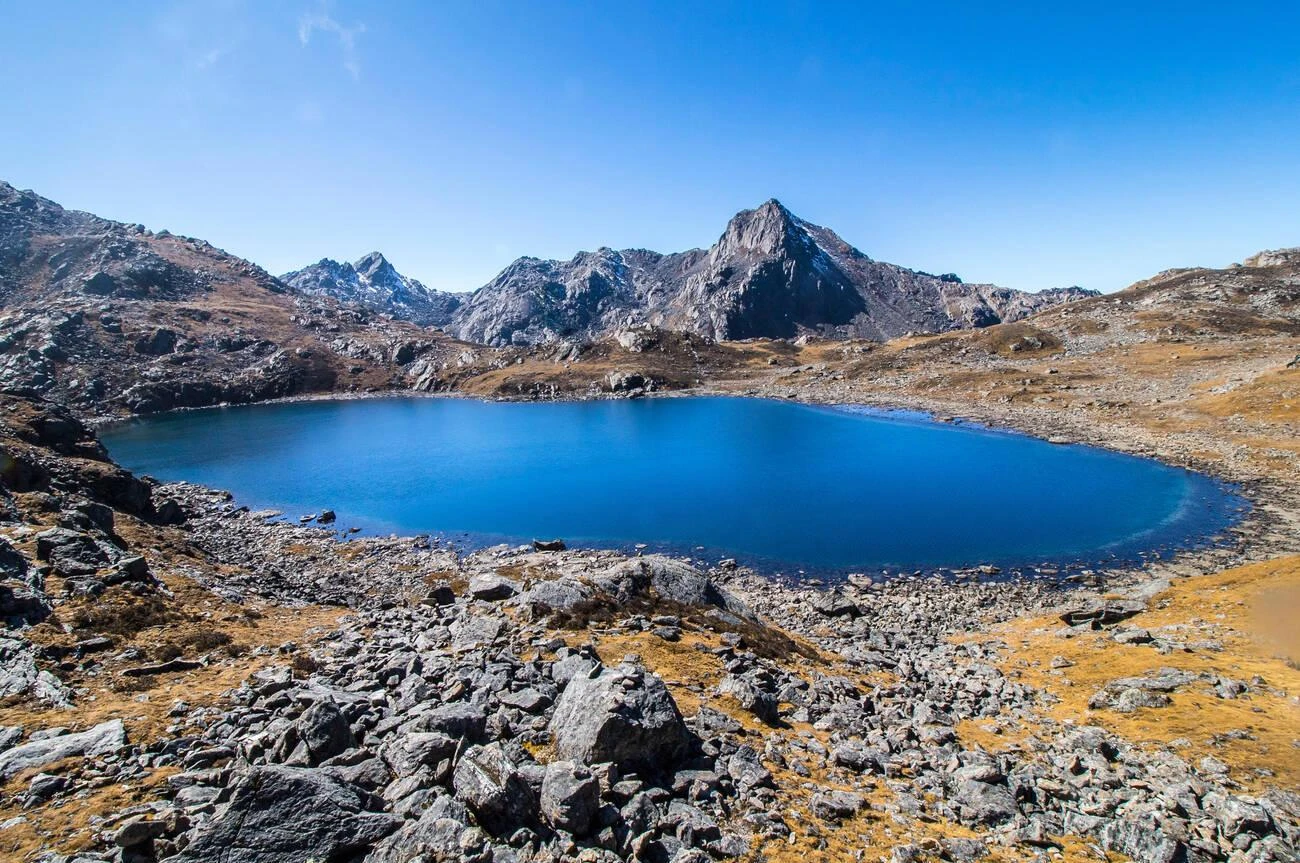
A shorter day today ensures proper acclimatization as you trek higher into the Himalayas. The trail climbs steadily through alpine terrain toward Gosaikunda Lake, a sacred site in both Hinduism and Buddhism The lake is set against snow-capped peaks, creating a serene and spiritual atmosphere. According to legend, Lord Shiva created Gosaikunda by striking a glacier with his trident to drink water after consuming poison that could have destroyed the world. Every year, during the full moon in August, Hindu and Buddhist pilgrims visit the lake for worship and ritual bathing, making it a culturally significant stop on the Langtang Gosaikunda trek. The trail today passes through rocky alpine paths, sparse vegetation, and occasional snowfields, with panoramic views of surrounding peaks including Langtang Lirung and Ganesh Himal. Optional short hikes near the lake help trekkers acclimatize while providing additional viewpoints. Overnight is at a cozy tea house near Gosaikunda Lake, surrounded by peaceful alpine landscapes, where trekkers can rest and prepare for the challenging pass crossing tomorrow.
Today is one of the most challenging and rewarding days of the Langtang Gosaikunda trek, as you cross the high-altitude Laurebina La Pass at 4,650 m. After breakfast, the trail ascends steadily, passing a series of sacred alpine lakes, including Dudh Kund, Ganesh Kund, and Surya Kund. These lakes not only add scenic beauty but also hold cultural and spiritual significance for local communities and visiting pilgrims.Trekkers are treated to panoramic views of surrounding peaks, glacial valleys, and wide-open alpine landscapes. The ascent to Laurebina La requires a slow and steady pace, regular hydration, and frequent breaks to reduce the risk of altitude sickness. The area is often covered in snow, and trekkers can get lost, so always take extra care and stay with your guide in a group.At the top, a small cairn and colorful prayer flags mark the summit, offering spectacular 360° views of Langtang, Ganesh Himal, and surrounding Himalayan peaks. After enjoying the scenery, the trail descends through rugged alpine terrain toward Phedi, taking about two hours.As you descend further, green hills begin to appear. Continue across a bridge, walk uphill for about an hour, and then descend again to Ghopte. This remote settlement has a comfortable tea house where trekkers can rest, enjoy warm meals, and reflect on the day’s accomplishments. This day combines physical challenge, cultural immersion, and stunning natural beauty, making it a true highlight of the Langtang Gosaikunda trek.
Today is another long day, but the walk is enjoyable. You descend from Ghopte Cave and trek through a mix of alpine forests, open meadows, and small mountain hamlets. The trail winds gently through juniper, rhododendron, and pine forests before reaching Tharepati, an open plateau offering sweeping views of Ganesh Himal, Gaurishankar, and other surrounding Himalayan peaks. The plateau is a great spot for photos and to rest while enjoying the crisp mountain air. From Tharepati, the trail continues along a wide, easy path, descending gradually along ridges through beautiful forests with old chortens and small piles of prayer stones. You will pass small settlements such as Magin Goth (3,265 m) and Kuala Bhanjyang (3,335 m), where you can observe Sherpa (Hyolmo), and Tamang village life. Stone and wood houses, mani walls, and fluttering prayer flags add vibrant cultural touches to the trek. Along the way, keep an eye out for grazing yaks, local farmers at work, and seasonal wildflowers in spring. The descent ends at Kutumsang (2,470 m), a traditional Sherpa (Hyolmo), and Tamang village with a welcoming tea house for an overnight stay. Here, you can enjoy warm meals, relax, and take in the surrounding Himalayan scenery. This day is long and physically demanding but very rewarding, combining cultural immersion, serene landscapes, and opportunities to reflect in the peaceful mountain environment. Kutumsang is a good rest stop before continuing the trek toward Chisapani and eventually Sundarijal. In the morning, you can take a jeep on a bumpy road to Kathmandu if you wish to finish the trek early. There is also a check post in Kutumsang for the Langtang National Park permit.
The trek begins with a gentle descent from Kutumsang through alpine forests and open trails, passing small farmhouses along the way. The trail becomes slightly steeper at times, but the effort is rewarded with panoramic views of the surrounding Himalayan peaks and valleys. You pass through Thankune Bhanjyang and Pati Bhanjyang, small villages with terraced fields, stone houses, and colorful prayer flags. Observing local life, including grazing cattle and traditional farming, adds a cultural dimension to the trek. A short climb leads to Gul Bhanjyang (2,140 m), offering scenic views of rolling hills and forested slopes. From here, the final uphill section takes you to Chisapani, a picturesque hilltop village with panoramic views of the Langtang and Ganesh Himal ranges. Its hilltop location offers stunning Himalayan sunrise and sunset views and great photo opportunities. Chisapani’s lodges and tea houses provide comfort, warm meals, and rest. Scenic trails, village stops, and panoramic vistas make this one of the most rewarding sections of the Langtang Gosaikunda trek.
On the final day of trekking, descend from Chisapani through small villages and the scenic landscapes of Shivapuri National Park. The trail passes through mixed forests, terraced farmland, and traditional settlements, offering a last glimpse of rural Himalayan life. Along the way, trekkers can enjoy peaceful natural surroundings, spot local birds and wildlife, and capture final photos of the mountains and valleys. Upon reaching Sundarijal, a short drive returns you to Kathmandu. This marks the end of the Langtang Gosaikunda trek, leaving trekkers with lasting memories of high-altitude trekking, panoramic Himalayan views, and immersive cultural experiences in Tamang and Hyolmo communities. Overnight stay in Kathmandu allows for rest, shopping, and optional sightseeing in the capital city, providing a perfect conclusion to the trek. This final day combines the serenity of natural landscapes with the practical return journey to Nepal’s bustling capital.
This day is kept flexible for rest, sightseeing, or personal exploration. You may visit UNESCO heritage sites such as temples, stupas, or traditional markets. Many trekkers use this day to shop for souvenirs, relax at cafés, or experience cultural heritage around Kathmandu. The Mountain of Nepal can assist in arranging optional guided tours if required. It is also a good opportunity to reflect on your trekking journey, review photos, and enjoy the vibrant city atmosphere after days in the mountains.
On your final day, a representative from Mountain of Nepal will transfer you to the airport according to your flight schedule. After breakfast and check-out, you will be driven from your hotel in Kathmandu to Tribhuvan International Airport. As you depart, you carry unforgettable memories of sacred lakes, Himalayan landscapes, and cultural encounters from the Gosaikunda Lake Trek. The team will bid you farewell with warm wishes and hopes of welcoming you again for future adventures in Nepal’s Himalayas.
Your Start Date is the day you land in Nepal, and your End Date is when you fly home.
If the set Gosaikunda Lake Trek group dates don’t suit your schedule, we can offer alternative dates upon request.
Proper layering is important to stay warm and comfortable in changing mountain weather.
Good footwear makes trekking easier and safer.
The right gear keeps you safe, comfortable, and prepared.
Lightweight but important items keep you clean, healthy, and comfortable.
Keep important items safe and easy to reach.
The Gosaikunda Lake Trek is a popular Himalayan trekking route that leads to the sacred alpine lakes of Gosaikunda, located in the Langtang region of Nepal. Operated by Mountain of Nepal, this trek combines natural beauty, cultural encounters, and spiritual significance. The lake is considered holy by both Hindus and Buddhists and attracts pilgrims and trekkers alike. The journey passes through forests, traditional villages, and high mountain landscapes, offering a perfect blend of adventure and spirituality in the Himalayas.
The Gosaikunda Lake Trek is considered a moderate to moderately challenging trek. It involves continuous uphill climbs, high altitude walking, and a few long trekking days, especially while crossing Lauribina La Pass. However, with proper pacing and acclimatization arranged by Mountain of Nepal, most trekkers with average fitness can complete it successfully. Prior trekking experience is helpful but not mandatory. Regular walking, stamina building, and mental preparation before the trek significantly improve your overall experience in the high Himalayas.
Gosaikunda Lake is located at an altitude of approximately 4,380 meters. At this height, there is a risk of altitude sickness, especially for trekkers who ascend too quickly without proper acclimatization. Symptoms may include headache, nausea, and fatigue. Mountain of Nepal carefully designs the itinerary with gradual elevation gain and rest stops to reduce risk. Drinking plenty of water, walking slowly, and listening to your guide’s advice are essential. Most trekkers successfully adjust if precautions are followed.
Prior trekking experience is not strictly required for the Gosaikunda Lake Trek, but having some basic hiking experience is helpful. The trek involves walking for several hours daily and handling steep ascents and descents. Mountain of Nepal provides professional guides who assist beginners throughout the journey, ensuring safety and comfort. With good physical fitness and proper preparation, even first-time trekkers can complete the trek successfully. Regular exercise, such as walking, jogging, or stair climbing, is recommended before arrival.
Mobile network and internet connectivity are available in some lower sections of the trek, such as Dhunche and Sing Gompa, but become limited or unavailable at higher altitudes like Gosaikunda and Lauribina La Pass. Some teahouses may offer Wi-Fi for an additional cost, but the connection quality is often poor. Mountain of Nepal advises trekkers to enjoy the digital detox and immerse themselves in nature. It is recommended to inform the family in advance about limited communication during the trek.
The best seasons for the Gosaikunda Lake Trek are spring (March to May) and autumn (September to November). During these months, the weather is stable, the skies are generally clear, and the mountain views are spectacular. Spring offers blooming rhododendrons, while autumn provides crisp air and excellent visibility. Mountain of Nepal recommends avoiding the monsoon season due to slippery trails and winter due to heavy snowfall at high passes. Choosing the right season greatly enhances safety and scenic experience.
Accommodation during the Gosaikunda Lake Trek consists mainly of local teahouses and mountain lodges. These provide basic but comfortable facilities such as beds, blankets, and shared bathrooms. At higher altitudes, facilities may be simpler due to remoteness, but the hospitality is warm and welcoming. Mountain of Nepal selects clean and safe lodges for overnight stays. While luxury is limited in the mountains, the experience of staying close to nature and local culture adds great value to the journey.
Food on the Gosaikunda Lake Trek is typically provided by teahouses and includes a mix of Nepali and simple international dishes. The most common meal is Dal Bhat, which includes rice, lentils, vegetables, and pickles, providing excellent energy for trekking. Other options may include noodles, soups, pasta, and eggs. The mountain of Nepal ensures that hygienic and freshly prepared meals are available along the route. As altitude increases, food variety becomes more limited, but meals remain nourishing and sufficient.
To undertake the Gosaikunda Lake Trek, trekkers need permits such as the Langtang National Park Entry Permit and a TIMS (Trekkers’ Information Management System) card. These permits are mandatory for entering the protected area. Mountain of Nepal handles all necessary permit arrangements for trekkers, ensuring a smooth and hassle-free process. These regulations help preserve the environment and support conservation efforts in the region. Trekkers are advised to carry copies of their permits during the entire journey.
Packing properly is very important for a comfortable trekking experience. Essential items include warm clothing, trekking boots, gloves, thermal layers, a down jacket, and a sleeping bag. Other important items are sunscreen, sunglasses, a water bottle, personal medications, and trekking poles. Mountain of Nepal provides a detailed packing checklist before departure to ensure trekkers are well-prepared. Since weather changes quickly in the Himalayas, layering clothing is highly recommended for comfort and safety.
Yes, the Gosaikunda Lake Trek is generally safe when done with proper guidance and preparation. Mountain of Nepal ensures safety by providing experienced guides, well-planned itineraries, and emergency support if needed. The main risks are related to altitude and weather changes, but these are managed through gradual ascent and careful monitoring. Trekkers are advised to follow guide's instructions at all times. With responsible trekking practices, this journey is considered a safe and rewarding Himalayan adventure.


 (2)
(2)  100% recommend (0)
 (0)
(0)