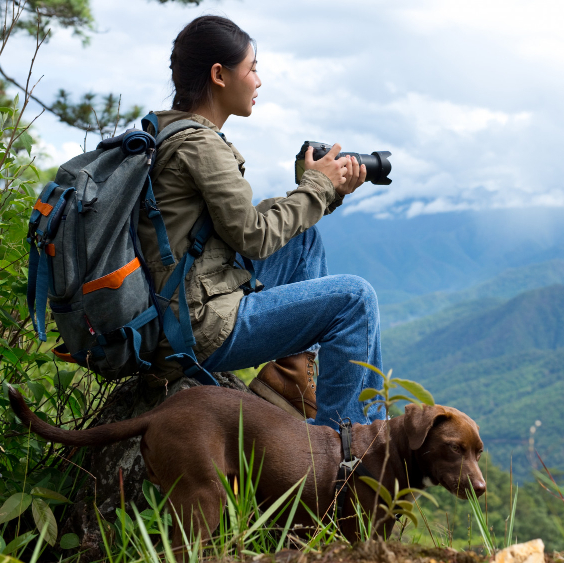
Nepal is a haven for trekkers, offering a rich tapestry of landscapes, cultures, and adventure opportunities. From soaring Himalayan peaks to serene valleys and remote villages, each trekking route tells its own story. For adventure lovers, Nepal is not just a destination but an experience that tests physical endurance, mental strength, and appreciation for natural beauty.
The trekking trails range from classic routes like the Everest Base Camp to lesser-known paths such as the Manaslu Circuit. Regardless of the difficulty level, trekkers are guaranteed to witness breathtaking mountain vistas, meet diverse ethnic communities, and explore the unique flora and fauna of the Himalayas.
Key Highlights:
Nepal, home to 8 of the 14 world’s highest peaks, including Mount Everest, offers unparalleled trekking adventures. Its compact size means that within a few days, trekkers can travel from lush subtropical forests to snow-capped mountains. The country’s trails are enriched with cultural heritage, monasteries, and festivals, making trekking both an adventurous and immersive cultural experience.
Trekking in Nepal appeals to all types of adventurers—whether it’s the seasoned mountaineer seeking high-altitude challenges or a casual hiker looking for panoramic vistas. With well-established trekking infrastructure, guided options, and hospitality along the trails, Nepal ensures safety while retaining its rugged charm.
Key Highlights:
Successful trekking in Nepal requires preparation and awareness of local conditions. Proper gear, acclimatization schedules, and awareness of weather conditions are crucial to ensure a safe and enjoyable trek. Trekking permits and national park fees must be arranged in advance, and hiring a local guide can enrich the experience with insights about the region.
Nutrition, hydration, and fitness preparation are equally important. Staying respectful of local customs and environmental conservation ensures that trekkers leave a positive impact. Mountain of Nepal emphasizes responsible trekking to preserve the pristine trails and cultural heritage of the Himalayas.
Key Tips:
Everest Base Camp – The Iconic Adventure
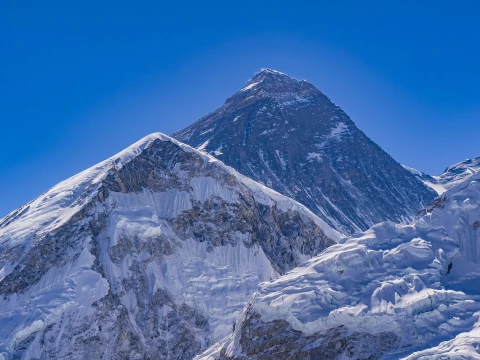
The Everest Base Camp (EBC) Trek is the ultimate bucket-list adventure for trekkers worldwide. It offers dramatic views of the world’s tallest mountain and a chance to explore the heart of the Khumbu region. The trail passes through Sherpa villages, monasteries, and high-altitude landscapes, making it a mix of adventure and cultural experience.
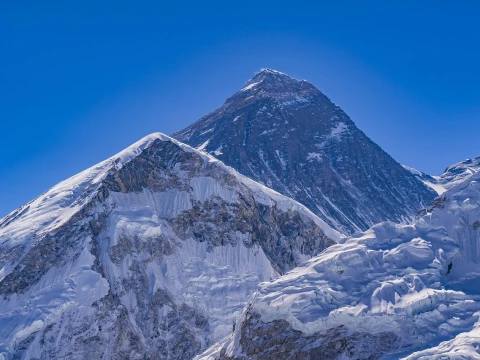
The trek challenges trekkers with altitude and variable weather but rewards them with unforgettable vistas of Everest, Lhotse, Nuptse, and Ama Dablam. Trekking to EBC provides a sense of accomplishment and a close-up experience of the Himalayan ecosystem.
Key Highlights:
Annapurna Circuit – Diverse Landscapes and Cultures
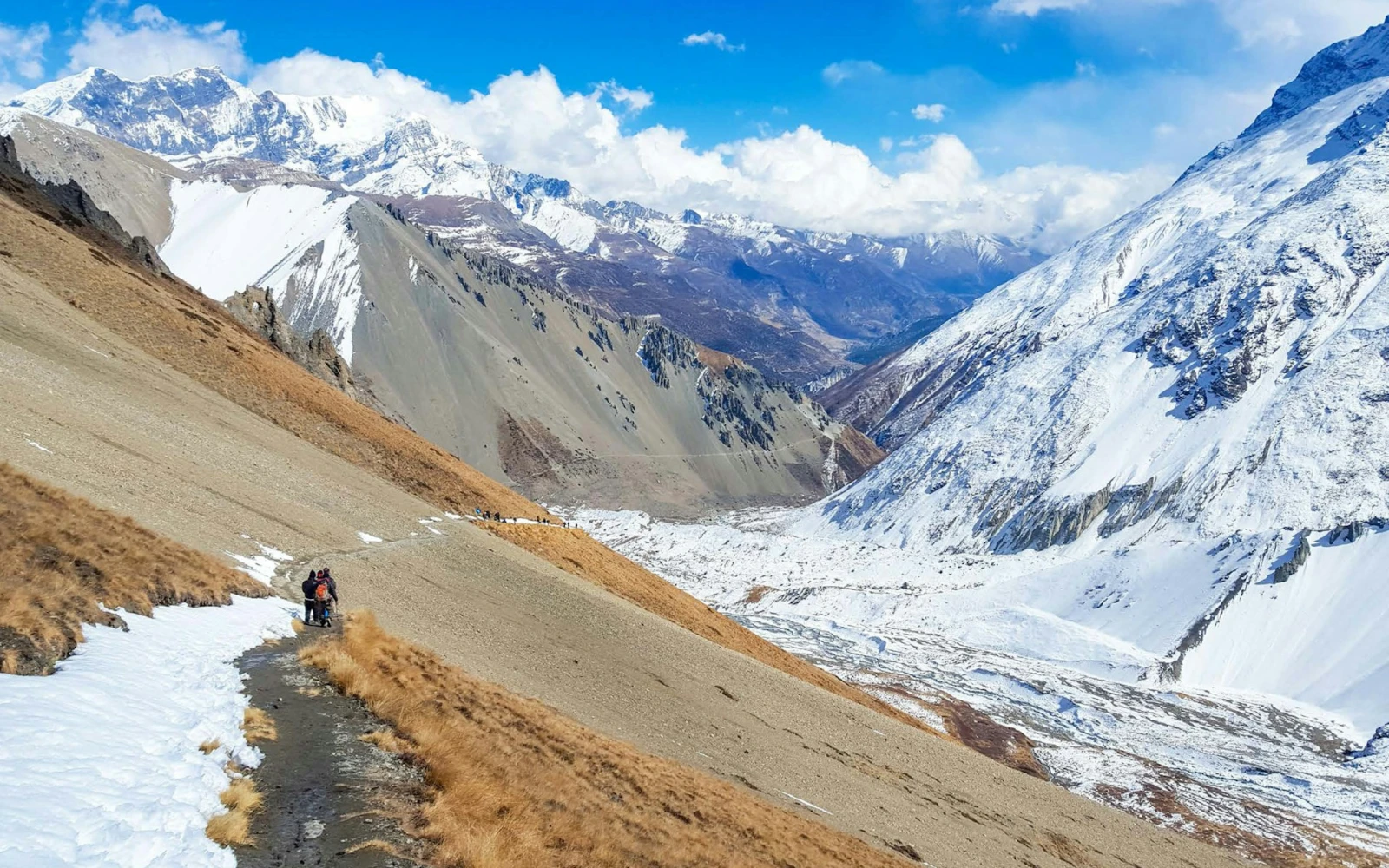
The Annapurna Circuit is renowned for its diverse landscapes, ranging from subtropical lowlands to alpine highlands. Trekkers cross the Thorong La Pass, one of the highest trekking passes in the world, and experience a mix of mountain scenery, rivers, and terraced farmlands.
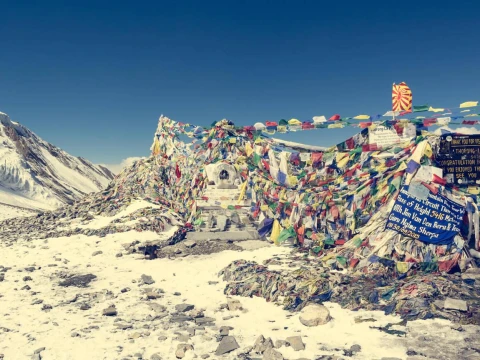
Along the trail, visitors encounter multiple ethnic groups, including Gurung, Thakali, and Tibetan-influenced communities. The Annapurna Circuit offers both adventure and insight into Nepal’s cultural diversity.
Key Highlights:
Langtang Valley Trek – Serenity Amidst Nature
Langtang Valley Trek is ideal for trekkers seeking serenity and close encounters with nature. Located near Kathmandu, this trail offers lush forests, rhododendron blooms, and views of snow-capped peaks like Langtang Lirung.
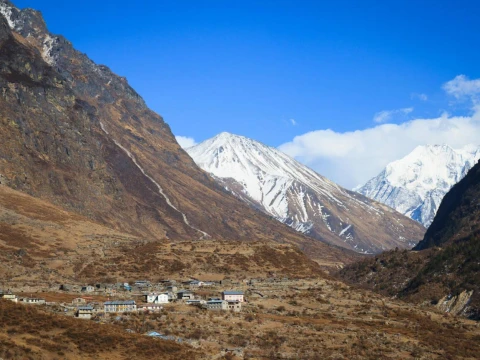
The region was affected by the 2015 earthquake but has since recovered, and trekking supports local communities. The valley is less crowded, providing a peaceful trekking experience while still offering traditional villages and monasteries.
Key Highlights:
Manaslu Circuit Trek – Off the Beaten Path
The Manaslu Circuit Trek offers adventure off the well-trodden path. Surrounding Mount Manaslu (8,163m), the trek provides rugged landscapes, deep valleys, and remote villages. It is a more challenging route but less crowded than Everest or Annapurna.
The trek requires special permits and careful planning, making it ideal for experienced trekkers. The reward is breathtaking wilderness, untouched culture, and panoramic mountain views.
Key Highlights:
Upper Mustang Trek – The Hidden Kingdom
Upper Mustang Trek takes trekkers to a mystical region reminiscent of Tibet. Known as the “Hidden Kingdom,” Upper Mustang offers arid landscapes, ancient caves, monasteries, and walled settlements. The trek feels like a journey through time, with vibrant Tibetan culture and festivals.
The trail is relatively dry and desert-like, contrasting with Nepal’s green valleys. It’s an excellent choice for trekkers seeking history, culture, and high-altitude adventure.
Key Highlights:
Ghorepani Poon Hill Trek – Sunrise Views to Remember
The Ghorepani Poon Hill Trek is perfect for short trekking trips and breathtaking sunrise views. Poon Hill offers panoramic views of the Annapurna and Dhaulagiri ranges, making it a popular choice for photographers and beginners.
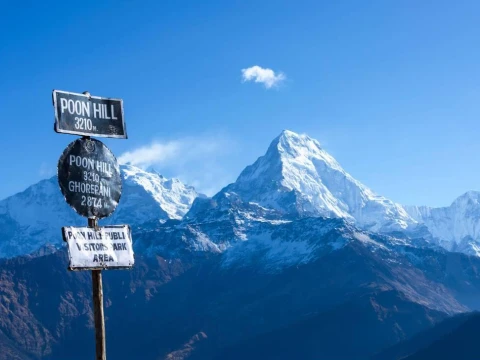
The trail passes through rhododendron forests, charming villages, and terraced fields. It is accessible and less demanding but still offers iconic Himalayan scenery.
Key Highlights:
Kanchenjunga Base Camp Trek – Majestic Wilderness
Kanchenjunga Base Camp Trek explores the world’s third-highest peak and its surrounding wilderness. This remote trek is challenging but offers unspoiled nature, glaciers, and diverse flora and fauna.
The region is sparsely populated, providing trekkers with solitude and raw Himalayan beauty. It’s a trek for seasoned adventurers seeking both physical challenge and natural splendor.
Key Highlights:
Gokyo Lakes Trek – Alpine Lakes and Everest Views
Gokyo Lakes Trek is famous for its turquoise high-altitude lakes and views of Everest and the surrounding peaks. The trek crosses the Gokyo Ri for a panoramic vantage point and offers a peaceful alternative to Everest Base Camp.
The trail combines lakes, glaciers, and high-altitude meadows, providing a mix of adventure and scenic beauty. It’s perfect for those who love trekking in serene landscapes.
Key Highlights:
Helambu Trek – Close to Kathmandu with Rich Culture
Helambu Trek is easily accessible from Kathmandu and offers a cultural trekking experience. The region is known for Buddhist monasteries, beautiful forests, and welcoming Tamang villages.
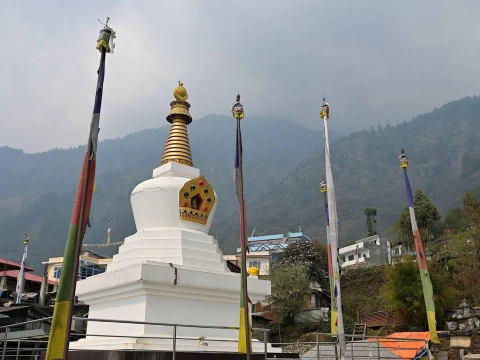
It’s an ideal trek for short adventures, providing moderate altitude experiences with scenic landscapes. Trekkers can enjoy traditional hospitality and local cuisine along the trail.
Key Highlights:
Makalu Base Camp Trek – For the Ultimate Challenge
Makalu Base Camp Trek is for adventure enthusiasts seeking extreme challenges. The trek explores the remote Makalu region, offering rugged trails, glaciers, and towering peaks.
Makalu is less frequented, making it ideal for trekkers looking for solitude and raw Himalayan landscapes. It requires physical fitness and high-altitude experience, rewarding trekkers with unparalleled Himalayan adventure.
Key Highlights:
Nepal’s trekking trails vary widely in difficulty, duration, and scenic appeal, making it essential to choose a route that aligns with your fitness, time, and adventure expectations. The Everest Base Camp trek is iconic but moderately challenging, taking about 12–14 days with high-altitude exposure. In contrast, the Ghorepani Poon Hill trek is short and beginner-friendly, typically 4–5 days, with accessible sunrise vistas. Trails like Makalu Base Camp or Kanchenjunga Base Camp are extreme adventures, requiring stamina, prior high-altitude trekking experience, and 18–24 days for completion.
Scenery differs dramatically from trail to trail. The Annapurna Circuit offers a blend of rivers, terraced farmlands, and high mountain passes, whereas Upper Mustang presents arid, desert-like landscapes with ancient Tibetan culture. Gokyo Lakes dazzle with turquoise alpine lakes, while Langtang Valley provides dense forests and tranquil valleys. When comparing trails, consider not only physical challenge but also the type of landscapes, cultural exposure, and solitude you prefer.
Key Comparison Points:
Packing for a Nepal trek requires careful planning. The weather in the Himalayas can be unpredictable, ranging from hot sun in the valleys to freezing temperatures at high altitudes. Proper layering is essential: moisture-wicking base layers, insulating mid-layers, and waterproof outer layers. Trekking boots with ankle support, warm gloves, hats, sunglasses, and trekking poles are indispensable.
Safety is equally critical. Trekkers should acclimatize properly to avoid altitude sickness, carry a first-aid kit, and stay hydrated. Hiring local guides not only enhances safety but also enriches the trekking experience with cultural insights. Mountain of Nepal emphasizes responsible trekking, including respecting local customs, carrying reusable water bottles, and minimizing environmental impact.
Packing Essentials:
Safety Tips:
Choosing the right trekking trail in Nepal depends on your fitness level, time availability, and desired experience. Adventure seekers looking for a once-in-a-lifetime Himalayan challenge might choose Everest Base Camp, Kanchenjunga, or Makalu. Those seeking cultural immersion can explore Upper Mustang, Helambu, or the Annapurna Circuit. Shorter treks like Ghorepani Poon Hill or Langtang Valley offer spectacular scenery without a prolonged time commitment.
Ultimately, Nepal’s trails cater to all kinds of adventurers—from first-time trekkers to seasoned high-altitude explorers. Planning carefully, packing smartly, and respecting local culture ensures that each trek becomes a memorable adventure. Mountain of Nepal is dedicated to guiding trekkers safely through these majestic landscapes, helping every traveler match their adventure spirit with the perfect trail.
Key Takeaways:


 (2)
(2)  100% recommend (0)
 (0)
(0)