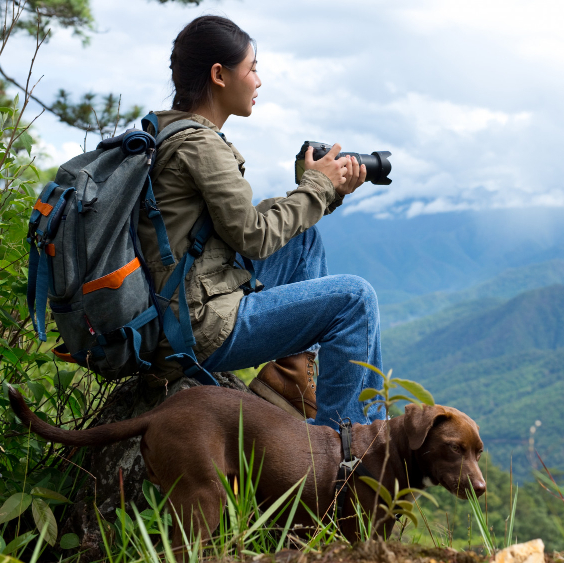
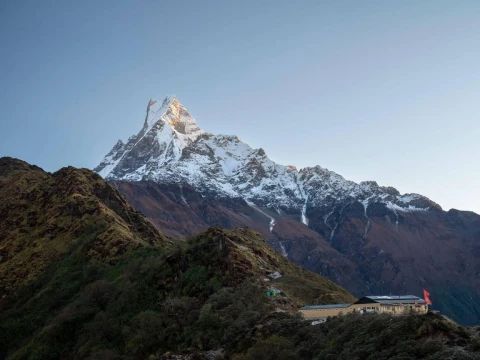
The Mardi Himal Trek is a stunning short Himalayan adventure located in the Annapurna region of Nepal. This trek is known for its peaceful trails, close-up views of iconic peaks like Machhapuchhre (Fishtail), Annapurna South, and Hiunchuli, and its relatively less crowded route compared to other popular treks. The journey gradually ascends from lush forests and traditional villages to high alpine landscapes, finally reaching the dramatic viewpoint at Mardi Himal Base Camp (4,500 m).This 10-day itinerary, designed by Mountain of Nepal, offers a balanced experience of culture, nature, and adventure. Starting from Kathmandu, the journey moves to Pokhara and then into the Annapurna foothills. Each day presents a gradual increase in altitude, allowing proper acclimatization and safe trekking conditions. The route passes through Australian Camp, Forest Camp, Low Camp, High Camp, and finally Base Camp before descending back through Siding Village.The trek is ideal for trekkers who want a moderate Himalayan experience without long expedition-style commitments. It combines rhododendron forests, alpine ridges, and breathtaking sunrise views over snow-capped peaks.Close-up views of Annapurna and MachhapuchhrePeaceful and less crowded trekking routeBeautiful forest and ridge-line walking trailsSunrise view from High Camp and Base CampCultural experience in Gurung villagesBest Season for Mardi Himal TrekThe best time to undertake the Mardi Himal Trek is during spring (March–May) and autumn (September–November). These seasons offer the most stable weather conditions, clear mountain views, and comfortable trekking temperatures. Spring is especially beautiful because the forests are filled with blooming rhododendrons, adding vibrant colors to the trail.Autumn, on the other hand, provides crystal-clear skies after the monsoon, making it the best season for panoramic Himalayan photography. Winter trekking is also possible, but requires proper preparation due to cold temperatures at High Camp and Base Camp. The monsoon season (June–August) is generally avoided because of heavy rainfall, slippery trails, and reduced visibility.Mountain of Nepal recommends planning your trek in peak seasons to fully enjoy the scenic beauty and safe trail conditions.Best seasonal breakdown:Spring (Mar–May): Flowers, moderate weather, clear viewsAutumn (Sep–Nov): Best visibility, stable climateWinter (Dec–Feb): Cold but peaceful trailsMonsoon (Jun–Aug): Not recommended due to rain and cloudsMardi Himal Trek Difficulty and TransportationThe Mardi Himal Trek is considered a moderate-level trek, suitable for beginners with basic fitness as well as experienced trekkers. The daily walking hours range between 4 and 8 hours, with gradual altitude gain. The highest point, Mardi Himal Base Camp (4,500 m), requires good stamina but does not involve technical climbing.The trek involves steep ascents, forest trails, and narrow ridge walks, which can be physically demanding but rewarding. Proper pacing and acclimatization are essential, especially from Low Camp to High Camp.Transportation is well-managed in this itinerary by Mountain of Nepal. The journey begins with a flight from Kathmandu to Pokhara, followed by a drive to Kande, the trek starting point. After completing the trek, travelers descend to Siding Village and drive back to Pokhara, then return to Kathmandu by road or flight, depending on preference.Difficulty & transport summary:Moderate trekking difficulty4–8 hours walking dailyMaximum altitude: 4,500 mFlight: Kathmandu → PokharaDrive: Pokhara ↔ Kande / Siding VillageSuitable for fit beginners and regular hikersFood and Accommodation for Mardi Himal TrekDuring the Mardi Himal Trek, accommodation is provided in local teahouses and lodges along the route. These are simple but comfortable mountain stays run by local families. Rooms are usually twin-sharing with basic bedding, and bathrooms are shared in most locations. As altitude increases, facilities become more basic, especially at High Camp.Food is freshly prepared in teahouses and includes a mix of Nepali and international dishes. The most common and recommended meal is Dal Bhat (rice, lentils, vegetables), which provides energy for long trekking days. Other options include noodles, pasta, soups, eggs, pancakes, and tea/coffee.The mountain of Nepal ensures trekkers are guided to clean and reliable lodges throughout the journey, maintaining safety and comfort standards.Accommodation & food highlights:Teahouse/lodge accommodation throughout the trekBasic but clean rooms (twin sharing)Shared bathroom facilitiesFreshly cooked local mealsDal Bhat power meal for energyHot drinks available (tea, coffee, ginger lemon)Mardi Himal Trek PermitsTo complete the Mardi Himal Trek, two main permits are required. These are mandatory and are checked at various entry points in the Annapurna region. Mountain of Nepal arranges all necessary permits for trekkers to ensure a smooth and hassle-free experience.The required permits include the Annapurna Conservation Area Permit (ACAP) and the Trekkers’ Information Management System (TIMS) Card. The ACAP helps conserve the natural environment and supports local communities, while TIMS ensures trekker safety and record management.Both permits are easily obtainable in Kathmandu or Pokhara, but it is highly recommended to arrange them through a registered trekking agency like Mountain of Nepal to avoid delays or confusion.Permit details:ACAP (Annapurna Conservation Area Permit)TIMS Card (Trekkers’ safety registration)Issued in Kathmandu or PokharaRequired for checkpoints along the routeManaged fully by Mountain of Nepal for convenienceWhy Choose Mardi Himal TrekThe Mardi Himal Trek is one of Nepal’s best short trekking experiences, offering incredible Himalayan views without the crowds of more commercial routes. It is perfect for travelers seeking a peaceful, scenic, and moderately challenging adventure within a limited timeframe.Unlike longer treks, Mardi Himal provides a direct and immersive mountain experience. You walk through dense forests, open ridges, and high alpine zones while constantly viewing Machhapuchhre’s iconic peak. The itinerary is flexible, well-paced, and suitable for both solo travelers and groups.With Mountain of Nepal, trekkers benefit from professional guidance, safe logistics, experienced local guides, and personalized support throughout the journey.Reasons to choose this trek:Short yet highly scenic Himalayan experienceLess crowded trails compared to Annapurna Base CampClose-up views of iconic mountain peaksIdeal for beginners and intermediate trekkersWell-managed itinerary by Mountain of NepalCultural interaction with local Gurung communities
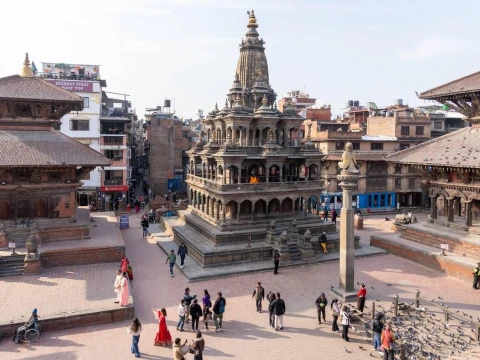
The Nepal Highlight Tour offered by Mountain of Nepal is a carefully designed 10-day journey that showcases the country’s most iconic cultural, natural, and wildlife destinations. Starting in Kathmandu, the tour immerses you in ancient heritage sites, vibrant local life, and spiritual landmarks. You’ll then travel to scenic hill stations like Nagarkot for Himalayan sunrise views before heading west to Pokhara, famous for lakes and mountain panoramas.The itinerary continues through the charming hill town of Bandipur and concludes with a wildlife adventure in Chitwan National Park. This tour blends culture, nature, and relaxation, making it perfect for first-time visitors.UNESCO heritage sightseeing in KathmanduSunrise view from NagarkotAnnapurna views from Pokhara & SarangkotCultural experience in BandipurJungle safari in ChitwanBest Season for Nepal Highlight TourThe best time for the Nepal Highlight Tour is during spring (March–May) and autumn (September–November). These seasons offer clear skies, comfortable temperatures, and excellent mountain visibility. In spring, blooming rhododendrons enhance the landscapes, while autumn provides crisp air and festive cultural experiences.Winter (December–February) is also suitable for this tour, especially for travelers who prefer fewer crowds and peaceful sightseeing. However, mornings and evenings can be cold, particularly in Nagarkot and Pokhara. The monsoon season (June–August) brings lush greenery but may affect travel due to rain.Best seasons:Spring: Warm weather and flowersAutumn: Clear mountain viewsWinter: Quiet and less crowdedMonsoon: Green landscapes but rainyNepal Highlight Tour Difficulty and TransportationThis tour is considered easy and suitable for travelers of all ages. It does not involve trekking or physically demanding activities, making it ideal for families, couples, and senior travelers. Most activities involve sightseeing, short walks, and comfortable travel between destinations.Transportation is primarily by private vehicle arranged by Mountain of Nepal, ensuring comfort and flexibility. Roads connect all destinations, though some sections may be winding, especially between Pokhara and Bandipur. Optional domestic flights (Kathmandu–Pokhara) can be arranged for convenience.Transportation features:Private tourist vehiclesOptional domestic flightsScenic countryside drivesProfessional driver and guideFood and Accommodation for Nepal Highlight TourThroughout the tour, you’ll stay in comfortable hotels ranging from 3-star to boutique heritage properties. In cities like Kathmandu and Pokhara, accommodations offer modern amenities, while Bandipur features traditional-style lodges. In Chitwan, jungle resorts provide a nature-focused experience.Food options are diverse, including Nepali, Indian, and international cuisines. You’ll have the chance to try local dishes like Dal Bhat, as well as continental meals. Chitwan resorts often include full-board packages with local cultural performances.Food & stay highlights:Comfortable hotels and resortsVariety of cuisinesLocal cultural dining experiencesFull board in ChitwanNepal Highlight Tour PermitsFor this tour, permits are simple and minimal compared to trekking trips. You will need entry tickets for heritage sites in Kathmandu and conservation fees for Chitwan National Park. These are usually arranged by Mountain of Nepal for a hassle-free experience.Travelers should carry valid identification and passport copies. No special trekking permits are required since this is a sightseeing-based tour.Required permits:Heritage site entry feesChitwan National Park entry permitID/passport documentationWhy Choose Nepal Highlight TourChoosing the Nepal Highlight Tour with Mountain of Nepal ensures a balanced and enriching travel experience. The itinerary is thoughtfully designed to cover Nepal’s most important destinations without rushing, allowing travelers to fully enjoy each location.The company provides experienced guides, reliable transportation, and personalized service, making your journey smooth and memorable. Whether you’re seeking cultural immersion, scenic beauty, or wildlife adventure, this tour offers a complete introduction to Nepal.Reasons to choose:Well-planned itineraryExperienced local guidesComfortable travel arrangementsA mix of culture, nature, and wildlifeIdeal for first-time visitors
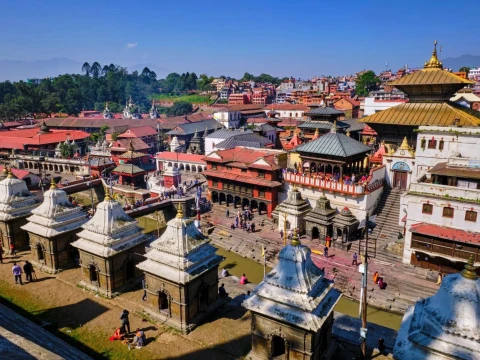
A Hindu pilgrimage tour in Nepal offers a spiritually enriching journey through some of the most sacred sites in the Himalayas. From the ancient temples of Kathmandu to the revered shrine of Muktinath Temple, this tour blends devotion, culture, and breathtaking landscapes. Pilgrims visit powerful spiritual centers such as Pashupatinath Temple, Manakamana Temple, and Changunarayan Temple, each carrying deep mythological and religious significance.The journey also introduces travelers to Nepal’s rich cultural heritage through places like Bhaktapur Durbar Square and scenic destinations like Pokhara and Jomsom. Organized by Mountain of Nepal, this itinerary ensures a smooth spiritual experience while allowing time for reflection, exploration, and connection with nature.Darshan at Muktinath TempleVisit to Pashupatinath and ManakamanaScenic Himalayan drives and flightsCultural exploration in Kathmandu ValleyBest Season for Hindu Pilgrimage Tour in NepalThe ideal time for a Hindu pilgrimage tour in Nepal is during spring (March to May) and autumn (September to November). During these seasons, the weather is stable, the skies are clear, and mountain views are at their best. This is especially important for flights between Pokhara and Jomsom, which are highly weather-dependent.Winter (December to February) is also possible, but Muktinath can be extremely cold with occasional snowfall. The monsoon season (June to August) brings heavy rain, landslides, and flight disruptions, making travel less reliable, particularly in mountainous regions.Best months at a glance:March–May: Pleasant weather, blooming landscapesSeptember–November: Clear skies, best visibilityAvoid the peak monsoon for smoother travelHindu Pilgrimage Tour in Nepal – Difficulty and TransportationThis pilgrimage is considered moderate in difficulty. While most locations are accessible by road or flight, the journey to Muktinath involves high-altitude travel (around 3,800 meters). Some walking and stair climbing are required, particularly at temple sites like Muktinath and Manakamana.Transportation includes a mix of private vehicles, domestic flights (Pokhara–Jomsom), and cable car rides to Manakamana. The roads can be winding and occasionally rough, but they offer stunning views of rivers, hills, and mountains.Transportation modes:Private tourist vehicle for long drivesDomestic flights to JomsomCable car ride to Manakamana TempleFood and Accommodation for Hindu Pilgrimage Tour in NepalThroughout the journey, travelers are provided with comfortable accommodations ranging from standard hotels in Kathmandu and Pokhara to basic lodges in Jomsom and Muktinath. While luxury options are available in cities, remote areas focus more on simplicity and functionality.Food options are diverse, including traditional Nepali meals (dal bhat), vegetarian dishes, and some Indian and continental cuisine. Pilgrims often prefer vegetarian meals, especially during temple visits.What to expect:Comfortable hotels in major citiesBasic but clean lodges in remote areasVegetarian-friendly meals widely availableHindu Pilgrimage Tour in Nepal – PermitsMost of the pilgrimage sites in Kathmandu Valley do not require special permits. However, travel to Muktinath (located in the Mustang region) requires specific permits such as the Annapurna Conservation Area Permit (ACAP).Tour operators like Mountain of Nepal typically arrange all necessary permits in advance, ensuring a hassle-free journey for pilgrims. Carrying identification documents and passport copies is essential during the trip.Required permits:ACAP permit for the Muktinath regionTIMS card (in some cases)Valid ID/passport copiesWhy Choose Hindu Pilgrimage Tour in NepalChoosing a Hindu pilgrimage tour in Nepal means embarking on a deeply spiritual journey in one of the world’s most sacred landscapes. Nepal uniquely combines natural beauty with religious significance, offering pilgrims a chance to experience both inner peace and outer adventure.With Mountain of Nepal, travelers benefit from well-organized itineraries, experienced guides, and personalized services. The company ensures safety, comfort, and meaningful experiences at every step, making the pilgrimage not just a trip, but a transformative journey.Reasons to choose this tour:Sacred and historically significant templesStunning Himalayan sceneryWell-managed logistics by Mountain of NepalBlend of spirituality and cultural immersion
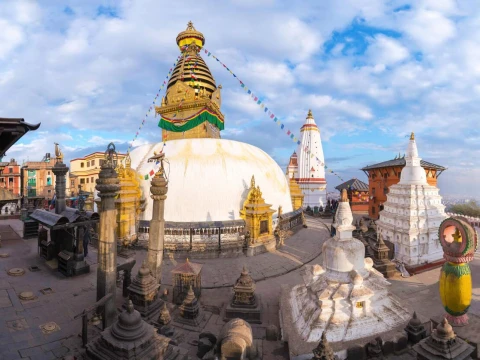
The Kathmandu Pokhara Lumbini Chitwan Tour by Mountain of Nepal is a well-designed cultural, spiritual, and wildlife exploration journey that showcases the best of Nepal in a single itinerary. This 10-day program connects UNESCO World Heritage Sites, Himalayan viewpoints, sacred Buddhist landmarks, and lush jungle ecosystems. It is ideal for travelers who want a complete Nepal experience without extreme trekking.Kathmandu introduces ancient temples, royal palaces, and vibrant markets that reflect Nepal’s deep cultural heritage. Pokhara offers breathtaking Himalayan views, serene lakes, and adventure-friendly landscapes. Lumbini provides spiritual depth as the birthplace of Lord Buddha, while Chitwan delivers thrilling wildlife safaris in dense subtropical forests. Each destination is carefully connected with comfortable road travel and guided sightseeing.This tour balances relaxation, exploration, and cultural immersion. Travelers enjoy sunrise mountain views, boat rides, jungle safaris, and historical exploration all in one journey. Mountain of Nepal ensures professional guiding, comfortable accommodation, and smooth logistics throughout the trip.UNESCO World Heritage Sites in KathmanduHimalayan sunrise from SarangkotSacred Buddhist pilgrimage site in LumbiniJungle safari in Chitwan National ParkScenic countryside drives across NepalBest Season for Kathmandu Pokhara Lumbini Chitwan TourThe best time to experience the Kathmandu Pokhara Lumbini Chitwan Tour is during autumn (September–November) and spring (March–May). These seasons offer clear skies, pleasant temperatures, and the best visibility of the Himalayan ranges. Mountain of Nepal recommends these periods for maximum enjoyment and photography opportunities.Autumn provides stable weather after the monsoon, making it ideal for mountain views and outdoor activities. Spring, on the other hand, brings blooming rhododendrons and colorful landscapes across hills and national parks. Winter (December–February) is also possible, especially in Kathmandu, Pokhara, and Lumbini, but mornings can be cold. Summer/monsoon (June–August) is less favorable due to rainfall, slippery roads, and limited visibility.Chitwan National Park is best visited in winter and spring when wildlife sightings are more frequent near water sources. Pokhara remains beautiful year-round but is clearest in autumn and spring.Best Season Summary:Autumn (Sep–Nov): Best visibility, peak seasonSpring (Mar–May): Flowers, greenery, clear weatherWinter (Dec–Feb): Cold mornings, fewer crowdsMonsoon (Jun–Aug): Rainy, less ideal for travelKathmandu Pokhara Lumbini Chitwan Tour Difficulty and TransportationThe Kathmandu Pokhara Lumbini Chitwan Tour is considered easy to moderate, making it suitable for families, senior travelers, and first-time visitors to Nepal. There is no trekking involved, but the journey includes long scenic drives across hilly highways and flat plains.Transportation is primarily by private tourist vehicle arranged by Mountain of Nepal, ensuring comfort, safety, and flexibility. Road conditions vary depending on terrain—mountain roads between Kathmandu and Pokhara are winding, while routes toward Lumbini and Chitwan are smoother and flatter.Travel times range from 5 to 6 hours between major destinations, allowing travelers to enjoy countryside views, rivers, villages, and terraced fields. Occasional stops for photography and refreshments are included.Tour Difficulty & Transport Points:Difficulty level: Easy to moderateNo trekking requiredPrivate tourist vehicle for all transfers5–6 hours average driving per routeSuitable for all age groupsScenic but sometimes winding mountain roadsMountain of Nepal ensures experienced drivers and well-maintained vehicles for a safe and smooth travel experience throughout the journey.Food and Accommodation for Kathmandu Pokhara Lumbini Chitwan TourFood and accommodation during the Kathmandu Pokhara Lumbini Chitwan Tour are carefully selected by Mountain of Nepal to ensure comfort and hygiene. The tour includes a mix of tourist-standard hotels, boutique lodges, and jungle resorts, depending on the destination.In Kathmandu and Pokhara, travelers stay in comfortable hotels with modern amenities such as Wi-Fi, hot showers, and city or mountain views. In Lumbini, accommodations are peaceful and spiritual, close to monasteries and meditation zones. In Chitwan, jungle resorts provide a unique nature experience with cultural Tharu hospitality.Food options include a wide variety of Nepali, Indian, and continental dishes. Travelers can enjoy traditional meals like dal bhat, momo, thukpa, and international cuisine depending on preference. Hygiene and freshness are prioritized in all locations.Food & Accommodation Highlights:3-star or similar hotels in citiesJungle resorts in Chitwan National ParkVegetarian and non-vegetarian options availableHygienic meals prepared fresh dailyLocal Nepali and international cuisineComfortable rooms with basic to luxury facilitiesMountain of Nepal ensure that travelers experience both comfort and authentic local hospitality throughout the journey.Kathmandu Pokhara Lumbini Chitwan Tour PermitsThe Kathmandu Pokhara Lumbini Chitwan Tour does not require major trekking permits since it is a cultural and wildlife sightseeing package. However, certain entry fees and national park permits are required for specific sites, which are arranged by Mountain of Nepal for hassle-free travel.Kathmandu heritage sites such as Swayambhunath, Pashupatinath, and Durbar Squares require entrance tickets. Similarly, Chitwan National Park requires a conservation entry permit for jungle activities such as safari and birdwatching. Lumbini Monastic Zone may also have entry arrangements depending on specific areas visited.Travelers do not need to worry about paperwork, as the tour operator handles all logistics, permits, and fees in advance.Permit & Entry Requirements:Kathmandu UNESCO site entry ticketsChitwan National Park conservation permitLumbini Monastic Zone entry (selected areas)No trekking or special travel permits requiredAll arrangements handled by Mountain of NepalThis makes the journey stress-free and fully organized for international and domestic travelers alike.Why Choose Kathmandu Pokhara Lumbini Chitwan TourChoosing the Kathmandu Pokhara Lumbini Chitwan Tour with Mountain of Nepal ensures a complete Nepal experience in a single package. It combines culture, nature, spirituality, and wildlife, offering unmatched diversity within a short duration. This tour is ideal for travelers who want to explore Nepal’s highlights without physical strain.The itinerary is carefully designed to provide balance—historic exploration in Kathmandu, natural beauty in Pokhara, spiritual peace in Lumbini, and jungle adventure in Chitwan. Every destination adds a unique dimension to the journey.Mountain of Nepal focuses on safety, comfort, and authentic experiences. Professional guides, reliable transportation, and quality accommodations ensure a smooth travel experience.Reasons to Choose This Tour:Complete Nepal experience in 10 daysUNESCO heritage + nature + wildlife + spiritualityEasy and comfortable travel routeSuitable for families and all age groupsProfessional service by Mountain of NepalWell-planned itinerary with no rushIn conclusion, this tour is one of the best ways to experience Nepal’s diversity in a short time while enjoying comfort, culture, and adventure in perfect harmony.
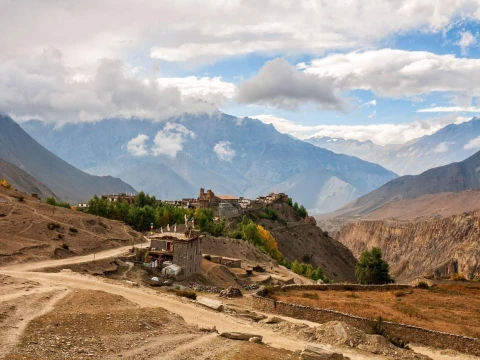
The Lower Mustang Trek is one of Nepal’s most fascinating journeys, combining dramatic Himalayan landscapes with deep cultural richness. Organized by Mountain of Nepal, this itinerary is designed to give you a gradual and immersive experience of the Mustang region, starting from the vibrant capital Kathmandu and extending into the windswept Kali Gandaki valley. The route passes through diverse terrain—from lush hills around Pokhara to the arid, desert-like landscapes of Mustang that resemble Tibetan plateaus.Your journey begins with cultural exploration in Kathmandu Valley, followed by a scenic drive to Pokhara and a short but thrilling flight to Jomsom. From there, the trek gradually unfolds through traditional villages like Kagbeni and reaches the sacred site of Muktinath. This region is not only visually striking but also spiritually significant for both Hindus and Buddhists, offering a rare blend of natural and religious experiences.Scenic flight between Pokhara and JomsomWalk through the Kali Gandaki Gorge (the world’s deepest)Visit the sacred Muktinath TempleExperience Tibetan-influenced cultureStunning views of the Nilgiri and Dhaulagiri rangesBest Season for Lower Mustang TrekChoosing the right season can significantly enhance your trekking experience in Lower Mustang. The most favorable times are spring (March to May) and autumn (September to November). During these periods, the weather is stable, the skies are clear, and the mountain views are at their best. Spring also brings blooming rhododendrons along the lower trails, adding vibrant colors to your journey.Interestingly, Lower Mustang lies in a rain-shadow area, which makes it suitable even during the monsoon season (June to August). While other regions of Nepal receive heavy rainfall, Mustang remains relatively dry, offering a unique trekking opportunity when most trails are less crowded. Winter (December to February), however, can be quite cold, especially in higher elevations like Muktinath, where temperatures drop below freezing.Best times at a glance:Spring: Warm, blooming landscapesAutumn: Clear skies, best mountain viewsMonsoon: Less crowded, dry Mustang regionWinter: Cold but quiet and less busyLower Mustang Trek Difficulty and TransportationThe Lower Mustang Trek is considered a moderate trek, making it suitable for beginners with reasonable fitness levels. The trails are well-defined and do not require technical climbing skills, but altitude and daily walking (5–7 hours) can still be challenging. The highest point, Muktinath at 3,900 meters, requires careful acclimatization, which is well-managed in this itinerary.Transportation is a key part of the experience. The drive from Kathmandu to Pokhara offers scenic views of rivers and hills, while the flight from Pokhara to Jomsom is a highlight in itself—short but incredibly scenic. The return journey follows the same route, ensuring a balanced mix of trekking and travel without excessive physical strain.Difficulty & transport notes:Moderate difficulty, beginner-friendlyMax altitude: 3,900 m (Muktinath)Scenic drives and short flights includedNo technical climbing requiredGradual acclimatization is built into the itineraryFood and Accommodation for Lower Mustang TrekFood and accommodation along the Lower Mustang Trek are comfortable and cater well to trekkers. You will stay in local teahouses and lodges that provide basic but cozy rooms, usually with twin beds and shared bathrooms. In popular stops like Jomsom and Muktinath, accommodations are slightly more developed, offering better facilities.Meals are typically served in communal dining areas and include a mix of Nepali and international dishes. The staple meal is Dal Bhat (rice, lentils, vegetables), which is nutritious and energy-rich. You can also find noodles, soups, pancakes, and even pasta in some places. While options become simpler at higher elevations, the quality remains satisfying.What to expect:Teahouse lodging with basic comfortNutritious meals like Dal BhatHot drinks available (tea, coffee)Limited luxury but an authentic experienceFriendly local hospitalityLower Mustang Trek PermitsTo trek in the Lower Mustang region, you need specific permits regulated by the Nepalese government. These permits ensure environmental conservation and support local communities. With Mountain of Nepal, the process is handled smoothly, so you don’t have to worry about paperwork.The main permits required are the Annapurna Conservation Area Permit (ACAP) and the TIMS (Trekkers’ Information Management System) card. These documents are checked at various points along the trail, so it’s important to carry them at all times.Permit requirements:ACAP (Annapurna Conservation Area Permit)TIMS CardPassport copies and photos neededOrganized easily through your trekking companyMandatory checkpoints along the routeWhy Choose Lower Mustang TrekThe Lower Mustang Trek stands out as a unique Himalayan experience that blends accessibility with extraordinary landscapes. Unlike more demanding treks, it offers high-altitude adventure without extreme difficulty, making it ideal for a wide range of travelers. The cultural richness, influenced heavily by Tibetan traditions, adds a deeper dimension to the journey beyond just scenery.Choosing a trusted operator like Mountain of Nepal ensures a well-organized, safe, and enriching experience. From logistics to local insights, having expert guidance allows you to fully immerse yourself in the trek without stress. Whether it’s the sacred aura of Muktinath or the dramatic Kali Gandaki valley, this trek delivers a memorable Himalayan journey.Why it’s worth it:Moderate and accessible trekking routeUnique desert-like Himalayan landscapeRich cultural and spiritual experienceLess crowded than other popular treksWell-supported by experienced guides


 (2)
(2)  100% recommend (0)
 (0)
(0)