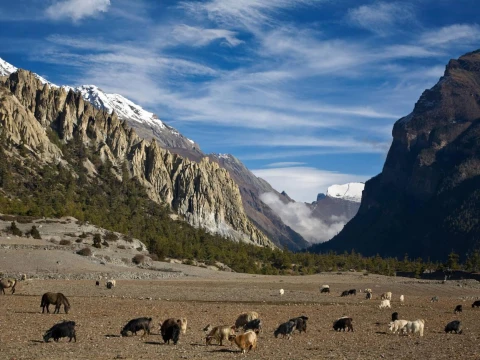
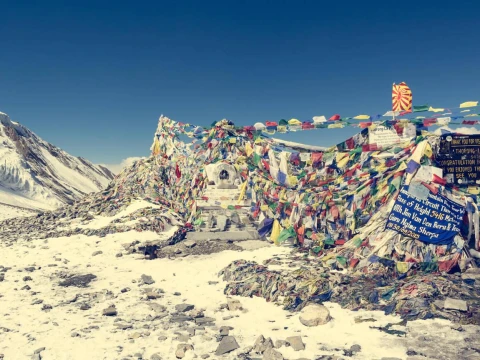
The Annapurna Circuit Trek is one of the most iconic trekking adventures in the world, and it is perfectly structured in the 11-day itinerary organized by Mountain of Nepal. This journey takes you through diverse landscapes ranging from subtropical valleys to high Himalayan desert terrain, offering a complete Himalayan experience. Starting from Kathmandu at 1,400 meters, the trek gradually ascends through culturally rich villages, alpine forests, and high-altitude settlements before crossing the legendary Thorong La Pass. The route is designed to provide both adventure and proper acclimatization, ensuring trekkers experience the beauty of the Annapurna region safely and meaningfully.As the journey progresses, trekkers pass through key destinations such as Chame, Pisang, and the culturally significant village of Manang. Each location introduces unique Tibetan-influenced cultures, monasteries, and panoramic mountain views. The highlight of the trek is the crossing of Thorong La Pass, one of the highest trekking passes in the world, followed by a descent to Muktinath and onward travel to Jomsom. The final leg includes a scenic flight via Pokhara back to Kathmandu, completing a full Himalayan circuit experience.Classic Annapurna Circuit route with gradual altitude gainCultural immersion in Himalayan villagesCrossing Thorong La Pass (5,416 m)Scenic flights and drives includedOrganized by Mountain of Nepal for safety and comfortBest Season for Annapurna Circuit TrekThe best seasons for the Annapurna Circuit Trek with Mountain of Nepal are spring (March to May) and autumn (September to November). During these months, the weather remains stable, skies are generally clear, and mountain visibility is at its peak. Spring brings blooming rhododendrons and lush green hills, making the lower sections of the trek especially beautiful. Autumn, on the other hand, offers crisp air, dry trails, and the clearest Himalayan views, making it the most popular trekking season.Winter (December to February) is also possible but challenging due to heavy snowfall, especially around Thorong La Pass. Summer/monsoon (June to August) brings rain, landslides, and slippery trails in lower regions, although the rain-shadow areas like Manang and Mustang remain relatively dry. However, the trekking experience is generally less predictable during this period.Mountain of Nepal carefully schedules departures to match optimal weather windows, ensuring trekkers get maximum visibility, safety, and comfort throughout the journey.Key Highlights:Best seasons: Spring & AutumnClear mountain views and stable weatherWinter is possible, but very cold and snowyThe monsoon season is less ideal due to the rainCompany-managed seasonal departures for safetyAnnapurna Circuit Trek Difficulty and TransportationThe Annapurna Circuit Trek is considered a moderate to challenging trek due to its long walking days and high-altitude crossing at Thorong La Pass. However, with proper acclimatization days, such as the rest day in Manang, the trek becomes manageable for fit and determined trekkers. Daily walking ranges from 4 to 7 hours, with some longer days during ascent and descent phases. The high-altitude segment requires mental endurance and physical preparation, but no technical climbing skills are needed.Transportation is a key part of the itinerary designed by Mountain of Nepal. The journey includes a long scenic drive from Kathmandu to Chame, followed by trekking sections through Pisang, Manang, and Yak Kharka. After crossing Thorong La Pass, trekkers descend to Muktinath and drive to Jomsom. The return journey includes a flight from Jomsom to Pokhara and then back to Kathmandu, providing a comfortable exit after the strenuous trek.Key Highlights:Moderate to challenging difficulty levelNo technical climbing requiredHigh altitude crossing at Thorong La PassA combination of trekking, driving, and flyingProper acclimatization is included for safetyFood and Accommodation for Annapurna Circuit TrekFood and accommodation along the Annapurna Circuit Trek are simple but comfortable, offering a warm and authentic Himalayan experience. Throughout the journey, trekkers stay in teahouses operated by local families. These lodges provide basic rooms with twin beds, warm blankets, and shared bathroom facilities in most locations. As altitude increases, accommodations become more basic but still welcoming, especially in places like Yak Kharka and high-altitude stops near Thorong Phedi.Meals are freshly prepared and typically include a mix of Nepali and international dishes. The most common meal is dal bhat (rice, lentils, vegetables), which provides high energy for trekking days. Other options include noodles, pasta, soups, potatoes, eggs, and Tibetan bread. Hydration and high-calorie intake are strongly encouraged due to altitude demands. The mountains of Nepal ensure trekkers receive hygienic, nutritious meals throughout the journey.In larger villages like Manang and Jomsom, food variety increases, and bakeries or cafés may also be available. Overall, the teahouse system supports both comfort and cultural immersion.Key Highlights:Teahouse accommodation throughout the trekBasic but comfortable mountain lodgesFreshly cooked local and international mealsHigh-energy diet suitable for altitude trekkingIncreased food variety in larger villagesAnnapurna Circuit Trek PermitsTo complete the Annapurna Circuit Trek, trekkers require official permits regulated by Nepal’s trekking authorities. Mountain of Nepal handles all permit arrangements to ensure a smooth and hassle-free experience. The two main permits required are the Annapurna Conservation Area Permit (ACAP) and the Trekkers’ Information Management System (TIMS) card. These permits are mandatory for entering the Annapurna region and help support conservation and safety monitoring.The ACAP permit contributes directly to environmental protection and local community development in the Annapurna region. The TIMS card ensures trekkers are registered and traceable in case of emergencies. These documents are checked at various checkpoints along the route, especially in areas like Chame and Manang.Mountain of Nepal ensures all paperwork is completed before the trek begins in Kathmandu, allowing trekkers to focus entirely on the adventure rather than administrative procedures.Key Highlights:ACAP permit is required for the Annapurna regionTIMS card mandatory for trekking registrationPermits arranged by Mountain of NepalChecked at multiple trail checkpointsSupports conservation and safety systemsWhy Choose Annapurna Circuit Trek with Mountain of NepalChoosing the Annapurna Circuit Trek with Mountain of Nepal ensures a professionally organized, safe, and enriching Himalayan experience. The company focuses on small-group personalized service, experienced guides, and carefully planned itineraries that balance adventure with acclimatization. With an 11-day structured route, trekkers experience the full diversity of the Annapurna region, from lush valleys to high mountain passes, without feeling rushed.The journey is supported by experienced local guides who are trained in high-altitude safety and first aid. From arrival in Kathmandu to the final flight from Pokhara, Mountain of Nepal ensures seamless logistics, including transportation, accommodation, permits, and meals. The itinerary also includes essential acclimatization in Manang, increasing safety and success rates for crossing Thorong La Pass.This trek is ideal for travelers seeking a complete Himalayan circuit experience with cultural depth, mountain adventure, and professional support.Key Highlights:Fully organized trek by Mountain of NepalExperienced local guides and support staffBalanced itinerary with acclimatizationComplete logistics management includedSafe and culturally immersive trekking experience
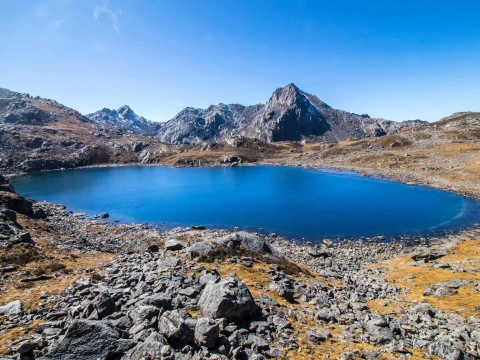
The Gosaikunda Trek is one of Nepal’s most scenic and culturally rich Himalayan adventures. Located in the Langtang region, the trek takes you through lush forests, alpine meadows, and high-altitude settlements, culminating at the sacred Gosaikunda Lake (4,380 m). Along the way, trekkers cross the challenging Laurebina La Pass (4,650 m) and enjoy breathtaking panoramic views of the Langtang, Ganesh Himal, and Jugal Himal ranges.The journey begins with a scenic drive from Kathmandu to Dhunche, following the Trishuli River, winding through terraced farmland, forested hills, Langtang National Park, and small mountain settlements. From Dhunche, the trek gradually ascends through Tamang and Hyolmo villages, alpine forests, and open meadows. Highlights include Cholangpati, a serene mountain settlement at 3,650 m, the hilltop village of Chisapani, and the vibrant traditional communities of Kutumsang and other settlements along the trail. The trek is a perfect mix of natural beauty, cultural experiences, and moderate adventure. Along the way, you’ll see colorful prayer flags, mani walls, grazing yaks, and blooming alpine flowers, while enjoying peaceful high-altitude landscapes. The journey also offers opportunities for photography, wildlife spotting, and immersion in Nepal’s unique Himalayan culture.Ideal for both beginner and intermediate trekkers, the Gosaikunda Trek provides a balance of manageable physical challenge, spiritual experiences, and awe-inspiring scenery. After completing the trek, you return to Kathmandu, often with an optional reserve or sightseeing day, making the journey a memorable combination of adventure, culture, and relaxation.Best Season for Gosaikunda Lake TrekThe best seasons for the Gosaikunda Lake Trek are spring (March–May) and autumn (September–November). During these months, the weather is stable, the skies are clear, and the mountain visibility is excellent. Spring brings blooming rhododendrons, while autumn offers crisp air and unobstructed Himalayan views.Winter trekking (December–February) is possible but challenging due to heavy snowfall near Lauribina La Pass and freezing temperatures at higher altitudes. Monsoon season (June–August) is generally avoided because of landslides, slippery trails, and limited visibility.In high-altitude areas like Gosaikunda Lake, the weather can change quickly, so proper preparation is essential regardless of the season.Season Highlights:Spring: flowers, greenery, moderate weatherAutumn: best visibility, stable climateWinter: snowy, cold, fewer trekkersMonsoon: risky due to rain and landslidesFor the safest and most scenic experience, Mountain of Nepal strongly recommends spring and autumn departures.Gosaikunda Lake Trek Difficulty and TransportationThe Gosaikunda Lake Trek is considered moderate to moderately challenging. While no technical climbing is required, the trek involves steep ascents, long walking days, and high-altitude conditions above 4,000 meters. The crossing of Lauribina La Pass (4,610 m) is the most demanding section due to altitude and weather exposure.The journey begins with a drive from Kathmandu to Dhunche, followed by multiple trekking days through ascending terrain. Acclimatization is crucial to avoid altitude sickness.Transportation Overview:Kathmandu to Dhunche: 6–7 hours by roadReturn from Sundarijal to Kathmandu: 1-hour driveLocal transport arranged by Mountain of NepalDifficulty Factors:High altitude trekking (up to 4,380 m)Steep uphill and downhill sectionsLong daily walking hours (5–8 hrs)Cold and unpredictable weatherQuick Points:Suitable for fit beginners and experienced trekkersNo technical climbing skills requiredProper acclimatization is included in the itineraryWith guidance from Mountain of Nepal, trekkers receive professional support, making the journey safer and more manageable.Food and Accommodation for Gosaikunda Lake TrekFood and accommodation along the Gosaikunda Lake Trek are provided in traditional teahouses and local lodges. These are basic but comfortable mountain accommodations run by local families. Rooms typically include twin beds, blankets, and shared bathroom facilities.Meals are freshly prepared and usually consist of local Nepali dishes such as dal bhat (rice and lentils), noodles, soups, potatoes, eggs, and seasonal vegetables. As altitude increases, menu options become simpler due to limited supply.Mountain of Nepal ensure trekkers receive hygienic meals and reliable lodging throughout the journey.Accommodation Highlights:Teahouse stays in villages like Sing Gompa and CholangpatiBasic rooms with shared facilitiesWarm dining areas for group mealsFood Options:Dal Bhat (energy-rich staple meal)Tibetan bread, noodles, soupsTea, coffee, and hot beveragesLimited Western-style meals at lower elevationsKey Points:Simple but clean mountain lodgingFreshly cooked local mealsVegetarian options widely availableFood availability decreases at higher altitudesThe experience reflects authentic Himalayan hospitality, giving trekkers a cultural connection with local communities.Gosaikunda Lake Trek PermitsTo complete the Gosaikunda Lake Trek, trekkers must obtain specific permits required for entry into the protected areas of Nepal. These permits are essential for conservation, safety, and regulation of trekking activities in the Langtang region.Mountain of Nepal handles all necessary permit arrangements, ensuring a smooth and hassle-free trekking experience.Required Permits:Langtang National Park Entry PermitTIMS Card (Trekkers’ Information Management System)These permits are checked at various entry points along the route, including Dhunche and trail checkpoints.Key Information:Permits are mandatory for all trekkersIssued by Nepal Tourism Board and conservation authoritiesPassport copies and photos requiredIncluded in most trekking packages by Mountain of NepalShort List:Langtang National Park Permit requiredTIMS card compulsoryChecked at multiple trail pointsArranged by a trekking agencyWith proper documentation managed by Mountain of Nepal, trekkers can focus entirely on enjoying the journey without administrative stress.Why Choose Gosaikunda Lake Trek with Mountain of NepalChoosing the Gosaikunda Lake Trek with Mountain of Nepal ensures a well-organized, safe, and enriching Himalayan adventure. Their experienced guides provide professional support, cultural insight, and safety management throughout the journey.This trek is not only about reaching Gosaikunda Lake but also about experiencing the natural beauty, local culture, and spiritual atmosphere of the Himalayas.Why Choose This Trek:Professionally guided experienceSafe and well-planned itineraryCultural interaction with local villagesScenic and spiritual Himalayan journeyAdvantages of Mountain of Nepal:Experienced trekking guides and portersProper acclimatization planningPermit and logistics managementEmergency support system in placeKey Points:Trusted local trekking operatorFocus on safety and comfortAuthentic cultural trekking experienceBalanced adventure and spiritualityWith Mountain of Nepal, trekkers enjoy a stress-free journey from Kathmandu to the sacred waters of Gosaikunda Lake, making it a memorable Himalayan adventure.
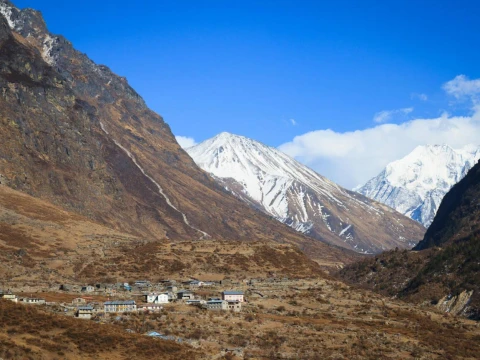
The Langtang Valley Trek is one of the most accessible and scenic treks in Nepal, ideal for travelers looking for breathtaking Himalayan views without the crowds of the Everest or Annapurna regions. Nestled in the Langtang National Park, the valley is home to snow-capped peaks, glaciers, alpine meadows, and rich Tibetan culture. The trek offers a perfect balance of natural beauty, cultural immersion, and moderate adventure, making it suitable for both novice and experienced trekkers.Starting from Kathmandu, trekkers drive to Syabrubesi, which is the gateway to the valley. From here, the trail gradually ascends through rhododendron forests, terraced fields, and traditional Tamang villages. You’ll pass through Lama Hotel, Langtang Village, and finally reach Kyanjin Gompa, a small settlement at the foot of Tserko Ri. The trek allows for exploration of local monasteries, cheese factories, and stunning viewpoints along the way.Explore Langtang National Park with its unique flora and fauna.Spectacular views of Langtang Lirung, Ganesh Himal, and other Himalayan peaks.Cultural immersion in the Tamang and Tibetan communities.Opportunity to hike Tserko Ri for panoramic mountain views.Best Season for Langtang Valley TrekThe best seasons to trek in Langtang Valley are spring (March to May) and autumn (September to November). During spring, rhododendrons bloom in vibrant colors, creating a stunning landscape, while autumn offers clear skies and stable weather for the best Himalayan views.Winter trekking is possible but challenging due to heavy snowfall, especially at higher altitudes near Kyanjin Gompa and Tserko Ri. Monsoon season (June to August) is generally not recommended due to slippery trails and leeches, though the valley remains lush and green.Season Highlights:Spring: Rhododendron forests, mild temperatures, clear skies.Autumn: Crisp air, excellent mountain visibility, festive local culture.Winter: Snowy landscapes, fewer crowds, need warm gear.Langtang Valley Trek Difficulty and TransportationThe Langtang Valley Trek is considered moderate in difficulty, suitable for those with reasonable fitness and some prior trekking experience. Altitudes reach up to 5,033 m on Tserko Ri, which may pose mild altitude-related challenges. The daily walks average 4–7 hours, with gradual ascents and occasional steep sections.Transportation is straightforward. From Kathmandu, travelers drive 6–8 hours to Syabrubesi, where the trek begins. Local jeeps or buses are commonly used, offering scenic routes through hills and valleys. The trek itself involves walking on well-marked trails, often alongside rivers and through forests.Difficulty & Transport Summary:Trek difficulty: ModerateHighest altitude: 5,033 m (Tserko Ri)Daily walking: 4–7 hoursTransportation: Jeep/Bus from Kathmandu to SyabrubesiFood and Accommodation for Langtang Valley TrekAccommodation along the Langtang Valley Trek is primarily in tea houses and lodges, which offer basic yet comfortable facilities. Rooms usually have twin beds, blankets, and shared bathrooms. Hot showers are available at major stops like Kyanjin Gompa for a small fee.Food is a mix of Nepali, Tibetan, and Western cuisine, with options like dal bhat, momo, noodles, and soups. While the menu is varied, higher altitude locations may have limited supplies, and prices increase slightly due to transportation costs. Trekkers are advised to carry snacks and energy bars for longer walks.Food & Stay Highlights:Tea houses with twin rooms and blankets.Dal bhat, noodles, and Tibetan momo are widely available.Hot showers at Kyanjin Gompa for a small fee.Snack and water availability along the trail.Langtang Valley Trek PermitsTo enter Langtang National Park and trek the valley, trekkers need two main permits: the Langtang National Park Entry Permit and the TIMS (Trekkers’ Information Management System) Card. These permits are typically arranged by trekking agencies such as Mountain of Nepal for convenience.The park permit helps protect the environment and wildlife while providing funds for local communities. TIMS ensures trekkers are registered for safety and emergency support. Fees vary depending on nationality, with lower rates for South Asian citizens.Permit Summary:Langtang National Park Permit – Required for all trekkersTIMS Card – Essential for trek registration and safetyAgency support available for hassle-free processingWhy Choose Langtang Valley TrekThe Langtang Valley Trek is ideal for travelers seeking a combination of nature, culture, and adventure without the intense demands of higher-altitude treks like Everest Base Camp. It offers diverse landscapes, traditional villages, and a genuine Himalayan experience. Trekkers also get the chance to explore Kyanjin Gompa, interact with monks, and hike Tserko Ri for panoramic views.Choosing Mountain of Nepal ensures a safe and well-organized experience. Their experienced guides, local knowledge, and logistical support make the trek enjoyable and stress-free, from permit arrangements to tea house bookings and emergency preparedness.Reasons to Choose This Trek:Moderate difficulty, suitable for most trekkers.Stunning Himalayan scenery and cultural immersion.Expert guidance and logistics support by Mountain of Nepal.Opportunity to climb Tserko Ri for breathtaking views.
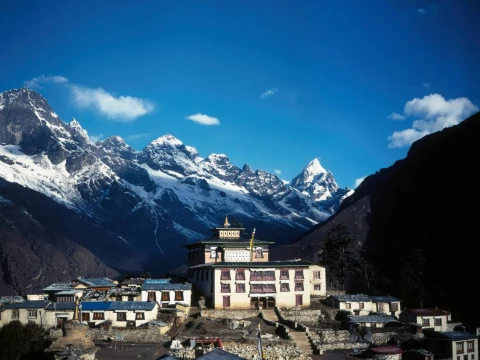
The Everest Panorama Trek operated by Mountain of Nepal is a beautifully balanced Himalayan journey designed for trekkers who want breathtaking Everest views without the extreme altitude challenge of a full Everest Base Camp trek. This itinerary passes through iconic Sherpa villages, ancient monasteries, and panoramic viewpoints that showcase the grandeur of the Khumbu region. The route is carefully designed to offer cultural depth along with natural beauty, making it ideal for beginners, families, and photographers.This trek begins in Kathmandu and moves toward the legendary Everest region via a scenic flight to Lukla. From there, the trail follows traditional routes through places like Phakding, Namche Bazaar, Tengboche Monastery, Khumjung Village, and Monjo. Each destination offers unique Himalayan perspectives, from Buddhist monasteries to sweeping views of Everest, Ama Dablam, and Thamserku.Stunning Everest and Himalayan panoramic viewpointsCultural experience in Sherpa villagesVisit to famous monasteries like TengbocheModerate trekking difficulty suitable for most trekkersProfessionally guided experience by Mountain of NepalBest Season for Everest Panorama TrekThe best time to undertake the Everest Panorama Trek with Mountain of Nepal is during the pre-monsoon (spring) and post-monsoon (autumn) seasons. These periods provide the clearest skies, stable weather conditions, and the best mountain visibility, which is essential for enjoying panoramic views of Everest and surrounding peaks.Spring (March to May) offers blooming rhododendron forests, mild temperatures, and vibrant landscapes along the trail. Autumn (September to November) is considered the peak trekking season due to crystal-clear skies and excellent visibility of the Himalayan ranges. Winter trekking is possible, but colder conditions and occasional snowfall can make trails more challenging, while the monsoon season (June to August) brings heavy rainfall and poor visibility.Season Highlights:Spring (Mar–May): Flowers, greenery, stable weatherAutumn (Sep–Nov): Best visibility and trekking conditionsWinter (Dec–Feb): Cold but quiet trailsMonsoon (Jun–Aug): Not recommended due to rain and landslidesMountain of Nepal always schedules treks considering seasonal safety and optimal mountain views for clients.Everest Panorama Trek Difficulty and TransportationThe Everest Panorama Trek is considered a moderate-level trek, making it suitable for beginners with basic fitness and for experienced trekkers who want a shorter Himalayan experience. Daily walking ranges between 4 and 6 hours on well-established trails. The altitude gradually increases, allowing proper acclimatisation and reducing the risk of altitude sickness.The journey begins with a thrilling mountain flight from Kathmandu to Lukla, one of the most famous airstrips in the world. From Lukla, the trekking route follows gradual ascents through river valleys, suspension bridges, and traditional settlements. Acclimatisation is supported through a rest day in Namche Bazaar, ensuring safer altitude progression.Difficulty & Transport Points:Moderate trekking difficulty (suitable for beginners with fitness)4–6 hours average walking per dayScenic flight Kathmandu → Lukla → KathmanduGradual altitude gain for safe acclimatisationManaged logistics by Mountain of Nepal for smooth travelFood and Accommodation for Everest Panorama TrekAccommodation during the Everest Panorama Trek is mainly in traditional teahouses run by local Sherpa families. These lodges provide basic but comfortable facilities, including twin-sharing rooms, warm blankets, and communal dining areas. In lower elevations like Lukla and Namche Bazaar, facilities are more developed, while higher villages offer simpler accommodations reflecting remote Himalayan living conditions.Food is freshly prepared at teahouses and includes a mix of Nepali, Tibetan, and basic international dishes. The most popular meal is dal bhat (rice, lentils, vegetables), which provides high energy for trekking days. Other options include noodles, soups, potatoes, eggs, pancakes, and tea/coffee. The mountain of Nepal ensures hygienic food arrangements and recommends nutritious meals for altitude adaptation.Accommodation & Food Highlights:Teahouse accommodation throughout the trekTwin-sharing rooms with basic amenitiesFreshly cooked local and international mealsHigh-energy food options like dal bhatSafe and hygienic arrangements by Mountain of NepalEverest Panorama Trek PermitsTo undertake the Everest Panorama Trek, trekkers require official trekking permits issued by the Nepal government. Mountain of Nepal manages all permit arrangements on behalf of clients to ensure a hassle-free experience. The primary permits include the Sagarmatha National Park Entry Permit and the Khumbu Pasang Lhamu Rural Municipality Permit.These permits are essential for entering the protected areas of the Everest region and for conservation support. All documents are checked at multiple entry points, such as Monjo and other checkpoints along the trail. Carrying a valid identification (passport) is mandatory during the trekking process.Permit Requirements:Sagarmatha National Park Entry PermitKhumbu Rural Municipality PermitPassport copy and passport-sized photosIssued and managed by Mountain of NepalRequired for all trekkers entering the Everest regionProper permit handling ensures legal compliance and supports local conservation efforts.Why Choose Everest Panorama TrekThe Everest Panorama Trek is ideal for those who want to experience the magic of the Everest region without committing to a long or extremely challenging expedition. It provides a perfect combination of Himalayan scenery, Sherpa culture, and accessible trekking routes. With Mountain of Nepal, trekkers receive professional guidance, safety assurance, and personalised support throughout the journey.Unlike longer Everest Base Camp treks, this itinerary is shorter yet still delivers unforgettable views of Everest and surrounding peaks. It also includes cultural immersion in monasteries like Tengboche Monastery and vibrant villages such as Namche Bazaar. The trek is well-paced, allowing trekkers to enjoy nature without physical overload.Why Choose This Trek:Short and scenic Everest experienceSuitable for beginners and familiesRich Sherpa culture and monastery visitsSafe itinerary with acclimatisation daysFully organised by Mountain of Nepal
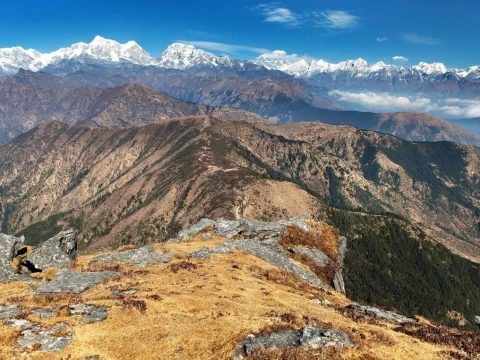
The Pikey Peak Trek is one of the most scenic and culturally rich short treks in the lower Everest region of Nepal, organized professionally by Mountain of Nepal. This trek offers an exceptional Himalayan experience without the extreme altitude risks of higher Everest Base Camp routes. Starting from the bustling capital city of Kathmandu (1,400m), the journey gradually ascends through rural settlements, lush hills, rhododendron forests, and high ridges before reaching the summit of Pikey Peak (4,065m).What makes this trek special is its panoramic view of the Himalayan range, including Mount Everest, Makalu, Kanchenjunga, and other surrounding peaks. The itinerary is carefully designed to balance acclimatization and cultural immersion, passing through traditional Sherpa and Tamang villages such as Jhapre, Junbesi, and Phaplu. Each day offers a combination of natural beauty and authentic Himalayan lifestyle experiences.Stunning sunrise view from Pikey Peak summitClose cultural interaction with Sherpa communitiesVisit to ancient monasteries like ThuptenchholingScenic drive from Kathmandu to Dhap BazaarLess crowded trekking trails compared to the Everest regionMountain of Nepal ensures a safe, guided, and enriching experience, combining local expertise with professional trekking support.Best Season for Pikey Peak TrekThe best time to undertake the Pikey Peak Trek is during the spring (March to May) and autumn (September to November) seasons. These periods offer the clearest mountain views, stable weather conditions, and comfortable trekking temperatures. The trails are especially beautiful in spring when rhododendron forests bloom with vibrant colors across the lower Himalayan slopes.Autumn is considered the peak trekking season in Nepal due to post-monsoon clarity, dry trails, and excellent visibility of the Himalayan range. Winter trekking is possible but can be challenging due to heavy snowfall at higher elevations like Pikey Peak Base Camp (3,640m). The monsoon season (June to August) is generally avoided because of slippery trails, leeches in lower forests, and limited mountain visibility.Seasonal advantages:Spring (Mar–May): Blooming forests, mild temperatures, colorful landscapesAutumn (Sep–Nov): Best visibility, stable weather, ideal photography conditionsWinter (Dec–Feb): Snow views, fewer crowds, colder conditionsMonsoon (Jun–Aug): Green landscapes but poor visibility and muddy trailsMountain of Nepal recommends spring and autumn departures for the safest and most rewarding trekking experience. Proper seasonal planning ensures better acclimatization, enjoyable hiking conditions, and unforgettable Himalayan scenery.Pikey Peak Trek Difficulty and TransportationThe Pikey Peak Trek is classified as a moderate-level trek, suitable for beginners with basic fitness as well as experienced trekkers looking for a quieter Himalayan route. The highest point is Pikey Peak at 4,065 meters, which is manageable compared to higher-altitude treks in Nepal. However, daily walking durations of 5–7 hours require stamina and gradual acclimatization.The trek involves a combination of driving and trekking. The journey begins with a scenic drive from Kathmandu to Dhap Bazaar (2,850m), which takes approximately 8–10 hours depending on road conditions. From there, trekking begins through Jhapre, Pikey Peak Base Camp, and onward to the summit. The return route continues through Jasmane Bhanjyang, Junbesi, and Phaplu before driving back to Kathmandu.Difficulty breakdown:Moderate altitude gain (safe acclimatization profile)Daily trekking: 5–7 hours averageSome steep ascents and descents near the summitCold temperatures at higher elevationsRequires basic physical fitness and enduranceTransportation highlights:Private/local jeep or bus from Kathmandu to Dhap BazaarTrekking routes are fully on footReturn drive from Phaplu to KathmanduMountain of Nepal ensures safe transportation arrangements, experienced guides, and flexible pacing to match group fitness levels.Food and Accommodation for Pikey Peak TrekFood and accommodation along the Pikey Peak Trek are simple but comfortable, reflecting the remote mountain lifestyle of the region. Tea houses and local lodges are available throughout the route, especially in villages like Jhapre, Junbesi, and Phaplu. Rooms are generally twin-sharing with basic bedding, warm blankets, and shared bathroom facilities.Meals are freshly prepared by local tea houses and include a mix of Nepali and basic international dishes. The most common meal is Dal Bhat (rice, lentil soup, vegetables), which provides high energy for trekking. Other options include noodles, soups, pasta, pancakes, eggs, and Tibetan bread. At higher altitudes like Pikey Peak Base Camp, food variety becomes more limited due to transportation constraints.Accommodation and food highlights:Basic but clean tea house accommodationTwin-sharing rooms with shared toiletsHot meals prepared fresh dailyDal Bhat, noodles, soups, and eggs as main energy foodsLimited menu at higher altitude campsMountain of Nepal ensures hygienic meal arrangements and selects the best available lodges along the route. Clean drinking water, boiled or purified, is available at most stops, though trekkers are encouraged to carry water purification tablets or filters for safety.Pikey Peak Trek PermitsTo undertake the Pikey Peak Trek, certain permits are required as the route passes through regulated trekking and conservation areas of Nepal. Mountain of Nepal handles all permit arrangements for trekkers to ensure a hassle-free experience from arrival to departure.The main permits required include the TIMS (Trekkers’ Information Management System) card and the Gaurishankar Conservation Area Permit (GCAP), as parts of the route fall under protected regions. These permits help support conservation efforts and ensure trekkers’ safety and tracking throughout the journey.Permit details:TIMS Card for trek registration and safety trackingGaurishankar Conservation Area Permit (GCAP)Issued in Nepal through authorized agenciesRequired for all foreign trekkersManaged fully by Mountain of Nepal on behalf of clientsTrekkers are required to provide a valid passport copy, visa details, and passport-sized photos before departure. No special restricted area permit is needed for the Pikey Peak Trek, making it one of the more accessible Himalayan trekking routes.Mountain of Nepal ensures all documentation is prepared in advance so trekkers can focus entirely on the experience rather than administrative procedures.Why Choose Pikey Peak Trek with Mountain of NepalChoosing the Pikey Peak Trek with Mountain of Nepal guarantees a well-organized, safe, and culturally immersive Himalayan journey. Unlike crowded routes in the Everest region, Pikey Peak offers a peaceful trekking environment with equally stunning mountain views and deeper cultural interaction with local communities.Mountain of Nepal specializes in personalized trekking experiences, ensuring small group sizes, experienced local guides, and flexible itineraries based on weather and fitness levels. The company prioritizes safety, acclimatization, and authentic cultural exposure throughout the journey.Reasons to choose this trek with Mountain of Nepal:Expert local guides with high-altitude experienceFully organized logistics (transport, permits, accommodation)Less crowded and more authentic trekking routePanoramic Everest region views from Pikey Peak summitCultural immersion in Sherpa and Tamang villagesFlexible pacing and strong safety protocolsThe company also focuses on responsible tourism by supporting local tea houses and communities along the route. This ensures that your trek contributes positively to the local economy while preserving the natural environment.


 (2)
(2)  100% recommend (0)
 (0)
(0)