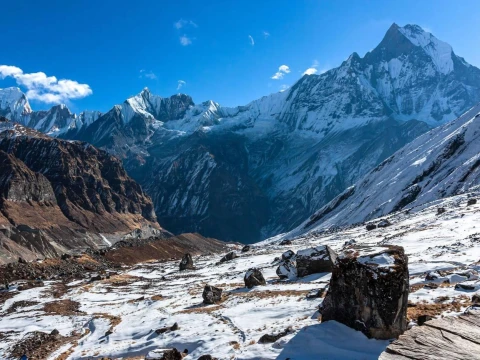
The Annapurna Base Camp (ABC) Trek is one of Nepal’s most iconic trekking experiences, offering a blend of natural beauty, cultural immersion, and panoramic mountain views. Beginning with a drive from Kathmandu to Pokhara and onward to Ulleri, trekkers slowly ascend through terraced villages, lush rhododendron forests, and cascading waterfalls. Each day of the trek presents a unique experience from the sunrise at Poon Hill to the breathtaking Annapurna and Machhapuchhre peaks. The route passes through well-established villages like Ghorepani, Tadapani, and Chhomrong, where trekkers can witness the lifestyle of local Gurung and Magar communities.The trek culminates at the Annapurna Base Camp (4,100 m), where trekkers are rewarded with a 360-degree view of towering Himalayan giants including Annapurna I, Machhapuchhre (Fishtail), and Hiunchuli. Beyond just mountain vistas, the journey offers diverse landscapes—subtropical forests at lower altitudes, alpine meadows mid-trek, and high Himalayan terrain near the base camp. Trekkers often comment on the magical sunrise views, the peaceful mountain atmosphere, and the opportunity to disconnect from city life while fully immersing in Nepal’s natural splendor. Organized by Mountain of Nepal, this trek combines comfort, safety, and expert local guidance, ensuring a memorable Himalayan adventure.Starts: Kathmandu → Pokhara → UlleriHighlights: Poon Hill sunrise, Annapurna, and Machhapuchhre viewsVillages: Ghorepani, Tadapani, ChhomrongAltitude range: 1,400 m – 4,100 mTrek style: Moderate, nature and culture blendBest Season for Annapurna Base Camp TrekThe best seasons to undertake the Annapurna Base Camp Trek are spring (March to May) and autumn (September to November). During spring, rhododendron forests bloom with vibrant red and pink flowers, adding colorful charm to the trekking path. The weather is generally clear and mild, allowing trekkers to enjoy unobstructed mountain views and pleasant hiking conditions. This season is ideal for photography enthusiasts who want to capture both natural landscapes and local village life.Autumn, on the other hand, offers stable weather with minimal rainfall, crisp air, and spectacular visibility of the snow-capped peaks. This is considered the peak trekking season in Nepal, as most trekkers aim to experience clear skies and moderate temperatures. While winter (December to February) is colder, especially at higher altitudes, it provides a quieter trekking experience with fewer crowds. Monsoon season (June to August) is usually avoided due to heavy rainfall, slippery trails, and limited visibility of mountain panoramas. Mountain of Nepal ensures that itineraries are tailored to each season, optimizing both safety and experience while trekking in the Annapurna region.Short points:Spring (Mar–May): Blooming rhododendrons, mild weatherAutumn (Sep–Nov): Clear skies, peak trekking seasonWinter (Dec–Feb): Fewer crowds, cold temperaturesMonsoon (Jun–Aug): Heavy rain, slippery trailsGuided seasonal planning by Mountain of NepalAnnapurna Base Camp Trek Difficulty and TransportationThe Annapurna Base Camp Trek is generally classified as a moderate trek, suitable for trekkers with basic fitness levels and some prior hiking experience. While the daily walking duration ranges from 4 to 7 hours, the gradual elevation gain allows trekkers to acclimatize comfortably. Key challenges include steep ascents through Ulleri’s long stone staircases, variable terrain at higher altitudes, and occasional cold or windy conditions near the base camp. Mountain of Nepal provides professional guides and porters to ensure safe pacing and proper acclimatization throughout the trek.Transportation for the trek begins with a drive from Kathmandu to Pokhara, which can take 6–8 hours on scenic roads. From Pokhara, travelers take a local drive to the trailhead at Nayapul or Ulleri, depending on the itinerary. Trekkers can return via the same route or fly back from Pokhara to Kathmandu, saving travel time. Local transport is typically arranged by the trekking company, including private vehicles, airport transfers, and logistical support along the trail. This combination of road travel and trekking ensures both convenience and flexibility for adventurers exploring the Annapurna region.Short points:Trek difficulty: ModerateDaily trek duration: 4–7 hoursKey challenge: Steep ascents, altitude adjustmentTransport: Kathmandu → Pokhara → TrailheadReturn: Pokhara → Kathmandu (flight option)Food and Accommodation for Annapurna Base Camp TrekFood and accommodation along the Annapurna Base Camp Trek are comfortable and varied, catering to both local flavors and familiar international dishes. Tea houses and lodges are available in nearly every village along the route, such as Ghorepani, Tadapani, and Chhomrong. Typical meals include dal bhat (Nepalese lentil soup with rice), momo (dumplings), and a variety of noodles and soups. Western dishes like pasta, omelets, and pancakes are also available at most tea houses. The mountain of Nepal ensures that trekkers have access to nutritious meals for energy and supports dietary preferences or restrictions where possible.Accommodation is mostly in cozy, rustic lodges or tea houses with shared or private rooms, equipped with basic amenities. Higher-altitude stops like Machhapuchhre Base Camp and Annapurna Base Camp offer simpler lodges, but trekkers enjoy spectacular views and a warm, communal atmosphere. Some lodges provide hot showers and Wi-Fi, although facilities may be limited in remote locations. Staying in these lodges allows trekkers to experience local hospitality and connect with fellow adventurers while enjoying nightly views of the Himalayas.Short points:Meals: Dal bhat, momo, noodles, Western optionsLodges/tea houses: Comfortable, shared or private roomsHigh-altitude facilities: Basic, spectacular viewsSupport for dietary needs by Mountain of NepalSocial experience: Interaction with locals and trekkersAnnapurna Base Camp Trek PermitsTrekking in the Annapurna region requires specific permits to ensure responsible tourism and conservation of the trails. All trekkers need the Annapurna Conservation Area Permit (ACAP) and the Trekkers’ Information Management System (TIMS) card. ACAP is issued by the National Park Authority and helps fund conservation efforts, local community development, and trail maintenance. TIMS is essential for safety, tracking, and emergency purposes.Permits can be arranged before departure or obtained in Kathmandu or Pokhara. Mountain of Nepal handles all permit arrangements as part of their trekking packages, ensuring that trekkers comply with regulations without any hassle. Additionally, guides carry copies of permits during the trek, which are required when entering villages and park areas. By following these regulations, trekkers contribute to the sustainable development of the Annapurna region while enjoying a well-managed trekking experience.Short points:Required permits: ACAP, TIMS cardPurpose: Conservation, safety, community supportIssued in: Kathmandu or PokharaArranged by Mountain of NepalGuides carry copies for complianceWhy Choose Annapurna Base Camp TrekChoosing the Annapurna Base Camp Trek offers a perfect combination of adventure, cultural immersion, and natural beauty. The trek is suitable for moderate-level trekkers and offers rewarding panoramic views of some of the highest peaks in the world. Along the trail, you will experience local village life, interact with welcoming communities, and witness traditional Nepalese culture in its natural setting. The diversity of landscapes from subtropical forests to high alpine meadows makes this trek visually stunning and endlessly engaging.Partnering with Mountain of Nepal ensures a professional and safe trekking experience. Their expert guides, experienced porters, and well-planned itineraries take care of logistics, accommodations, meals, and permits. Whether you are a first-time trekker or a seasoned adventurer, this trek combines safety, comfort, and adventure. The added benefit of exploring the sunrise at Poon Hill, the majestic Annapurna Base Camp, and the rich Himalayan ecosystem makes this journey truly unforgettable. This trek is not only a physical adventure but also a journey into the heart of Nepalese culture and the grandeur of the Himalayas.Short points:Moderate-level trek, panoramic Himalayan viewsCultural immersion: Gurung and Magar villagesLandscapes: Forests, meadows, high-altitude terrainExpert guidance by Mountain of NepalMemorable sunrise and base camp experiences
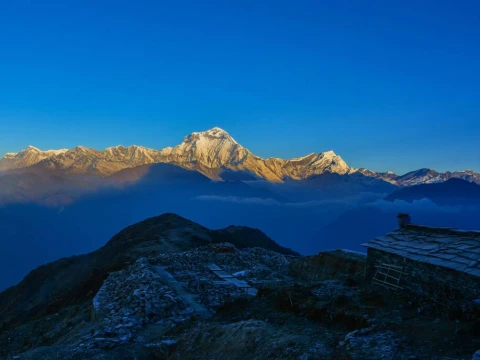
The Khopra Ridge Trek is one of the most scenic and less crowded trekking routes in the Annapurna region of Nepal, offering breathtaking Himalayan views, peaceful trails, and authentic village experiences. Organized by Mountain of Nepal, this trek is designed for travelers seeking a quieter alternative to the busy Annapurna Base Camp route while still enjoying spectacular mountain panoramas, including Dhaulagiri, Annapurna South, Nilgiri, and Machhapuchhre (Fishtail).The journey begins from the culturally rich village of Ghandruk and gradually ascends through lush rhododendron forests, alpine meadows, and high ridges until reaching the stunning Khopra Ridge viewpoint. Along the way, trekkers pass through remote settlements such as Tadapani, Dobato, and Bayeli Kharka, each offering unique landscapes and local hospitality.A major highlight of the trek is the sacred alpine lake Khayar Lake, situated at an altitude of about 4,660 meters, which is an important pilgrimage site for local Hindu communities. The trek perfectly blends adventure, culture, and spirituality.Panoramic Himalayan views from Khopra RidgeVisit sacred Khayar LakeAuthentic Gurung village experienceLess crowded trekking trailRich biodiversity in the Annapurna Conservation AreaOverall, the Khopra Ridge Trek is ideal for trekkers who want a peaceful Himalayan journey without compromising on dramatic mountain scenery and cultural richness.Best Season for Khopra Ridge TrekThe best time to trek on Khopra Ridge is during the spring (March to May) and autumn (September to November) seasons, when the weather is stable, and mountain visibility is at its highest. Organized by Mountain of Nepal, this trek is carefully scheduled to ensure safe walking conditions, comfortable temperatures, and the best photographic opportunities.During spring, the trail is decorated with blooming rhododendrons and lush greenery. The forests between Ulleri and Khopra Ridge become especially beautiful, creating a colorful trekking experience. Temperatures are moderate, and skies are generally clear in the mornings.Autumn is equally popular due to post-monsoon clarity, offering crystal-clear views of the Annapurna and Dhaulagiri ranges. Cultural festivals like Dashain and Tihar may also be experienced in lower villages such as Ghandruk.Winter (December–February) is possible, but very cold at higher elevations like Khopra Ridge (3,660 m), and heavy snowfall may block routes to Khayar Lake. Monsoon (June–August) is less recommended due to slippery trails and leeches in forested areas.Key PointsBest seasons: Spring & AutumnClear mountain visibilityStable weather conditionsBlooming rhododendron forests in springWinter trekking possible but challengingChoosing the right season ensures a safer and more rewarding trekking experience with Mountain of Nepal.Khopra Ridge Trek Difficulty and TransportationThe Khopra Ridge Trek is considered a moderate-level trek, suitable for trekkers with basic fitness and some prior hiking experience. While technical climbing is not required, the route involves long walking hours, steep ascents, and high-altitude terrain, especially when approaching Khopra Ridge and Khayar Lake.Daily walking ranges from 4 to 8 hours, with significant elevation gain between villages such as Tadapani, Dobato, and Khopra Ridge. The highest point is Khayar Lake at 4,660 meters, where altitude sickness awareness is important.Transportation is well-managed by Mountain of Nepal. The journey begins with a domestic flight or drive from Kathmandu to Pokhara, followed by a scenic jeep drive to Ghandruk, the trek starting point. After completing the trek, travelers return via Ulleri and drive back to Pokhara, then Kathmandu.Difficulty SummaryModerate trekking level5–8 hours walking per dayHighest altitude: 4,660 mSteep forest and ridge trailsBasic fitness requiredTransportation PointsFlight or drive Kathmandu–PokharaJeep ride to GhandrukReturn via Ulleri to PokharaRoad travel back to KathmanduProper pacing and acclimatization arranged by Mountain of Nepal make the trek achievable for most adventure lovers.Food and Accommodation for Khopra Ridge TrekAccommodation on the Khopra Ridge Trek is mainly in locally run teahouses and community lodges, offering a warm and authentic Himalayan experience. Managed with support from Mountain of Nepal, these lodges provide basic but comfortable facilities, emphasizing local hospitality and sustainable tourism.Rooms are typically twin-sharing with simple bedding, blankets, and shared bathrooms at higher elevations like Khopra Ridge. In lower villages such as Ghandruk and Tadapani, facilities are slightly more developed with better dining spaces and hot showers (sometimes solar-heated).Food is freshly prepared and includes a mix of Nepali and international dishes. The staple meal is Dal Bhat (rice, lentils, vegetables, and pickles), which provides essential energy for trekking. Other options include noodles, pasta, soups, eggs, pancakes, and Tibetan bread.At higher elevations like Khopra Ridge, food options become simpler due to remote access, but meals remain nutritious and hygienic.Food & Accommodation HighlightsTeahouse and community lodge staysBasic twin-sharing roomsHot meals prepared fresh dailyTraditional Dal Bhat for energyLimited but cozy facilities at high altitudeMountain of Nepal ensures hygienic food standards and selects the best available lodges to maintain comfort and safety throughout the trek.Khopra Ridge Trek PermitsTo trek in the Khopra Ridge region, certain permits are mandatory as it lies within the protected Annapurna Conservation Area. Mountain of Nepal handles all permit arrangements to ensure a smooth trekking experience without administrative hassle.The main required permits include the Annapurna Conservation Area Permit (ACAP) and the Trekkers’ Information Management System (TIMS) card. These permits are checked at various entry points along the trail, especially near villages like Ghandruk and Ulleri.ACAP is essential for environmental conservation efforts and supports local community development projects in the region. TIMS ensures trekker safety and helps track movement in remote areas.Permit Requirements SummaryACAP Permit requiredTIMS Card mandatoryChecked at trail entry pointsManaged by a trekking agencySupports conservation and safetyAdditional NotesPassport copy requiredPassport-size photos neededPermits arranged before trek departureIncluded in the Mountain of Nepal packagesHaving all permits pre-arranged allows trekkers to focus fully on the journey without logistical stress.Why Choose Khopra Ridge TrekThe Khopra Ridge Trek is one of the most rewarding hidden gems in Nepal, offering a perfect balance of adventure, culture, and tranquility. Unlike heavily crowded trails, this route provides solitude and uninterrupted mountain views, making it ideal for those seeking a peaceful Himalayan experience.With Mountain of Nepal, trekkers receive professional guidance, well-planned itineraries, and personalized support throughout the journey. From the charming village of Ghandruk to the high alpine beauty of Khopra Ridge and sacred Khayar Lake, every step is carefully organized for safety and enjoyment.The trek also supports local communities through community-based lodges, ensuring that tourism directly benefits remote Himalayan villages. Cultural immersion is another major highlight, as trekkers experience traditional Gurung lifestyles, local cuisine, and mountain hospitality.Why Choose This TrekLess crowded than other Annapurna routesStunning panoramic Himalayan viewsVisit sacred Khayar LakeCultural village experiencesSafe and organized by expertsIn conclusion, the Khopra Ridge Trek with Mountain of Nepal is perfect for trekkers seeking a meaningful, scenic, and peaceful Himalayan adventure away from the mainstream trails.


 (2)
(2)  100% recommend (0)
 (0)
(0)