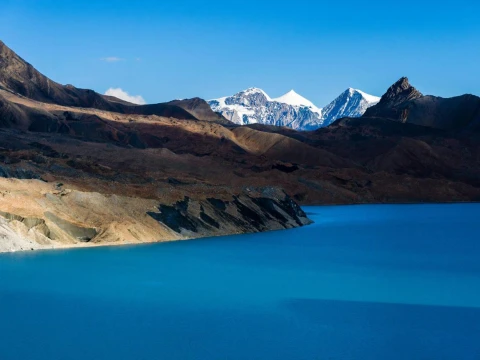
The Annapurna Circuit Trek with Tilicho Lake via Upper Pisang and Ngawal is one of the most diverse and dramatic trekking journeys in the Himalayas of Nepal. Operated by Mountain of Nepal, this itinerary combines the classic Annapurna Circuit with the detour to the breathtaking Tilicho Lake (4,919 m), one of the highest lakes in the world. The route starts from the vibrant capital Kathmandu, followed by a long drive to Chame, the gateway to the Manang region. From here, trekkers gradually ascend through traditional villages like Upper Pisang, Ngawal, and Braga, each offering unique cultural and Himalayan landscape experiences.This trek is a blend of natural beauty, high-altitude adventure, and cultural immersion. The trail passes through the arid landscapes of Manang, alpine forests, glacial valleys, and eventually leads to the sacred lake of Tilicho before rejoining the main circuit. The adventure continues toward Yak Kharka and the challenging high-altitude crossing of Thorong La Pass, before descending to the holy site of Muktinath and ending the trekking section at Jomsom. The journey concludes with a scenic flight via Pokhara back to Kathmandu.Exploration of traditional Manang villages (Pisang, Ngawal, Braga)Visit to Tilicho Lake (world’s highest alpine lake region trek)Crossing Thorong La Pass (5,416 m)Cultural experience in the Muktinath temple areaScenic flight from Jomsom to PokharaBest Season for Annapurna Circuit Trek with Tilicho Lake via Upper Pisang and NgawalThe best time to experience the Annapurna Circuit Trek with Tilicho Lake is during spring (March to May) and autumn (September to November). These seasons provide the most stable weather conditions, clear mountain views, and safer trail conditions, especially for high passes like Thorong La Pass and the Tilicho Lake region. During spring, the trails are decorated with blooming rhododendrons, while autumn offers crystal-clear skies after the monsoon washes away dust and haze.Winter (December to February) is also possible but extremely cold, especially around Tilicho Base Camp and Thorong Phedi. Heavy snowfall may block the pass, making the route more challenging or even inaccessible. Monsoon season (June to August) is generally not recommended due to landslides, slippery trails, and poor visibility, although the Manang region lies in a partial rain shadow and receives less rainfall compared to lower regions like Pokhara.Seasonal breakdown:Spring (Mar–May): Best for flowers, moderate temperatures, stable weatherAutumn (Sep–Nov): Best visibility, safest trekking conditionsWinter (Dec–Feb): Cold, snow risk at high passesMonsoon (Jun–Aug): Not recommended due to landslidesChoosing the right season ensures safety, comfort, and maximum enjoyment on this high-altitude adventure operated by Mountain of Nepal.Difficulty and Transportation for Annapurna Circuit Trek with Tilicho Lake via Upper Pisang and NgawalThis trek is considered moderate to challenging, primarily due to high altitude, long trekking days, and the demanding crossing of Thorong La Pass at 5,416 meters. The addition of Tilicho Lake makes the itinerary more strenuous because of steep ascents, landslide-prone sections, and thin air conditions above 4,000 meters. However, with proper acclimatization days in Manang and a steady pace, most fit trekkers can complete the route successfully.The journey begins with a drive from Kathmandu to Chame, which takes around 9–10 hours on mountainous roads. From there, trekking starts toward Upper Pisang and Ngawal, continuing through the Manang valley. The route includes both trekking and transport segments, ending with a flight from Jomsom to Pokhara and then back to Kathmandu. Some sections may also involve jeep transport depending on weather and road conditions.Difficulty factors:High altitude above 4,000–5,400 metersLong walking hours (5–7 hours daily)Cold temperatures at Tilicho and Thorong PhediRocky, steep, and landslide-prone trailsTransportation summary:Drive: Kathmandu → Chame (off-road mountain drive)Trek: Chame → Manang → Tilicho → Thorong La → MuktinathFlight: Jomsom → Pokhara → KathmanduOperated by Mountain of Nepal, proper acclimatization schedules are strictly followed to ensure safety.Food and Accommodation for Annapurna Circuit Trek with Tilicho Lake via Upper Pisang and NgawalAccommodation along the Annapurna Circuit Trek with Tilicho Lake route is mainly in tea houses, which are simple mountain lodges run by local families. In lower regions like Chame, Upper Pisang, and Ngawal, facilities are relatively comfortable with private rooms, shared bathrooms, and dining halls. As you move higher toward Yak Kharka and Thorong La Pass, accommodation becomes more basic due to remote conditions and limited resources.Food options are surprisingly diverse considering the altitude. Common meals include dal bhat (rice, lentils, vegetables), noodles, pasta, soups, eggs, and Tibetan bread. In higher areas like Tilicho Base Camp and Thorong Phedi, food availability becomes limited but still sufficient for trekkers. Hot drinks such as tea, ginger lemon honey, and garlic soup are highly recommended for altitude adaptation.Accommodation features:Tea house lodging (basic to moderate comfort)Shared or private rooms, depending on altitudeLimited electricity and charging at higher elevationsFood highlights:Traditional Nepali dal bhat (energy-rich meal)Pasta, noodles, fried rice, soupsHot drinks for altitude recoveryImportant note from Mountain of Nepal: Prices increase with altitude due to transportation difficulty, and menu variety decreases after the Manang region. Proper hydration and balanced meals are essential for high-altitude trekking success.Annapurna Circuit Trek with Tilicho Lake via Upper Pisang and Ngawal – PermitsTo complete the Annapurna Circuit Trek with Tilicho Lake, trekkers must obtain specific permits issued by the Government of Nepal. These permits are mandatory for entry into the Annapurna Conservation Area and for trekking in restricted regions like Manang and Mustang. Mountain of Nepal arranges all necessary documentation for trekkers to ensure a hassle-free experience.The main permits required are the Annapurna Conservation Area Permit (ACAP) and the Trekkers’ Information Management System (TIMS) card. These permits help regulate tourism, ensure safety, and support conservation efforts in sensitive Himalayan ecosystems. They are checked at multiple entry points, including checkpoints near Chame and Jomsom.Required permits:ACAP (Annapurna Conservation Area Permit)TIMS Card (Trekkers’ Information Management System)Additional permits (if required for restricted side routes)Why permits matter:Support the conservation of the Annapurna regionEnsure trekker safety and trackingFund local community development projectsPermits can be obtained in Kathmandu or Pokhara through authorized agencies. When trekking with Mountain of Nepal, all permits are included in the package, eliminating administrative stress and allowing trekkers to focus fully on the journey.Why Choose Annapurna Circuit Trek with Tilicho Lake via Upper Pisang and NgawalChoosing this specific itinerary offers one of the most complete Himalayan experiences in Nepal. The combination of classic Annapurna Circuit villages like Upper Pisang and Ngawal with the side trip to Tilicho Lake creates a perfect balance of culture, adventure, and extreme natural beauty. The trek also includes the dramatic crossing of Thorong La Pass, making it a once-in-a-lifetime achievement for many trekkers.This route is ideal for trekkers who want more than just a standard circuit. It provides deeper cultural immersion in the Manang region, panoramic views of the Annapurna and Dhaulagiri ranges, and the spiritual experience of visiting Muktinath. The journey also transitions from lush valleys to barren high-altitude deserts, offering incredible geographical diversity.Why choose this trek with Mountain of Nepal:Expert-guided safe itinerary with acclimatizationInclusion of the Tilicho Lake adventure routeCultural exploration of Manang villagesScenic mountain flights from Jomsom to PokharaFully managed logistics, permits, and accommodationUltimately, this trek is not just a physical journey but a transformative Himalayan experience. With Mountain of Nepal, trekkers receive professional guidance, safety assurance, and a deeply enriching adventure across one of the world’s most iconic trekking regions.
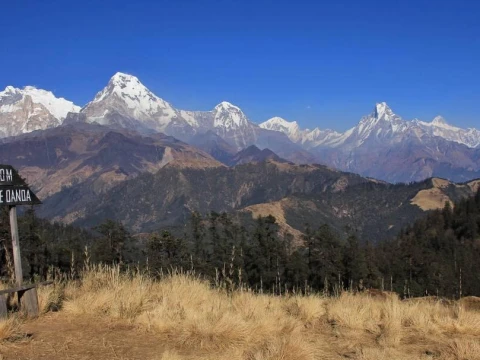
The Annapurna Four Viewpoints Trek is a scenic trekking journey in the Annapurna region of Nepal that connects four iconic vantage points: Mohare Danda, Poon Hill, Khopra Danda, and Mulde Peak, offering some of the best panoramic Himalayan views. The route passes through traditional villages, dense rhododendron forests, terraced farmlands, and high alpine ridges, creating a perfect blend of culture and nature. The trek is designed to provide multiple sunrise and sunset viewpoints of the Annapurna and Dhaulagiri mountain ranges.This itinerary starts from the bustling capital city of Kathmandu and travels through Pokhara before entering remote mountain trails. Key destinations like Ghorepani, Poon Hill, Mohare Danda, Khopra Danda, and Mulde Peak form the backbone of the trek.Four major Himalayan viewpoints in one trekCultural village experience in the Magar and Gurung communitiesSunrise views of Annapurna & Dhaulagiri rangesEco-community lodge trekking experienceBest Season for Annapurna Four Viewpoints TrekThe best time to undertake the Annapurna Four Viewpoints Trek is during spring (March–May) and autumn (September–November). In spring, the entire trail blooms with vibrant rhododendron flowers, while autumn offers crystal-clear skies and the most stable weather conditions. These seasons provide the best visibility for Himalayan peaks and comfortable trekking temperatures.Winter (December–February) is also possible, but it can be cold at higher elevations like Khopra Danda and Mohare Danda. Snow may block trails near viewpoints, but it offers a peaceful, less crowded experience. The monsoon season (June–August) is generally not recommended due to slippery trails, leeches, and limited mountain visibility.Short Highlights:Best seasons: Spring & AutumnClear mountain views and stable weatherWinter trekking possible with preparationMonsoon trekking is not recommendedAnnapurna Four Viewpoints Trek Difficulty and TransportationThe Annapurna Four Viewpoints Trek is considered moderate to moderately challenging. It involves daily walking of 5–8 hours through steep ascents, stone steps, and high ridgelines. The highest elevation reaches around 3,650 meters at Mulde Peak, so altitude adaptation is important, though the risk of severe altitude sickness is relatively low compared to higher Himalayan treks.Transportation begins with a drive from Kathmandu to Pokhara, followed by a journey to Nayapul. From there, trekking starts toward Birethanti and continues through remote villages. The return leg includes a descent to Ghandruk, followed by a drive back to Pokhara and onward transport to Kathmandu.Short Highlights:Moderate difficulty with daily 5–8 hour walksMaximum altitude: ~3,650mA mix of trekking and road transportRequires basic fitness and staminaFood and Accommodation for Annapurna Four Viewpoints TrekAccommodation on this trek is primarily in community lodges and teahouses, which are simple but comfortable. Villages like Nangi Village, Khopra Danda, and Ghorepani offer basic rooms with twin beds, shared bathrooms, and warm dining halls. In higher elevations, facilities become more rustic, but hospitality remains warm and welcoming.Food is freshly prepared and typically includes Nepali staples like dal bhat (rice, lentils, vegetables), noodles, soups, potatoes, and Tibetan bread. In lower villages, menus are more varied, while higher regions focus on energy-rich meals. Hot drinks like tea, coffee, and ginger lemon honey are widely available to keep trekkers warm.Short Highlights:Community-run teahouse accommodationBasic but clean and cozy roomsTraditional Nepali meals (dal bhat, soups, noodles)Hot drinks available throughout the trailAnnapurna Four Viewpoints Trek PermitsTo trek in the Annapurna region, trekkers need two essential permits: the Annapurna Conservation Area Permit (ACAP) and the Trekkers’ Information Management System (TIMS) card. These permits help regulate tourism and support conservation efforts in the region.The trekking agency Mountain of Nepal handles all permit arrangements for travelers, ensuring a smooth and hassle-free process. Permits are checked at multiple entry points along the trail, especially near conservation checkpoints in villages like Birethanti and Ghorepani.Short Highlights:ACAP permit requiredTIMS card mandatoryChecked at multiple trekking checkpointsArranged by Mountain of NepalWhy Choose Annapurna Four Viewpoints TrekThe Annapurna Four Viewpoints Trek is unique because it combines four major Himalayan viewpoints in one route, offering diverse perspectives of the Annapurna and Dhaulagiri ranges. Unlike standard treks, this itinerary is less crowded and emphasizes community-based eco-tourism, making it more sustainable and culturally immersive.Choosing Mountain of Nepal ensures professional guidance, experienced local guides, well-planned logistics, and safety-focused trekking support. The company also promotes responsible tourism by staying in community lodges and supporting local villages throughout the route.Short Highlights:Four iconic viewpoints in one trekLess crowded and eco-friendly routeRich cultural immersion in mountain villagesSafe and organized trekking with Mountain of NepalStunning sunrise and panoramic Himalayan views
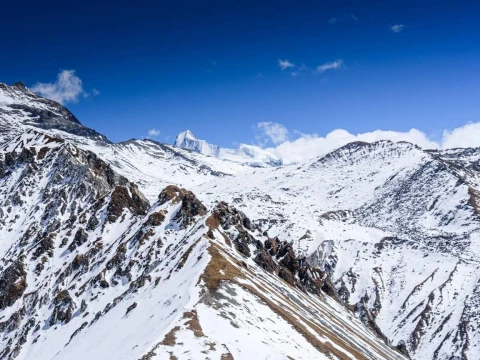
The Langtang Valley with Ganja La Pass Trek is a challenging and highly rewarding high-altitude adventure in Nepal, linking the scenic Langtang Valley with the quieter Helambu region through the dramatic Ganja La Pass (5,130 m / 16,800 ft). The pass is one of the most demanding in the region, offering stunning Himalayan panoramas of peaks such as Langtang Lirung, Langtang Ri, Dorje Lakpa, and other surrounding mountains. The trek begins with a scenic drive from Kathmandu to Syabrubesi, followed by classic Langtang Valley trails passing traditional villages, rhododendron forests, alpine meadows, and majestic peaks up to Kyanjin Gompa. Trekkers can enjoy optional hikes like Tserko Ri (4,984 m) for breathtaking 360° views and visit the monastery and yak cheese factory. From Kyanjin Gompa, the terrain becomes more rugged and remote, requiring camping for a few nights before and after the pass. Crossing Ganja La is technically challenging, often involving snowy or icy slopes, steep ascents, and even a ladder installed at one tricky section. Prior experience, such as walking on glaciers with crampons, using an ice axe, and rope techniques for crevasse safety, is recommended. However, if you are new to these skills but highly motivated to cross, our guide can provide on-site training, teaching all the necessary techniques to ensure the success of your trek. This makes it suitable for trekkers with good fitness and high-altitude experience. Wildlife is rich in Langtang National Park, including Himalayan black bears, Himalayan tahr (mountain sheep), langurs, musk deer, and occasional red pandas, adding to the diversity and excitement of the journey. After the pass, the trail descends into the scenic Helambu region, passing through remote alpine villages, lush forests, and terraced farmland before returning toward Kathmandu, completing a spectacular cross-mountain adventure.The Langtang Valley with Ganja La Pass Trek is one of the most adventurous and culturally rich trekking routes in Nepal, organised professionally by Mountain of Nepal. This trek combines the classic beauty of the Langtang region with the challenging high-altitude crossing of Ganja La Pass (5,130 m approx.), making it a perfect blend of scenic valley trekking and alpine expedition. The journey begins from the bustling capital city of Kathmandu and continues through lush forests, Tamang villages, and glacier-fed valleys, leading deep into the Langtang Himalayas.The trek route passes through iconic destinations such as Syabrubesi, Lama Hotel, Langtang Village, and the spiritual hub Kyanjin Gompa, before ascending toward high alpine terrain. A highlight of the journey is the acclimatisation hike to Tserko Ri, offering breathtaking panoramic views of Langtang Lirung and surrounding peaks.After exploring Langtang Valley, trekkers cross the challenging Ganja La Pass, connecting to the remote Helambu region and ending at Tarke Ghyang. The trek is considered remote, less crowded, and highly rewarding for experienced trekkers.Key highlights:Cultural experience with the Tamang heritageRemote alpine wilderness adventureGlacier and Himalayan panoramic viewsGanja La Pass high-altitude crossingOrganised support by Mountain of NepalBest Season for Langtang Valley with Ganja La Pass TrekThe best time to undertake the Langtang Valley with Ganja La Pass Trek is during the spring (March–May) and autumn (September–November) seasons. These periods provide the most stable weather conditions, clear mountain views, and safer trail conditions for crossing high passes like Ganja La Pass.During spring, the trail is enriched with blooming rhododendrons, lush greenery, and active wildlife. Temperatures are moderate, especially around Kyanjin Gompa, making acclimatisation hikes like Tserko Ri more enjoyable. Autumn, on the other hand, is known for crystal-clear skies after the monsoon, offering uninterrupted Himalayan views throughout the trek route from Kathmandu to the remote high passes.Winter (December–February) is possible but extremely cold and snow-covered at higher elevations, especially near Ganja La Pass. Monsoon (June–August) brings heavy rain, landslides, and slippery trails in lower regions like Syabrubesi, making it less favourable.Season summary:Spring: Flowers, wildlife, moderate weatherAutumn: Best visibility, stable conditionsWinter: Cold, snow risk at the passMonsoon: Avoid due to landslidesBest choice: Spring & Autumn (recommended by Mountain of Nepal)Langtang Valley with Ganja La Pass Trek: Difficulty and TransportationThe Langtang Valley with Ganja La Pass Trek is considered moderate to challenging, primarily due to the high-altitude crossing of Ganja La Pass and long trekking days. While the lower sections up to Kyanjin Gompa are relatively moderate, the ascent to over 5,000 meters requires strong physical fitness, prior trekking experience, and proper acclimatisation.The trek involves steep ascents, rocky trails, glacier crossings, and remote camping sections. The hike to Tserko Ri is also physically demanding but essential for altitude preparation. Trekkers should be prepared for 5–8 hours of walking daily, especially during the pass-crossing section from Langtang Valley toward the Helambu region.Transportation begins from Kathmandu with a drive to Syabrubesi, which takes approximately 7–8 hours on mountain roads. After completing the trek, another drive from Tarke Ghyang returns trekkers to Kathmandu.Key difficulty points:High altitude above 5,000 m at Ganja La PassLong trekking hours daily (5–8 hrs)Remote and rugged terrainWeather variability in high regionsRequires good stamina and preparationTransport summary:Kathmandu → Syabrubesi (jeep/bus)Trekking route through the Langtang regionReturn from the Helambu region to KathmanduFood and Accommodation for Langtang Valley with Ganja La Pass TrekAccommodation during the Langtang Valley with Ganja La Pass Trek, organised by Mountain of Nepal, is mainly in tea houses and basic mountain lodges up to Kyanjin Gompa. These lodges provide simple but comfortable rooms with twin-sharing beds, warm blankets, and communal dining areas. Beyond Langtang Valley and toward Ganja La Pass, accommodation becomes more basic, and in some sections, camping support may be required depending on weather and group size.Food along the route is mostly freshly prepared local meals such as dal bhat (rice, lentils, vegetables), noodles, soups, and Tibetan bread. In villages like Langtang Village and Syabrubesi, trekkers can also find limited Western-style food options such as pasta, pancakes, and fried rice. As altitude increases, food options become simpler due to limited supply access.Clean drinking water is available, but it should be treated or filtered. Hot beverages like tea, coffee, and ginger lemon honey are widely available and highly recommended for altitude conditions.Food & accommodation highlights:Tea houses in the lower and mid regionsBasic lodging near high campsTraditional Nepali meals (dal bhat)Limited but available Western foodHot drinks for acclimatisationCamping support near high pass sectionsLangtang Valley with Ganja La Pass Trek PermitsTo complete the Langtang Valley with Ganja La Pass Trek, several permits are required, which are arranged smoothly by Mountain of Nepal for trekkers. The region lies within protected conservation areas, so proper documentation is mandatory before entering from Kathmandu toward Syabrubesi.The main permits include the Langtang National Park Entry Permit and the TIMS (Trekkers’ Information Management System) card. These permits help regulate trekking activities, ensure safety, and support conservation efforts in the Langtang region, including areas like Langtang Village and Kyanjin Gompa.For the Ganja La crossing route, additional local area permissions may be required depending on updated regulations from Nepal’s trekking authorities. These are handled by licensed agencies such as Mountain of Nepal, ensuring a hassle-free trekking experience.Permit checklist:Langtang National Park Entry PermitTIMS Card (Trekkers’ registration)Local area permit (if required for Ganja La route)Passport copy & photosAgency support documentationProper permits ensure safety, environmental protection, and legal trekking access throughout the journey.Why Choose Langtang Valley with Ganja La Pass TrekThe Langtang Valley with Ganja La Pass Trek is one of Nepal’s most rewarding high-altitude adventures, especially when organised by Mountain of Nepal. It offers a rare combination of cultural immersion, alpine wilderness, and a challenging Himalayan pass crossing that few trekking routes provide in a single itinerary.Unlike more commercial trails, this trek passes through less crowded and more authentic regions such as Langtang Village, Kyanjin Gompa, and remote high-altitude landscapes beyond Ganja La Pass. The experience includes glacier views, traditional Tamang culture, and dramatic transitions from lush valleys to rugged alpine terrain.The trek also challenges trekkers physically and mentally, making it ideal for those seeking adventure beyond standard routes. With professional guidance, safety management, and logistical support from Mountain of Nepal, trekkers can confidently explore one of Nepal’s most scenic and adventurous trekking circuits.Why choose this trek:Unique combination of valley + high pass trekLess crowded and more remote experienceRich Tamang's cultural exposureGlacier and Himalayan panorama viewsAdventure-level challenge with expert supportFully organised by Mountain of Nepal
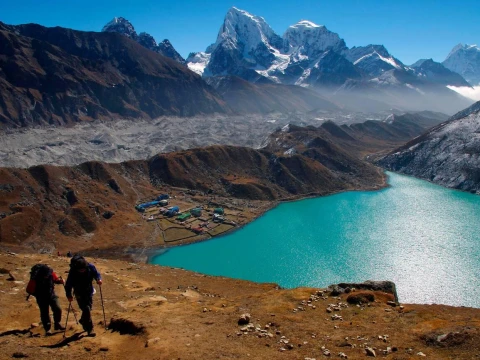
The Gokyo Lake Trek is one of the most scenic and rewarding trekking adventures in the Everest region of Nepal. Operated by Mountain of Nepal, this 12-day journey takes you through lush forests, Sherpa villages, high alpine valleys, and the breathtaking turquoise Gokyo Lakes. Unlike the busier Everest Base Camp route, the Gokyo Valley trek offers a quieter and more peaceful Himalayan experience while still delivering spectacular views of Mount Everest, Cho Oyu, Lhotse, and Makalu.The trek begins with a short flight to Lukla and gradually ascends through Phakding, Namche Bazaar, Dole, Machhermo, and finally Gokyo (4,800 m). One of the major highlights is the climb to Gokyo Ri (5,357 m), which offers one of the best panoramic viewpoints in the entire Himalayas. The return journey follows the same scenic route, allowing trekkers to re-experience the beauty of the Khumbu region from a different perspective.Stunning views of Everest and the surrounding peaksSix major turquoise Gokyo LakesGokyo Ri panoramic viewpointSherpa culture and traditional villagesLess crowded than the Everest Base Camp trailBest Season for Gokyo Lake TrekThe best time to undertake the Gokyo Lake Trek with Mountain of Nepal is during the pre-monsoon (spring) and post-monsoon (autumn) seasons. These periods provide stable weather, clear mountain views, and comfortable trekking conditions. Spring (March to May) is especially beautiful as rhododendrons bloom across the lower hills, adding vibrant colors to the landscape. Autumn (September to November) is considered the peak trekking season due to crystal-clear skies and excellent visibility of Himalayan peaks.Winter trekking (December to February) is possible but challenging due to heavy snowfall and extreme cold at higher altitudes like Gokyo and Machhermo. Similarly, the monsoon season (June to August) is not recommended due to rain, slippery trails, and poor visibility, although the region becomes lush and green.Choosing the right season significantly enhances safety and enjoyment, and Mountain of Nepal ensures proper planning based on weather conditions.Best season summary:Spring (Mar–May): Flowers, mild weather, clear viewsAutumn (Sep–Nov): Best visibility, stable weatherWinter (Dec–Feb): Cold, snow, fewer trekkersMonsoon (Jun–Aug): Wet, slippery, low visibilityGokyo Lake Trek Difficulty and TransportationThe Gokyo Lake Trek is considered a moderate to moderately challenging trek, suitable for trekkers with good physical fitness. While no technical climbing is required, the high altitude above 4,500 meters makes acclimatization very important. The route includes long trekking days, steep ascents, and thin air, especially when climbing Gokyo Ri (5,357 m). However, with proper pacing and guidance from Mountain of Nepal, most fit beginners can complete the trek.Transportation begins with a thrilling domestic flight from Kathmandu to Lukla, one of the world’s most famous mountain airports. From Lukla, all travel is on foot along well-marked Himalayan trails. Porters and guides provided by Mountain of Nepal assist in carrying luggage and navigating the route safely. Emergency helicopter evacuation is also available if required.Difficulty and transport points:Moderate to challenging due to altitudeNo technical climbing requiredFlight: Kathmandu → Lukla (weather dependent)Trekking: Fully on foot after LuklaPorter and guide support availableFood and Accommodation for Gokyo Lake TrekAccommodation during the Gokyo Lake Trek is mainly in traditional teahouses run by local Sherpa families. These lodges provide basic but comfortable rooms, usually with twin beds and shared bathrooms. In lower regions like Namche Bazaar, facilities are more developed, while higher areas like Gokyo and Machhermo offer more basic but cozy accommodations. Mountain of Nepal carefully selects reliable teahouses to ensure safety, cleanliness, and good hospitality.Food is freshly prepared in teahouses and includes a mix of Nepali, Tibetan, and simple international dishes. The most common meal is Dal Bhat (rice, lentils, vegetables), which is highly nutritious and provides energy for trekking. Other options include noodles, pasta, soups, pancakes, and eggs. As altitude increases, food options become limited and slightly more expensive due to transportation costs.Food & accommodation summary:Teahouse lodging throughout the routeBasic rooms with shared bathroomsNutritious local and international mealsDal Bhat is the main energy foodHot drinks like tea, coffee, and soup are availableGokyo Lake Trek PermitsTo complete the Gokyo Lake Trek, trekkers must obtain certain official permits required by the Nepal government. These permits help regulate tourism, support conservation, and maintain trekking trails. Mountain of Nepal manages all necessary paperwork and ensures trekkers receive the correct documentation before starting the journey.The main permits required are the Sagarmatha National Park Entry Permit and the Khumbu Pasang Lhamu Rural Municipality Permit. These are checked at various entry points along the trekking route. Trekkers must carry a valid identification (passport copy) and passport-sized photos for processing. Without these permits, entry into the Everest region is not allowed.Permit details:Sagarmatha National Park Entry PermitKhumbu Pasang Lhamu Rural Municipality PermitPassport and photo requiredChecked at multiple checkpointsManaged by Mountain of NepalWhy Choose the Gokyo Lake TrekThe Gokyo Lake Trek stands out as one of the most beautiful and peaceful trekking routes in the Everest region. Unlike the crowded Everest Base Camp trail, Gokyo offers a quieter journey with equally stunning Himalayan views. With Mountain of Nepal, trekkers receive professional guidance, experienced local guides, and well-organized logistics that ensure a safe and memorable adventure.One of the biggest reasons to choose this trek is the unique combination of turquoise glacial lakes, dramatic mountain scenery, and authentic Sherpa culture. The climb to Gokyo Ri offers arguably the best panoramic view of Everest, Cho Oyu, and the surrounding peaks. Additionally, the route passes through traditional villages where trekkers can experience local hospitality and Buddhist culture.Why choose this trek:Less crowded than Everest Base CampSpectacular Gokyo Lakes and glaciersGokyo Ri viewpoint (5,357 m)Rich Sherpa culture experienceFully organized by Mountain of Nepal


 (2)
(2)  100% recommend (0)
 (0)
(0)