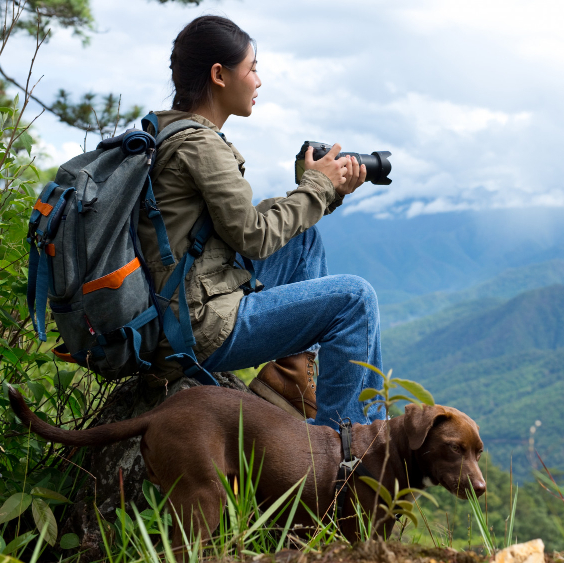
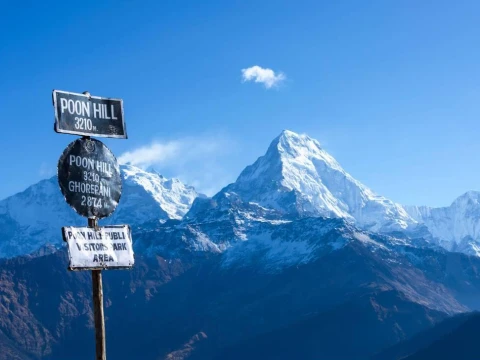
The Ghorepani Poon Hill Trek is one of the most popular short trekking routes in Nepal, located in the heart of the Annapurna region. Operated by Mountain of Nepal, this trek offers a perfect combination of natural beauty, cultural experience, and Himalayan sunrise views. The journey passes through traditional villages such as Ulleri, Ghorepani, Tadapani, and Ghandruk, offering trekkers a deep insight into the lifestyle of the Gurung and Magar communities. The highlight of the trek is the early morning hike to Poon Hill, where panoramic views of the Annapurna and Dhaulagiri mountain ranges create an unforgettable experience.This trek is suitable for beginners as well as experienced trekkers who want a short but rewarding Himalayan adventure. Starting from the lowlands near Pokhara and gradually ascending to alpine landscapes, the route provides diverse scenery, including rhododendron forests, stone staircases, terraced fields, and snow-capped peaks. The trek usually takes 5–7 days, depending on the itinerary and pace.Stunning sunrise view from Poon HillTraditional Gurung village visit at GhandrukBeautiful rhododendron forests and mountain landscapesCultural immersion in local Himalayan communitiesEasy-to-moderate trekking route suitable for beginnersBest Season for Ghorepani Poon Hill TrekThe best time to experience the Ghorepani Poon Hill Trek is during spring (March–May) and autumn (September–November). During these seasons, the weather is clear, stable, and perfect for mountain views. In spring, the forests around Ghorepani bloom with vibrant rhododendron flowers, creating a colorful trekking environment. Autumn offers crystal-clear skies and excellent visibility of the Annapurna and Dhaulagiri ranges.Winter (December–February) is also possible but can be cold, especially at higher elevations like Ghorepani, where snow may block trails. The monsoon season (June–August) is less recommended due to heavy rainfall, slippery trails, and limited mountain visibility.With Mountain of Nepal, trekkers are guided to choose the best departure dates based on real-time weather conditions, ensuring safety and maximum scenic value.Best season highlights:Spring: Rhododendron blooms and colorful trailsAutumn: Best visibility and stable weatherWinter: Snowy but peaceful trekking experienceMonsoon: Not recommended due to rain and landslidesClear sunrise views from Poon Hill in peak seasonsGhorepani Poon Hill Trek Difficulty and TransportationThe Ghorepani Poon Hill Trek is considered a moderate trek, making it suitable for beginners with average fitness levels. The trail includes several uphill stone staircases, especially the climb from Ulleri to Ghorepani, which is physically demanding but achievable with steady pacing. Daily walking hours range from 4 to 7 hours, depending on the itinerary.Transportation begins from Kathmandu with a domestic flight or drive to Pokhara, followed by a road journey to Ulleri. From there, trekking begins on foot. The return journey from Ghandruk includes a drive back to Pokhara and then Kathmandu. Mountain of Nepal organizes all transportation logistics, including private vehicles and local transfers for comfort and safety.The altitude gain is gradual, with the highest point being Poon Hill at 3,210 meters, minimizing the risks of severe altitude sickness.Difficulty & transport points:Moderate difficulty level suitable for beginnersStone staircases between Ulleri and GhorepaniGradual altitude gain reduces altitude riskDomestic flight or drive from Kathmandu to PokharaPrivate jeep transfers arranged by Mountain of NepalFood and Accommodation for Ghorepani Poon Hill TrekAccommodation along the trek is provided in comfortable teahouses and lodges, offering basic but clean rooms with twin beds and shared bathrooms. In villages like Ghorepani, Tadapani, and Ghandruk, trekkers experience warm hospitality from local families. The Mountain of Nepal ensures pre-booked lodging during peak seasons for a hassle-free experience.Food options are diverse, ranging from traditional Nepali meals like dal bhat to noodles, soups, pancakes, and eggs. Meals are freshly prepared using local ingredients, providing the energy needed for daily trekking. Although menu choices become limited at higher elevations, food remains hygienic and satisfying.Drinking water is available in most teahouses, and trekkers are encouraged to use purification tablets or bottled water.Food & accommodation highlights:Teahouse accommodation throughout the trailLocal hospitality in villages like TadapaniFresh Nepali meals (dal bhat, soups, noodles)Limited but hygienic food options at a higher altitudePre-booked lodging managed by Mountain of NepalGhorepani Poon Hill Trek PermitsTo trek in the Ghorepani Poon Hill region, two main permits are required. These are mandatory for entry into the Annapurna Conservation Area. Mountain of Nepal handles all permit arrangements for trekkers, ensuring a smooth and stress-free process.The required permits include the Annapurna Conservation Area Permit (ACAP) and the Trekkers’ Information Management System (TIMS) card. These permits help regulate trekking activity, ensure safety, and support conservation efforts in the Annapurna region.Permits are checked at various checkpoints along the route, especially near entry points and conservation areas.Permit details:Annapurna Conservation Area Permit (ACAP) requiredTIMS card is required for trekking registrationChecked at entry points and checkpointsIssued and managed by Mountain of NepalSupports conservation and trekking safety in NepalWhy Choose Ghorepani Poon Hill TrekThe Ghorepani Poon Hill Trek is ideal for trekkers who want a short Himalayan adventure with maximum scenic rewards. It combines mountain views, cultural exploration, and accessible trekking routes within a limited timeframe. The sunrise view from Poon Hill is one of the most iconic experiences in Nepal, attracting thousands of trekkers every year.Choosing Mountain of Nepal ensures a well-organized, safe, and personalized trekking experience. From transportation and accommodation to permits and guiding services, everything is managed professionally. The trek also provides opportunities to explore traditional villages like Ghandruk and experience authentic Himalayan culture.This trek is perfect for beginners, families, and photographers seeking breathtaking landscapes without extreme difficulty.Why choose this trek:Short yet highly scenic Himalayan experienceFamous sunrise view from Poon HillCultural experience in traditional Gurung villagesEasy access from PokharaFully organized package by Mountain of Nepal
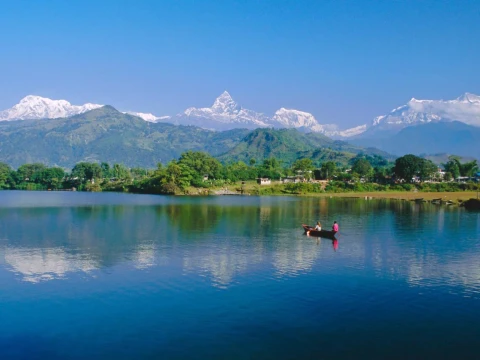
The Kathmandu Pokhara Tour is one of the most popular cultural and scenic travel experiences in Nepal, combining ancient heritage exploration with breathtaking Himalayan landscapes. This 7-day itinerary by Mountain of Nepal is carefully designed to offer travelers a balanced journey between history, spirituality, nature, and relaxation. The tour begins in the vibrant capital city of Kathmandu, known for its UNESCO World Heritage Sites, and continues toward the peaceful lake city of Pokhara.This itinerary covers major highlights such as ancient temples, traditional courtyards, scenic highway drives, and sunrise views over the Himalayas. Travelers also experience a peaceful hike to the famous Shanti Stupa, which offers panoramic views of Phewa Lake and the surrounding mountains.UNESCO World Heritage sightseeing in KathmanduScenic drive from Kathmandu to Pokhara (approx. 6 hours)Relaxing boat rides and mountain views in PokharaShort hike to Peace Pagoda (Shanti Stupa)Cultural immersion and local lifestyle experienceThe journey is ideal for families, couples, solo travelers, and photography lovers. Mountain of Nepal ensures smooth logistics, experienced guides, and comfortable transport so travelers can focus entirely on enjoying the trip.Best Season for Kathmandu Pokhara TourThe best time to experience the Kathmandu Pokhara Tour is during the spring (March to May) and autumn (September to November) seasons. These months offer the most stable weather conditions, clear mountain views, and pleasant temperatures for sightseeing and hiking activities.During spring, the landscapes of Nepal become vibrant with blooming rhododendrons, green hills, and fresh mountain air. Autumn, on the other hand, is known for crystal-clear skies and excellent visibility of the Himalayan ranges. Both seasons provide ideal conditions for exploring cultural heritage sites in Kathmandu and enjoying lake activities in Pokhara.Winter (December to February) is also suitable for travel, especially for those who prefer fewer crowds, though mornings and nights can be cold. Monsoon season (June to August) brings heavy rainfall, which may affect road travel and mountain visibility.Short Seasonal Guide:Spring (Mar–May): Best for nature, flowers, and trekking viewsAutumn (Sep–Nov): Best visibility and festival seasonWinter (Dec–Feb): Quiet travel, cold but manageableMonsoon (Jun–Aug): Rainy, less ideal for road tripsMountain of Nepal recommends autumn and spring for the most rewarding travel experience with comfortable weather and unforgettable scenery.Food and Accommodation for Kathmandu Pokhara TourFood and accommodation during the Kathmandu Pokhara Tour are designed to provide comfort, hygiene, and a blend of local and international experiences. In cities like Kathmandu and Pokhara, travelers can find a wide range of lodging options, from budget guesthouses to luxury hotels with modern amenities.Hotels arranged by Mountain of Nepal typically include clean rooms, hot showers, Wi-Fi, and breakfast services. In Kathmandu, accommodations are usually located near tourist hubs such as Thamel, while in Pokhara, hotels are often close to lakeside areas offering beautiful mountain views.Food is another highlight of the journey. Travelers can enjoy traditional Nepali dishes such as dal bhat (rice and lentils), momos (dumplings), thukpa (noodle soup), and various international cuisines, including Indian, Chinese, Italian, and continental dishes. Hygiene and dietary preferences are carefully considered.Short Food & Stay Highlights:Comfortable 3-star to 4-star hotel optionsDaily breakfast is included in most packagesWide range of Nepali and international cuisinesVegetarian and vegan food options availableClean, tourist-friendly restaurants in major citiesMountain of Nepal ensure that travelers enjoy safe, comfortable, and satisfying food and accommodation throughout the journey.Why Choose Kathmandu Pokhara Tour with Mountain of NepalChoosing the Kathmandu Pokhara Tour with Mountain of Nepal guarantees a well-organized, safe, and enriching travel experience. This package is specially designed for travelers who want to explore Nepal’s cultural heritage and natural beauty in a short and comfortable itinerary without missing major highlights.One of the biggest advantages is professional service. Mountain of Nepal provides experienced local guides who share deep insights into history, culture, and lifestyle. From exploring ancient temples in Kathmandu to enjoying peaceful moments in Pokhara, every part of the journey is well-managed and meaningful.The tour also includes comfortable transportation, flexible scheduling, and personalized support. Travelers do not need to worry about logistics, allowing them to fully enjoy sightseeing, photography, and relaxation.Short Reasons to Choose This Tour:Well-planned 7-day itinerary covering top attractionsProfessional local guides and support teamComfortable transport and hotel arrangementsSafe and hassle-free travel experienceBest combination of culture, nature, and adventureAdditionally, Mountain of Nepal focuses on customer satisfaction, ensuring each traveler gets a memorable and authentic experience in Nepal. Whether it is the historic charm of Kathmandu or the natural beauty of Pokhara, this tour offers a perfect balance for all types of travelers.
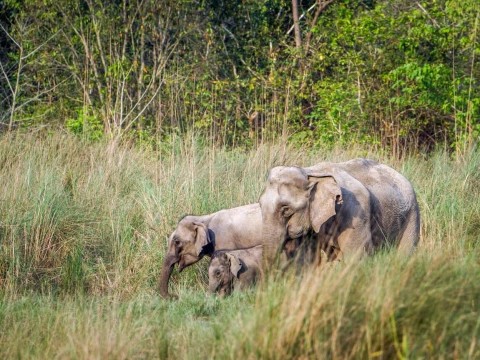
The Bardia National Park Tour, organized by Mountain of Nepal, is a carefully designed wildlife and cultural journey into one of Nepal’s most pristine and least disturbed protected areas. Located in the western Terai region, Bardia National Park is known for its vast sal forests, open grasslands, and riverine ecosystems that support a remarkable diversity of wildlife. Unlike more crowded safari destinations, Bardia offers a peaceful and authentic jungle experience where visitors can truly connect with nature. The tour typically begins in Kathmandu, followed by a scenic flight to Nepalgunj and a drive into the heart of the park, allowing travelers to experience both the Himalayan capital and the subtropical lowlands of Nepal in one journey.Once inside the park region, travelers engage in a variety of activities such as jeep safaris, jungle walks, birdwatching, canoe rides, and riverbank explorations along the Karnali and Babai Rivers. With expert naturalist guides from Mountain of Nepal, guests gain deep insight into wildlife behavior, conservation efforts, and the ecological importance of the region. Bardia is home to rare species like the Bengal tiger, one-horned rhinoceros, wild elephants, gharials, and over 400 species of birds, making it a paradise for wildlife enthusiasts and photographers.Guided jungle safari with experienced naturalistsChance to see Bengal tiger and one-horned rhinoCanoe ride and river wildlife observationCultural interaction with Tharu communitiesScenic flights and countryside drivesPeaceful, less-crowded jungle environmentBest Season for Bardia National Park TourThe best time to experience the Bardia National Park Tour with Mountain of Nepal largely depends on weather conditions, wildlife visibility, and traveler preferences. Generally, the most favorable seasons are autumn (September to November) and spring (March to May), when the climate is pleasant, skies are clear, and wildlife activity is more predictable. During these months, temperatures remain moderate, making jungle walks and jeep safaris more comfortable while also increasing the chances of spotting animals near water sources.Autumn is especially popular because the monsoon rains have just ended, leaving the forest lush, green, and refreshed. The visibility is excellent, and the photography conditions are ideal. Spring, on the other hand, brings warmer weather and blooming flora, which attracts herbivores and consequently increases predator movement, including the elusive Bengal tiger. Winter (December to February) is also suitable for travel, although mornings can be foggy and chilly. Summer and monsoon (June to August) are less ideal due to heavy rains, humidity, and difficult trail conditions, though they do offer rich greenery and fewer tourists.Seasonal summary:Autumn (Sep–Nov): Best visibility, ideal weather, peak safari seasonSpring (Mar–May): Warm, active wildlife, excellent for photographyWinter (Dec–Feb): Cooler temperatures, fewer crowds, early morning fogMonsoon (Jun–Aug): Heavy rain, limited safari access, lush forest viewsFood and Accommodation for Bardia National Park TourDuring the Bardia National Park Tour organized by Mountain of Nepal, travelers are provided with comfortable accommodation and well-prepared meals that complement the jungle experience. Most stays are arranged in eco-lodges or jungle resorts located near the park buffer zone. These accommodations are designed to blend with the natural environment while offering essential comforts such as private rooms, attached bathrooms, hot showers, and relaxing garden or jungle-facing areas. The peaceful surroundings allow guests to fully immerse themselves in the sounds of nature, especially in the evenings when the forest becomes calm and atmospheric.Food provided during the tour is typically a mix of Nepali, Asian, and continental cuisine, prepared using fresh local ingredients. Breakfast usually includes items like eggs, bread, porridge, tea, or coffee. Lunch and dinner often feature rice, lentils (dal), vegetables, chicken, or seasonal dishes, ensuring a balanced and energizing diet for safari activities. Special dietary needs can also be accommodated with prior notice by Mountain of Nepal. Meals are often served in a communal dining area, encouraging interaction among travelers and guides, and some evenings may include a traditional Tharu cultural dinner experience.Accommodation and food features include:Eco-lodges or jungle resorts near Bardia National ParkComfortable rooms with essential modern amenitiesHygienic meals with Nepali and international optionsFresh, locally sourced ingredientsOptional cultural dining experiences with Tharu cuisinePeaceful natural surroundings ideal for relaxationWhy Choose Bardia National Park TourChoosing the Bardia National Park Tour with Mountain of Nepal offers a unique blend of adventure, wildlife exploration, and cultural immersion that is hard to find elsewhere in Nepal. Unlike more commercialized safari destinations, Bardia provides a quieter and more authentic experience where visitors can observe wildlife in a natural and undisturbed habitat. The park is especially famous for its healthy population of Bengal tigers, making it one of the best places in South Asia for tiger tracking and jungle exploration. In addition, the presence of experienced naturalist guides ensures that every safari is both safe and highly informative.Another major advantage of choosing this tour is the combination of diverse activities and cultural experiences. From jungle walks and jeep safaris to canoe rides and birdwatching, every day offers something different. Travelers also have the opportunity to interact with the indigenous Tharu community, learning about their traditions, lifestyle, and deep connection with the forest ecosystem. Mountain of Nepal ensures well-organized logistics, comfortable accommodations, and personalized service, making the journey smooth from arrival in Kathmandu to departure.Reasons to choose this tour:High chance of tiger and wildlife sightingsLess crowded and more peaceful than other parksExpert guides and well-planned itinerariesA combination of wildlife, culture, and adventureComfortable lodging and quality service by Mountain of NepalIdeal for photographers, nature lovers, and explorers


 (2)
(2)  100% recommend (0)
 (0)
(0)