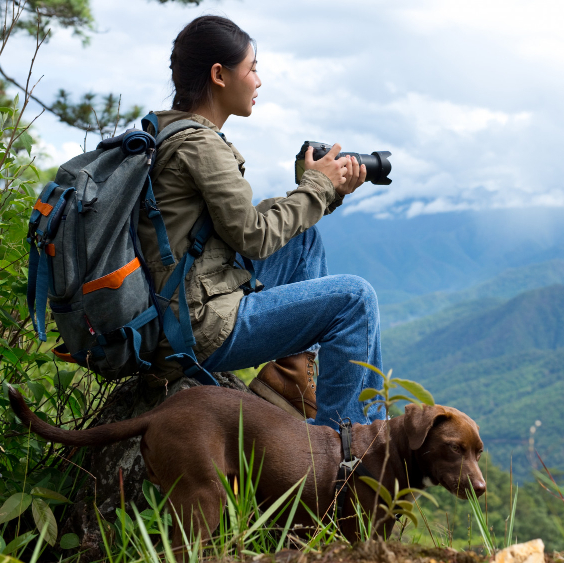
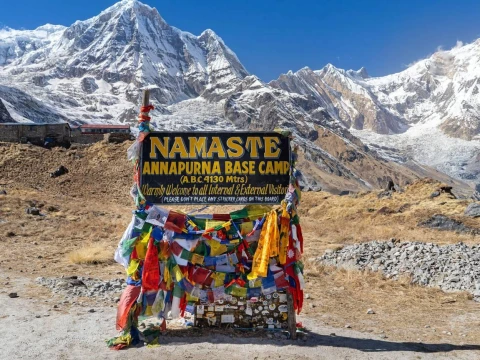
The Annapurna Base Camp Trek 8 Days is one of the most iconic Himalayan journeys in Nepal, offering a perfect blend of mountain scenery, cultural immersion, and moderate adventure. Organized by Mountain of Nepal, this trek takes you from the bustling capital of Kathmandu to the scenic lakeside city of Pokhara and deep into the heart of the Annapurna region. The trail leads through traditional Gurung and Magar villages, dense rhododendron forests, and glacial river valleys before reaching the spectacular amphitheater of Annapurna Sanctuary.This trek is designed to be completed in 8 days, making it ideal for travelers with limited time but a strong interest in high-mountain trekking. The highlight is reaching Annapurna Base Camp at 4,100 meters, surrounded by towering peaks like Annapurna I, Machhapuchhre, and Hiunchuli. Along the way, trekkers experience an authentic Himalayan lifestyle, warm hospitality, and dramatic landscape transitions.Scenic flight/drive to Pokhara and trek start pointCultural villages like ChhomrongAlpine landscapes at Machhapuchhre Base CampSunrise and mountain amphitheater at ABCHot springs at Jhinu DandaBest Season for Annapurna Base Camp Trek 8 DaysThe best time for the Annapurna Base Camp Trek 8 Days is during the spring (March–May) and autumn (September–November) seasons. These periods offer the clearest skies, stable weather conditions, and the best mountain visibility. Spring brings blooming rhododendron forests, while autumn offers crisp air and stunning panoramic views of snow-covered peaks.During these seasons, trekking conditions are generally safe and comfortable, with moderate daytime temperatures and minimal rainfall. Winter trekking (December–February) is possible but colder, especially at higher altitudes like Machhapuchhre Base Camp and ABC. Monsoon season (June–August) is less recommended due to heavy rain, slippery trails, and potential landslides in lower sections.Seasonal breakdown:Spring (Mar–May): Flowers, warm days, clear peaksAutumn (Sep–Nov): Best visibility, stable weatherWinter (Dec–Feb): Cold but quiet trailsMonsoon (Jun–Aug): Rainy, risky trekking conditionsMountain of Nepal strongly recommends spring or autumn departures for the best trekking experience.Annapurna Base Camp Trek 8 Days: Difficulty and TransportationThe Annapurna Base Camp Trek 8 Days is considered a moderate-level trek. It does not require technical climbing skills, but trekkers should have a reasonable level of fitness due to long walking hours, steep ascents, and high-altitude conditions. Daily trekking ranges from 5 to 8 hours, with the highest altitude being 4,100 meters at ABC.The journey includes multiple transportation segments, starting from Kathmandu to Pokhara by flight or road. From Pokhara, a drive takes you to Siwai or Jhinu Danda trailheads. The return follows the same route back, combining trekking and driving for convenience and time efficiency.Difficulty highlights:Moderate trekking fitness requiredSteep stone stair sections (especially Chhomrong)Altitude gain above 4,000mLong trekking days (6–8 hours average)Transportation summary:Flight or tourist bus Kathmandu–PokharaJeep/drive Pokhara–Siwai/JhinuTrekking route through villages and forestsReturn drive Pokhara–KathmanduWith proper pacing and acclimatization support from Mountain of Nepal guides, most trekkers complete the journey successfully.Food and Accommodation for Annapurna Base Camp Trek 8 DaysAccommodation during the trek is provided in local teahouses, which are basic but comfortable lodges run by local families. Rooms are usually twin-sharing with simple beds, blankets, and shared bathrooms. In lower regions like Chhomrong, facilities are more developed, while higher areas like Machhapuchhre Base Camp offer more basic lodging due to remoteness.Food is fresh, locally prepared, and designed to provide energy for trekking. The most common meal is “Dal Bhat,” which includes rice, lentils, vegetables, and pickles, offering unlimited refills in many lodges. Other options include noodles, pasta, soups, pancakes, eggs, and Tibetan bread.Accommodation highlights:Teahouse stays along the trekking routeTwin-sharing basic roomsHot showers are available in the lower villagesLimited but cozy facilities at a higher altitudeFood options:Dal Bhat (main energy meal)Fried rice, noodles, pastaSoup, tea, coffee, snacksVegetarian and vegan options availableMountain of Nepal ensures hygienic food arrangements and selects reliable teahouses for safe and comfortable stays throughout the journey.Annapurna Base Camp Trek 8 Days PermitsTo complete the Annapurna Base Camp Trek 8 Days, trekkers must obtain official permits regulated by the Government of Nepal. The trek lies within the Annapurna Conservation Area, which requires environmental and entry permissions.The two main permits include the Annapurna Conservation Area Permit (ACAP) and the Trekkers’ Information Management System (TIMS) Card. These permits help support conservation efforts, trail maintenance, and trekkers’ safety monitoring.Required permits:ACAP (Annapurna Conservation Area Permit)TIMS Card (Trekkers’ Information Management System)Mountain of Nepal handles all permit arrangements on behalf of trekkers, ensuring a smooth and hassle-free experience. Travelers only need to provide passport copies and passport-sized photos.Important notes:Permits are checked at multiple checkpointsFees contribute to local conservation and communitiesCarry permits at all times during the trekProper documentation ensures legal trekking access and supports sustainable tourism in the Annapurna region.Why Choose Annapurna Base Camp Trek 8 Days with Mountain of NepalChoosing Mountain of Nepal for the Annapurna Base Camp Trek 8 Days ensures a safe, organized, and enriching Himalayan experience. The company focuses on professional guiding, responsible tourism, and personalized service, making the trek suitable for both beginners and experienced hikers.The route offers one of the most rewarding mountain experiences in Nepal, combining cultural immersion, natural beauty, and high-altitude adventure within a short timeframe. From lush forests to the glacier basin of Annapurna Base Camp, every day presents a new landscape and experience.Why choose Mountain of Nepal:Experienced local trekking guidesSafe itinerary with proper acclimatizationWell-managed transportation and logisticsHigh-quality teahouse selectionPersonalized customer careTrek benefits:UNESCO-listed conservation area experienceStunning Himalayan sunrise viewsCultural interaction with mountain communitiesLifetime adventure memoriesWith Mountain of Nepal, the Annapurna Base Camp Trek becomes more than just a journey—it becomes a carefully guided Himalayan adventure filled with safety, comfort, and unforgettable natural beauty.
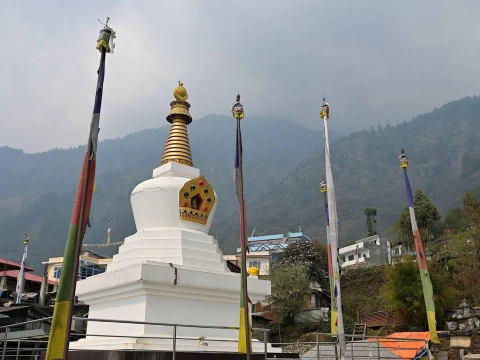
Helambu Trek is a moderate, culturally immersive journey easily accessible from Kathmandu, ideal for beginners, families, and cultural enthusiasts. The trek winds through the Helambu Valley, home to the Yolmo people, whose lifestyle and traditions are closely influenced by Tibetan culture.Trek through rolling hills, terraced farmland, pine and rhododendron forests, and meadows, while observing traditional village life, farming practices, and local festivals. Visit Milarape Cave, a sacred meditation site linked to Guru Rimpoche (Padmasambhava), and explore monasteries, chortens, and mani walls along the way. Comfortable lodges provide authentic local meals and a warm, hospitable environment.This trek offers a blend of Himalayan scenery, spiritual heritage, and cultural immersion, perfect for travelers seeking serenity, adventure, and insight into Himalayan life. It is also suitable for anthropologists, students, and researchers interested in studying rituals and village culture.The Helambu Valley Trek, organized by Mountain of Nepal, is a scenic and culturally rich Himalayan journey located close to Kathmandu. This moderate trek is perfect for beginners, families, and cultural explorers who want a short yet rewarding Himalayan experience without going to extreme altitude. The route passes through beautiful villages, lush forests, terraced hillsides, and Buddhist heritage sites, offering a deep insight into the traditional lifestyle of the Yolmo people, who are culturally influenced by Tibetan Buddhism.Starting from Sundarijal, the trail gradually ascends through Shivapuri National Park and connects peaceful settlements like Chisapani, Kutumsang, Tharepati, and Tarke Ghyang. Each village offers a unique blend of mountain scenery, hospitality, monasteries, and prayer walls that reflect centuries-old Himalayan traditions.The trek also includes sacred sites such as meditation caves linked with Guru Rinpoche (Padmasambhava), ancient monasteries, and fluttering prayer flags along ridges. Trekkers enjoy panoramic views of Langtang and Jugal Himalayan ranges while walking through rhododendron and pine forests. Comfortable teahouses along the route ensure warm meals and simple lodging.Close cultural experience near KathmanduBuddhist monasteries and Yolmo heritageForest trails and Himalayan viewpointsSuitable for beginners and familiesOrganized support by Mountain of NepalOverall, this trek blends nature, spirituality, and cultural immersion into a peaceful Himalayan adventure.Best Season for Helambu Valley TrekThe best time for the Helambu Valley Trek, arranged by Mountain of Nepal, is during spring (March–May) and autumn (September–November). These seasons offer the most stable weather, clear mountain views, and comfortable trekking temperatures. During spring, the trails around Sundarijal and higher villages like Tharepati are decorated with blooming rhododendrons, making the forests especially colorful and vibrant. The skies are generally clear, allowing excellent views of the Langtang and Jugal Himalayan ranges.Autumn is equally popular because of its crisp air, stable climate, and post-monsoon freshness. This season provides the clearest visibility of mountain peaks and is ideal for photography, cultural interaction, and long trekking days between villages such as Kutumsang and Tarke Ghyang. The trails are dry, and the temperature is comfortable for walking long hours.Winter (December–February) is possible but colder, especially at higher elevations like Tharepati. Snowfall may occasionally block trails, but it offers peaceful, less crowded trekking conditions. Monsoon season (June–August) is generally not recommended due to heavy rainfall, slippery trails, and limited visibility.Seasonal highlights:Spring: Blooming rhododendrons, mild weatherAutumn: Crystal-clear mountain views, stable weatherWinter: Quiet trails, cold but scenicMonsoon: Avoid due to rain and landslidesWith proper planning from Mountain of Nepal, trekkers can choose the best season according to their preference for scenery, weather, and crowd levels.Helambu Valley Trek Difficulty and TransportationThe Helambu Valley Trek is considered moderate, making it suitable for beginners with a reasonable level of fitness. Organized by Mountain of Nepal, the trek involves daily walking of 5–7 hours through uphill and downhill terrain. While the altitude reaches around 3,600 meters at Tharepati, it is not extremely high compared to other Himalayan treks, which reduces the risk of severe altitude sickness.The trail includes forest paths, stone staircases, ridge walks, and village routes connecting places like Chisapani, Kutumsang, and Tarke Ghyang. Some sections are steep, especially the climb toward Tharepati, but the pace is manageable with proper rest and hydration.Transportation is convenient since the trek begins close to Kathmandu. A short drive takes trekkers to Sundarijal, the starting point of the trek. From there, the journey continues on foot. At the end of the trek, a drive from Tarke Ghyang or nearby road heads returns trekkers back to Kathmandu in approximately 5–6 hours.Difficulty & transport summary:Moderate trekking grade, suitable for beginners5–7 hours walking per dayHighest point: around 3,600 m (Tharepati)Drive: Kathmandu → Sundarijal (start)Return: road transfer back to KathmanduWith guidance from Mountain of Nepal, trekkers receive route support, pacing advice, and safety monitoring, making the journey smooth and enjoyable.Food and Accommodation for Helambu Valley TrekFood and accommodation along the Helambu Valley Trek, managed by Mountain of Nepal, are based on traditional teahouse and lodge systems operated by local families. These lodges are available in villages such as Chisapani, Kutumsang, Tharepati, and Tarke Ghyang, offering simple yet comfortable rooms with twin-sharing beds, warm blankets, and shared bathrooms.Meals are freshly prepared using locally sourced ingredients. The common menu includes Nepali dal bhat (rice, lentils, vegetables), noodles, fried rice, pasta, soups, eggs, potatoes, and seasonal vegetables. In higher villages like Tharepati, food choices may be slightly limited due to remote location, but meals are nutritious and energy-rich for trekking.Tea, coffee, and local herbal drinks are widely available throughout the trail. Hygiene standards are generally good, though trekkers are advised to carry water purification tablets or filters for safe drinking water.Accommodation & food highlights:Teahouse-style lodging run by localsBasic but clean twin-sharing roomsFreshly cooked Nepali and international mealsAvailability of hot drinks along the routeSimple facilities at higher altitude villagesAt the end of the trek, returning to Kathmandu provides access to hotels and restaurants for more comfort and variety. The Mountain of Nepal ensures that trekkers receive pre-booked accommodation during peak seasons, reducing stress and improving the overall trekking experience.Helambu Valley Trek PermitsFor the Helambu Valley Trek organized by Mountain of Nepal, trekkers need a few essential permits because the route passes through protected forest areas and culturally significant regions near Kathmandu. The main permit required is the Langtang National Park Entry Permit, as much of the trail from Sundarijal to higher regions like Tharepati lies within or near the park boundary.In addition to the national park permit, trekkers may also require a TIMS (Trekkers’ Information Management System) card, which helps ensure safety and tracking of visitors in Himalayan trekking regions. These permits are typically arranged in advance by Mountain of Nepal, so trekkers do not need to worry about administrative procedures.Permit checkpoints are located along the route, especially near entry points and major trail junctions. Trekkers are advised to carry photocopies of passports and passport-sized photos, as these may be required during registration.Permit summary:Langtang National Park Entry PermitTIMS Card (Trekkers’ Information Management System)Passport copy and photos requiredArranged by Mountain of Nepal for convenienceChecked at entry points like SundarijalHaving proper permits ensures legal compliance, supports conservation efforts, and contributes to local community development in regions such as Kutumsang and Tarke Ghyang. With Mountain of Nepal, the permit process is hassle-free and included in the trekking package.Why Choose Helambu Valley Trek with Mountain of NepalChoosing the Helambu Valley Trek with Mountain of Nepal ensures a well-organized, safe, and culturally immersive Himalayan experience close to Kathmandu. This trek is ideal for travelers who want to experience mountain landscapes and authentic Himalayan village life without undertaking extremely high-altitude expeditions.The company provides experienced local guides who are knowledgeable about the culture, history, and natural environment of regions like Chisapani, Kutumsang, Tharepati, and Tarke Ghyang. Their guidance enhances safety, cultural understanding, and trekking enjoyment. The itinerary is carefully planned to balance walking hours, altitude gain, and rest periods.Mountain of Nepal also prioritizes sustainable tourism by supporting local teahouses, hiring local staff, and respecting environmental conservation practices. This ensures that your trek directly benefits the communities you visit.Reasons to choose this trek:Professional guidance by Mountain of NepalCultural immersion with Yolmo communitiesScenic Himalayan landscapes near KathmanduSafe, well-paced itinerary for all levelsSustainable and responsible trekking approachOverall, the Helambu Valley Trek offers a perfect combination of nature, spirituality, and cultural discovery. With Mountain of Nepal, travelers receive a personalized, safe, and memorable journey into the heart of the Himalayas.
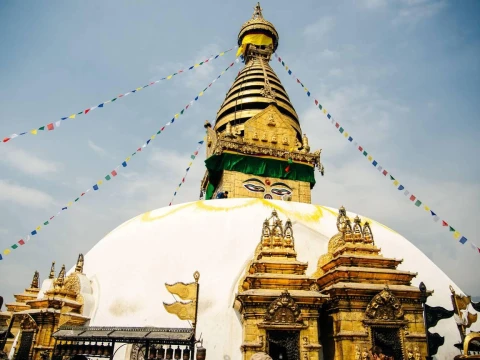
A Buddhist pilgrimage tour in Nepal offers a deeply spiritual journey through some of the most sacred sites associated with Lord Buddha’s life and teachings. Starting in Kathmandu, travelers visit iconic heritage sites like Boudhanath Stupa and Swayambhunath Stupa, both UNESCO World Heritage Sites that radiate peaceful energy and devotion. These ancient stupas, surrounded by monasteries and prayer wheels, provide insight into Tibetan Buddhist culture and rituals.The journey continues to Pokhara, where spiritual serenity meets natural beauty. Visits to places like the World Peace Pagoda and Tibetan refugee settlements deepen understanding of Buddhist philosophy and community life. The pilgrimage culminates in Lumbini, the birthplace of Gautama Buddha, offering a profoundly moving experience of reflection and enlightenment.Visit sacred stupas and monasteries in KathmanduExplore Pokhara’s spiritual and scenic landmarksDiscover Lumbini, Buddha’s birthplaceExperience Buddhist culture, rituals, and teachingsBest Season for Buddhist Pilgrimage Tour in NepalThe best time for a Buddhist pilgrimage tour in Nepal is during spring (March to May) and autumn (September to November). These seasons offer clear skies, pleasant temperatures, and ideal travel conditions. Pilgrims can enjoy uninterrupted views, comfortable sightseeing, and vibrant local festivals that enrich the experience.Winter (December to February) is also suitable, especially for lower-altitude destinations like Lumbini, though mornings can be chilly in Kathmandu. Monsoon season (June to August) brings heavy rainfall, which may affect road travel but also enhances the lush beauty of the landscapes.Seasonal Tips:Spring: Blooming flowers and moderate weatherAutumn: Best visibility and festive atmosphereWinter: Fewer crowds, cooler temperaturesMonsoon: Green scenery but possible travel delaysBuddhist Pilgrimage Tour in Nepal – Difficulty and TransportationThis pilgrimage tour is considered easy to moderate in terms of difficulty. It does not involve strenuous trekking, making it suitable for travelers of all age groups. Most activities include short walks, monastery visits, and comfortable sightseeing.Transportation is mainly by private vehicle, ensuring a smooth journey between destinations like Kathmandu, Pokhara, and Lumbini. Roads are generally accessible, though some stretches may be long and winding. Domestic flights (optional) can shorten travel time between major cities.Travel Details:Easy walking and sightseeing activitiesComfortable private vehicle transfersOptional domestic flights availableSuitable for families and senior travelersFood and Accommodation for Buddhist Pilgrimage Tour in NepalDuring the tour, travelers will enjoy a variety of accommodations ranging from comfortable hotels to boutique lodges. In cities like Kathmandu and Pokhara, options include well-equipped hotels with modern amenities, while in Lumbini, accommodations are simpler but peaceful and close to sacred sites.Food options are diverse, including Nepali, Tibetan, and international cuisines. Pilgrims can savor traditional dishes like dal bhat, momos, and noodle soups. Vegetarian meals are widely available, aligning well with Buddhist dietary preferences.What to Expect:Comfortable hotels and clean guesthousesA variety of local and international cuisineVegetarian-friendly food optionsHygienic dining environmentsBuddhist Pilgrimage Tour in Nepal – PermitsFor this pilgrimage tour, permits are minimal and straightforward compared to trekking regions. Most cultural and religious sites require entrance tickets, which are easily arranged by your tour operator, such as Mountain of Nepal.Travelers should carry valid identification and necessary travel documents. For Lumbini and UNESCO sites in Kathmandu Valley, entry fees apply but do not require special permits.Permit Information:No trekking permits requiredEntrance fees for heritage sitesPassport or ID requiredArranged easily through the tour companyWhy Choose Buddhist Pilgrimage Tour in NepalChoosing a Buddhist pilgrimage tour in Nepal with Mountain of Nepal ensures a meaningful and well-organized spiritual journey. The company provides experienced guides who offer deep insights into Buddhist history, culture, and philosophy, enhancing your understanding at every site.This tour is not just about visiting places—it’s about connecting with inner peace, exploring ancient traditions, and experiencing Nepal’s rich spiritual heritage. With carefully planned itineraries, comfortable logistics, and personalized service, Mountain of Nepal creates a truly transformative pilgrimage experience.Why Travel with Mountain of Nepal:Expert local guides with cultural knowledgeWell-planned and flexible itineraryComfortable transportation and staysAuthentic spiritual and cultural experiences
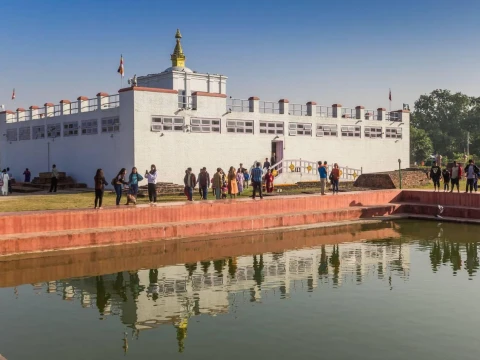
The Kathmandu Pokhara Lumbini Tour is one of Nepal’s most enriching cultural and scenic journeys, combining heritage exploration, natural beauty, and spiritual awakening. Offered by Mountain of Nepal, this 8-day itinerary connects three of the most significant destinations in Nepal: Kathmandu (the cultural capital), Pokhara (the city of lakes and mountains), and Lumbini (the birthplace of Lord Buddha). Each destination offers a completely different experience, making this tour ideal for travelers seeking diversity in a single trip.The journey begins in Kathmandu with ancient temples and UNESCO World Heritage Sites, continues to the peaceful lakeside city of Pokhara surrounded by Himalayan views, and concludes in the sacred pilgrimage site of Lumbini. The tour is designed for all types of travelers—families, solo explorers, cultural enthusiasts, and spiritual seekers.UNESCO World Heritage Sites in Kathmandu ValleySunrise views of the Annapurna range from SarangkotBoating and relaxation at Phewa Lake in PokharaSpiritual exploration of Lumbini gardens and monasteriesScenic highway journeys through hills, rivers, and countrysideOverall, this tour blends Nepal’s culture, nature, and spirituality into one unforgettable travel experience.Best Season for Kathmandu Pokhara Lumbini TourThe best time to enjoy the Kathmandu Pokhara Lumbini Tour is during spring (March to May) and autumn (September to November). These seasons offer clear skies, pleasant temperatures, and excellent visibility of the Himalayas, especially around Pokhara. During spring, rhododendrons bloom across the hills, making the landscapes colorful and vibrant, while autumn brings crisp air and major festivals like Dashain and Tihar.Winter (December to February) is also a good option for travelers who prefer fewer crowds and cooler weather, although mornings can be foggy in Lumbini and chilly in Kathmandu and Pokhara. Monsoon season (June to August) is the least recommended due to heavy rainfall, slippery roads, and reduced mountain visibility.Seasonal Highlights:Spring: Best landscapes, blooming flowers, clear viewsAutumn: Festivals, stable weather, peak travel seasonWinter: Quiet travel, cold but manageable conditionsMonsoon: Green scenery but travel delays are possibleChoosing the right season enhances the experience significantly, especially for sightseeing, photography, and long scenic drives offered by the Mountain of Nepal.Difficulty and TransportationThe Kathmandu Pokhara Lumbini Tour is considered an easy-to-moderate travel experience, making it suitable for travelers of all age groups. There are no trekking or physically demanding activities involved, but it includes long scenic drives between destinations. Roads in Nepal’s hilly terrain can be winding, so travelers should be prepared for 6–10-hour road journeys depending on traffic and weather conditions.Transportation is usually provided in comfortable tourist buses, private vehicles, or luxury vans, depending on the package chosen with Mountain of Nepal. Domestic flights are also available for those who prefer faster travel between Kathmandu and Pokhara, although road travel offers more scenic views of rivers, hills, and local villages.Transportation & Difficulty Points:Moderate difficulty due to long road travel hoursComfortable tourist vehicles or private transport availableOptional domestic flights for faster transfersSmooth sightseeing activities with minimal walkingSuitable for families, seniors, and beginner travelersOverall, the tour is designed for comfort and cultural immersion rather than physical challenge, ensuring a relaxed travel experience across Nepal.Food and AccommodationFood and accommodation during the Kathmandu Pokhara Lumbini Tour are well-managed and cater to international travelers. Mountain of Nepal ensures comfortable hotel stays ranging from 3-star to 4-star category depending on package selection. In major cities like Kathmandu and Pokhara, luxury hotels and boutique resorts are widely available, while Lumbini offers peaceful guesthouses and pilgrimage-style hotels near monasteries.Food in Nepal is diverse, combining local Nepali cuisine with international options. Travelers can enjoy traditional meals such as dal bhat (rice and lentils), momos (dumplings), noodles, and curries. In tourist areas, Indian, Chinese, Continental, and vegan-friendly meals are also available.Food & Accommodation Highlights:Comfortable hotels with modern amenitiesVariety of Nepali and international cuisineHygienic restaurants in tourist hubsLakeside dining experience in PokharaPeaceful stays near Buddhist monasteries in LumbiniThe hospitality industry in Nepal is known for warmth and friendliness, ensuring travelers feel safe and welcomed throughout the journey.Permits for Kathmandu Pokhara Lumbini TourOne of the advantages of this tour is that it does not require special trekking permits, making it simple and stress-free for international travelers. Since the itinerary mainly covers cities and cultural sites, only a standard Nepal tourist visa is required upon arrival at Kathmandu airport or through an online application.However, entry fees apply to UNESCO World Heritage Sites in Kathmandu and certain monasteries or museums in Lumbini. These fees are generally low and are often included in guided tour packages offered by Mountain of Nepal for convenience.Permit & Entry Information:Nepal tourist visa is required for all foreign visitorsNo trekking or restricted area permits neededEntry fees for heritage sites and museumsOptional camera/video permits at some locationsA guided package often includes major entry chargesThis simplicity makes the tour highly accessible for travelers who want a hassle-free cultural journey without complicated paperwork.Why Choose Kathmandu Pokhara Lumbini TourChoosing the Kathmandu Pokhara Lumbini Tour means experiencing the very essence of Nepal in one well-planned journey. It is the perfect combination of cultural discovery, natural beauty, and spiritual exploration. With Mountain of Nepal, travelers receive expert guidance, safe transportation, and carefully curated itineraries that maximize comfort and experience.This tour is ideal for first-time visitors to Nepal because it covers the country’s most iconic destinations in a structured and relaxed way. From ancient temples in Kathmandu to peaceful lakes in Pokhara and the sacred grounds of Lumbini, every stop adds a unique layer to the journey.Reasons to Choose This Tour:Covers Nepal’s top cultural, natural, and spiritual sitesDesigned for comfort and an easy travel experienceProfessional guidance from the Mountain of Nepal teamBalanced itinerary with sightseeing and relaxationSuitable for all age groups and travel styles
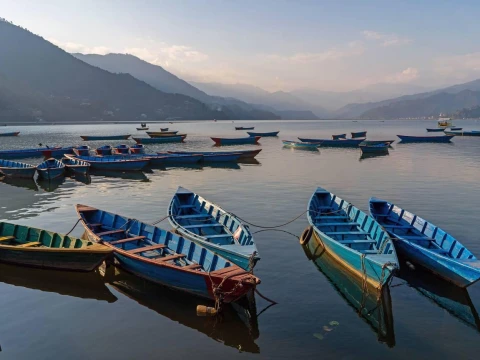
The Kathmandu Pokhara Chitwan Tour is one of the most popular and well-balanced travel packages in Nepal, offering a rich combination of cultural heritage, natural beauty, and wildlife adventure. Organized by Mountain of Nepal, this 8-day journey is designed to give travelers a complete experience of Nepal’s diversity, from ancient temples and UNESCO World Heritage Sites in Kathmandu, to the serene lakes and mountain views of Pokhara, and finally the lush jungles of Chitwan National Park.This tour begins in Kathmandu, the historical and cultural heart of Nepal, where travelers explore centuries-old temples, stupas, and traditional architecture. From there, the journey continues to Pokhara, a peaceful lakeside city surrounded by the Annapurna mountain range. The experience concludes in Chitwan, where dense jungles and wildlife safaris offer a thrilling contrast to the earlier parts of the trip.This package is ideal for all types of travelers, including families, couples, solo travelers, and groups. It provides a perfect balance between sightseeing, relaxation, and adventure without requiring extreme physical effort.UNESCO World Heritage Sites in KathmanduSunrise view from SarangkotBoating in Phewa Lake, PokharaJungle safari in Chitwan National ParkScenic drives through rivers, hills, and countrysideCultural experiences with local communitiesBest Season for Kathmandu Pokhara Chitwan TourThe best time to experience the Kathmandu Pokhara Chitwan Tour is during autumn (September to November) and spring (March to May). These seasons offer the most stable weather conditions, clear skies, and comfortable temperatures, making travel and sightseeing enjoyable throughout the journey organized by Mountain of Nepal.During autumn, the monsoon rains have already cleared the atmosphere, resulting in crystal-clear mountain views, especially from Pokhara and Sarangkot. Similarly, spring brings blooming rhododendrons and lush green landscapes, adding vibrant colors to the entire tour experience. Winter (December to February) is also possible, especially for travelers who enjoy cooler temperatures, though mornings can be foggy in some regions. The monsoon season (June to August) is less ideal due to heavy rainfall and possible travel disruptions, especially on road journeys.Each season offers a different charm, but clear visibility and smooth transportation are best in autumn and spring, making them the most recommended times for this itinerary.Seasonal highlights:Autumn: Best mountain views & stable weatherSpring: Flowers, greenery & pleasant climateWinter: Fewer crowds & cold but clear daysMonsoon: Lush scenery, but travel delays are possibleKathmandu Pokhara Chitwan Tour Difficulty and TransportationThe Kathmandu Pokhara Chitwan Tour is considered an easy-to-moderate travel package, making it suitable for all age groups. There is no trekking or physically demanding hiking involved, only sightseeing and road travel. The main challenge comes from long driving hours between destinations, which is typical in Nepal due to its mountainous terrain.Transportation is arranged by Mountain of Nepal using comfortable tourist vehicles such as private cars, vans, or tourist buses, depending on group size. The roads connecting Kathmandu, Pokhara, and Chitwan are scenic but winding in some sections, so travelers should be prepared for 5–7 hours of road travel on certain days.Despite the travel duration, frequent stops for meals, photos, and rest breaks make the journey enjoyable. Domestic flights are also optional for those who prefer faster travel between Kathmandu and Pokhara.Transportation and difficulty summary:Difficulty level: Easy to moderateNo trekking requiredPrivate or tourist vehicle providedScenic but long highway drivesOptional domestic flights availableSuitable for families and senior travelersFood and Accommodation for Kathmandu Pokhara Chitwan TourFood and accommodation throughout the Kathmandu Pokhara Chitwan Tour are well-managed by Mountain of Nepal, ensuring comfort, cleanliness, and a mix of local and international options. Travelers can enjoy a wide variety of Nepali, Indian, Asian, and continental cuisine throughout the journey.In Kathmandu and Pokhara, accommodations usually range from 3-star to 4-star hotels, offering modern facilities such as hot showers, Wi-Fi, comfortable beds, and city or mountain views. In Chitwan, jungle resorts or eco-lodges are provided, giving travelers a unique experience close to nature.Meals are typically served as breakfast, with lunch and dinner available in hotels or local restaurants. In Chitwan, special cultural Tharu cuisine is often included as part of the wildlife experience package.Food and accommodation highlights:Comfortable 3–4 star hotels in citiesJungle resorts in ChitwanA variety of Nepali and international mealsHygienic and tourist-friendly restaurantsCultural dining experience in ChitwanVegetarian and special diet options availableKathmandu Pokhara Chitwan Tour PermitsOne of the advantages of the Kathmandu Pokhara Chitwan Tour is that it requires very few formal permits, making it a hassle-free travel experience. Since the tour mainly covers city sightseeing and national park visits, the necessary arrangements are handled by Mountain of Nepal, ensuring a smooth journey for travelers.The only main permit required is the Chitwan National Park entry permit, which allows visitors to participate in jungle safari activities, canoeing, bird watching, and guided jungle walks. All other destinations, like Kathmandu and Pokhara, do not require special entry permits for general tourism.If travelers choose additional activities such as paragliding in Pokhara or special cultural programs, those are arranged locally without complex documentation.Permit summary:Chitwan National Park entry permit is requiredJungle safari permits are included in the packageNo permits needed for Kathmandu sightseeingNo permits needed for Pokhara sightseeingAll arrangements handled by Mountain of NepalWhy Choose Kathmandu Pokhara Chitwan TourChoosing the Kathmandu Pokhara Chitwan Tour with Mountain of Nepal is one of the best ways to experience the true essence of Nepal in a short period. This tour combines cultural heritage, natural beauty, and wildlife adventure into a single well-organized package, making it ideal for first-time visitors.What makes this tour special is its diversity. Within just 8 days, travelers experience ancient temples in Kathmandu, peaceful lakes and Himalayan views in Pokhara, and thrilling jungle safaris in Chitwan. This combination is rarely found in other destinations, making Nepal a unique travel choice.Key reasons to choose this tour:Complete Nepal experience in one packageCultural, natural, and wildlife diversityEasy and comfortable travel itinerarySuitable for all age groupsWell-managed by Mountain of NepalSafe, guided, and professionally organized tripAdditionally, the professional support team of Mountain of Nepal ensures safety, comfort, and personalized service throughout the journey. From airport pickup to final departure, every detail is carefully managed, allowing travelers to enjoy a stress-free holiday experience.


 (2)
(2)  100% recommend (0)
 (0)
(0)