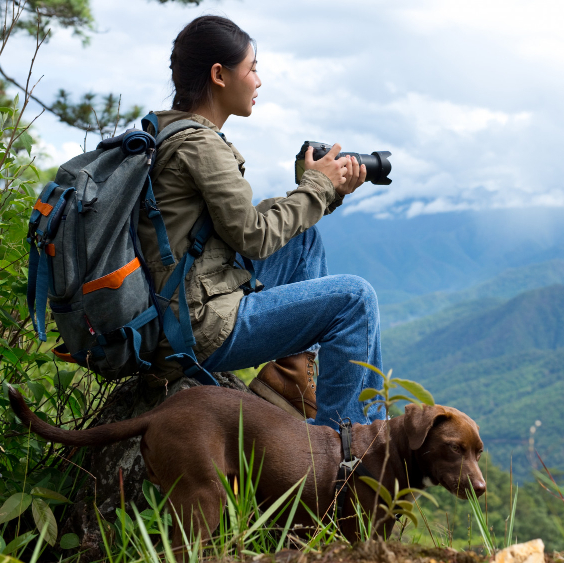
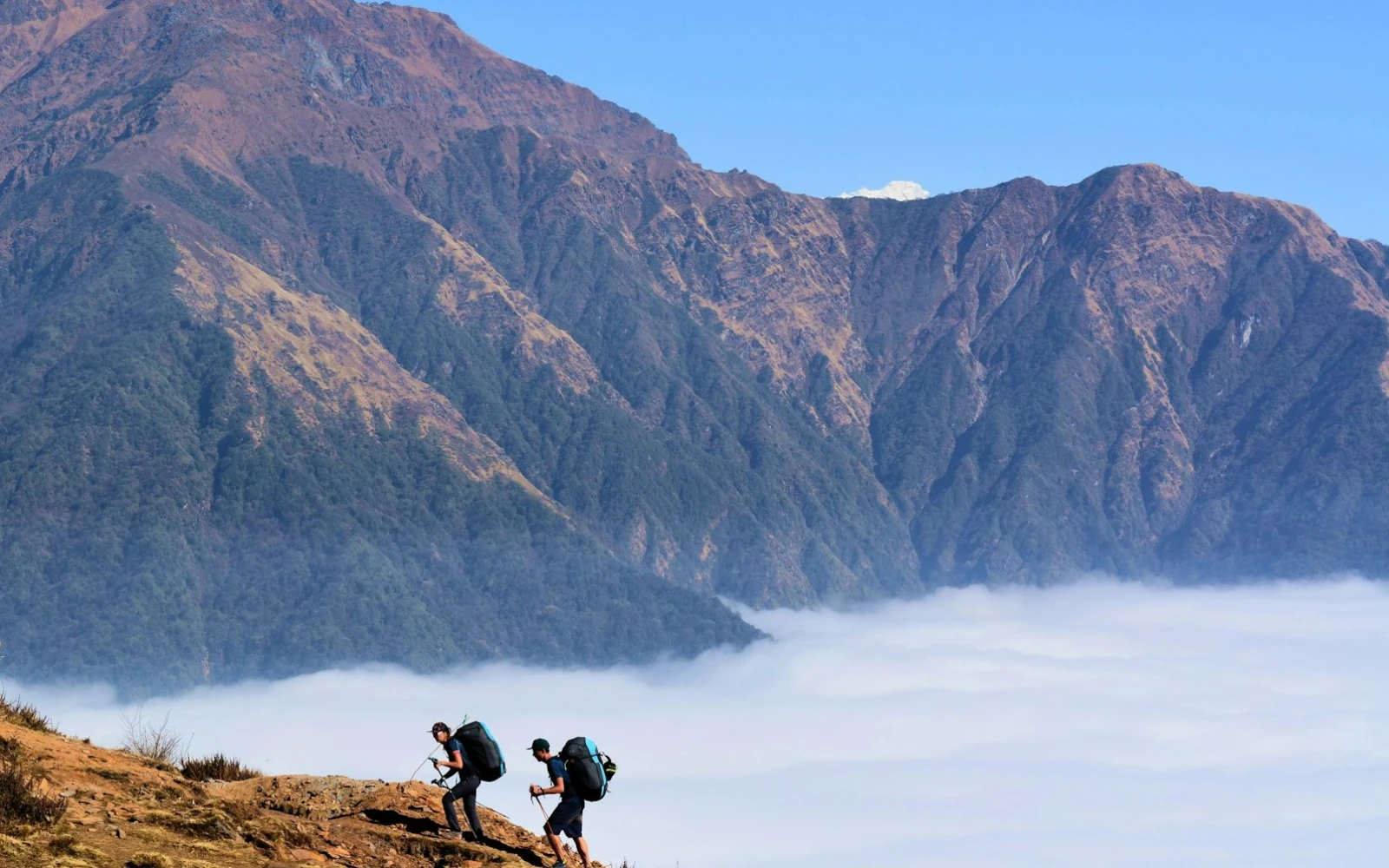
Trekking in the Himalayas is a dream for adventure enthusiasts worldwide. Known for their breathtaking landscapes, towering peaks, and serene valleys, the Himalayas offer a unique combination of natural beauty, cultural richness, and personal challenge. For first-time trekkers, understanding the basics is crucial to ensure a safe, enjoyable, and memorable journey.
The Himalayas are more than just mountains—they are an experience. Each trek, whether through lush forests, high-altitude passes, or traditional villages, provides an opportunity to connect with nature and local cultures. With guidance from experienced operators like Mountain of Nepal, even beginners can explore these majestic regions with confidence and preparation.
Key Points:
The Himalayas stretch across multiple countries, including Nepal, India, Bhutan, and Tibet, but Nepal remains the most popular destination for trekkers due to its accessibility, infrastructure, and variety of treks. For beginners, the combination of well-marked trails and hospitality from local communities makes Nepal’s Himalayan treks both manageable and unforgettable.
Hikers are drawn to the Himalayas not only for the challenge but also for the panoramic views, spiritual sites, and the sense of achievement that comes with reaching high-altitude destinations. The allure lies in the mixture of physical adventure and mental serenity, making trekking in the Himalayas a transformative experience.
Key Points:
Choosing the Right Trek for Beginners
Selecting the right trek is essential to ensure safety, enjoyment, and confidence for first-time trekkers. Routes like the Ghorepani Poon Hill Trek or the Everest Base Camp trek (via Lukla) are popular among beginners due to moderate difficulty and ample accommodation options. Researching trail length, altitude, and daily walking hours helps avoid overexertion.
Best Seasons for Himalayan Trekking
The timing of your trek can significantly affect the experience. The pre-monsoon (March to May) and post-monsoon (September to November) periods are ideal, offering clear skies, moderate temperatures, and vibrant landscapes. Winter treks are colder and require more preparation, while monsoon treks can be risky due to heavy rains and landslides.
Understanding Permits and Regulations
Most trekking routes in Nepal require permits, such as the TIMS (Trekkers’ Information Management System) card or national park fees. Beginners should check with operators like Mountain of Nepal to ensure all permits are secured before departure. Following local regulations also ensures sustainable trekking practices and supports conservation efforts.
Key Points:
Must-Have Trekking Gear for Beginners
A successful trek depends heavily on having the right gear. Quality trekking shoes, a reliable backpack, trekking poles, and a durable water bottle are indispensable. Beginners should invest in essentials that ensure safety, comfort, and protection from harsh weather.
Clothing Tips for High-Altitude Treks
Layering is key in the Himalayas due to fluctuating temperatures. Base layers for moisture control, insulating layers for warmth, and waterproof outer layers for protection against rain or snow are recommended. Accessories like gloves, hats, and sunglasses help prevent altitude-related discomfort.
Packing Smart: Don’t Overload Your Backpack
Overpacking can lead to fatigue and strain, so it’s crucial to pack efficiently. Keep essentials accessible, limit clothing to versatile pieces, and avoid carrying unnecessary gadgets. Proper packing ensures energy is conserved for trekking and enjoying the journey rather than managing excess weight.
Key Points:
Trekking in the Himalayas requires more than just enthusiasm—it demands physical readiness. Beginners should start conditioning their bodies several weeks or months before the trek. Cardiovascular exercises like walking, jogging, cycling, and stair climbing build stamina, while strength training for legs, core, and back improves endurance on steep trails. Simple balance exercises can also help prevent injuries on uneven terrain.
Acclimatization is crucial to avoid altitude sickness, which can affect anyone regardless of fitness. Gradual ascent, rest days, and listening to your body are essential practices. Mental preparation is equally important—trekking can be mentally challenging with long hikes, unpredictable weather, and isolated paths. Staying positive, setting realistic goals, and practicing mindfulness techniques can make the journey smoother and more enjoyable.
Key Points:
Understanding how to read Himalayan maps and trails is vital for any trekker, even when trekking with a guide. Trail markers, topographic maps, and GPS apps can help keep you on track. Beginners should familiarize themselves with elevation profiles and estimated hiking times to manage pace effectively.
Safety is the top priority. Always inform someone of your trekking route and expected return, carry a basic first-aid kit, and dress appropriately for sudden weather changes. While solo trekking is possible, hiring experienced local guides through Mountain of Nepal ensures expert knowledge of trails, emergency protocols, and cultural insights, greatly reducing risks. Guides can also enhance the experience by pointing out scenic spots, hidden gems, and local stories that you might otherwise miss.
Key Points:
Eating well during your trek keeps energy levels high and prevents fatigue. Himalayan trails usually have tea houses or lodges serving simple yet nutritious meals like dal bhat (lentils with rice), soups, and vegetables. Beginners should focus on balanced meals with carbohydrates, protein, and healthy fats.
Hydration is especially important at high altitudes where dry air can dehydrate the body quickly. Carry water bottles or hydration packs, and consider water purification tablets or filters when accessing natural water sources. Energy snacks like nuts, dried fruits, and protein bars provide quick fuel during long hiking days. Some trekkers also carry electrolyte supplements to maintain stamina and prevent cramping.
Key Points:
The Himalayas are rich in cultural traditions, and respecting local customs enhances the trekking experience. Dress modestly, remove shoes before entering homes or monasteries, and ask permission before photographing people. Simple gestures like greeting with a “Namaste” can go a long way in building rapport.
Participating in local festivals or observing rituals provides insight into the Himalayan way of life. Monks, villagers, and fellow trekkers often share stories, tea, or meals, offering opportunities for meaningful cultural exchange. By following local etiquette, beginners not only show respect but also enjoy a deeper, more authentic experience. Guides from Mountain of Nepal can provide valuable advice on customs, festivals, and community norms.
Key Points:
Trekking in the Himalayas is thrilling but comes with challenges that every beginner should be prepared for. One of the biggest obstacles is the rapidly changing weather. Sunny mornings can quickly turn into snowstorms or heavy rain. Packing layers, waterproof gear, and checking daily weather forecasts help trekkers adapt to unpredictable conditions.
Physical challenges like blisters, fatigue, and minor injuries are common, especially for first-time trekkers. Preventing blisters with properly fitted shoes and moisture-wicking socks is essential, while taking short breaks and maintaining a steady pace helps manage fatigue. Mental endurance is equally important; long treks can be monotonous or daunting. Staying motivated by setting small goals, celebrating milestones, and enjoying the scenery helps maintain focus and morale throughout the journey.
Key Points:
After completing a trek, rest and recovery are crucial for your body and mind. Muscles need time to recover, so gentle stretching, hydration, and balanced meals help restore energy. Some trekkers also find yoga or light walking beneficial in easing post-trek soreness.
Reflection is an important part of the trekking experience. Writing down lessons learned, memorable moments, and challenges overcome allows trekkers to appreciate their journey. Sharing stories with other adventurers or reading inspiring experiences from past trekkers creates a sense of community and motivation for future adventures. Many beginners find that reflecting on their trek instills confidence and a lasting love for Himalayan exploration.
Key Points:
Choosing the right guides and agencies can make or break your Himalayan trekking experience. Mountain of Nepal offers tailored itineraries, local guides, and logistical support that ensure safety, comfort, and cultural immersion. Working with experienced operators also simplifies permit processes, accommodation, and emergency planning.
For further preparation, beginners can explore books, blogs, and online trekking communities. Reading personal accounts, watching trekking videos, and engaging with experienced trekkers provide insights, motivation, and practical advice. The most important step, however, is taking action—planning your first trek, preparing mentally and physically, and embracing the adventure ahead. The Himalayas are waiting, and every journey begins with that first step.
Key Points:
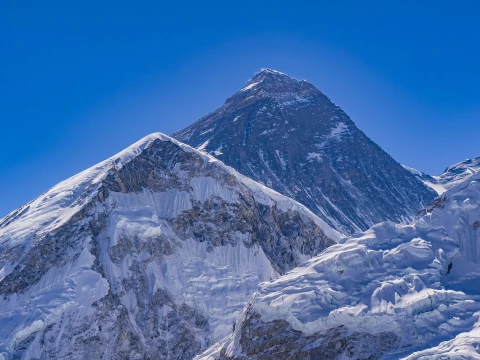
Dreaming of standing at the foot of the world’s highest mountain? The Everest Base Camp Trek is more than just a hike—it’s a journey through some of the most breathtaking landscapes on Earth, rich in culture, challenge, and personal achievement.
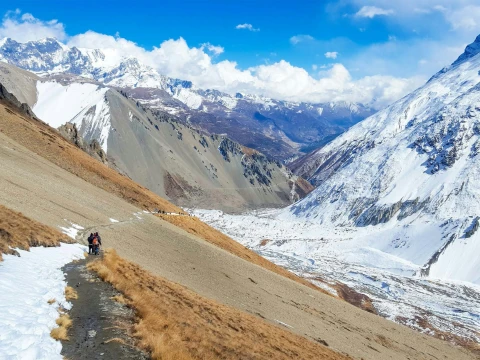
Nepal is a haven for trekkers, offering a rich tapestry of landscapes, cultures, and adventure opportunities. From soaring Himalayan peaks to serene valleys and remote villages, each trekking route tells its own story. For adventure lovers, Nepal is not just a destination but an experience that tests physical endurance, mental strength


 (2)
(2)  100% recommend (0)
 (0)
(0)