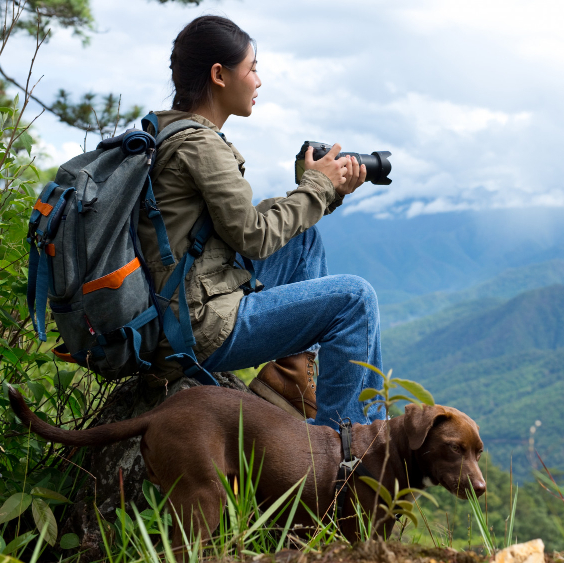
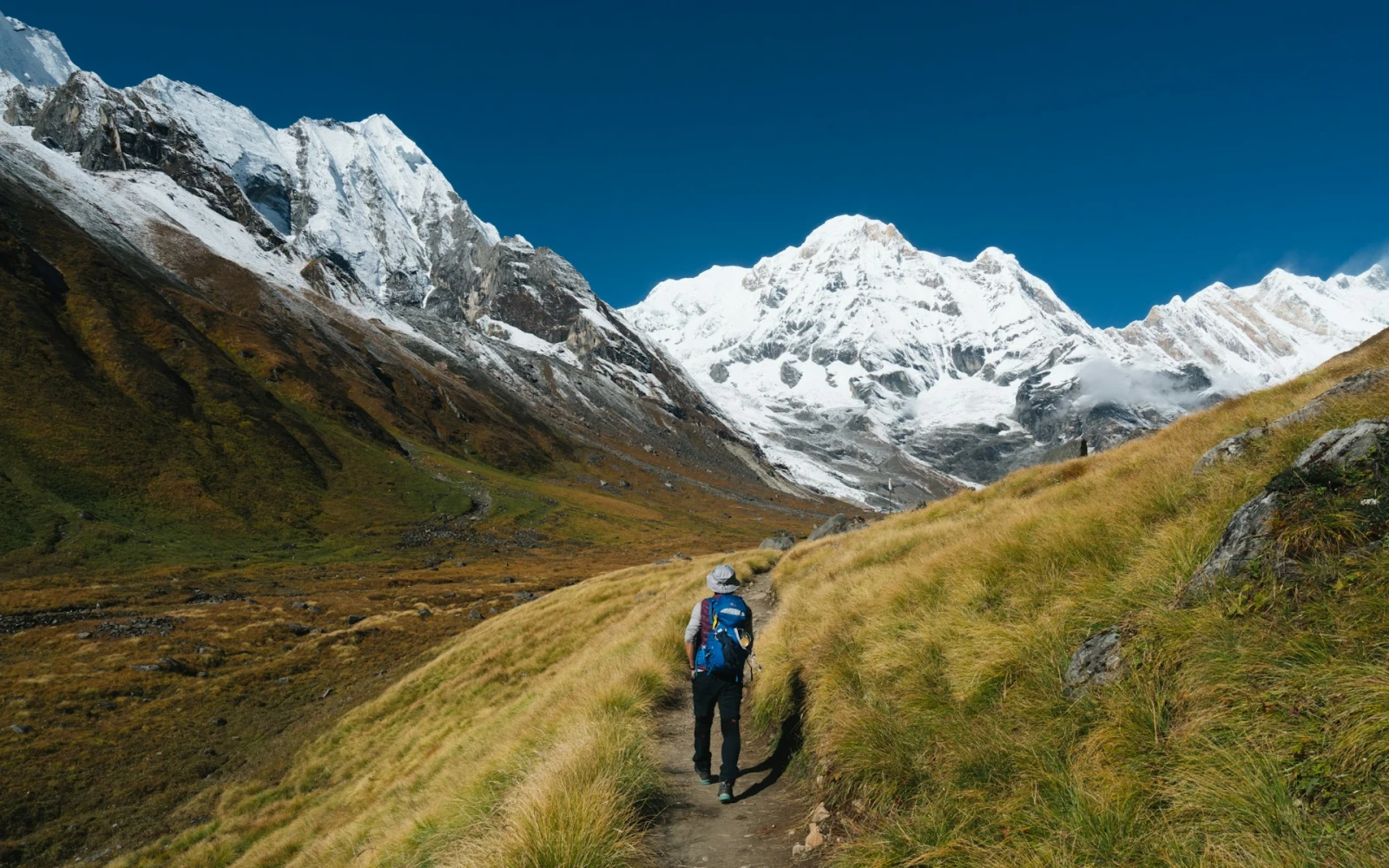
Solo trekking in Nepal is one of the most rewarding adventure experiences in the world. The country offers dramatic Himalayan landscapes, ancient trails, diverse cultures, and welcoming local communities. For many travellers, trekking alone means freedom, choosing your own pace, stopping wherever you want, and fully immersing yourself in nature. However, it also requires preparation, awareness of rules, and a clear understanding of safety conditions.
In recent years, Nepal has become more structured in regulating trekking activities, especially in restricted and high-altitude regions. While independent travel is still possible in many areas, some routes now require guides or registered trekking companies such as Mountain of Nepal to ensure safety and compliance with national tourism policies.
Solo trekking has grown significantly in Nepal due to the rise of backpacking culture, social media inspiration, and improved trail infrastructure. Many trekkers prefer the independence of solo journeys rather than joining group tours. Trails like Annapurna and Langtang have well-established tea houses, making it easier for individuals to navigate without a large support team.
However, the trend also comes with increased responsibility. Weather conditions in the Himalayas can change quickly, and remote trails may have limited communication or medical access. Because of this, even solo trekkers often rely on local support systems or agencies like Mountain of Nepal for permits, route guidance, and emergency backup planning.
Yes, solo trekking is still allowed in Nepal, but with important restrictions. In popular and moderate trekking regions like Annapurna, Everest, and Langtang, independent trekking is generally permitted. However, the government has introduced rules requiring licensed guides in certain restricted or high-risk areas to improve safety and reduce accidents.
These regulations do not eliminate solo travel; they simply redefine it. Many trekkers still travel alone but hire a guide or porter for specific sections or use organised services from companies like Mountain of Nepal to meet legal requirements while maintaining a semi-independent experience.
Every trekker in Nepal must obtain permits depending on the region they plan to visit. The most common is the TIMS (Trekkers’ Information Management System) card, along with national park or conservation area permits. In restricted regions, additional special permits are required and must be arranged through a registered trekking agency.
Solo trekkers must also follow updated rules that may require a guide in certain zones. This has been especially enforced in remote and high-altitude trails to reduce risks such as altitude sickness, navigation errors, and emergencies. Agencies like Mountain of Nepal assist trekkers in obtaining all necessary permits and ensuring legal compliance before starting the journey.
Nepal offers several trekking regions that are popular among solo travellers due to their accessibility, infrastructure, and safety. These regions feature well-marked trails, frequent teahouses, and strong tourist support systems. However, conditions still vary depending on altitude and remoteness.
Below are the most recommended regions for solo trekking:
Everest Region
The Everest Region is one of the most famous trekking destinations in the world, home to Mount Everest. Solo trekkers often choose routes like Everest Base Camp due to well-developed infrastructure and consistent foot traffic. The presence of lodges and guides makes it relatively manageable even for independent travellers.
Despite its popularity, altitude remains a serious challenge. Proper acclimatisation is essential, and many trekkers still prefer using support from agencies like Mountain of Nepal for logistics and emergency planning.
Annapurna Region
The Annapurna Region is one of the most diverse trekking areas in Nepal. It offers routes ranging from short scenic hikes to long high-altitude circuits like the Annapurna Circuit. Solo trekking is very popular here due to excellent trail infrastructure and easy access from Pokhara.
This region is considered one of the safest for independent travellers. However, weather changes and altitude sections still require preparation. Many solo trekkers choose the Mountain of Nepal for permit handling and optional guide support.
Langtang Region
The Langtang Region is the closest major trekking area to Kathmandu, making it ideal for short and moderate solo treks. The trails pass through forests, alpine valleys, and traditional Tamang villages. It is less crowded compared to Everest and Annapurna, offering a more peaceful experience.
Although accessible, Langtang still requires caution due to its remote terrain. Communication and emergency access are limited in higher sections, so many trekkers prefer arranging support through Mountain of Nepal.
Manaslu Region
The Manaslu Region is a restricted trekking area known for its raw beauty and less commercialised trails. It offers an authentic Himalayan experience but comes with strict regulations, including mandatory guides and special permits.
Solo trekking is not permitted in its pure form, but trekkers can still experience the route by joining guided arrangements. Agencies like Mountain of Nepal are essential here for permits, logistics, and compliance with government rules.
Solo trekking in Nepal can be generally safe in well-established routes, but safety depends heavily on preparation, experience, and the specific region you choose. Popular trails like Everest, Annapurna, and Langtang have teahouses, signage, and regular foot traffic, which significantly improves safety for independent trekkers. However, risks such as altitude sickness, sudden weather changes, and injuries still exist even on “easy” routes.
In remote or high-altitude areas, safety becomes more challenging due to limited communication and emergency response access. This is why many trekkers choose to combine solo travel with professional support from agencies like Mountain of Nepal, especially for route guidance, permits, and emergency backup planning.
Solo trekking in Nepal is rewarding but comes with real challenges that should not be underestimated. One of the greatest difficulties is physical exhaustion from long walking days at high altitude. Mental challenges such as loneliness or decision fatigue can also affect solo trekkers, especially on longer routes.
Another major challenge is logistics—finding accommodation, managing permits, and navigating unfamiliar terrain without assistance. Even though trails are generally well-marked, unexpected situations like landslides or route changes can create confusion. Many trekkers rely on Mountain of Nepal for backup planning and local expertise to overcome these challenges.
Proper preparation is the foundation of a successful solo trek in Nepal. Before starting your journey, you should research your chosen route, understand altitude risks, and prepare a flexible itinerary. Physical fitness training—such as hiking, cardio, and endurance exercises—is highly recommended before arrival.
You should also organise all permits in advance and ensure you have emergency contacts and travel insurance that covers high-altitude trekking. Many solo trekkers prefer consulting Mountain of Nepal before departure to get updated route conditions, permit assistance, and safety advice.
Having the right gear is essential for safety and comfort during solo trekking. Weather conditions in Nepal can vary from hot valleys to freezing mountain passes, so layered clothing is important. Essential items include a durable backpack, a waterproof jacket, trekking boots, and a reliable sleeping bag suitable for cold temperatures.
In addition to clothing, navigation tools, a first-aid kit, hydration systems, and power banks are critical. Solo trekkers must be self-sufficient since help may not always be immediately available. Agencies like Mountain of Nepal often provide gear advice tailored to specific routes.
Most trekking routes in Nepal are well-marked, especially in popular regions like Everest, Annapurna, and Langtang. Trails usually pass through villages and teahouses, making navigation easier for solo trekkers. However, it is still possible to lose direction in forested areas, high passes, or during poor weather conditions.
Trail conditions can vary depending on the season. Monsoon brings slippery paths and landslides, while winter can cover trails in snow. Because of these changes, solo trekkers should always stay updated on route conditions. Many rely on Mountain of Nepal for real-time updates, local knowledge, and safe route planning.
Accommodation on most trekking routes in Nepal is primarily based on teahouse lodges. These are small, family-run guesthouses that provide basic rooms, meals, and a warm place to rest. In popular regions like Everest, Annapurna, and Langtang, teahouses are available every few hours of walking, making solo trekking more practical and accessible.
Food options are surprisingly diverse considering the remote locations. Most teahouses offer traditional Nepali meals like dal bhat, along with noodles, soups, and simple international dishes. While variety decreases at higher altitudes, meals remain sufficient for energy needs. Many trekkers coordinate with Mountain of Nepal for updated lodge information and reliable food expectations along specific routes.
Hiring a guide or porter does not completely remove the “solo trekking” experience. Many trekkers choose a hybrid style where they trek independently but hire local support for navigation, logistics, or carrying heavy loads. This approach increases safety while still maintaining personal freedom on the trail.
In fact, in some regions of Nepal, hiring a licensed guide is mandatory due to government regulations. Companies like Mountain of Nepal help arrange professional guides and porters who are familiar with the terrain, culture, and emergency procedures, making the journey safer and more efficient.
Emergency support in Nepal’s trekking regions varies depending on location. In popular areas, mobile networks and satellite communication may be available in certain sections, but remote zones often have no signal at all. This makes preparation extremely important for solo trekkers.
Helicopter rescue is available in serious emergencies, but coordination can be difficult without proper contacts or insurance. Many trekkers rely on agencies like Mountain of Nepal to provide emergency coordination, communication support, and rescue assistance if needed during the trek.
Budgeting for a solo trek in Nepal depends on route, duration, and comfort level. Costs typically include permits, accommodation, food, transportation, and optional guide or porter services. Solo trekking can be more flexible in terms of spending, but high-altitude routes tend to become more expensive due to logistics.
Daily expenses in trekking regions are generally moderate, but prices increase with altitude due to transport difficulty. Planning a realistic budget helps avoid financial stress during the journey. Many trekkers consult Mountain of Nepal for transparent cost breakdowns and customised trekking packages.
The best time for solo trekking in Nepal is generally during spring (March to May) and autumn (September to November). These seasons offer stable weather, clear skies, and excellent mountain visibility. Trails are also more active, which improves safety for solo travellers.
Winter trekking is possible in lower regions but can be extremely cold at higher altitudes, while the monsoon season brings heavy rain, slippery trails, and landslide risks. Choosing the right season significantly improves safety and enjoyment. Many trekkers plan their trips with guidance from Mountain of Nepal to align with optimal seasonal conditions.
Trekking in Nepal is not only about mountains and trails—it is also a deep cultural experience. Most trekking routes pass through traditional villages where people follow Tibetan-Buddhist or Hindu customs. Respecting local culture is important for a positive and meaningful journey. Simple gestures like greeting with “Namaste,” asking permission before taking photos, and dressing modestly go a long way in building goodwill with locals.
Solo trekkers often find that cultural interaction becomes one of the most memorable parts of the journey. Staying in teahouses allows you to eat with families, learn local traditions, and understand mountain life. Many travellers also benefit from cultural guidance provided by Mountain of Nepal, which helps trekkers understand local etiquette before entering remote communities.
Many solo trekkers underestimate the challenges of trekking in Nepal, which can lead to avoidable mistakes. One of the most common errors is poor acclimatisation—trying to ascend too quickly without giving the body enough time to adjust to altitude. Another frequent issue is overpacking or underpacking, both of which can make the trek uncomfortable.
Navigation mistakes, ignoring weather forecasts, and not securing proper permits are also common problems. Solo trekkers sometimes rely too heavily on assumptions instead of preparation. Working with experienced agencies like Mountain of Nepal can help avoid these mistakes by providing accurate route planning, permit assistance, and safety briefings.
Solo trekking in Nepal is often imagined as complete freedom in the mountains—and while that is partly true, the reality is more complex. You will experience moments of deep peace, breathtaking landscapes, and personal achievement. However, you will also face fatigue, uncertainty, and occasional discomfort due to basic living conditions.
The experience is a mix of independence and responsibility. You make all decisions yourself, from pacing to daily stops, which can be empowering but also mentally demanding. Many trekkers find that having occasional support from Mountain of Nepal enhances the experience by reducing stress while preserving the solo adventure feeling.
Solo trekking in Nepal is absolutely possible and can be one of the most transformative travel experiences in the world. It offers unmatched freedom, cultural immersion, and personal growth. However, it also requires preparation, awareness of risks, and a responsible mindset.
If you are confident, well-prepared, and willing to adapt to mountain conditions, solo trekking can be an incredible journey. For those who prefer added safety, logistical support, or permit assistance, companies like Mountain of Nepal provide valuable services while still allowing you to enjoy the spirit of independent trekking.
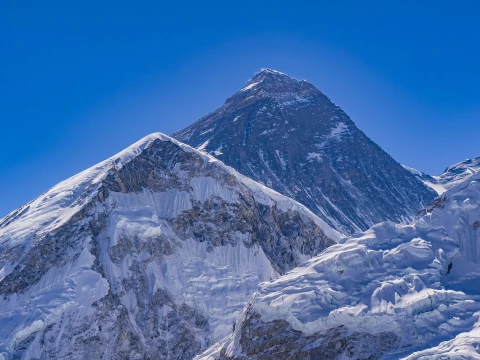
Dreaming of standing at the foot of the world’s highest mountain? The Everest Base Camp Trek is more than just a hike—it’s a journey through some of the most breathtaking landscapes on Earth, rich in culture, challenge, and personal achievement.
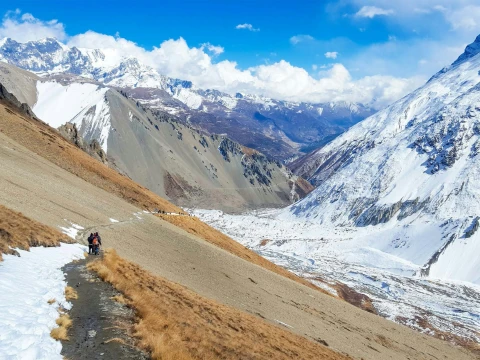
Nepal is a haven for trekkers, offering a rich tapestry of landscapes, cultures, and adventure opportunities. From soaring Himalayan peaks to serene valleys and remote villages, each trekking route tells its own story. For adventure lovers, Nepal is not just a destination but an experience that tests physical endurance, mental strength
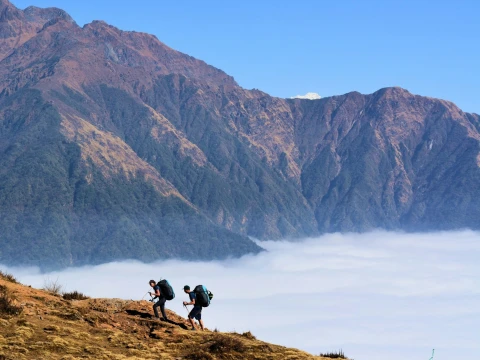
Trekking in the Himalayas is a dream for adventure enthusiasts worldwide. Known for their breathtaking landscapes, towering peaks, and serene valleys, the Himalayas offer a unique combination of natural beauty, cultural richness, and personal challenge. For first-time trekkers, understanding the basics is crucial to ensure a safe, enjoyable


 (2)
(2)  100% recommend (0)
 (0)
(0)